Vehicle Shipping Services: Cost and Care Compared


Vehicle shipping services offer a range of transport options to suit your needs and budget. At Flix Auto Transport, we provide reliable solutions for moving your car across the country or overseas. Our team understands the importance of cost-effective shipping while ensuring your vehicle’s safety throughout its journey. In this article, we’ll explore the factors that influence shipping costs, compare open and enclosed transport methods, and highlight the significance of insurance. Keep reading to learn how to prepare your vehicle for a smooth shipping experience and discover why Flix Auto Transport is your trusted partner in vehicle transportation.
Understanding the Basics of Vehicle Shipping Costs
Vehicle shipping costs hinge on several key factors. You’ll find that the type of vehicle you’re transporting and the distance it needs to travel play crucial roles in determining the final price transport options. Understanding these elements helps you make informed decisions about your car shipping needs. Let’s explore how your vehicle’s characteristics and the specifics of its journey impact the overall cost of transportation.
Evaluating Vehicle Type and Its Impact on Pricing
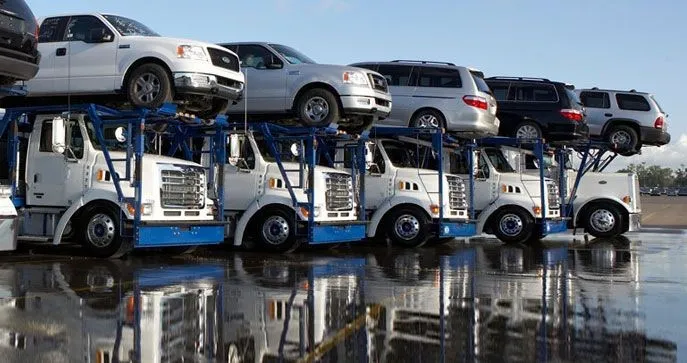
Your vehicle’s size, weight, and value directly influence shipping costs transport options. Larger, heavier vehicles like trucks or SUVs typically cost more to ship than compact cars due to the space they occupy and fuel consumption. High-end or luxury vehicles often require specialized handling and enclosed transport, which increases the price.
Distance and Route Specifics That Affect Cost
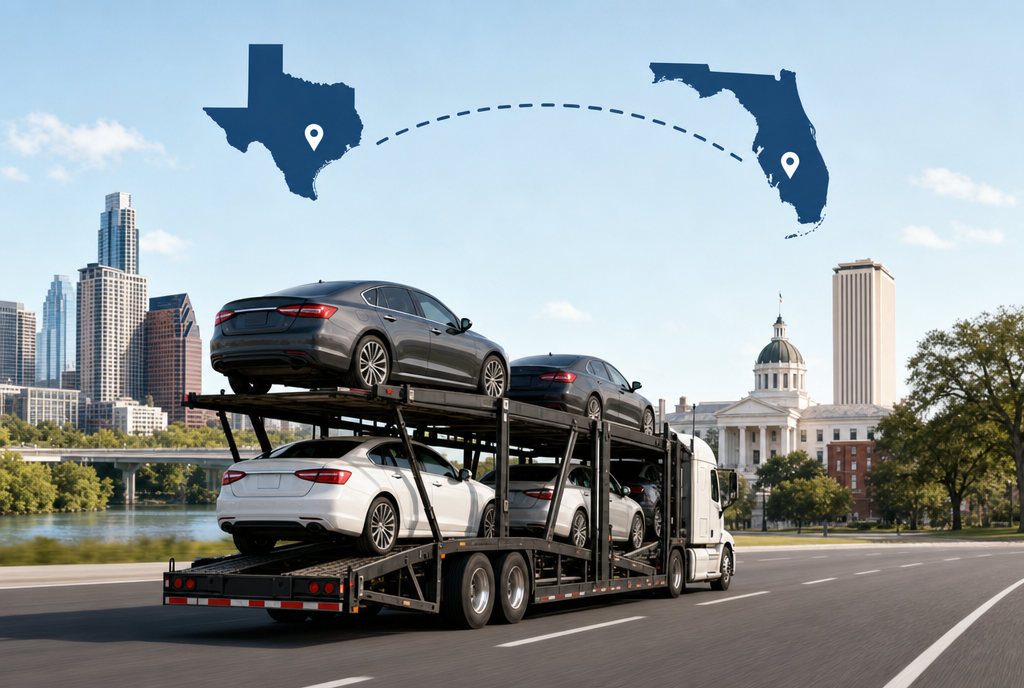
You’ll find that longer distances generally mean higher shipping costs, but the relationship transport options isn’t always linear. Routes between major cities or along popular corridors often cost less per mile than remote or less-traveled paths. Your vehicle’s journey through different states or regions can also impact pricing due to varying fuel costs, tolls, and regulations.
Choosing Between Open and Enclosed Transport Options
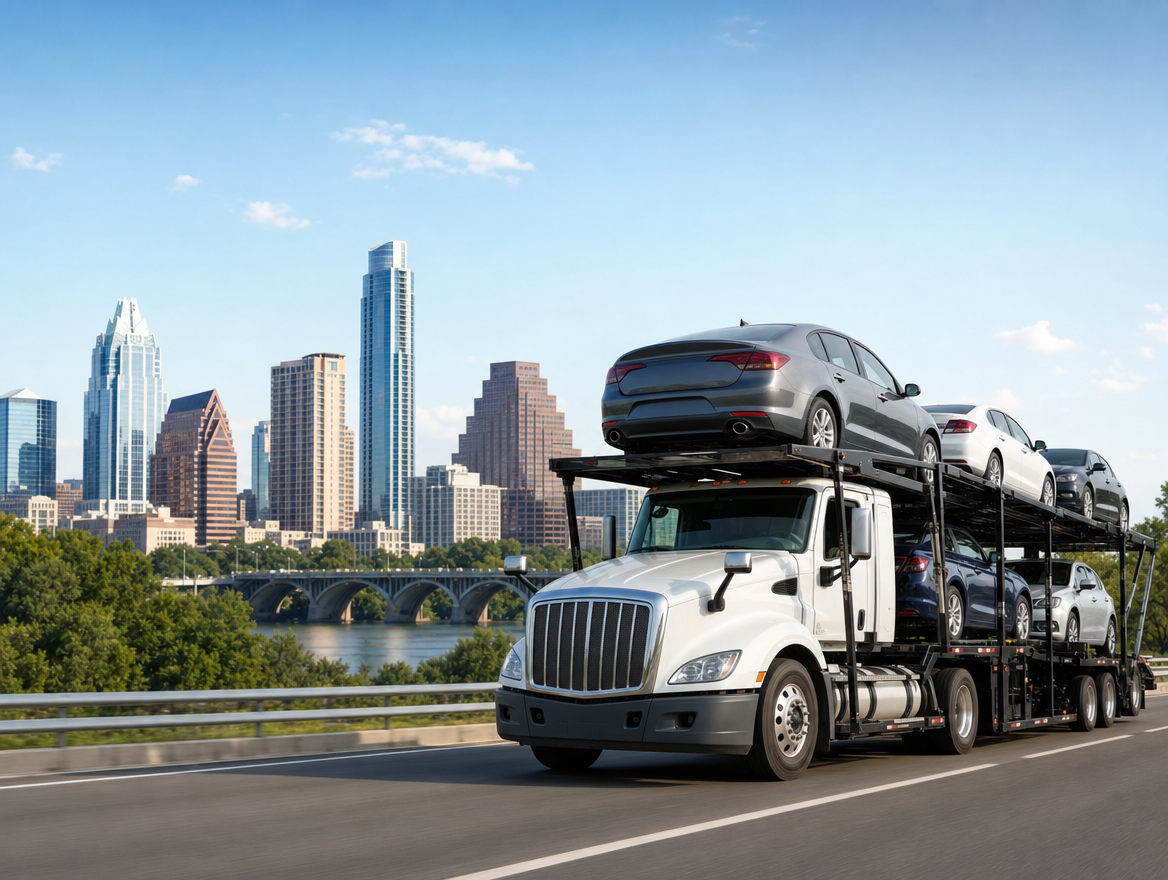
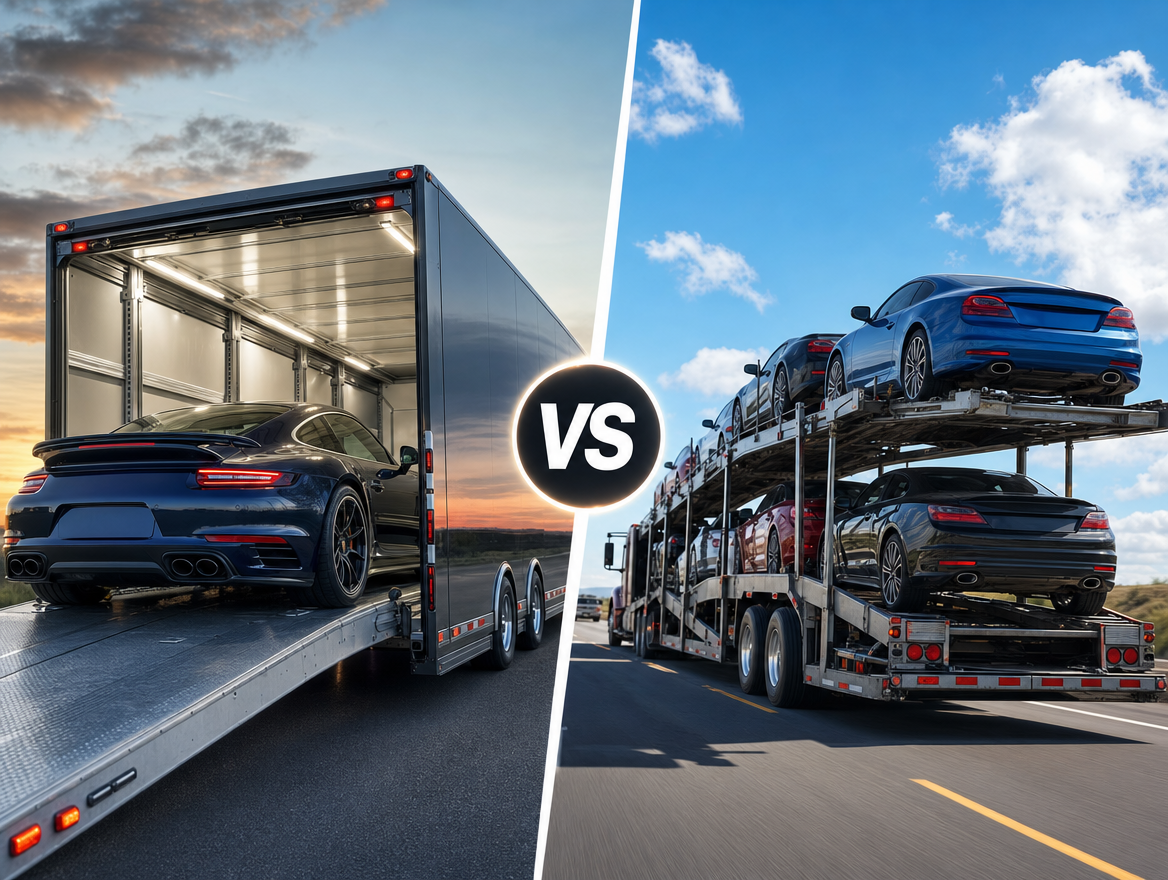
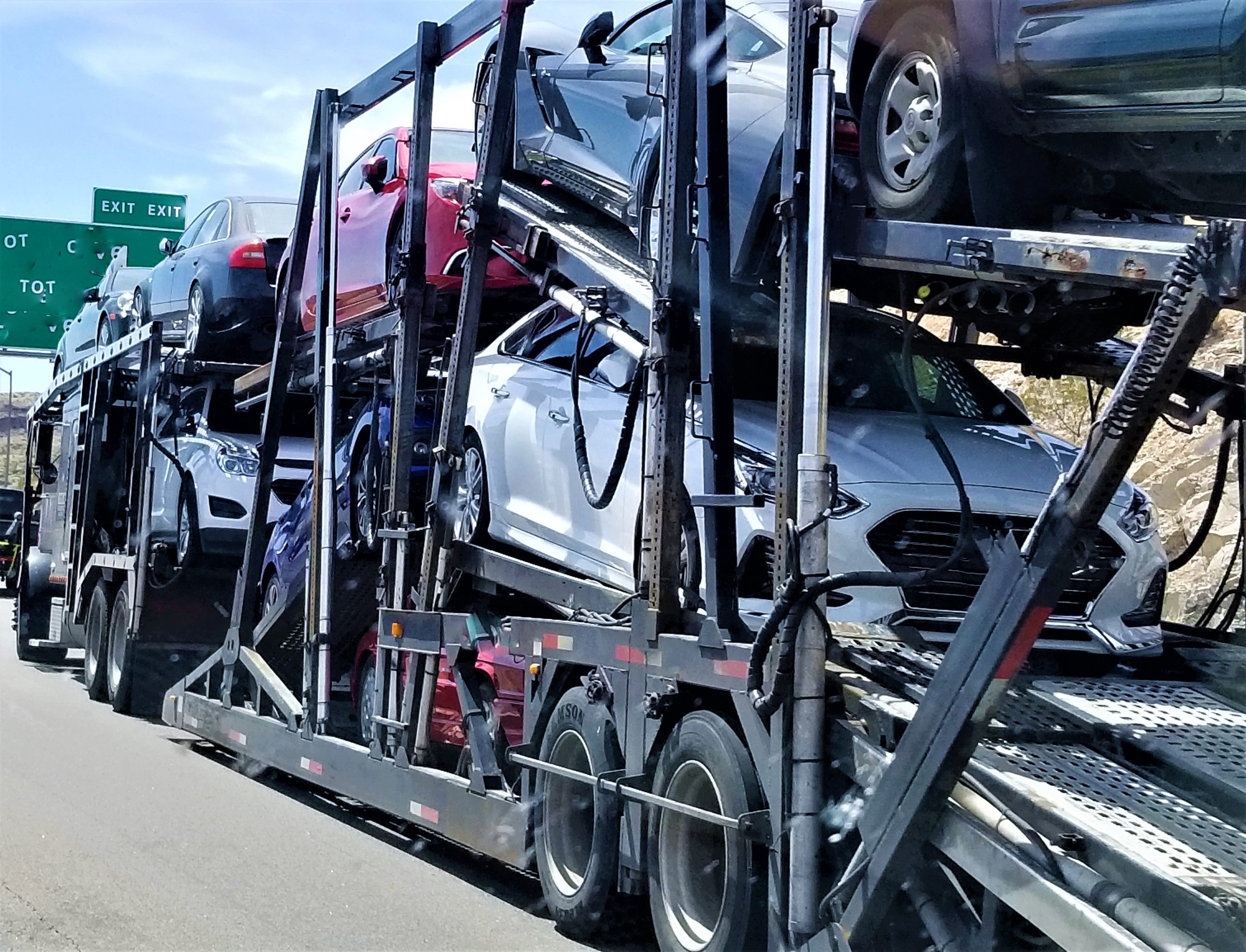
You’ll face a crucial decision when shipping your vehicle: open or enclosed transport options. Each option offers distinct advantages and considerations for your car’s journey. Open transport provides cost-effective solutions for standard vehicles, while enclosed carriers offer premium protection for high-value or sensitive automobiles. Understanding the differences between these methods will help you select the best fit for your vehicle’s needs and your budget.
Pros and Cons of Open Transport for Your Vehicle
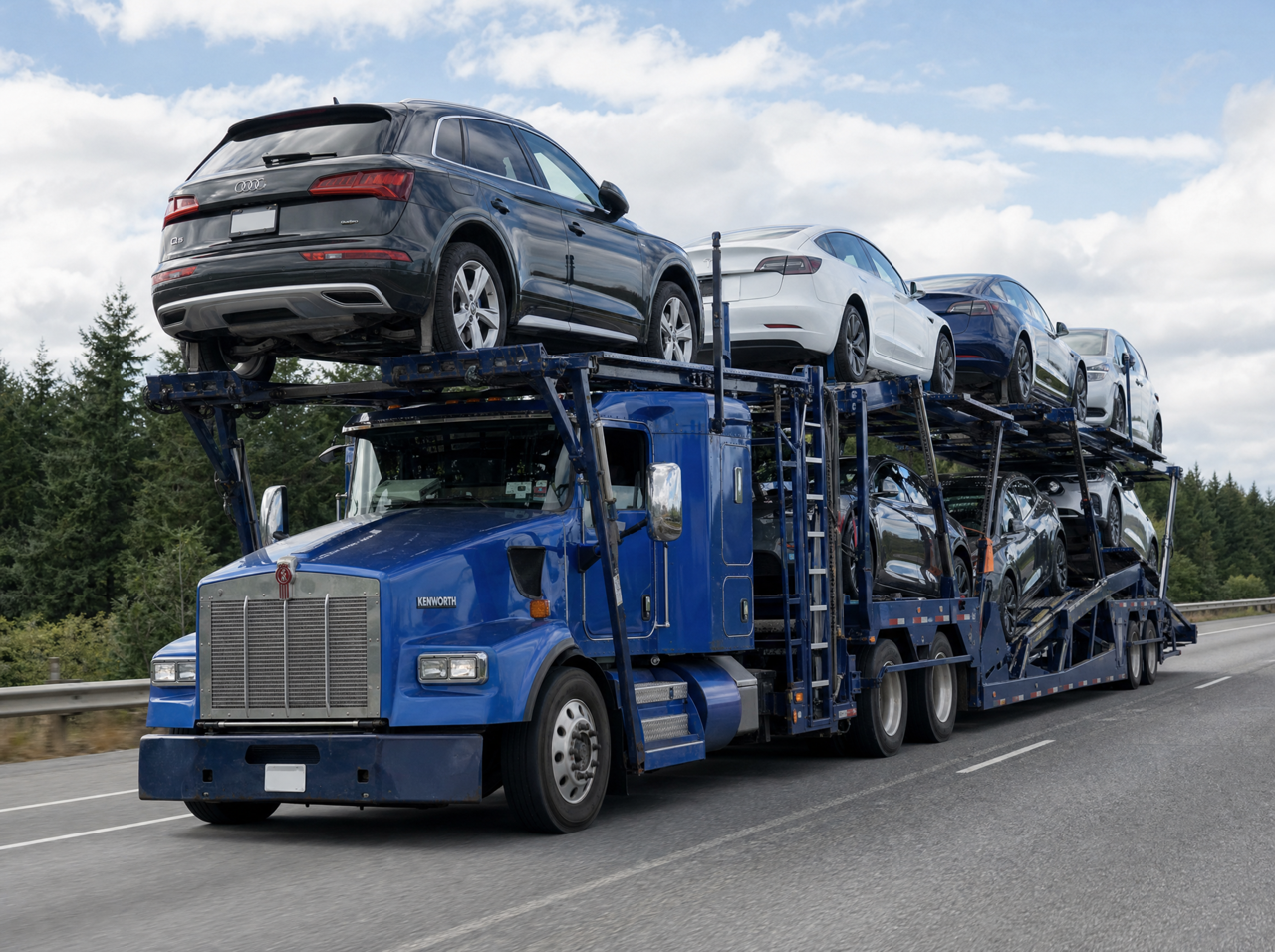
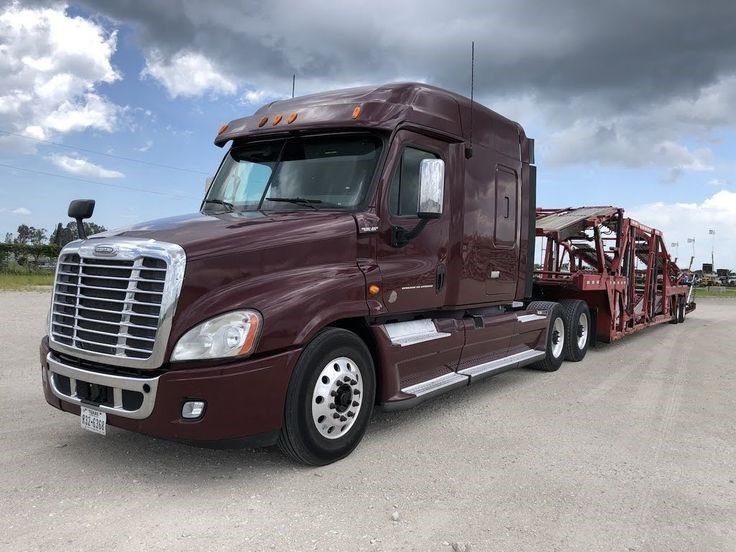
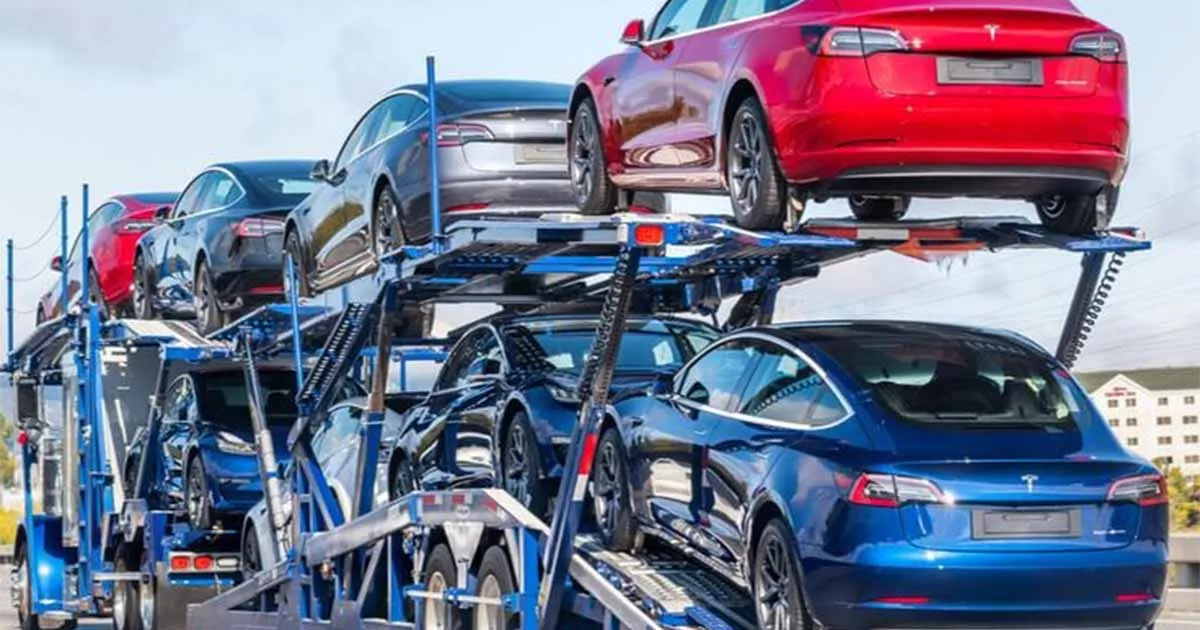
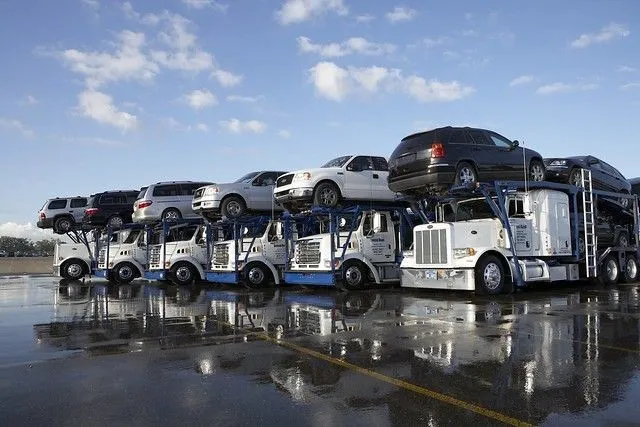
about Flix Auto Transport, open transport offers you a cost-effective way to ship your vehicle, often up to 50% cheaper than enclosed transport options. You’ll benefit from quicker pickup times and more flexible scheduling due to the higher availability of open carriers. However, your vehicle will be exposed to road debris and weather elements during transit, which may not be ideal for high-value or classic cars. contact us for more information.
Why Choose Enclosed Transport for Enhanced Protection?
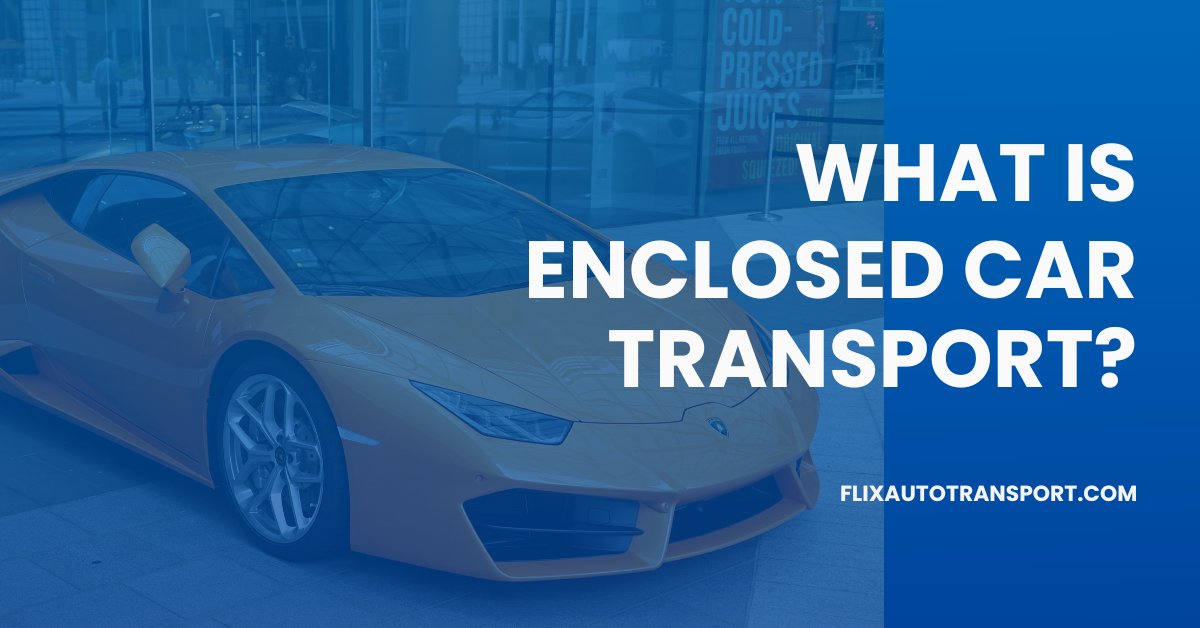
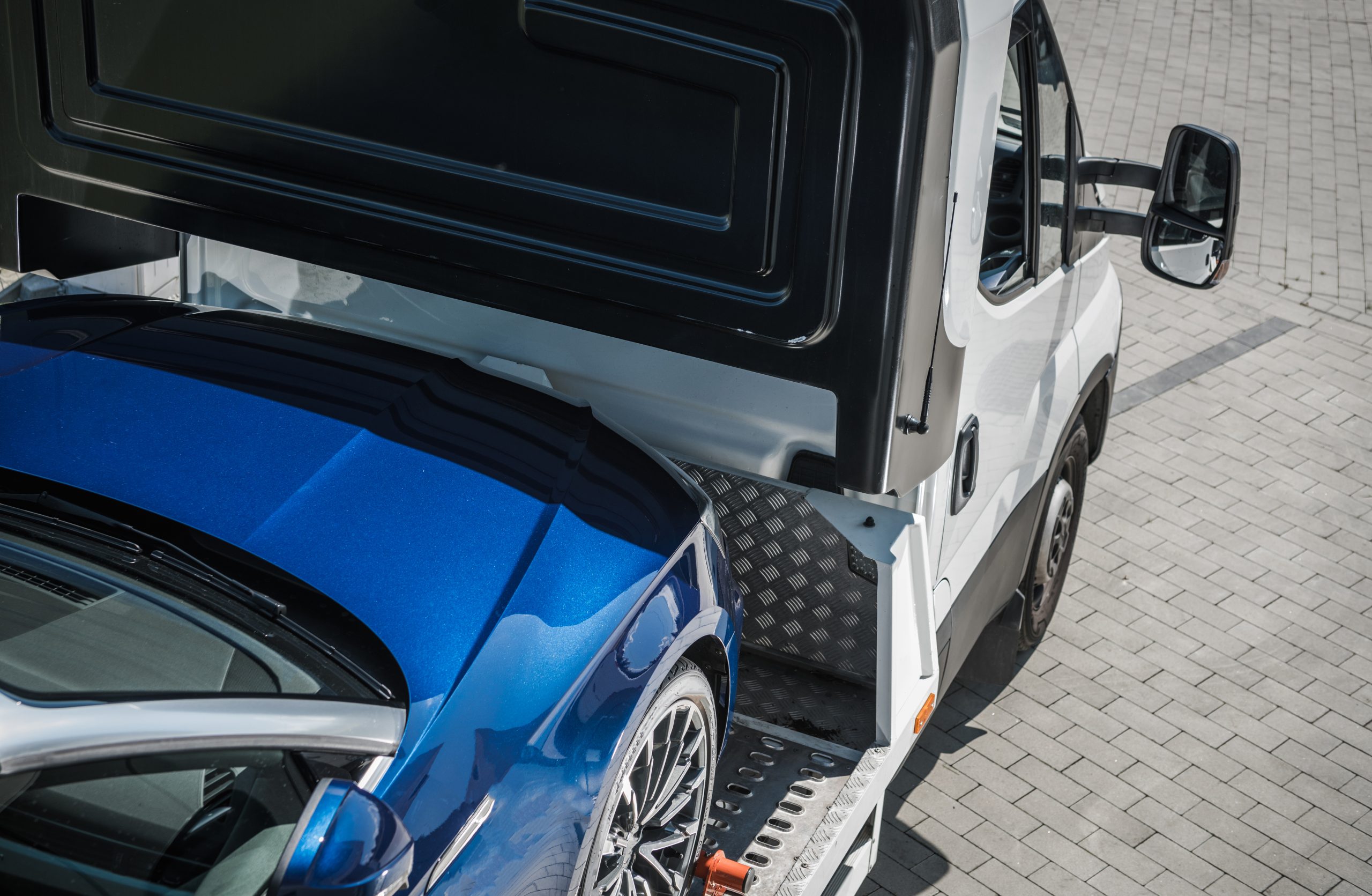
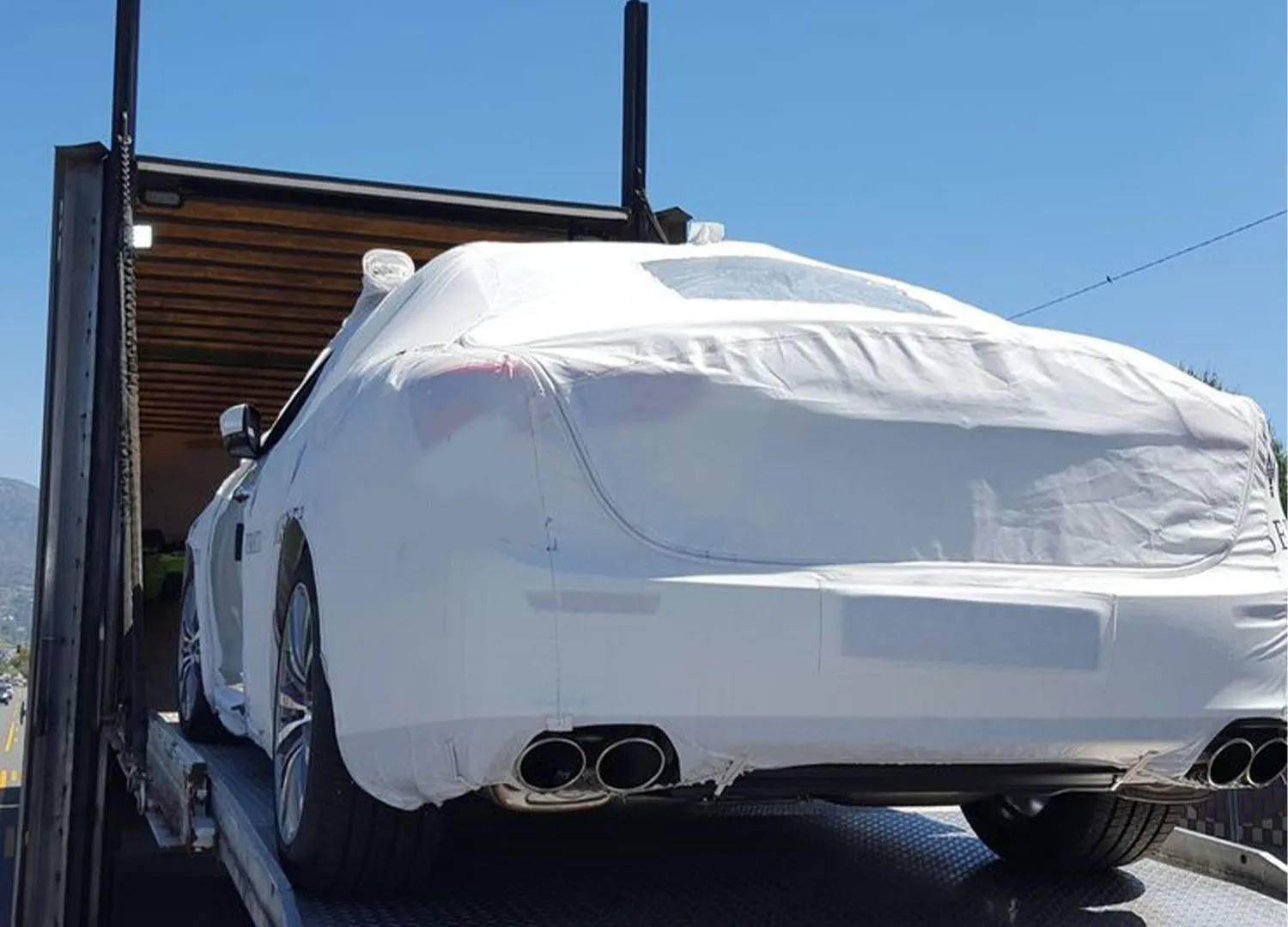
You’ll want to choose enclosed transport for your vehicle if you need maximum protection during shipping. This option shields your car from road debris, weather elements, and prying eyes, making it ideal for luxury, classic, or high-value vehicles. Though more expensive than open transport, enclosed carriers offer peace of mind for your prized automobile.
The Significance of Insurance in Vehicle Shipping
You need to understand the critical role insurance plays in vehicle shipping. Proper coverage safeguards your investment and provides peace of mind during transport. When selecting a carrier, you’ll want to examine their insurance policy closely and familiarize yourself with the claims process. These elements ensure you’re protected if unexpected issues arise during your vehicle’s journey.
What to Look for in a Carrier’s Insurance Policy
You’ll want to scrutinize a carrier’s insurance policy before entrusting them with your vehicle. Look for comprehensive coverage that includes protection against damage during loading, transit, and unloading. Verify the policy’s limits and ensure they’re sufficient to cover your vehicle’s full value.
Handling Claims Process for Damages During Transit
You’ll need to act quickly if your vehicle sustains damage during transit. Document any issues thoroughly with photos and detailed notes immediately upon delivery. Contact your shipping company promptly to initiate the claims process, providing all necessary evidence and following their specific procedures. Stay proactive throughout the process, following up regularly to ensure a timely resolution.
Preparing Your Vehicle for Shipping Successfully
You’ll need to take specific steps to ensure your vehicle is properly prepared for shipping. Getting your car ready involves more than just cleaning it out. You must complete essential tasks that protect your vehicle during transit and facilitate a smooth pickup process. Equally important is documenting your car’s condition before it’s loaded onto the carrier. This step safeguards you against potential disputes and helps expedite any claims should damage occur during shipping.
Essential Steps to Get Your Car Ready for Pickup
You’ll need to take several key steps to prepare your vehicle for pickup. Clean your car thoroughly, inside and out, and remove all personal items. Disable your car alarm, leave only a quarter tank of gas, and document any existing damage with photos. Provide a spare key to the driver and ensure all fluids are at proper levels.
Documenting the Condition of Your Car Pre-Shipment
You’ll want to thoroughly document your car’s condition before shipping. Take clear, well-lit photos of your vehicle from all angles, including close-ups of any existing scratches, dents, or other imperfections. Make a detailed written report of your car’s current state, noting mileage, any mechanical issues, and the overall appearance.
Conclusion
Vehicle shipping services offer essential solutions for transporting cars safely and efficiently. Understanding cost factors, choosing between open and enclosed transport, securing proper insurance, and preparing your vehicle thoroughly are crucial steps in ensuring a smooth shipping experience. Careful consideration of these elements allows you to make informed decisions that balance cost-effectiveness with the level of protection your vehicle requires. By taking the time to research and plan, you can confidently entrust your vehicle to a reliable shipping service, knowing it will arrive at its destination securely and in the same condition as when it departed.
Related articles
Expert advice and real experiences to make your car shipping simple and stress-free.




.jpg)








.jpg)



.jpg)



.jpg)


























.webp)