Ship A Car From California To Texas Guide 2026: Cost, Transit Time


Shipping a vehicle between California and Texas is one of the most common long-distance auto transport routes in the country, and for good reason. Between corporate relocations, online vehicle purchases, military PCS orders, snowbird migrations, and college moves, tens of thousands of vehicles make this journey every year. But "common" doesn't mean "simple." Pricing is dynamic, transit times vary, and the difference between a smooth experience and a stressful one often comes down to knowing what to ask before you book.
How Far Is It From California to Texas, and Why Does That Matter?
The California–Texas corridor isn't a single route, it's a wide geographic band with significant variation depending on your exact origin and destination.
- Los Angeles to Houston: approximately 1,550 miles
- Los Angeles to Dallas: approximately 1,435 miles
- San Francisco to Dallas: approximately 1,765 miles
- San Diego to Austin: approximately 1,300 miles
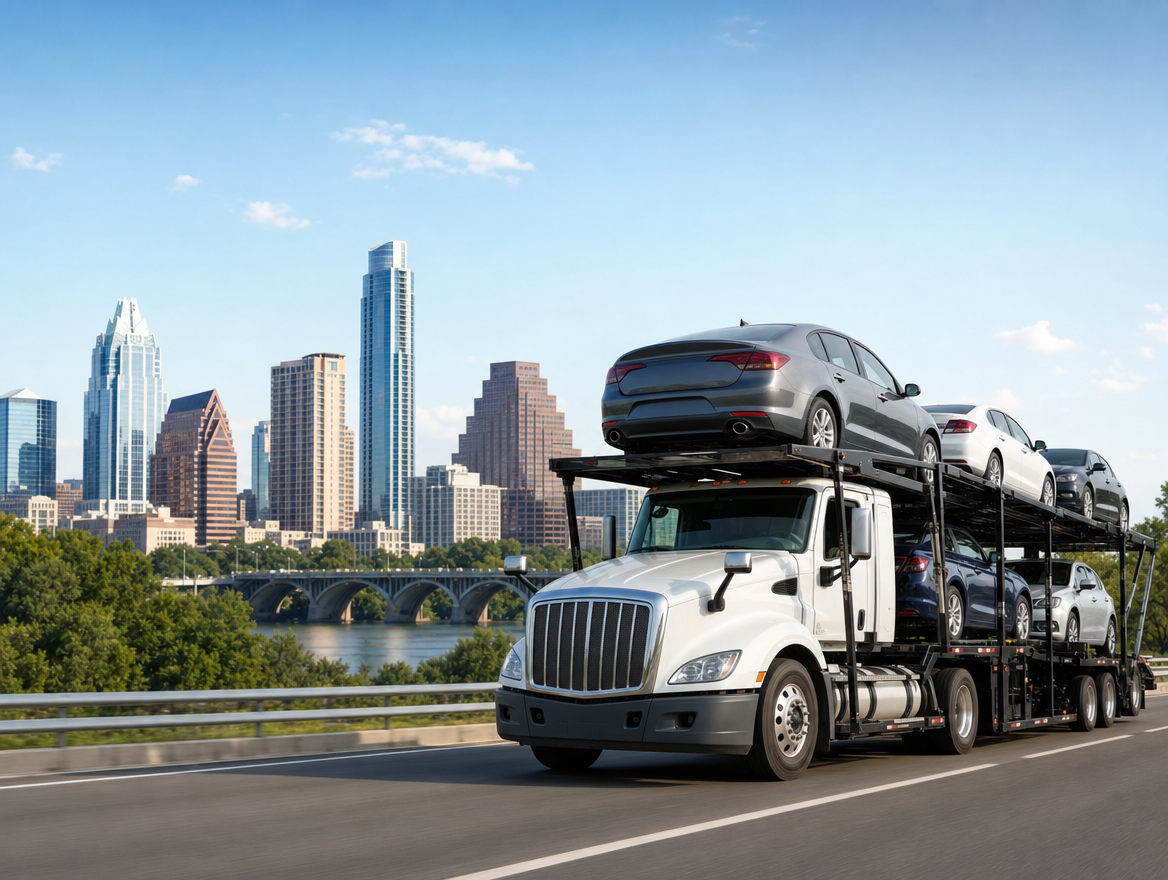
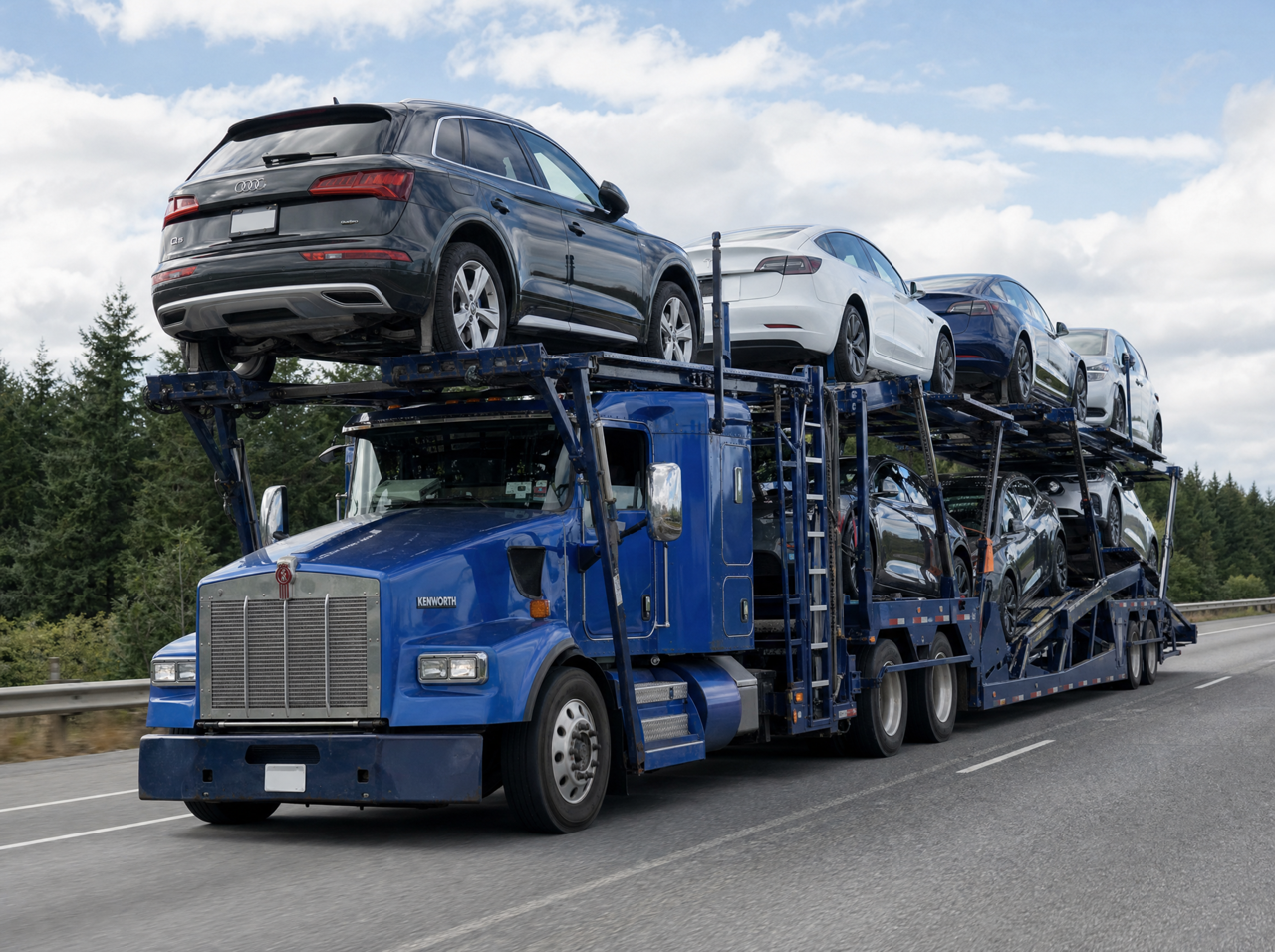
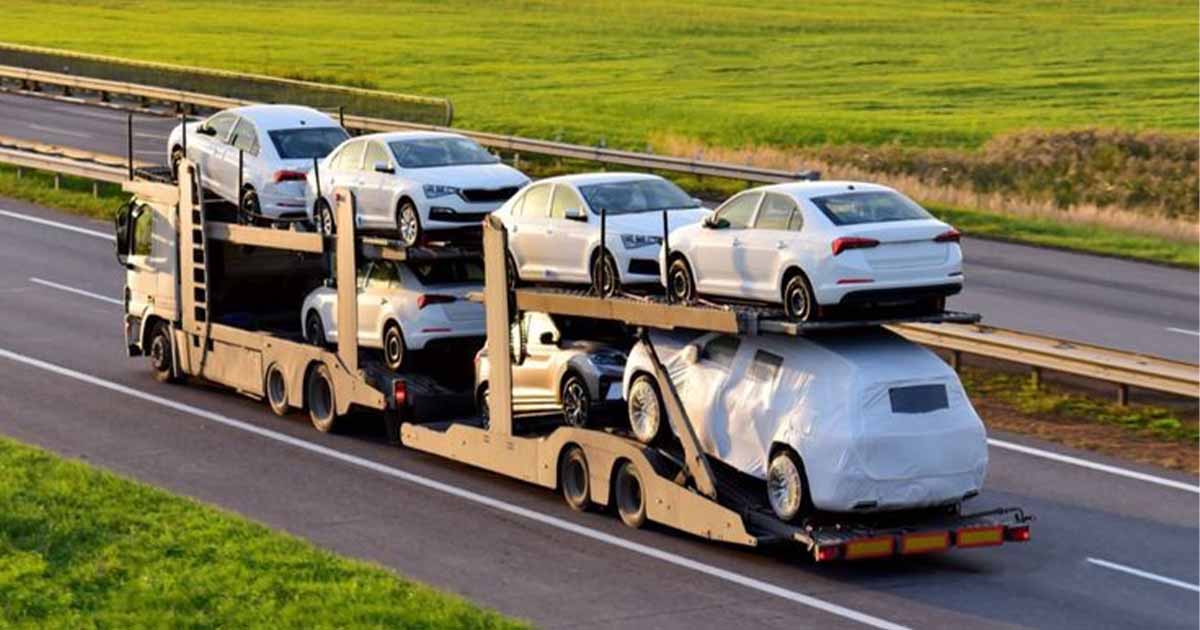
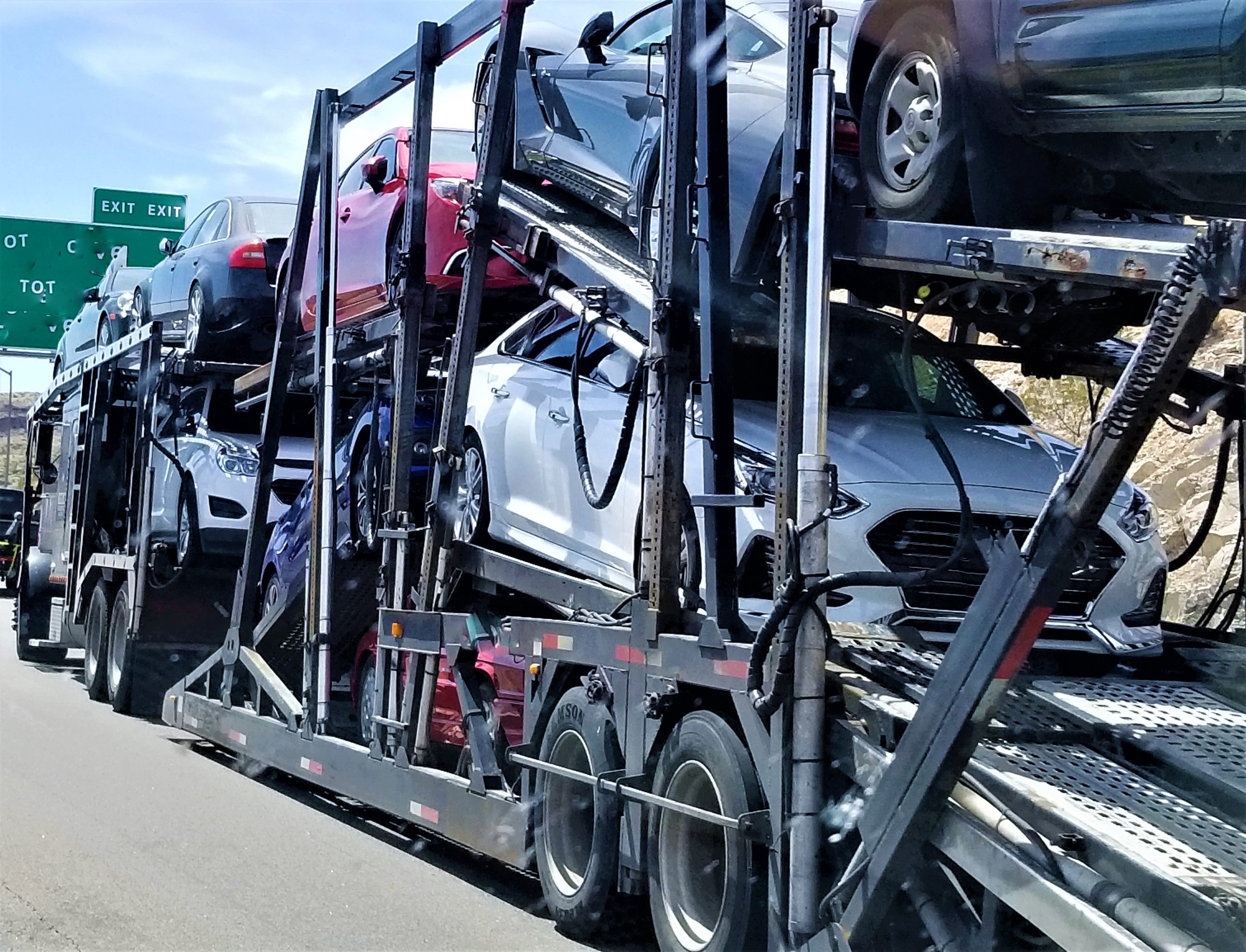
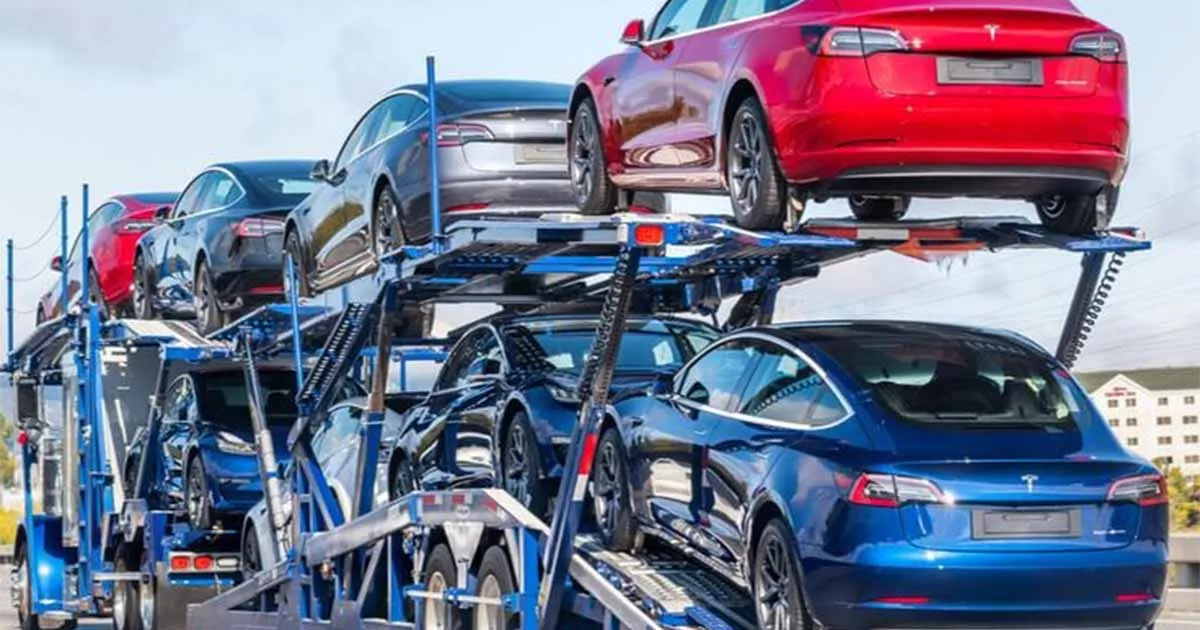
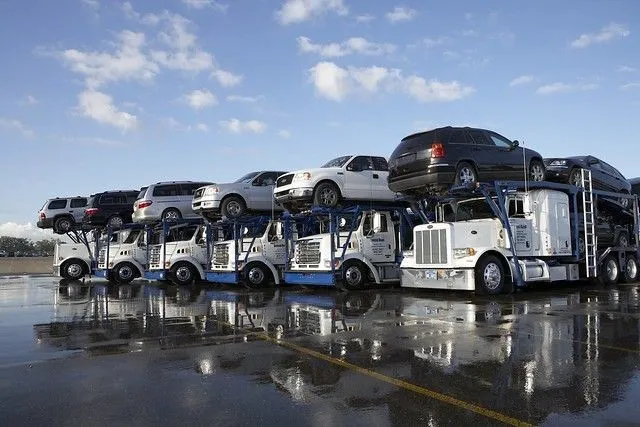
This matters because auto transport pricing is distance-sensitive but not purely linear. The price-per-mile actually decreases as distance increases, which is counterintuitive to many first-time shippers. A 500-mile haul typically runs $0.75–$1.10 per mile, while a 1,500-mile haul may run $0.55–$0.75 per mile. Long-haul routes like California to Texas are often more cost-effective on a per-mile basis than shorter regional moves. Carriers that run this corridor regularly typically operate trailers built to haul 6 to 10 vehicles per trip, so the cost of the trip gets spread across more cars. Thus, the per-mile rate is lower for each shipper.
What Does It Cost to Ship a Car From California to Texas in 2026?
There is no single flat rate for this route. Pricing is dynamic and influenced by several real-time variables. That said, here are honest 2026 market ranges for a standard sedan in operable condition, booked with reasonable lead time:

One important note about pricing in this industry: quotes that seem unusually low are frequently bait-and-switch tactics. A lowball quote gets your booking, then the carrier "can't be found" at that price and you're asked to pay more at pickup. Work with companies that are upfront about how their pricing works and what can cause it to change.
What Are the Key Factors That Affect Shipping Cost on This Route?
Does Vehicle Size and Type Change the Price?
Yes, significantly. Auto transport carriers load vehicles onto multi-car haulers with limited space and weight capacity. Larger vehicles occupy more physical space and add more weight, which reduces how many vehicles a carrier can haul per trip.
- Compact/sedan: base pricing, lowest cost
- SUV/crossover: typically 10–20% more
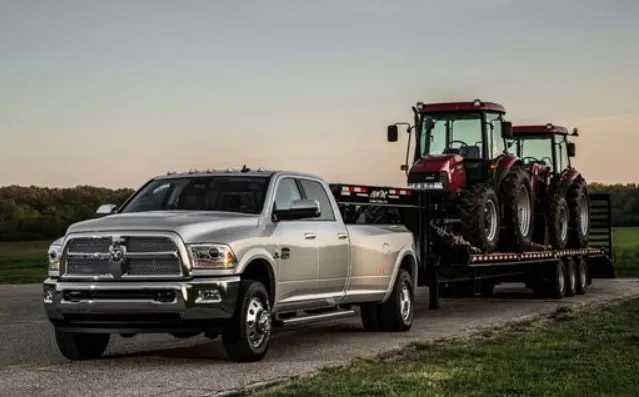
- Full-size pickup truck: 15–25% more, especially lifted trucks with oversized tires
- Modified vehicles (lift kits, lowered suspensions, wide body kits): may require special loading and add cost
How Does the Time of Year Affect California to Texas Shipping Costs?
The auto transport market is meaningfully seasonal. The busiest period nationally runs roughly from late February through early October, with summer being the peak. During peak season, carrier availability tightens, pushing prices up, sometimes by 15–30% compared to off-peak rates. If you have flexibility, January and February are historically the most affordable months to ship on this route.
If you're moving during summer, expect tighter capacity and higher prices. That said, more lead time doesn't always mean a better price on this route. Market rates shift week to week, so the most accurate, honest quotes usually come from booking about 1–2 weeks before your move date rather than months out. Booking too far ahead can lock in a price that no longer reflects the actual market by pickup day.
Does It Matter Whether I Use Open or Enclosed Transport?
Absolutely. This is one of the highest-impact decisions you'll make when pricing out this shipment.
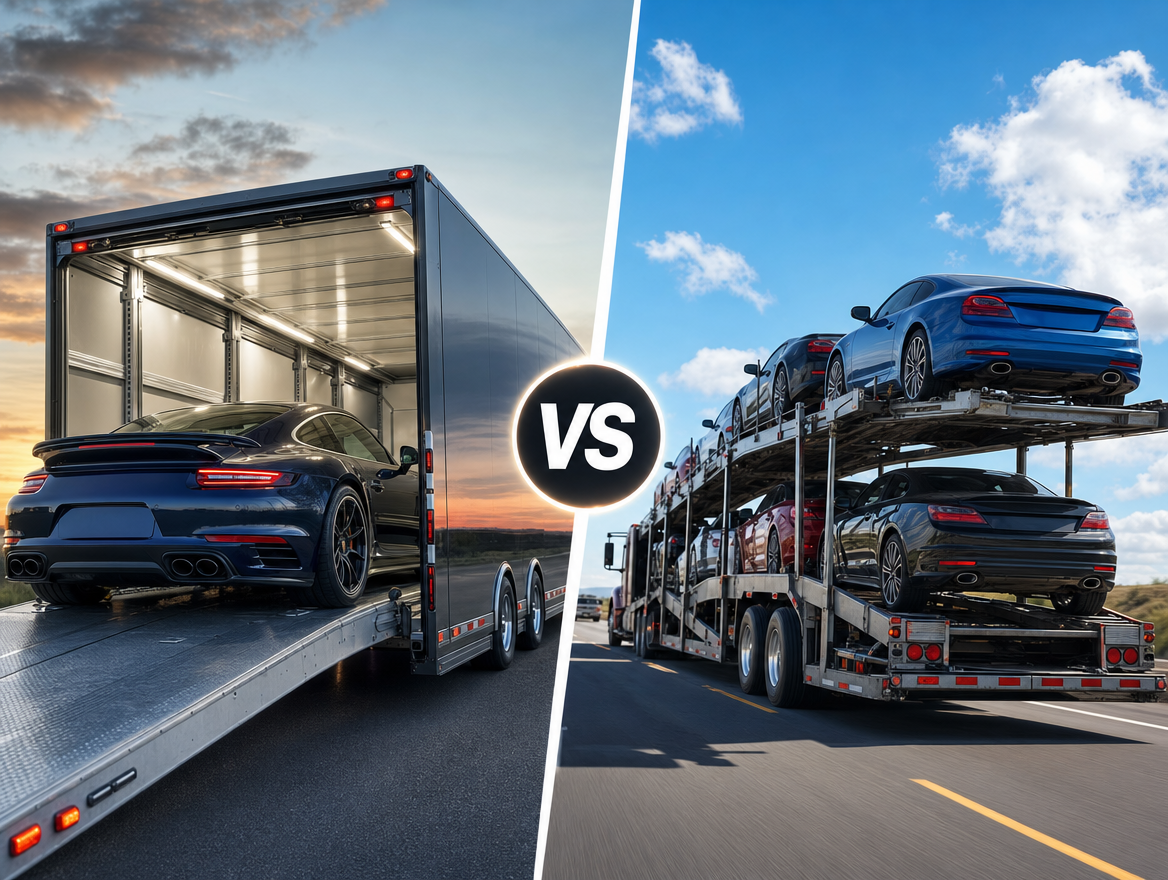
Open transport is the standard method, your vehicle rides on an open multi-car carrier, exposed to weather and road debris. This is how most vehicles are shipped, including brand-new cars from factory to dealership. Damage rates are very low, and you'll pay significantly less.
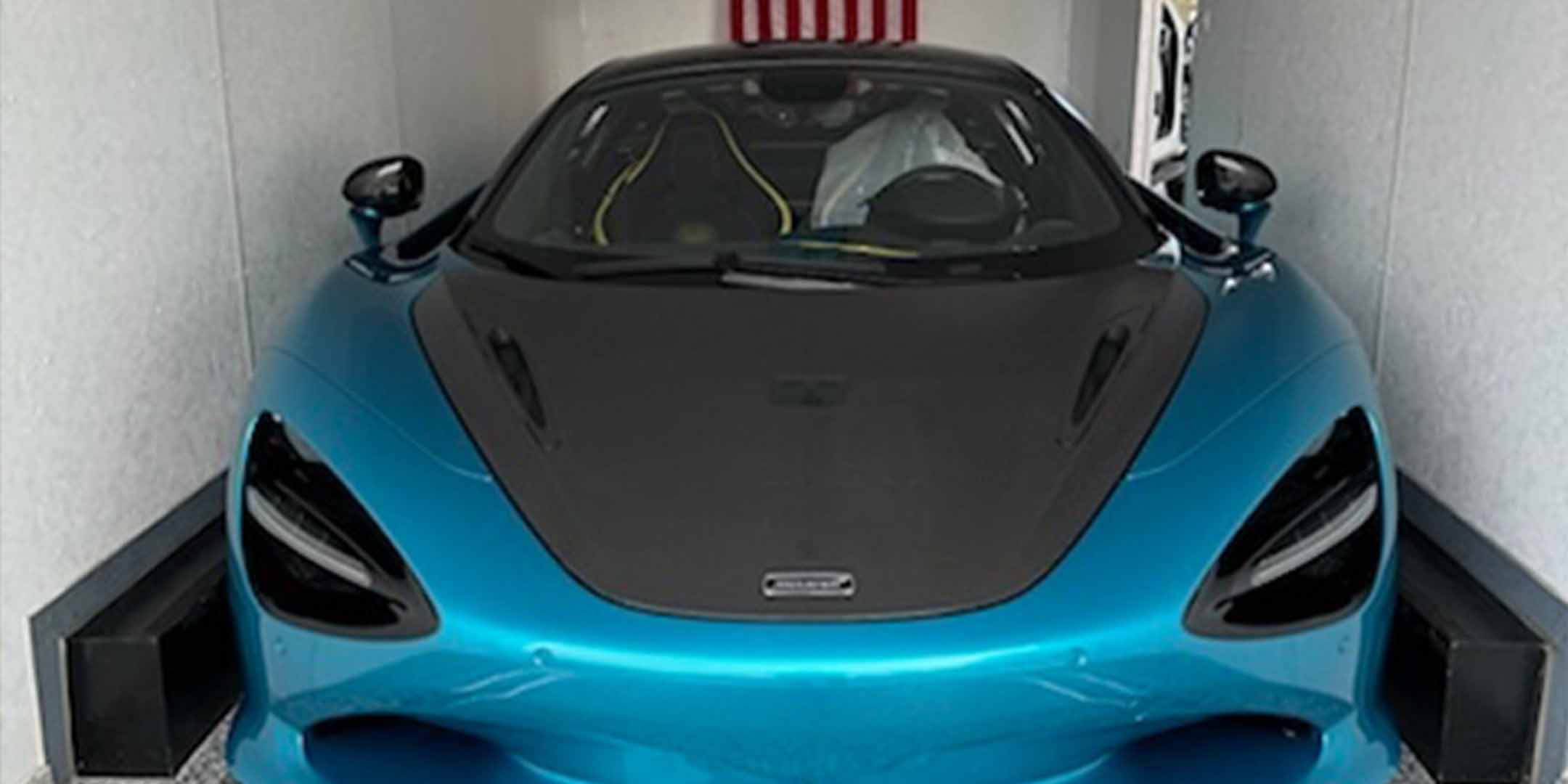
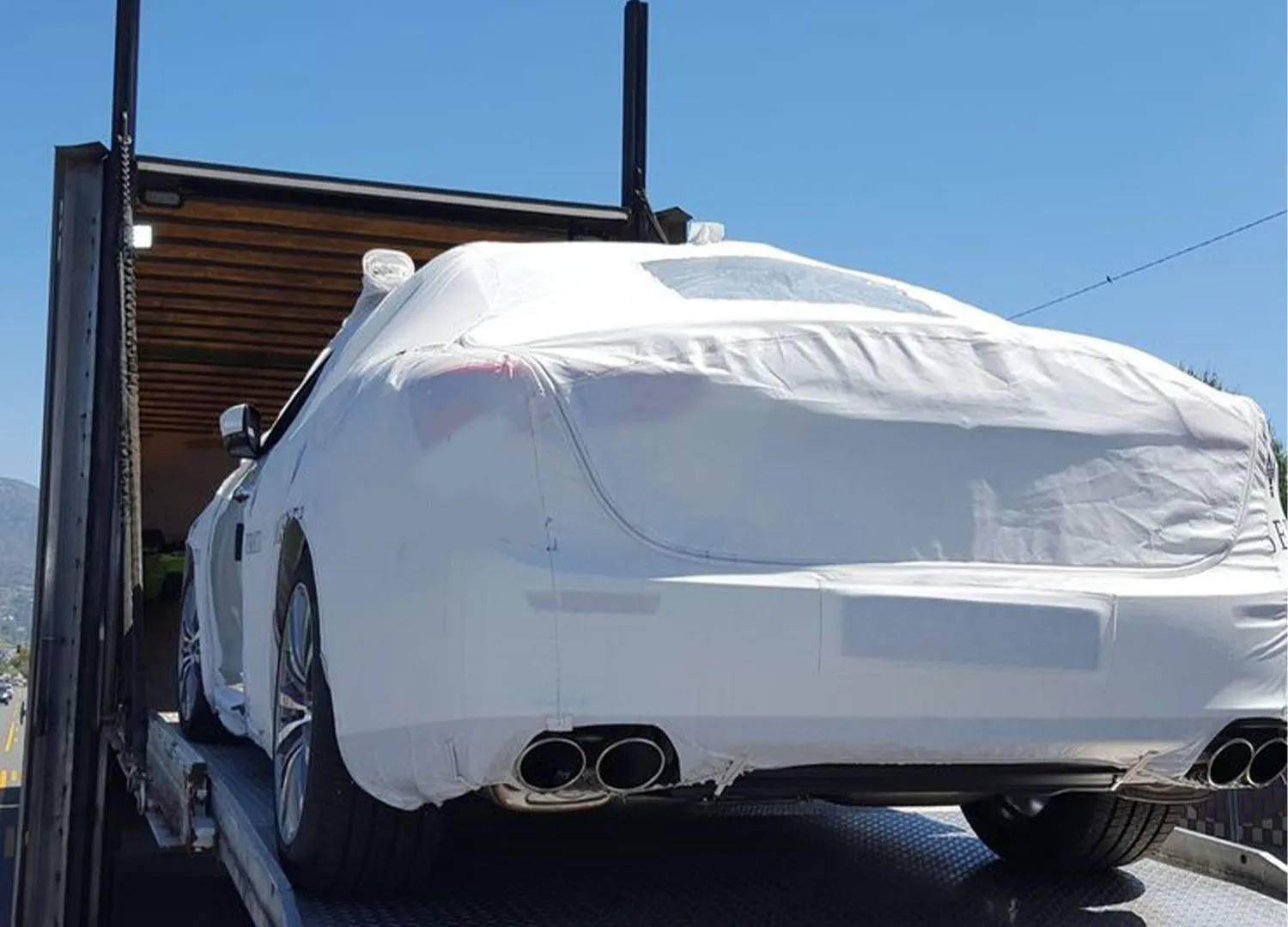
Enclosed transport uses a covered trailer that shields your vehicle from weather and road debris. It's the right choice for classic cars, exotic or luxury vehicles, or any vehicle where cosmetic condition matters beyond normal acceptable risk.
Expect to pay 40–70% more for enclosed over open on this route. In practice, that usually works out to roughly a $400 difference on a standard sedan shipment, though it can run higher for larger vehicles or longer distances.
How Long Does It Take to Ship a Car From California to Texas?
Transit time breaks into two separate windows that people often conflate: pickup window and transit time.
- Pickup window is how long after booking until a carrier physically picks up your vehicle. For standard booking, expect 1–5 business days. Expedited pickup can reduce this to 24–48 hours, but comes at a premium, typically $150–$300 extra.
- Transit time on the California–Texas corridor is typically 3–6 days once your vehicle is loaded. The wide range exists because carriers run multi-stop routes, your vehicle may be the first loaded and last dropped, or vice versa.
Total door-to-door timeline: plan for 5–10 days from booking to delivery under normal conditions. Do not plan a hard timeline that assumes best-case scenarios, carriers can be delayed by weather, mechanical issues, or route adjustments.
What's the Difference Between Shipping From California to Texas vs. the Reverse Route?
The direction you're shipping affects price more than most shippers realize. Auto transport pricing follows carrier lane demand. If more cars are moving east at a given time, carriers fill those loads easily and may price them more competitively.
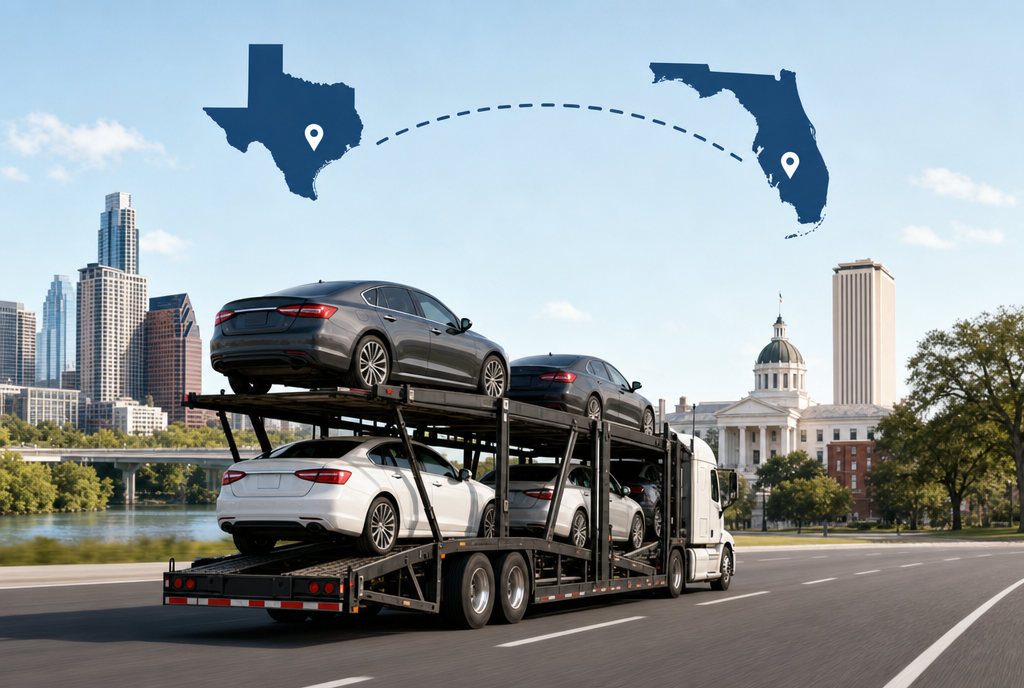
When you need to ship your car from Texas to California, you may find slightly different pricing depending on current lane supply and demand. Both directions on this corridor are well-traveled and competitively priced, but it's worth getting a current quote rather than assuming prices are symmetrical.
How Much Does It Cost to Ship a Car From Texas to California?
A realistic 2026 range for open transport from Texas to California (e.g., Austin to Los Angeles) is $800–$1,200 for a standard sedan. Enclosed transport on the same route runs $1,400–$2,000 depending on vehicle size and exact locations.
If you're asking how much to ship a car from Texas to California for a specific vehicle and ZIP code combination, the only accurate answer comes from a live quote, market rates shift with fuel prices, seasonal demand, and carrier availability, and no published number stays current for long.
Flix Auto Transport operates out of Austin with nationwide coverage, built around transparent pricing and experienced dispatch rather than promising whatever it takes to close a booking.
What Should I Do Before My Vehicle Is Picked Up?
- Document your vehicle's condition before pickup. Walk around the car and take timestamped photos of every panel, the roof, underneath the bumpers, and wheels. The trucker will also inspect and photograph the vehicle at pickup, but your own photos are good additional proof to have on hand if you ever need to file a claim.
- Know how the bill of lading (BOL) works. At pickup, you (or someone you authorize) and the trucker sign the BOL together, confirming the vehicle's condition and authorizing release to the carrier. This document is what the insurance company actually relies on if you need to file a damage claim, so don't sign it without making sure it's accurate.
- Inspect closely at delivery, before you sign. The trucker inspects again at drop-off, but this is the moment that matters most for you: check the vehicle thoroughly and note any new damage on the BOL before signing. Once it's signed, disputing damage becomes much harder.
- Remove personal belongings. Carrier insurance covers the vehicle, not personal items inside it. Most carriers allow a small amount in the trunk (under 100 lbs), but anything valuable should be removed. Do not leave garage openers, insurance cards, or registration documents in the car.
- Leave a quarter tank of fuel. Enough for drivers to move the vehicle on and off the carrier.
- Disable aftermarket alarms and confirm pickup logistics. You don't have to be present yourself though. Someone you authorize can hand over the vehicle on your behalf.
How Do I Choose a Reliable Auto Transport Company for This Route?
Verified reviews across multiple platforms. Look at Google, BBB, Trustpilot, and Transport Reviews. A company with 4.6+ across independent platforms is a meaningfully different signal than one with only self-reported testimonials.
Licensed and bonded brokers or carriers. Every legitimate auto transport broker and carrier is required to be registered with the FMCSA. You can verify any company's registration at safer.fmcsa.dot.gov.
Transparent pricing conversation. A quality company will explain what can cause your quote to change, rather than giving you a hard low price and hoping you don't ask questions. Pricing in this industry is genuinely dynamic, an honest company tells you that upfront.
Responsive dispatch and communication. Once your vehicle is in transit, you want a team that can actually tell you where your car is and what's happening. This is where dispatch quality matters more than most people expect.
When you ship your car to another state over a route this long, these factors matter more than the headline quote price.
Final Checklist Before You Book
- Get quotes from 2–3 reputable companies and compare them, not just on price, but on how the conversation goes
- Verify FMCSA registration for any company you're considering
- Ask specifically about what can change your quoted price
- Book with reasonable lead time (7–14 days for open; 14+ days for enclosed)
- Document your vehicle before pickup and confirm insurance coverage in writing
- Save dispatch contact information and know who to call during transit
The California–Texas corridor is one of the most well-served cross-country car shipping routes in the country. With the right preparation and a company that values transparency over low-ball quotes, shipping your vehicle on this route is a reliable, cost-effective alternative to a 1,300–1,700 mile drive.
Related articles
Expert advice and real experiences to make your car shipping simple and stress-free.




.jpg)







.jpg)




.jpg)



.jpg)






























.webp)