How to Prepare Your Car for Transport: A Step-by-Step Guide


How to Prepare Your Car for Transport
If you are planning to transport your car, it is important to prepare it properly to ensure that it arrives at its destination safely and in good condition. In this article, we will guide you through the steps to prepare your car for transport.
Contents
- Step 1: Choose the Right Type of Transport
- Step 2: Wash the Car
- Step 3: Document the Condition of the Car
- Step 4: Check the Battery and Tire Pressure
- Step 4: Check for Leaks
- Step 5: Remove any Loose Parts
- Step 5: Disable Your Car’s Alarm System
- Step 6: Remove Personal Items and Accessories
- Step 6: Lower Your Car’s Antenna
- Step 7: Inspect the Car
- Step 8: Choose the Right Transport Company
- Step 8: Notify Your Transport Company of Any Special Instructions
- Step 9: Prepare for Delivery
- Step 10: Receive the Car and Inspect It
- Conclusion: How to Prepare a Car for Transport
Step 1: Choose the Right Type of Transport

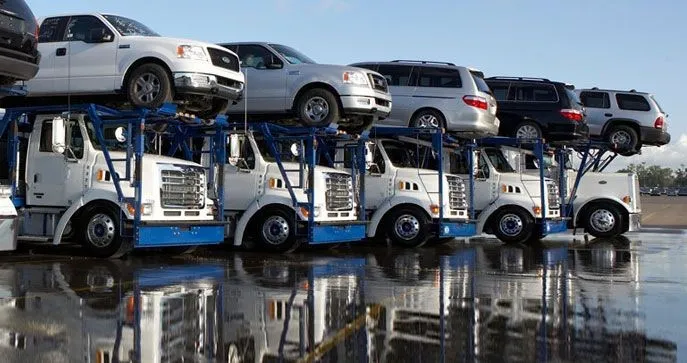
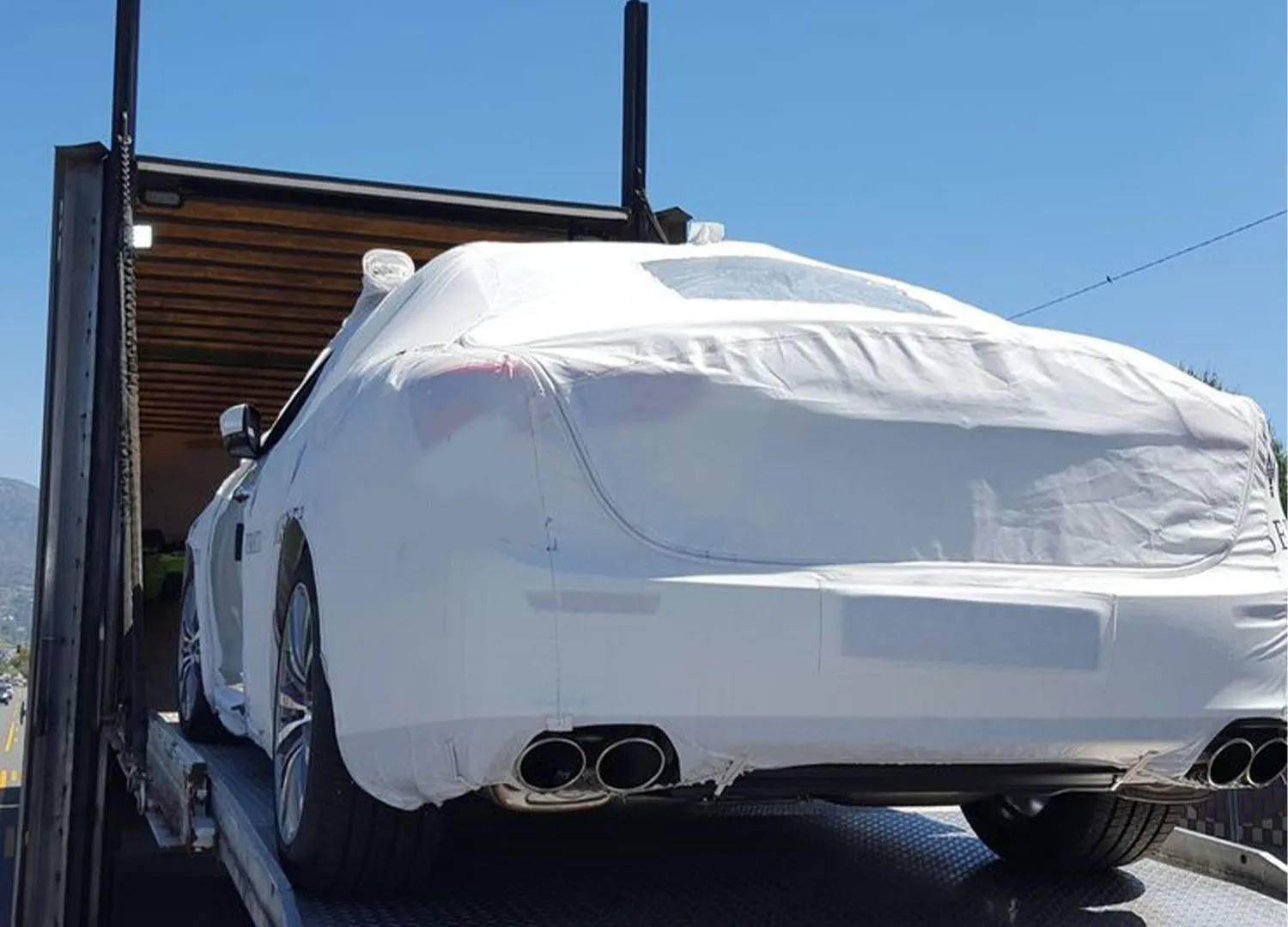
The primary thing to do is to choose the right type of transport. You can choose between open or enclosed transport. Open transport is more affordable but offers less protection from the elements. Enclosed transport is more expensive but offers better protection from the elements.
Step 2: Wash the Car

The first step in preparing your car for transport is to give it a thorough wash. This will allow you to inspect the car’s exterior for any dents, scratches, or other damage that may be present before transport. Make sure to wash the car’s undercarriage, wheels, and tires as well, as this will help protect against any dirt or debris that may be present during transport.
Step 3: Document the Condition of the Car

Documenting the condition of your car before transport is important in case any damage occurs during transport. Take clear pictures of your car from different angles, focusing on any existing scratches, dents, or other damage. This documentation will help you prove your claim if any damage occurs during transport.
Before your car is loaded onto the transport truck, take pictures of the car’s exterior from all angles. This will serve as proof of the car’s condition before transport, and it can also help you identify any damage that may occur during transport. Make sure to take clear pictures of any existing damage, including dents, scratches, and other imperfections.
Step 4: Check the Battery and Tire Pressure
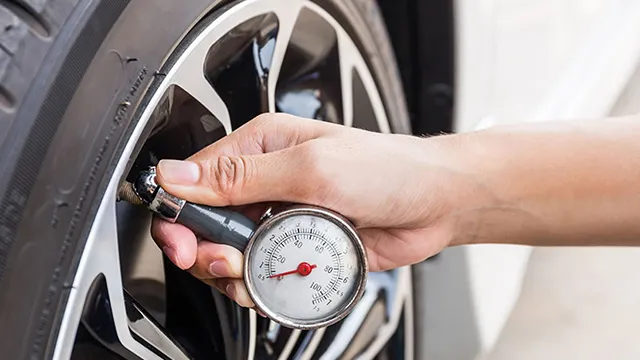
Before transport, you should check the battery and tire pressure of your car. If the battery is dead, the car will not be able to start when it arrives at its destination. You should also ensure that the tires are properly inflated to prevent any damage during transport.
Step 4: Check for Leaks
Before your car is loaded onto the transport truck, check for any leaks. Make sure that all fluids, such as oil and transmission fluid, are at the proper level, and check for any leaks under the car. If there are any leaks, have them repaired before transport, as they can cause damage to other vehicles on the transport truck.
Step 5: Remove any Loose Parts
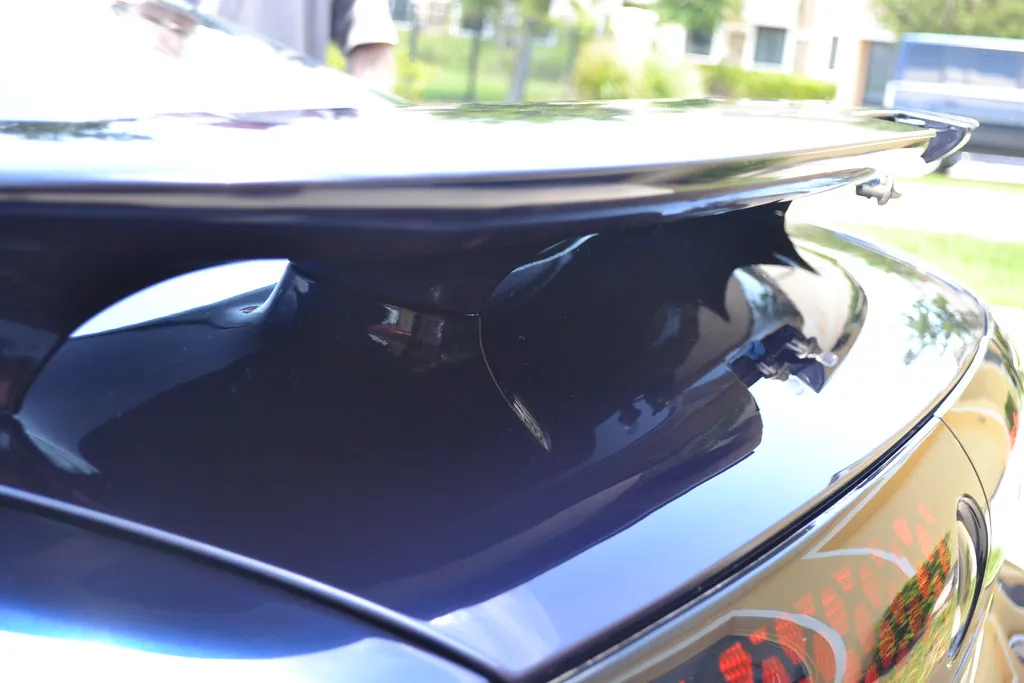
Before transport, you should remove any loose parts from your car, such as spoilers, antennas, or side mirrors. These parts can easily get damaged during transport and can also damage other vehicles being transported.
Step 5: Disable Your Car’s Alarm System
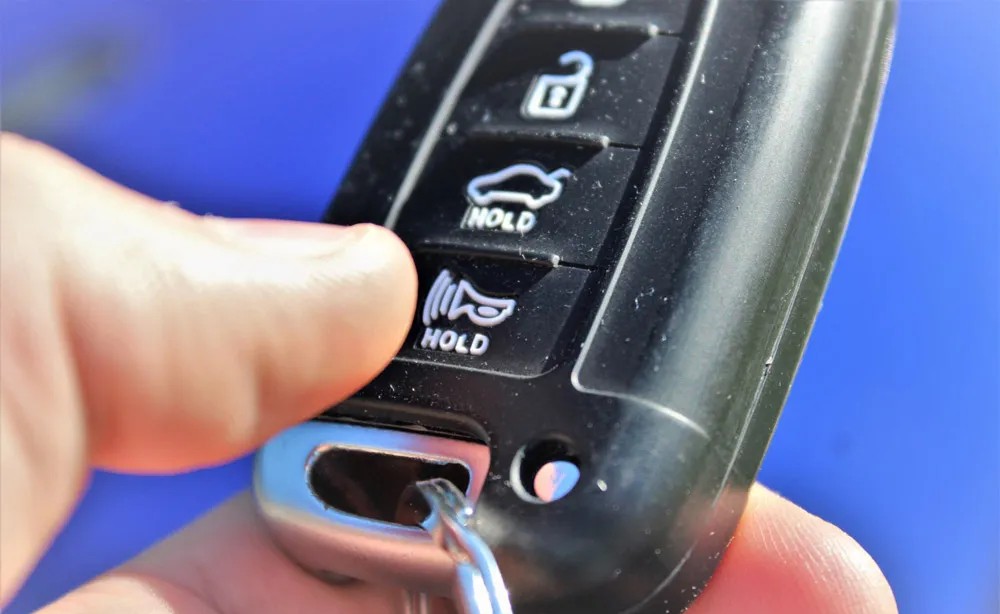
If your car has an alarm system, be sure to disable it before transport. Transport companies are not responsible for any damage caused by alarm systems, and they can also cause unnecessary noise during transport.
Step 6: Remove Personal Items and Accessories

The second step is to remove any personal belongings from the car. This includes items such as GPS devices, toll tags, garage door openers, and anything else that is not permanently attached to the vehicle. Transport companies are not responsible for any personal items left in the car, and they can also add weight to the car, which can increase the cost of transport.
Step 6: Lower Your Car’s Antenna
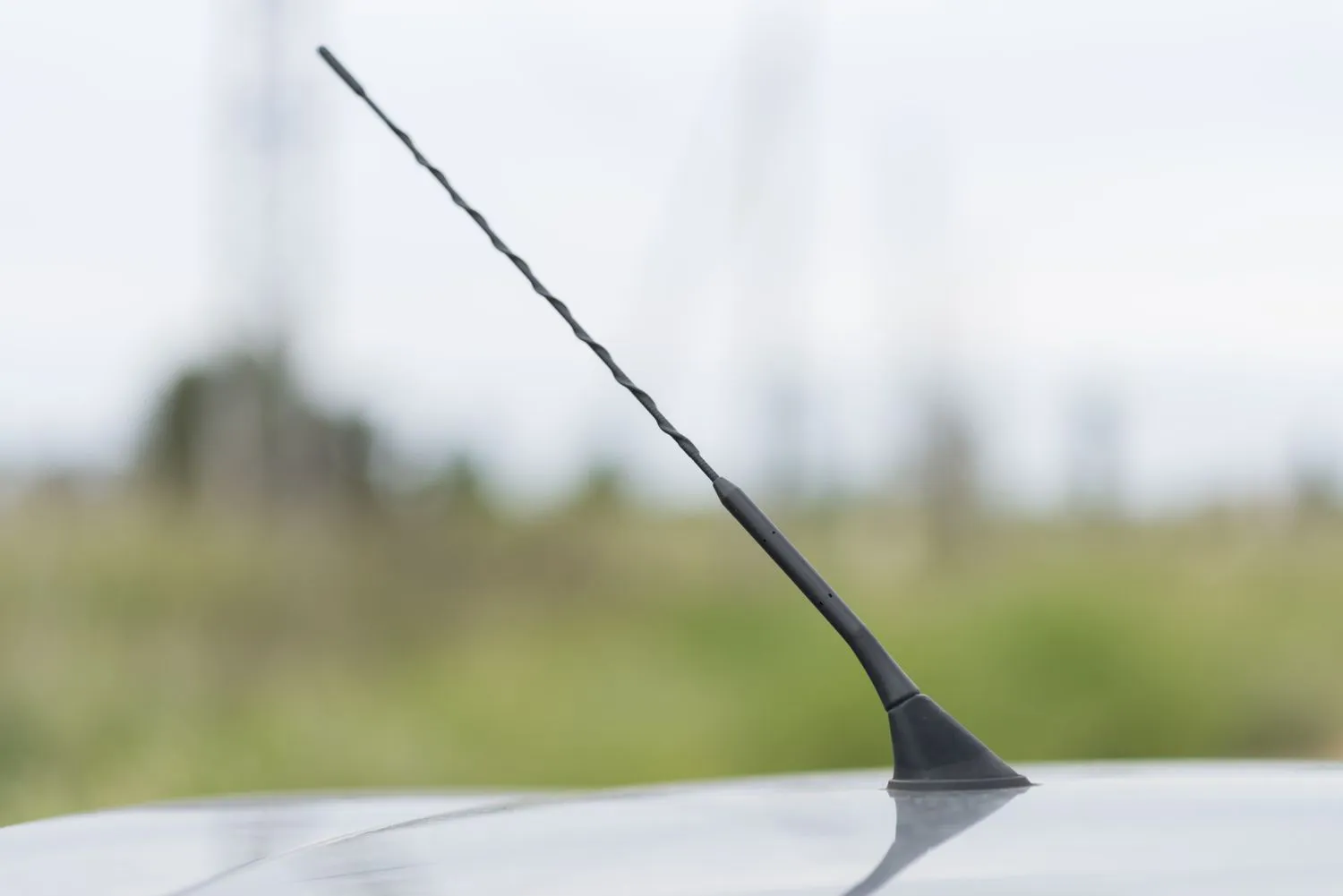
If your car has a retractable antenna, be sure to lower it before transport. This will help prevent any damage that may occur during transport, as antennas can be easily broken or bent during transport.
Step 7: Inspect the Car
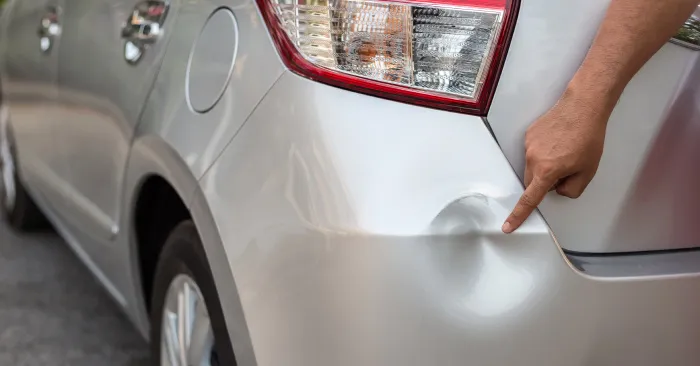
Before handing over your car to the transport company, you should thoroughly inspect it. Check for any scratches, dents, or other damage. Take pictures of any existing damage and make sure that the driver acknowledges it in writing.
Step 8: Choose the Right Transport Company
Choosing the right transport company is important to ensure that your car arrives at its destination safely and on time. Research the company and check reviews and ratings online. Get quotes from multiple transport companies to compare prices and services. Make sure the company has adequate insurance coverage for your car.
Flix Auto transport is an experienced car shipper that can help you have a hassle-free car transport experience. Click on the button to get a free car transport quote!
Step 9: Notify Your Transport Company of Any Special Instructions

Finally, be sure to notify your transport company of any special instructions. This includes things like the car’s weight and dimensions, as well as any special handling instructions that may be necessary. You should also provide the transport company with a copy of the car’s registration and insurance documents.
Step 10: Prepare for Delivery
Before your car is delivered, make sure that someone is available to receive it at the destination. Check with the transport company about any specific requirements for delivery, such as a loading dock or a specific time frame for delivery.
Step 11: Receive the Car and Inspect It
When your car arrives at its destination, inspect it thoroughly. Check for any damage that may have occurred during transport. If there is any damage, document it with photos and notify the transport company as soon as possible.
Conclusion: How to Prepare a Car for Transport
Preparing your car for transport can seem like a daunting task, but it doesn’t have to be. By following these simple steps on how to prepare a car for transport, you can ensure that your car is ready for transport and that it arrives at its destination in the same condition as when it was loaded onto the transport truck. Remember to wash your car, remove personal belongings, take pictures, check for leaks, disable your car’s alarm system, lower the antenna, and notify your transport company of any special instructions. With these steps, you can rest assured that your car is ready for transport and that it will arrive at its destination safely and on time.
Related articles
Expert advice and real experiences to make your car shipping simple and stress-free.







.jpg)








.jpg)




.jpg)



.jpg)


































.webp)