Essential Tips for Selecting an Open Carrier Vehicle Transport Service


Selecting the right open carrier vehicle transport service can be a crucial decision when you need to move your car across long distances. Flix Auto Transport offers various transport options to suit your needs, including open carrier services that balance cost-effectiveness with reliable vehicle shipping. Before you contact us to learn more about Flix Auto Transport and our custom solutions, it’s essential to understand the key factors that influence your choice of carrier. In this article, we’ll explore the essential tips for choosing an open carrier service, from understanding costs to navigating customs requirements for international shipments.
Understanding Open Carrier Vehicle Transport Services
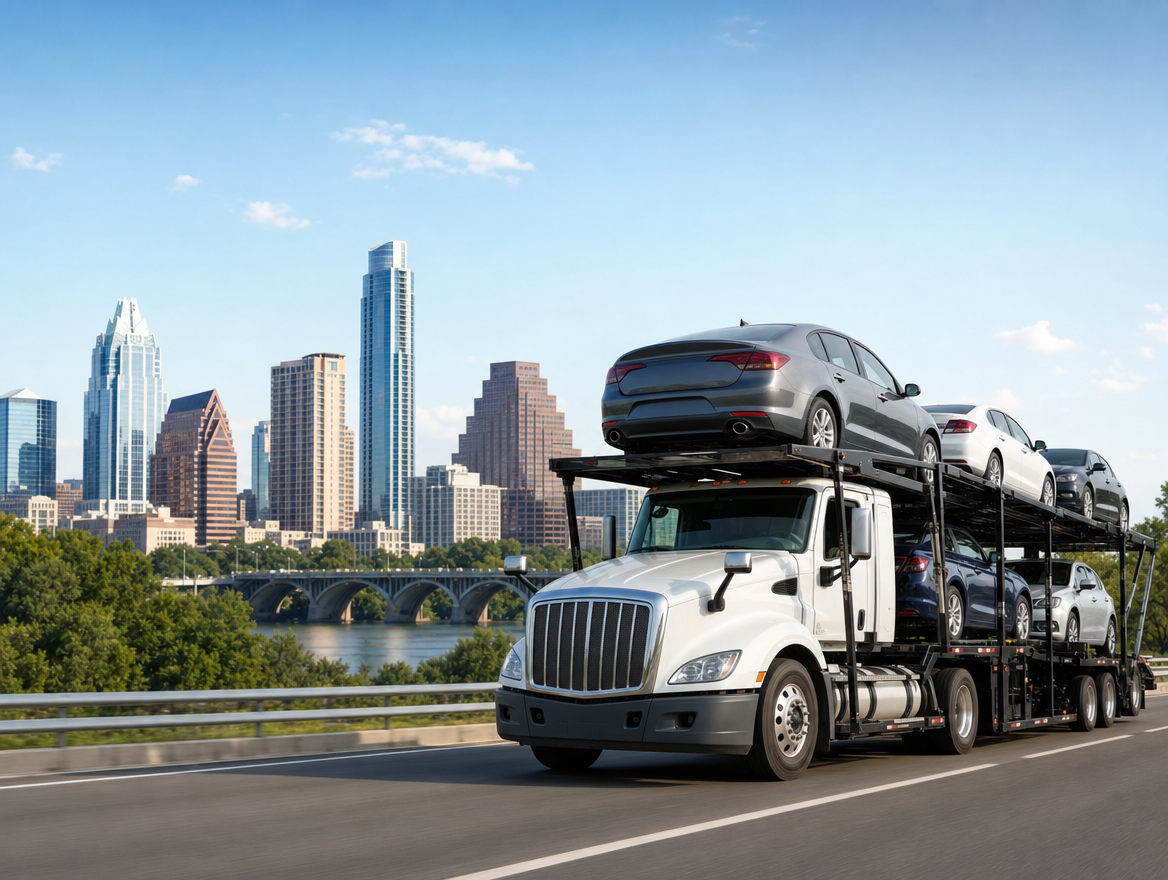
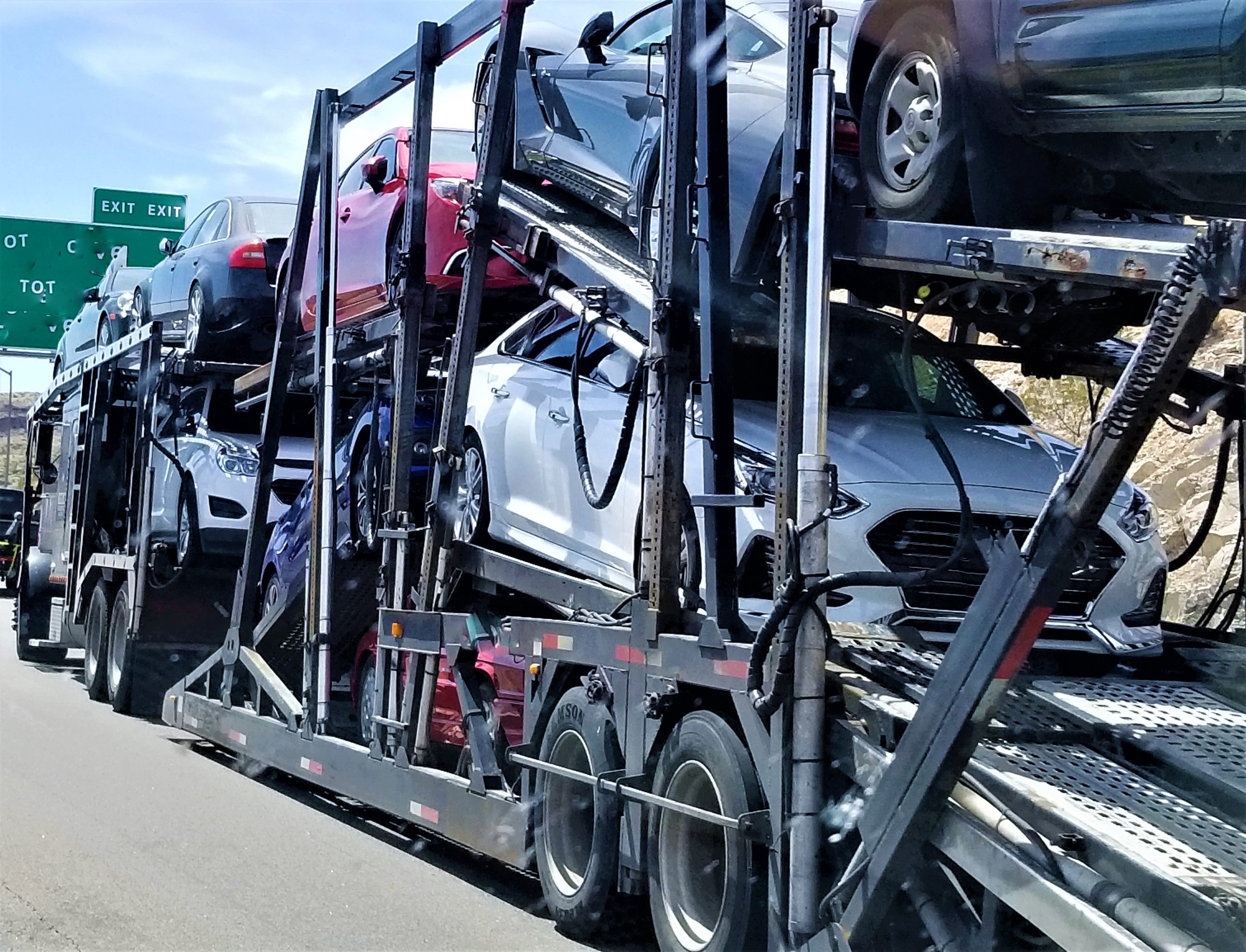
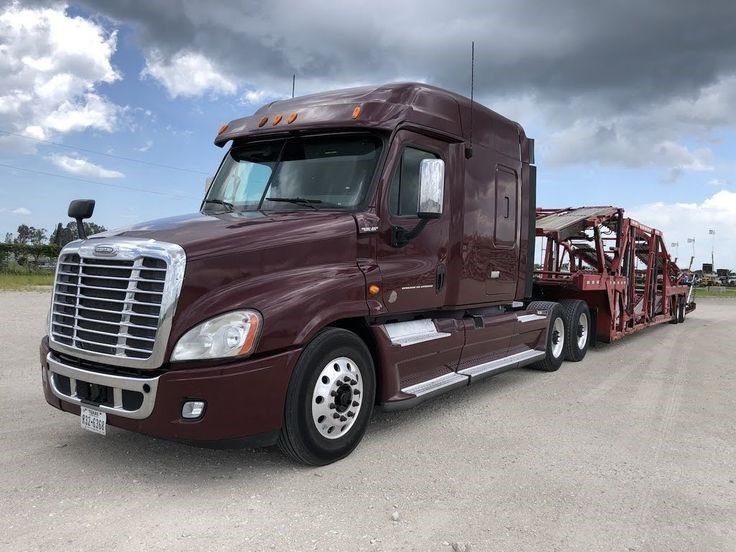
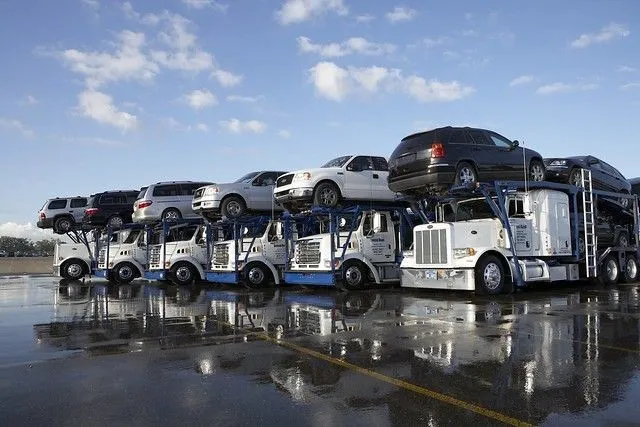
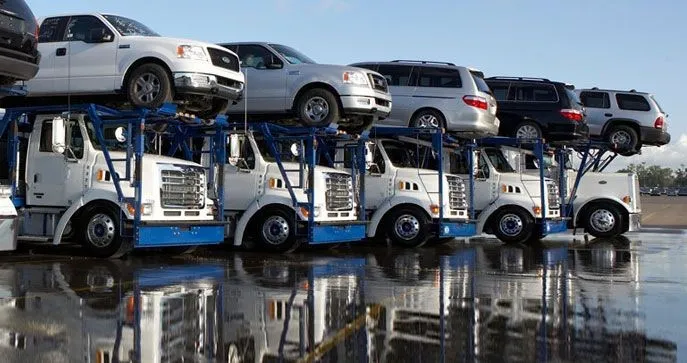
Open carrier vehicle transport offers a cost-effective solution for shipping your car across long distances. This method utilizes large, open-air trucks capable of carrying multiple vehicles simultaneously. While it exposes your vehicle to the elements during transit, open carrier transport remains the most popular choice due to its affordability and wide availability. Understanding the differences between transport options open and enclosed transport, as well as the typical uses for open carriers, can help you make an informed decision when selecting a vehicle shipping service. Consider factors such as price, insurance coverage, and your vehicle’s value to determine if open carrier transport is the right option for your needs. contact us about Flix Auto Transport.
Defining Open Carrier Transport
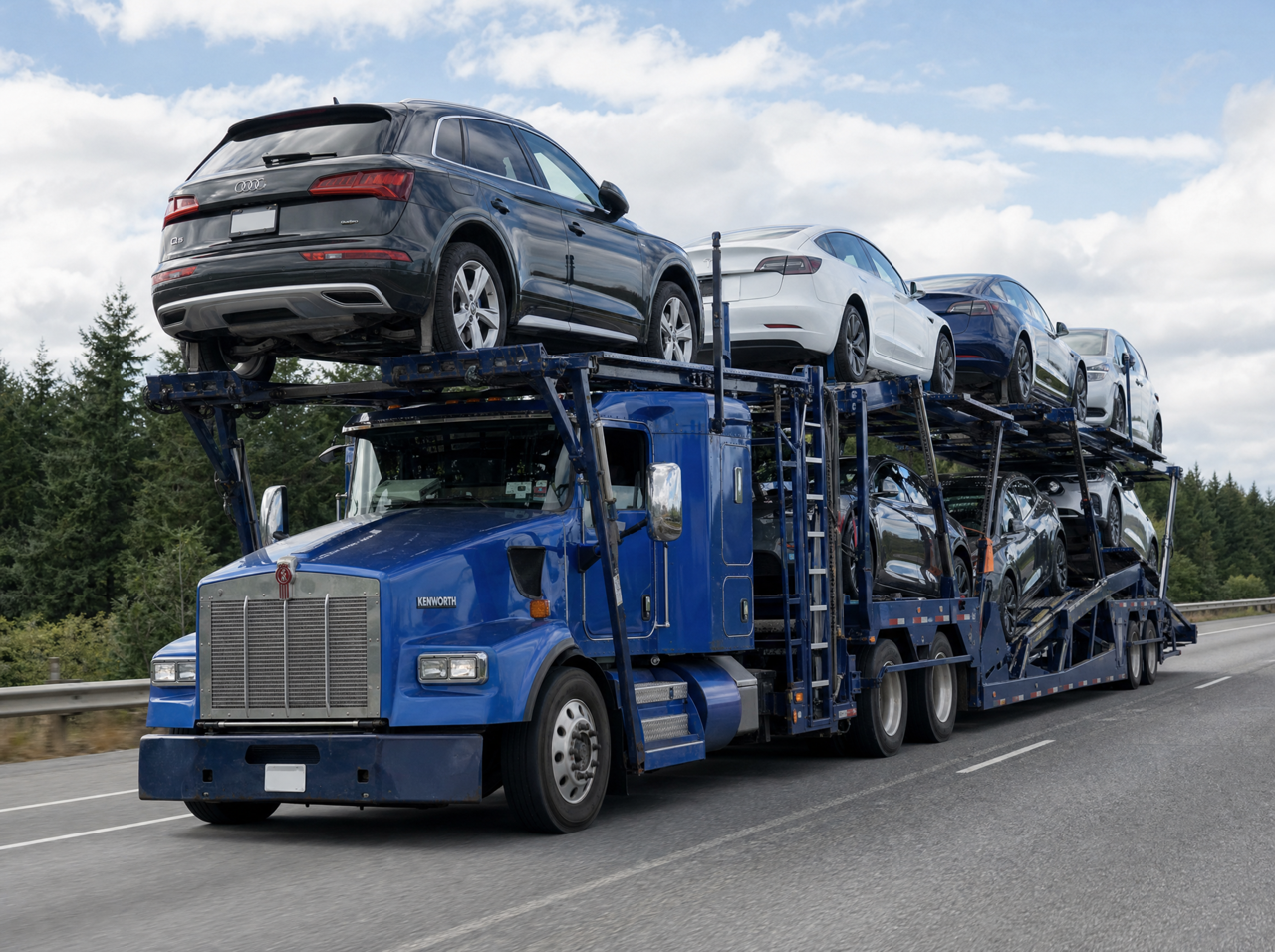
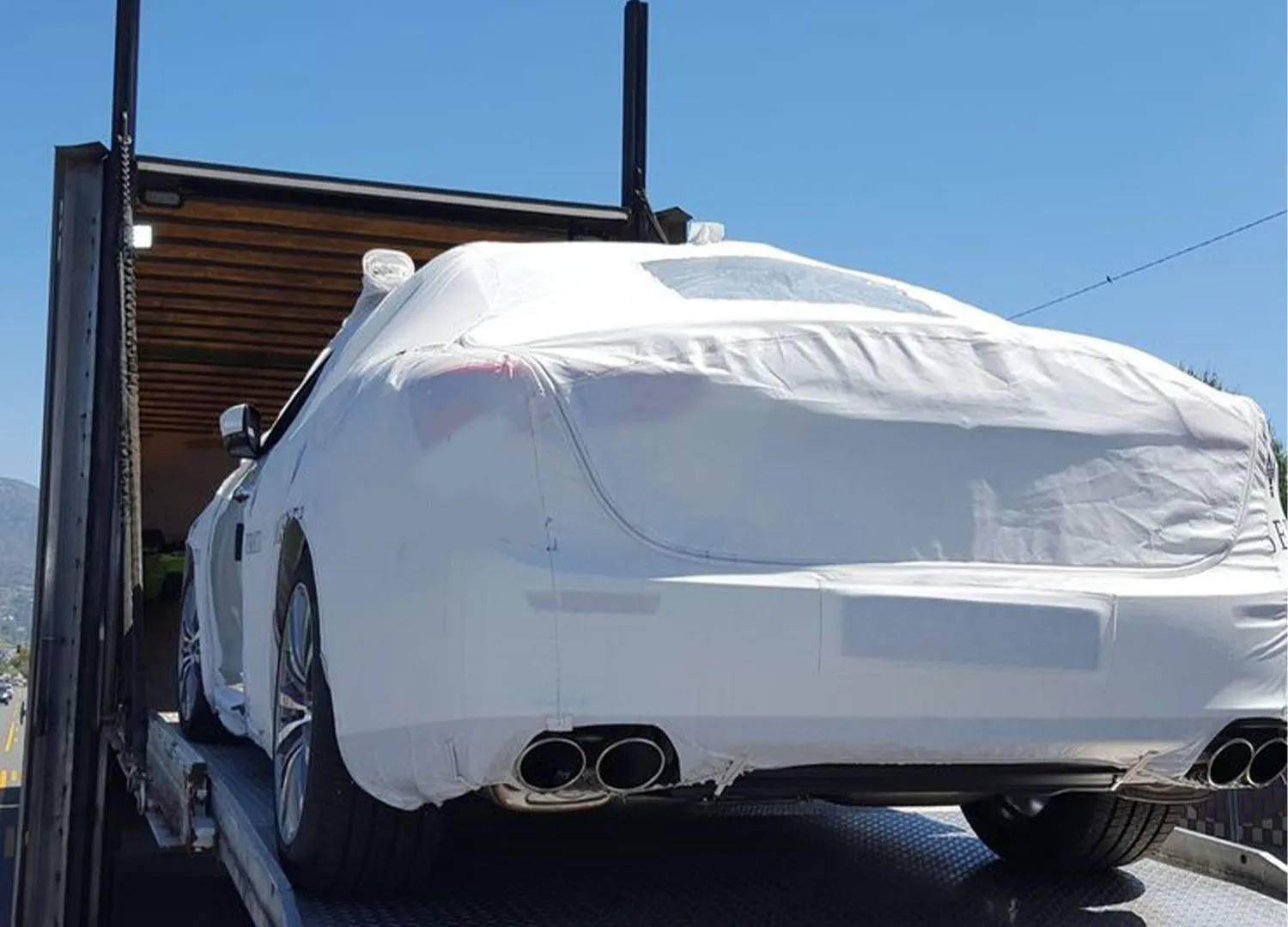
Open carrier transport involves shipping vehicles on an uncovered truck or trailer, exposing them to the elements during transit. This method can accommodate various vehicle types, from standard cars to pickup trucks and motorcycles, making it a versatile option for transporting cargo. While open carriers provide less protection than enclosed transport, they typically come with liability insurance to cover potential damages during shipping.
How Open Carrier Transport Differs From Enclosed Transport
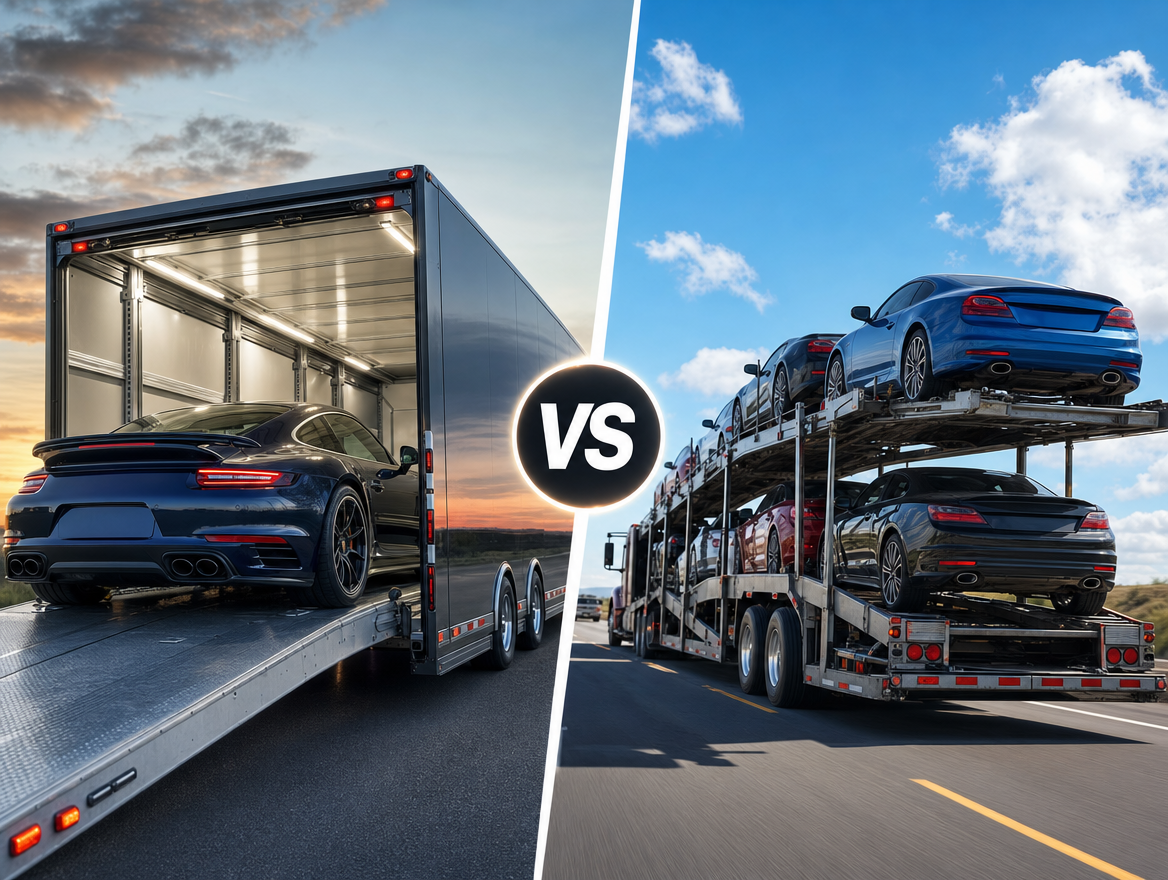
Open carrier transport exposes vehicles to external elements, while enclosed transport provides full protection. You’ll find open carriers are more affordable and widely available, especially for routes to and from Connecticut. Enclosed transport offers higher insurance coverage limits and is often preferred for luxury or classic vehicles. Before booking, review the carrier’s insurance policy, vehicle insurance requirements, and bill of lading details. Ask about customer service availability during transit to address any concerns that may arise.
Common Uses for Open Carrier Vehicle Transport
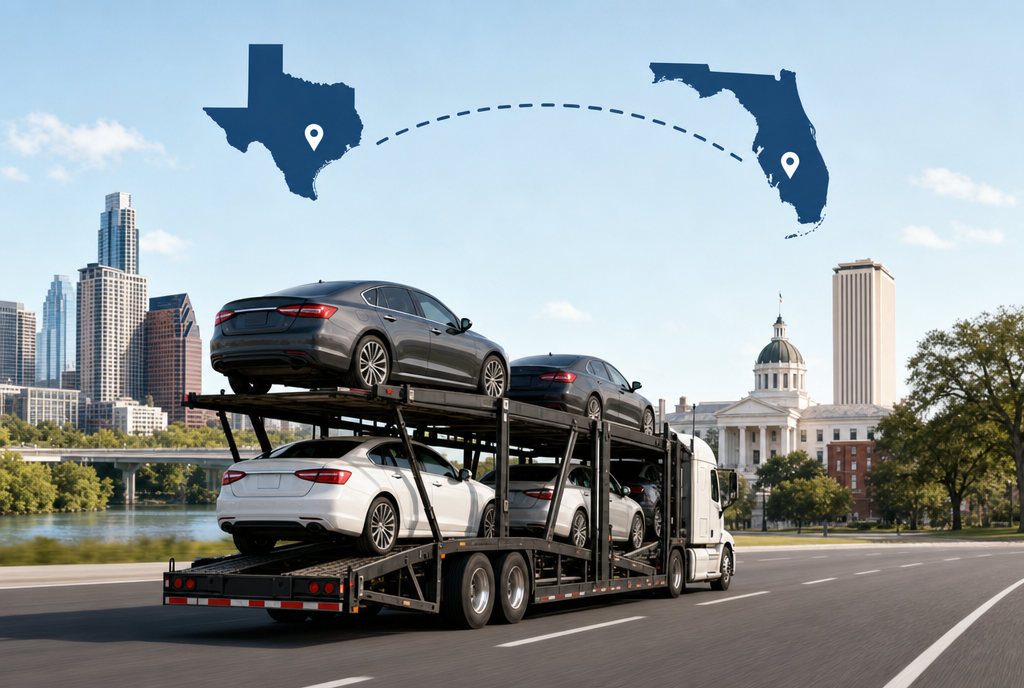
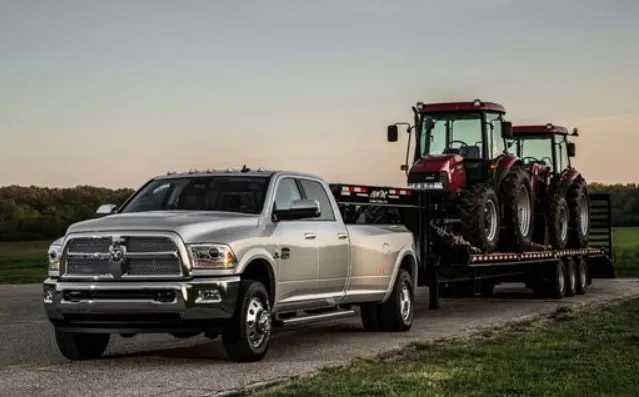
Open carrier vehicle transport serves various purposes, from relocating your daily driver across states to delivering newly purchased cars. You might use this service when moving from North Carolina to California, or when shipping a classic car to a show. Open carriers frequently traverse major roads and highways, making them an efficient choice for long-distance transport.
- Relocating personal vehicles during moves
- Transporting newly purchased cars from dealerships
- Shipping vehicles to and from auto auctions
- Delivering fleet vehicles for businesses
- Moving seasonal vehicles between residences
Key Factors to Consider When Choosing an Open Carrier Service
When selecting an open carrier vehicle transport service, you must weigh several crucial factors to ensure a smooth shipping experience for your car or SUV. Assess the transport company’s reputation by checking reviews and their Better Business Bureau rating. Verify their licensing and insurance to protect your vehicle during transit. Understand their pricing models, which may vary based on distance, vehicle size, and seasonal demand. Evaluate delivery timelines, considering factors like route complexity and potential delays. Don’t hesitate to review the company’s FAQ section or contact their customer service team with any questions. Many reputable carriers offer convenient payment options, including credit card transactions. By carefully considering these aspects, you’ll be better equipped to choose a reliable open carrier service that aligns with your needs and budget.
Assessing Transport Company Reputation
Research the company’s reputation before entrusting them with your vehicle and money. Check reviews on trusted platforms and verify their standing with the Federal Motor Carrier Safety Administration. Look for carriers with positive feedback from customers in various states, such as Texas and New Jersey. A reputable company will have a track record of reliable service and transparent communication.
- Read customer reviews and ratings
- Verify FMCSA registration and safety record
- Check for Better Business Bureau accreditation
- Ask for references from past customers
- Investigate the company’s history and experience
Verifying Licensing and Insurance
Before entrusting your vehicle to an open carrier transport service, verify their licensing and insurance credentials. Check that the company holds a valid USDOT number and is properly insured to transport vehicles of various weights, including luxury cars. Review their insurance policy details, including coverage limits and any additional fees for high-value vehicles. Maintain clear communication with the carrier throughout the process, especially if you’re shipping to or from states like Washington, to ensure all necessary documentation is in order.
Understanding Pricing Models
You’ll encounter various pricing models when selecting an open carrier vehicle transport service. Factors influencing costs include distance (per mile rates), vehicle size, and destination accessibility, with remote locations like Hawaii or Alaska typically incurring higher fees. Consider the logistics involved, such as multi-car discounts for shipping multiple vehicles or potential surcharges for oversized vehicles when transporting to mountainous regions like Colorado.
Evaluating Delivery Timelines
Check the estimated delivery times provided by the open carrier service and factor in potential delays due to weather, traffic, or truck driver availability. Ask about their tracking system and communication methods to stay informed about your vehicle’s progress, especially if you’re shipping to states like Virginia or Illinois. Consider scheduling an inspection upon delivery and confirm the accepted payment methods to ensure a smooth transaction.
How to Get the Best Quote for Open Carrier Vehicle Transport
To secure the best quote for open carrier vehicle transport, you need to approach the process systematically. Whether you’re shipping a tank from Massachusetts to Oklahoma or a boat from Pennsylvania, thorough preparation is key. Start by gathering all relevant details about your vehicle, including its make, model, and any modifications. Then, reach out to multiple carriers for quotes, ensuring you compare apples to apples. Be vigilant about identifying hidden charges that could inflate your final cost. By following these steps, you’ll be well-equipped to find the most competitive and transparent pricing for your vehicle transport needs.
Preparing Your Vehicle’s Details
Gather accurate information about your vehicle to obtain precise quotes from open carrier transport services. Include the make, model, year, and any modifications that affect its dimensions or weight. Specify your pickup and drop-off locations, whether it’s from Michigan to Arizona or West Virginia to New Mexico, as distance significantly impacts pricing. Don’t forget to mention if your vehicle has any special requirements, such as low ground clearance or oversized tires, which may affect transport to places like South Dakota.
Comparing Multiple Quotes
Obtain quotes from multiple open carrier transport services to compare prices and services effectively. Ensure each quote includes details like pickup and delivery timeframes, insurance coverage, and any additional fees for transporting vehicles with special features like roof racks or modified brakes. Request quotes for various routes, such as from New Hampshire to Georgia or Ohio to other states, to gauge pricing differences. Compare the quotes side by side, noting any discrepancies in services offered or pricing structures:
- Evaluate base rates and additional fees
- Compare insurance coverage limits
- Check for differences in estimated delivery times
- Note any special accommodations for vehicle modifications
- Consider customer service quality and responsiveness
Identifying Hidden Charges
Scrutinize quotes for hidden charges that could inflate your final cost when transporting vehicles between states like Iowa and Tennessee. Ask about potential fees for fuel surcharges, rural delivery, or expedited shipping, and confirm if the quoted price includes insurance coverage. Verify the company’s reputation and customer experience by checking reviews from car dealerships and individual customers to ensure transparent pricing practices.
Preparing Your Vehicle for Open Carrier Transport
Before your vehicle embarks on its journey from Kansas to North Dakota or any other state, proper preparation is crucial for a smooth transport experience. Conducting essential pre-transport maintenance ensures your car is ready for the trip, while documenting its condition safeguards against potential disputes. Securing loose items prevents damage during transit and helps maintain the speed of delivery. By following these steps and considering feedback from previous customers in states like Missouri, you’ll set the stage for a successful open carrier transport.
Essential Pre-Transport Maintenance
Before handing your vehicle over to an expert vehicle shipping service, perform essential pre-transport maintenance. Check fluid levels, tire pressure, and battery charge to ensure your car is ready for the journey from Kentucky to Vermont or any other state. Address any existing mechanical issues and remove custom accessories that might interfere with transport. If you’re part of a fleet management program, coordinate with your team to standardize preparation across all vehicles:
- Inspect and top up all fluids
- Check tire pressure and condition
- Test battery charge and connections
- Secure or remove loose parts
- Clean the exterior for accurate condition assessment
Documenting Vehicle Condition
Document your vehicle’s condition thoroughly before handing it over for open carrier transport. Take clear photos from multiple angles, noting any existing damage or imperfections. This documentation serves as a safeguard in case of disputes and helps you compare your vehicle’s condition upon delivery, especially if you’ve opted for enclosed vehicle transport or enclosed car shipping as a preferred method. Remember to request a free quote from car shipping services to compare costs between open and enclosed options.
Securing Loose Items
When preparing your vehicle for open carrier transport, remove or secure all loose items inside the car. This step is crucial for preventing damage during transit and ensuring a smooth shipping process. Contact your car shipping company for specific guidelines on what items can remain in the vehicle during transport. Remember to obtain multiple car transport quotes from different shipping providers, such as Flix Auto Transport, to compare prices and services before moving your vehicle.
Pros and Cons of Choosing Open Carrier Transport
When choosing a car shipping service, open carrier transport presents a compelling option for many vehicle owners. This method offers a balance of affordability and accessibility that auto shipping companies often highlight. Before requesting a car transport quote from providers like Sherpa, it’s crucial to weigh the advantages and potential drawbacks of open carrier shipping. Whether you’re relocating to South Carolina or shipping a vehicle across the country, understanding these pros and cons will help you make an informed decision that aligns with your needs and budget.
Benefits of Open Carrier Transport
Open carrier transport offers significant cost savings compared to enclosed options, making it an attractive choice for budget-conscious shippers moving vehicles between states like Minnesota and New Jersey. You’ll benefit from faster pickup and delivery times due to the higher availability of open carriers, which can help reduce fuel costs for long-distance transport. Additionally, open carriers often accept cash payments, providing flexibility for those moving to remote areas like Wyoming.
Potential Drawbacks to Consider
Open carrier transport exposes your vehicle to weather conditions and road debris during transit, which may concern owners of high-value or classic cars. You might face longer delivery times when shipping to less-traveled routes, such as from Rhode Island to Utah. While companies like uShip offer competitive rates, insurance coverage limits for open transport are typically lower than enclosed options. Consider potential risks when transporting vehicles to areas with extreme weather, like Indiana or Delaware, where road salt or sandstorms could impact your car’s exterior:
- Exposure to weather and road debris
- Potential for minor scratches or dings
- Limited protection for luxury or classic vehicles
- Longer delivery times for less common routes
- Lower insurance coverage limits compared to enclosed transport
Safety Measures in Open Carrier Vehicle Transport
When entrusting your vehicle to an open carrier transport service, safety should be your top priority. As demand for vehicle shipping increases across states like Louisiana, Montana, Maryland, and Nevada, it’s crucial to understand the safety measures implemented by transport companies and learn how to ensure your vehicle’s protection during transit. From securing vehicles on the carrier to implementing stringent driver training programs, reputable companies employ various strategies to safeguard your car. Additionally, you can take proactive steps to enhance your vehicle’s safety during transport, regardless of your shipping destination.
How Transport Companies Ensure Safety
Transport companies implement rigorous safety protocols to protect your vehicle during open carrier transport. You’ll find that reputable carriers use specialized equipment to secure cars, preventing movement during transit from Mississippi to Nebraska or Arkansas to Idaho. These companies also employ experienced drivers who undergo regular training to handle various road conditions and vehicle types, ensuring your car arrives safely at its destination.
Tips for Ensuring Your Vehicle’s Safety
To ensure your vehicle’s safety during open carrier transport, start by removing all personal items and valuable accessories from your car. Verify that your chosen transport company is licensed and insured to operate in states like Oregon and Alabama. Provide accurate information about your vehicle’s condition and any special handling requirements when requesting quotes or scheduling transport. Consider your budget and the level of protection needed, especially if shipping a high-value vehicle from an auction. Always double-check the pickup and delivery zip codes to avoid any routing errors that could compromise your vehicle’s safety during transit.
Understanding Insurance Coverage in Vehicle Transport
When shipping your vehicle via open carrier transport, understanding insurance coverage is crucial. Whether you’re moving a minivan from Wisconsin or towing a car through snow-covered states, knowing the types of coverage available and what questions to ask your transport provider can save you from potential headaches. As you explore transport company websites, pay close attention to their insurance offerings. This knowledge will help you make an informed decision and ensure your vehicle is adequately protected throughout its journey.
Types of Coverage for Open Carrier Transport
Open carrier transport typically offers basic liability coverage for damage caused by road debris or accidents during transit. You should review the policy details carefully, as coverage may exclude certain parts like the engine or undercarriage. For enhanced safety and peace of mind, consider purchasing additional insurance that provides comprehensive protection. Some transport companies use advanced analytics to assess risk and offer tailored coverage options based on your vehicle’s value and the shipping route.
Questions to Ask Your Transport Provider About Insurance
When discussing insurance with your transport provider, inquire about coverage limits for damages to your vehicle’s construction, including the tire and body. Ask about their claims process and how they handle accessibility issues during pickup or delivery. Request detailed information on what types of damages are covered and any exclusions in their policy. Ensure you understand the documentation required for filing a claim and the timeline for resolution.
The Importance of Tracking and Communication
Selecting an open carrier vehicle transport service involves more than just finding the best price. You need to consider how you’ll track your vehicle’s progress, whether it’s a van or a golf cart, and maintain clear communication with your provider. Modern tracking options offer real-time updates on your vehicle’s location, helping you plan for its arrival and stay informed about potential delays due to weather or debris. Effective communication ensures you’re aware of any issues that may arise during transport, regardless of the vehicle’s length. By prioritizing tracking and communication, you’ll gain peace of mind and be better equipped to handle any unexpected situations, as reflected in many positive Trustpilot reviews for top-rated transport companies.
Tracking Options Available
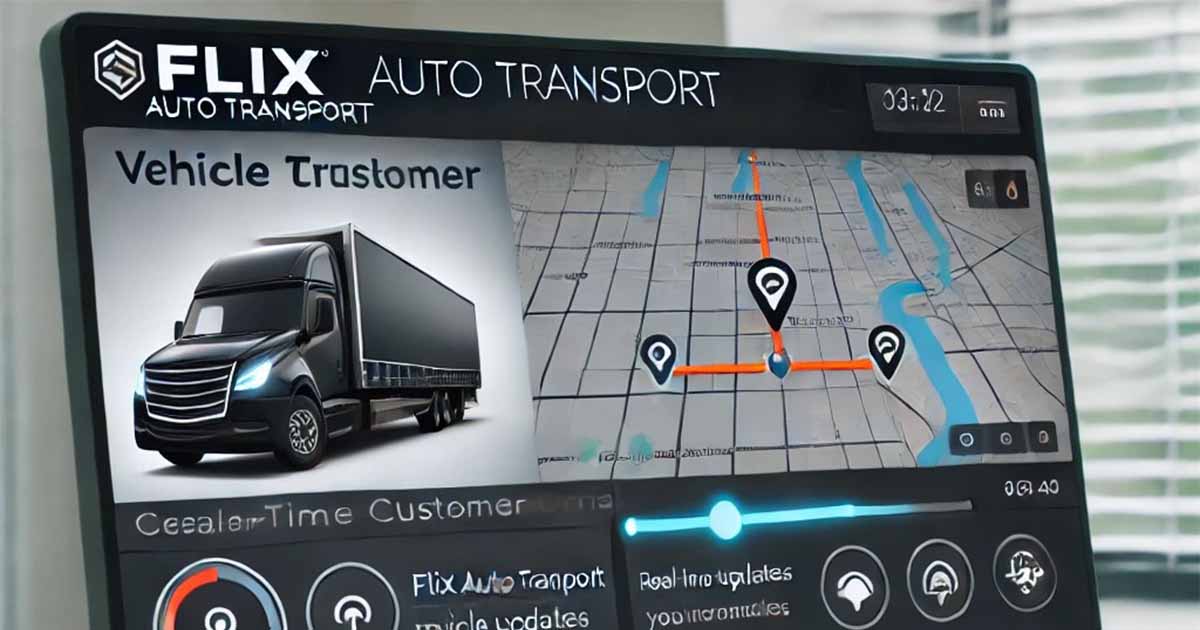
You’ll find various tracking options available when using open carrier vehicle transport services. These range from basic GPS tracking to more advanced systems that provide real-time updates on your vehicle’s location, whether it’s a pride scooter or a car with a winch in the trunk. Some companies even offer mobile apps that allow you to track your vehicle’s journey from the United States to Mexico, giving you peace of mind throughout the transport process.
- GPS tracking for real-time location updates
- Mobile apps for convenient tracking on-the-go
- Email or text notifications for important milestones
- Customer portals for accessing detailed shipment information
- Direct communication channels with drivers or dispatch teams
Communicating Effectively With Your Service Provider
Maintain open lines of communication with your service provider to ensure a smooth transport experience for your jeep or any other vehicle. Promptly respond to their inquiries and provide accurate information about your car’s condition to minimize risk during transit. Regular communication contributes to higher customer satisfaction rates, as noted in Forbes articles on top-rated car carrier trailer services. Keep your provider informed of any changes in your schedule or requirements to facilitate a seamless pickup and delivery process.
Real Customer Experiences With Open Carrier Transport
Real customer experiences offer invaluable insights when selecting an open carrier vehicle transport service. By examining both positive and negative feedback, you can gain a comprehensive understanding of what to expect from auto shipping companies. Customers often share details about their delivery experiences, including timeliness, communication, and vehicle condition upon arrival. These firsthand accounts can help you navigate the auto transport process more effectively, highlighting potential pitfalls to avoid and best practices to follow. Pay close attention to reviews mentioning warranty coverage and how car shipping companies handle unexpected issues, as these factors can significantly impact your overall satisfaction with the service.
Positive Experiences Shared by Customers
Customers frequently praise open carrier transport services for their efficiency and affordability when shipping sedans across long distances. You’ll find many positive reviews highlighting drivers’ knowledge and professionalism, especially when transporting vehicles to and from Canada. Some customers appreciate the flexibility of using flatbed trucks for non-standard vehicles, while others commend carriers for their transparent policies regarding insurance deductibles.
Lessons Learned From Less Favorable Experiences
Learn from less favorable experiences to enhance your open carrier transport selection process. Review complaints about delays in shipping to Puerto Rico or issues with vehicle condition upon arrival in San Diego. Pay attention to concerns regarding the carrier’s asset management and tracking methodology. Ensure you receive a detailed receipt and thoroughly document your vehicle’s condition before and after transport. Consider these lessons when choosing a service:
- Verify the carrier’s experience with your specific route
- Ask about contingency plans for unexpected delays
- Confirm the company’s policy on reimbursement for damages
- Check if they offer real-time tracking for all shipments
- Inquire about their process for handling customs in international transport
Finalizing Your Open Carrier Vehicle Transport Service Choice
As you approach the final stages of selecting an open carrier vehicle transport service, careful consideration of key factors is essential. Whether you’re a snowbird relocating from New Hampshire to Maine or shipping a vehicle to Los Angeles, thorough preparation ensures a smooth experience. By following a comprehensive checklist and confirming crucial details with your chosen auto transport broker, you’ll set the stage for a successful vehicle shipment. This final step in the process allows you to address any lingering concerns and solidify your transport arrangements, providing peace of mind as you entrust your vehicle to a professional carrier.
Checklist Before Finalizing the Service
Before finalizing your open carrier vehicle transport service, create a comprehensive checklist to ensure all aspects of the shipment are covered. Confirm the carrier’s experience with transporting various vehicle types, from compact cars to heavy equipment, and verify their ability to handle specialized shipments like vintage Mercury models. Double-check the pickup and delivery locations, whether it’s from New York City to Miami or across state lines, and review the company’s policies for transporting vehicles to areas with limited space for loading and unloading.
Confirming Details and Scheduling Pickup
When confirming details and scheduling pickup for your open carrier vehicle transport, communicate clearly with your chosen provider about your specific needs to ship your car to another state. Verify the pickup date, time, and location, ensuring accessibility for the carrier if you need to transport your car to another state or are shipping your car across country. Confirm the estimated delivery timeframe and any special instructions for drop-off, especially if you’re using an auto transport service near you for convenience.
Conclusion
Selecting the right open carrier vehicle transport service requires careful consideration of factors such as reputation, pricing, and safety measures. By understanding the pros and cons of open transport, comparing multiple quotes, and preparing your vehicle properly, you can ensure a smooth shipping experience. Effective communication and tracking options play a crucial role in maintaining peace of mind throughout the transport process. Ultimately, thorough research and attention to detail will help you choose a reliable service that meets your specific needs and budget constraints.
Related articles
Expert advice and real experiences to make your car shipping simple and stress-free.




.jpg)








.jpg)




.jpg)



.jpg)





























.webp)