How Flix Auto Transport Ensures Safe and Timely Vehicle Delivery


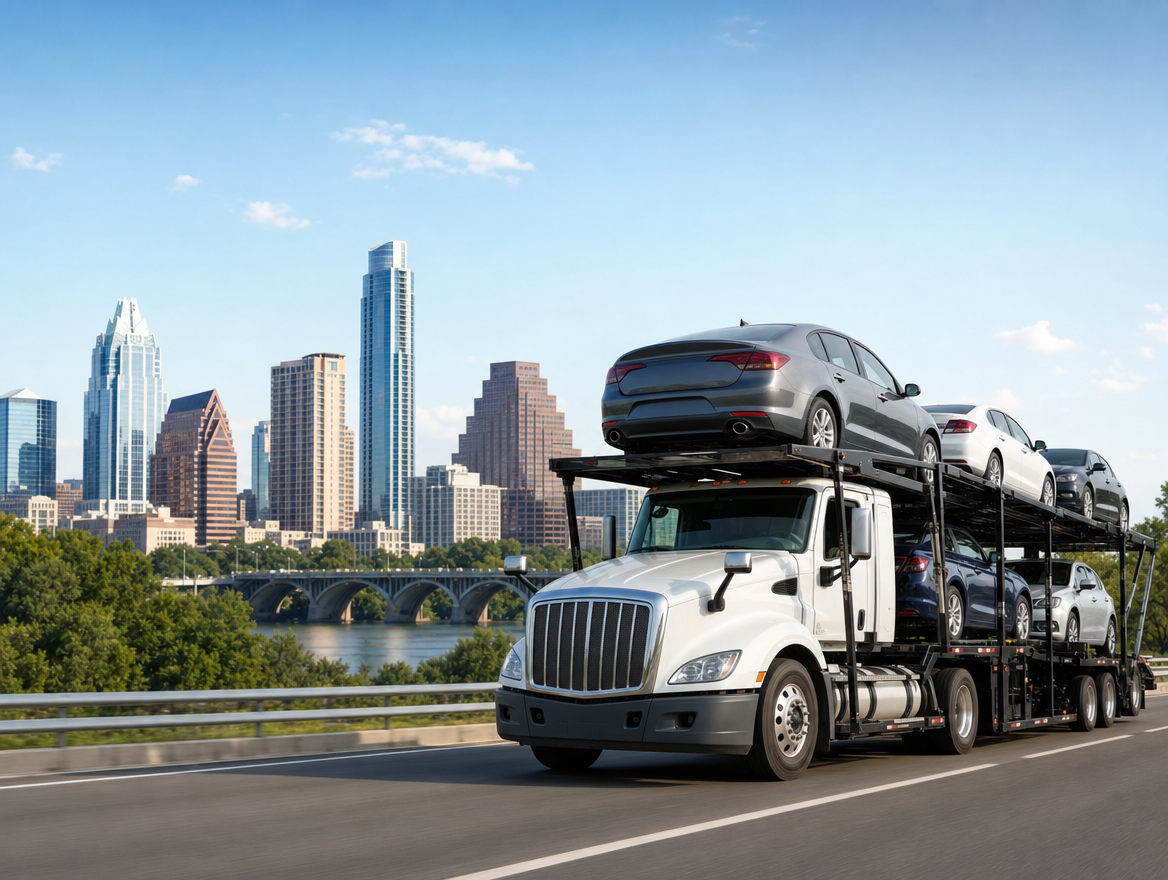
Vehicle delivery services offer convenient transport options for moving cars across long distances. Flix Auto Transport provides reliable solutions tailored to your specific needs, whether you’re relocating, buying a vehicle remotely, or sending a car to a loved one. Our team of experts is ready to assist you with various shipping methods and service levels – simply contact us to discuss your requirements. In this article, we’ll guide you through the vehicle delivery process, from choosing the right service to receiving your car at its destination.
Decoding the Types of Vehicle Delivery Services
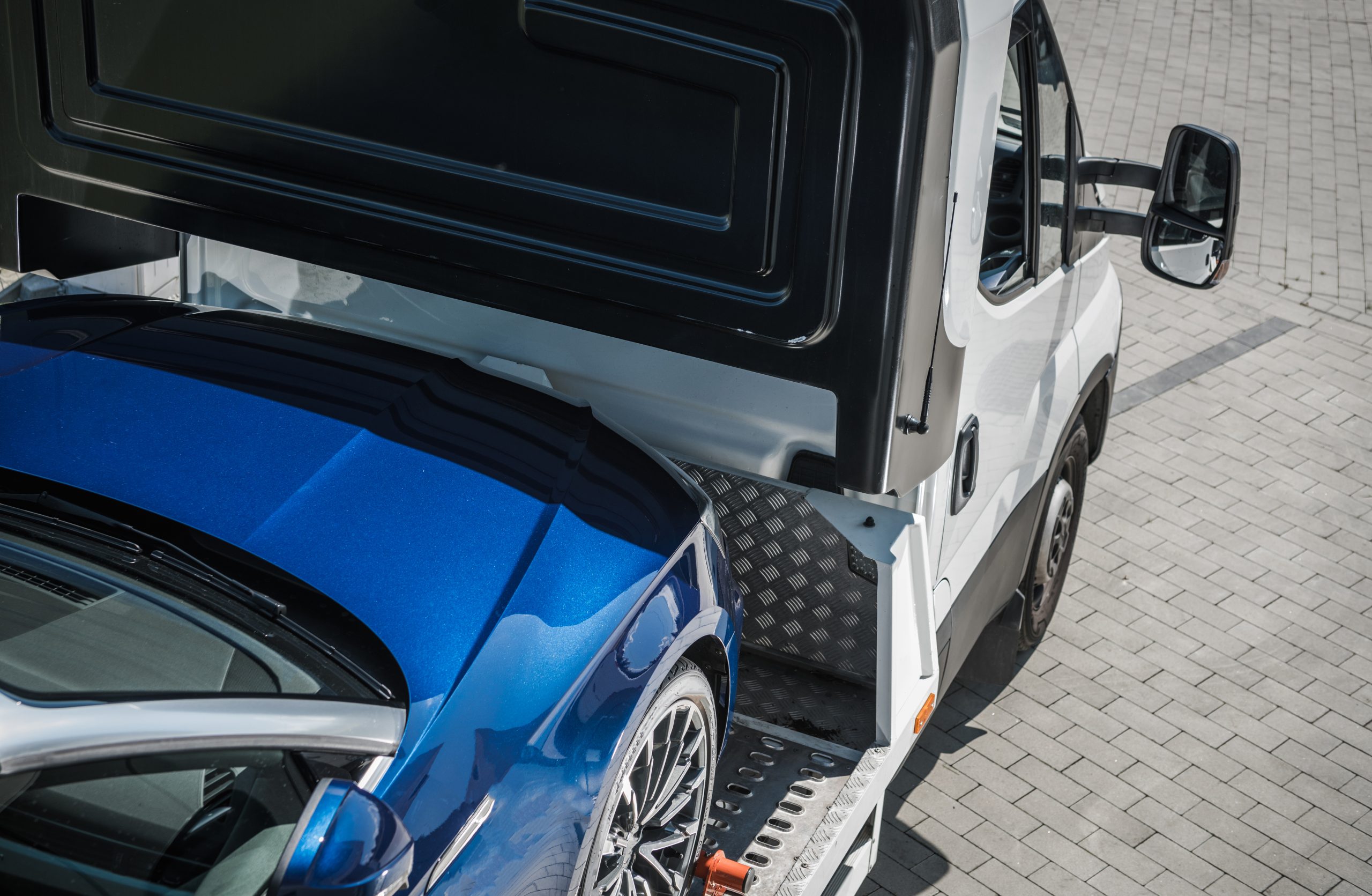
Vehicle delivery services come in various forms, each tailored to meet different needs and preferences. You’ll find transport options ranging from convenient door-to-door transport to cost-effective terminal-to-terminal services. Additionally, you can choose between open transport for standard vehicles and enclosed shipping for added protection. Understanding these different types of services will help you select the best option for your vehicle shipping needs.
Exploring Door-to-Door Versus Terminal-to-Terminal Options
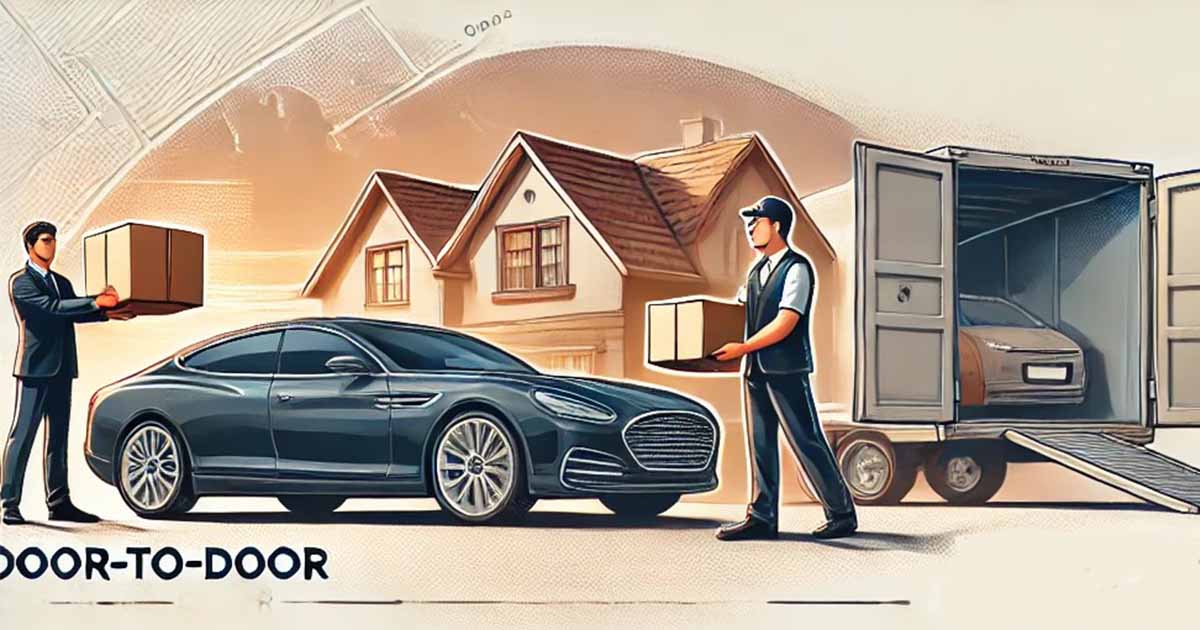
You have two main options when it comes to vehicle delivery transport options: door-to-door and terminal-to-terminal services. Door-to-door transport offers convenience, with the carrier picking up and delivering your vehicle right at your specified locations. Terminal-to-terminal shipping requires you to drop off and pick up your vehicle at designated terminals, often resulting in lower costs but less convenience. Consider your priorities and budget when choosing between these options:
- Door-to-door: Convenient but typically more expensive
- Terminal-to-terminal: Cost-effective but requires more effort on your part
- Factors to consider: Time constraints, budget, and vehicle condition
Understanding Open Transport vs. Enclosed Shipping
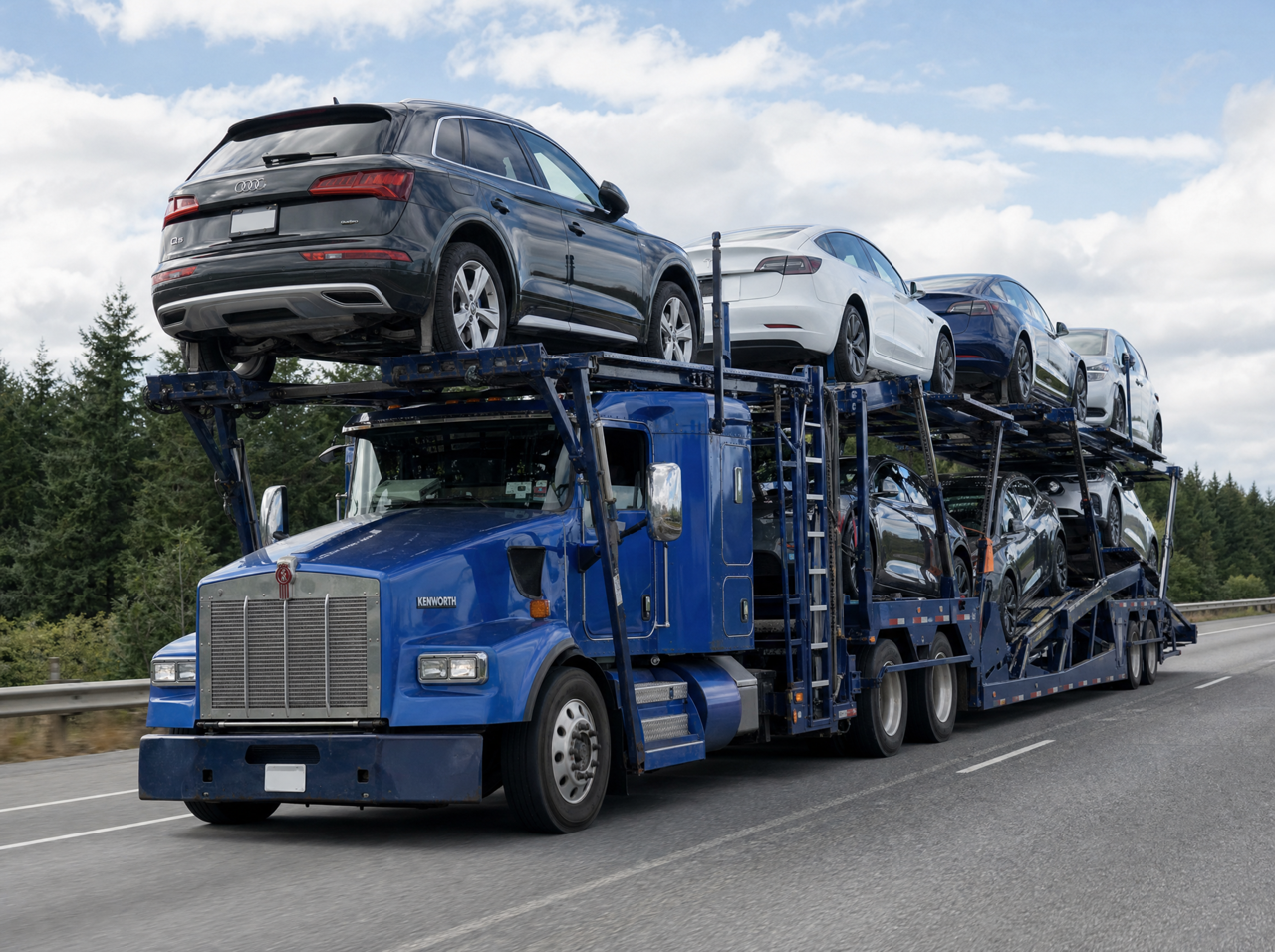
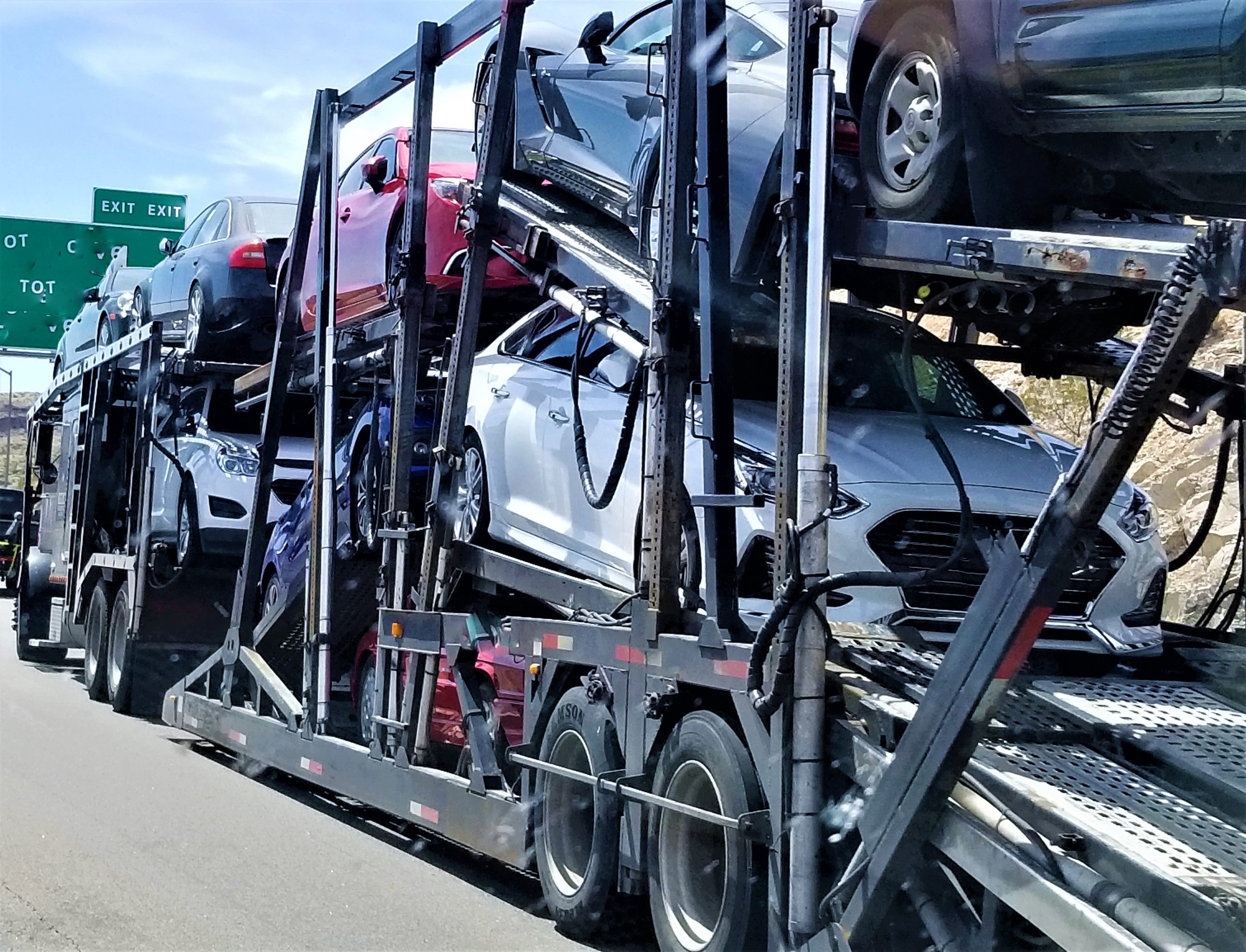
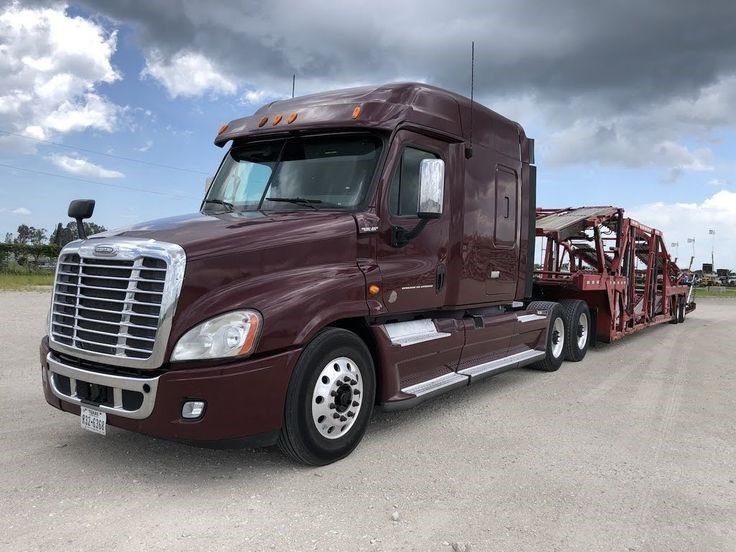
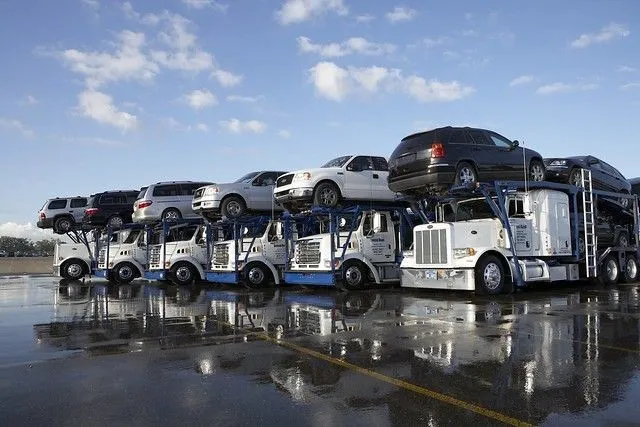
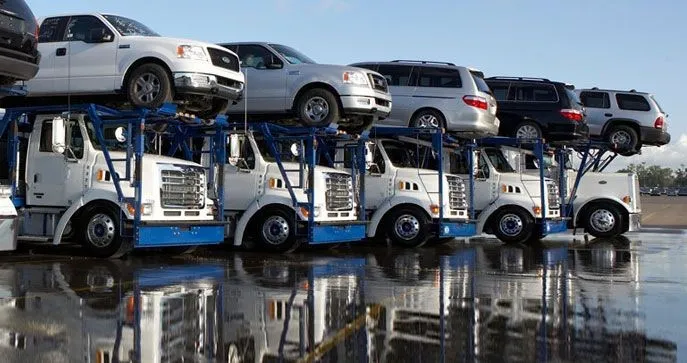
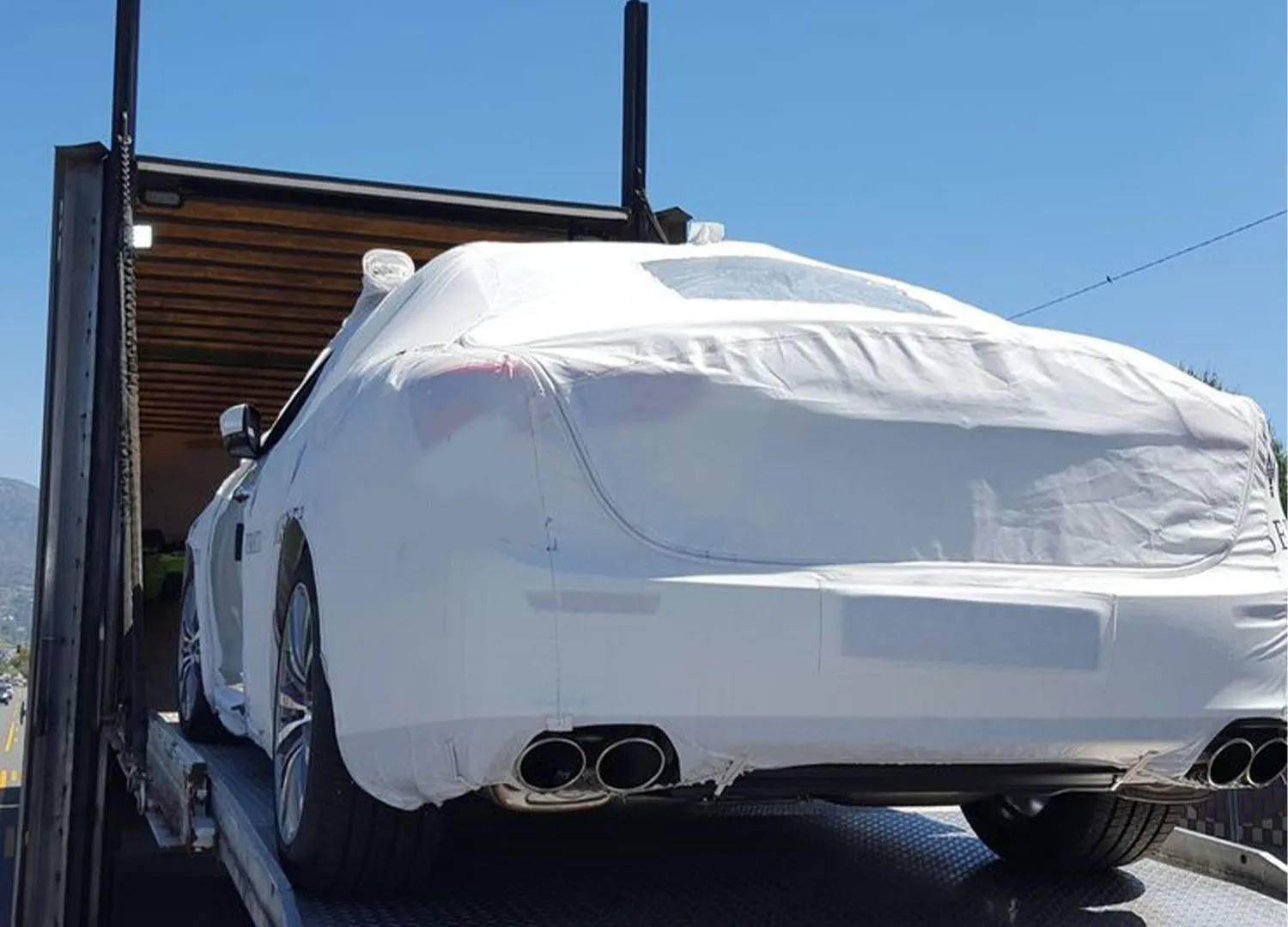
You have two primary options for vehicle transport transport options: open and enclosed shipping. Open transport exposes your vehicle to the elements but is more cost-effective and widely available. Enclosed shipping offers superior protection for high-value or classic cars but comes at a premium price. Consider these factors when choosing:
- Vehicle value and condition
- Weather conditions during transport
- Budget constraints
- Availability of services in your area
Preparing Your Vehicle for Delivery
You’ll want to take several important steps to prepare your vehicle for delivery. A thorough clean and inspection will help you document your car’s condition before transport options. Removing personal items ensures the safety of your belongings and compliance with shipping regulations. You’ll also need to gather necessary documentation about Flix Auto Transport for a smooth handover process. These preparations are crucial for protecting your vehicle and streamlining the delivery experience. Contact us
Performing a Thorough Clean and Inspection
You’ll need to clean your vehicle thoroughly inside and out before shipping. This allows you to inspect and document any existing damage, scratches, or dents. Take clear photos of your car’s exterior and interior, focusing on any imperfections, to have a record of its condition before transport.
Removing Personal Items and Documentation Requirement
You’ll need to remove all personal items from your vehicle before shipping. This includes electronics, valuables, and any loose items that could shift during transport. Gather essential documents like your vehicle registration, insurance information, and a copy of your shipping contract. These steps ensure compliance with shipping regulations and protect your belongings:
- Empty the vehicle of personal items
- Secure or remove any aftermarket accessories
- Collect necessary documentation
- Make copies of important papers for your records
The Booking Process Simplified
You’ll find that booking vehicle delivery is a straightforward process when you understand the key steps involved. Researching and selecting a reliable service provider is crucial to ensure your vehicle’s safe transport. Once you’ve chosen a company, you’ll need to schedule pickup and delivery times that work for both you and the carrier. This process involves coordinating logistics, understanding timeframes, and communicating your specific needs to the transport company.
Researching and Selecting a Reliable Service Provider
You’ll want to start by researching reputable vehicle delivery companies. Check online reviews, ask for recommendations from friends or family, and compare quotes from multiple providers. Look for companies with proper licensing, insurance, and a track record of reliable service. Consider factors such as pricing, transit times, and the type of transport offered to find the best fit for your needs.
Scheduling Pickup and Delivery Times
You’ll need to coordinate pickup and delivery times with your chosen vehicle transport company. Provide them with your preferred dates and any time constraints you may have. Be prepared to be flexible, as exact timing can be affected by factors like route schedules and weather conditions.
Tracking Your Vehicle During Transit
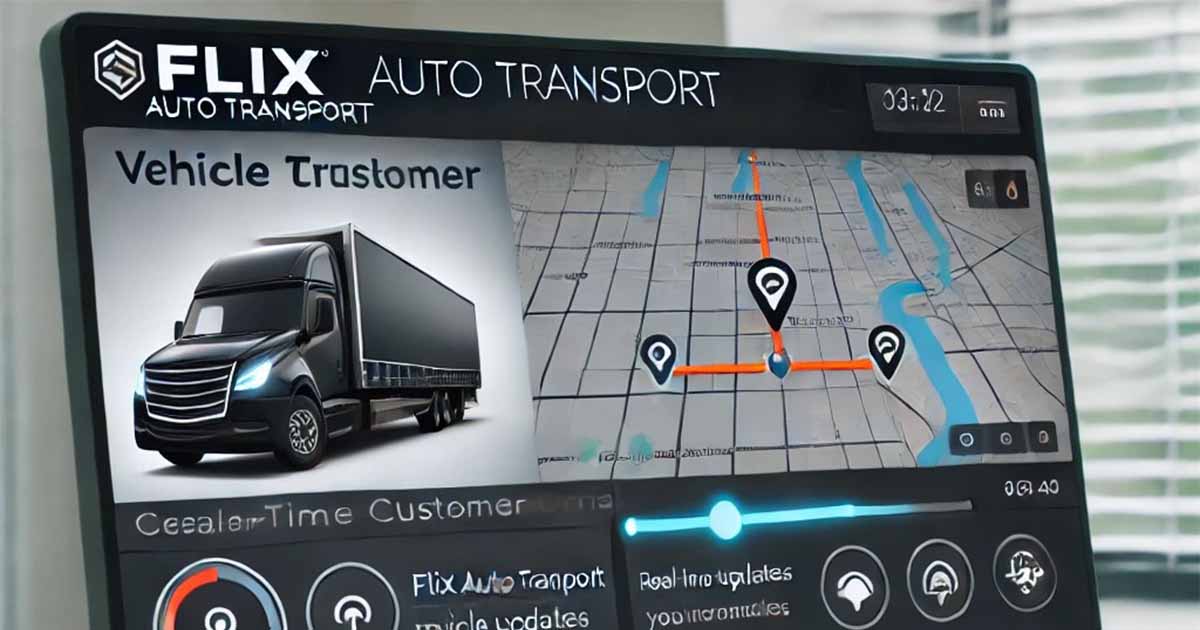
You can stay informed about your vehicle’s location and status during transit through various tracking methods. Modern technology allows for real-time updates using GPS and mobile apps, providing peace of mind throughout the shipping process. Additionally, direct communication with the driver or dispatcher offers another layer of assurance and the ability to address any concerns promptly. These tracking options ensure you’re always in the loop about your vehicle’s journey.
Leveraging GPS and Mobile Apps for Real-Time Updates
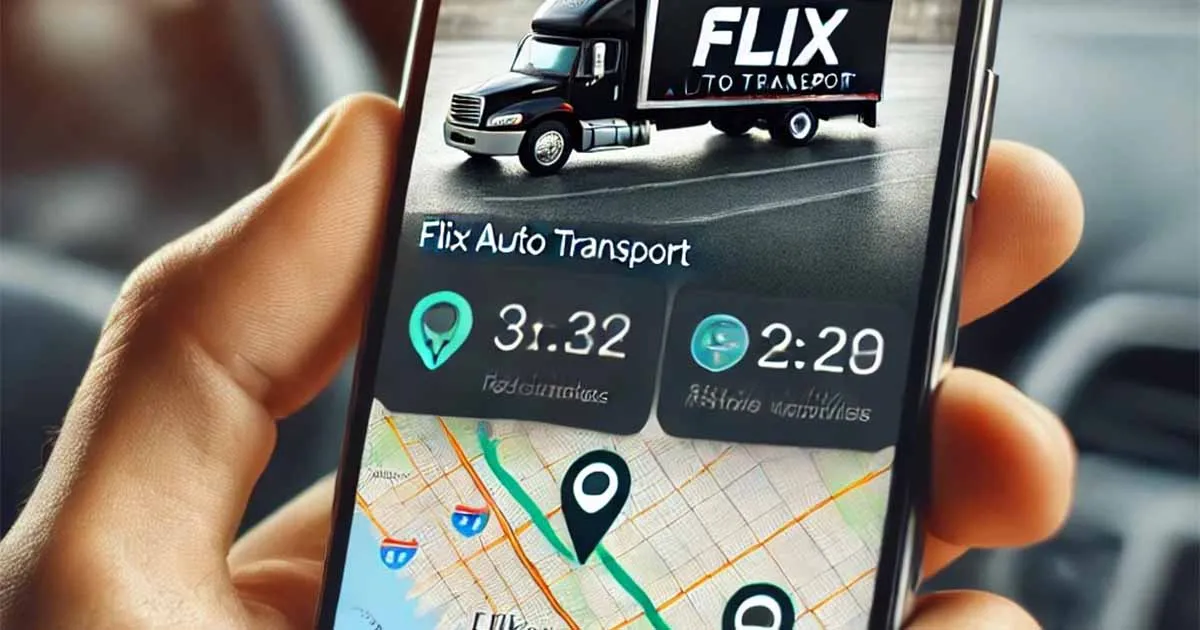
You can easily track your vehicle’s journey using GPS technology and mobile apps provided by many transport companies. These tools offer real-time updates on your car’s location, estimated arrival time, and any potential delays. With just a few taps on your smartphone, you’ll have access to crucial information about your vehicle’s progress:
- View current location on an interactive map
- Receive push notifications for important updates
- Check estimated arrival time and route details
- Contact the driver or support team directly through the app
Communicating With the Driver or Dispatcher
You can maintain direct contact with the driver or dispatcher handling your vehicle’s transport. This communication channel allows you to receive updates, ask questions, and address any concerns that may arise during transit. Most transport companies provide contact information for the assigned driver or a dedicated dispatcher, enabling you to stay informed about your vehicle’s status throughout the journey:
- Obtain driver or dispatcher contact details before shipment
- Communicate any specific instructions or concerns
- Request periodic updates on your vehicle’s location
- Promptly address any issues that may occur during transport
Accepting Your Vehicle Upon Arrival
You’ll need to be prepared when your vehicle arrives at its destination. A thorough inspection is crucial to ensure your car has been delivered in the same condition as when it was picked up. You’ll also need to complete final paperwork and settle any remaining payments. This process involves carefully examining your vehicle, noting any discrepancies, and following through with the necessary documentation to conclude the transport service.
Inspecting the Vehicle Condition Upon Delivery
You should thoroughly inspect your vehicle upon delivery to ensure it’s in the same condition as when it was picked up. Walk around the car, checking for any new scratches, dents, or other damages that weren’t present before shipping. Compare the vehicle’s current state to the photos and documentation you prepared before transport. If you notice any discrepancies, document them immediately and inform the driver or transport company representative:
- Examine the exterior for new damages
- Check the interior for any issues
- Test all mechanical functions
- Compare current condition to pre-transport documentation
- Report any discrepancies immediately
Finalizing Paperwork and Payment Processes
You’ll need to complete the final paperwork and settle any remaining payments upon your vehicle’s arrival. Sign the bill of lading to acknowledge receipt of your vehicle, noting any damages or discrepancies discovered during inspection. Ensure you’ve paid any outstanding balance for the transport service, following the agreed-upon payment method with the shipping company.
Conclusion
Understanding vehicle delivery options empowers you to make informed decisions when shipping your car. Proper preparation, including thorough cleaning and documentation, ensures a smooth transport process and protects your vehicle. Tracking capabilities and direct communication with drivers provide peace of mind during transit. A careful inspection upon delivery and proper finalization of paperwork safeguard your interests and complete the vehicle shipping journey successfully.
Related articles
Expert advice and real experiences to make your car shipping simple and stress-free.






.jpg)








.jpg)



.jpg)



.jpg)





























.webp)