Enclosed vs. Open Car Shipping: Which Should You Choose?


The most expensive mistake in auto transport is usually picking the wrong carrier type and paying a premium for protection your vehicle didn't need, or skipping that protection on a vehicle that did. Open vs. enclosed is a $400–$800 decision.
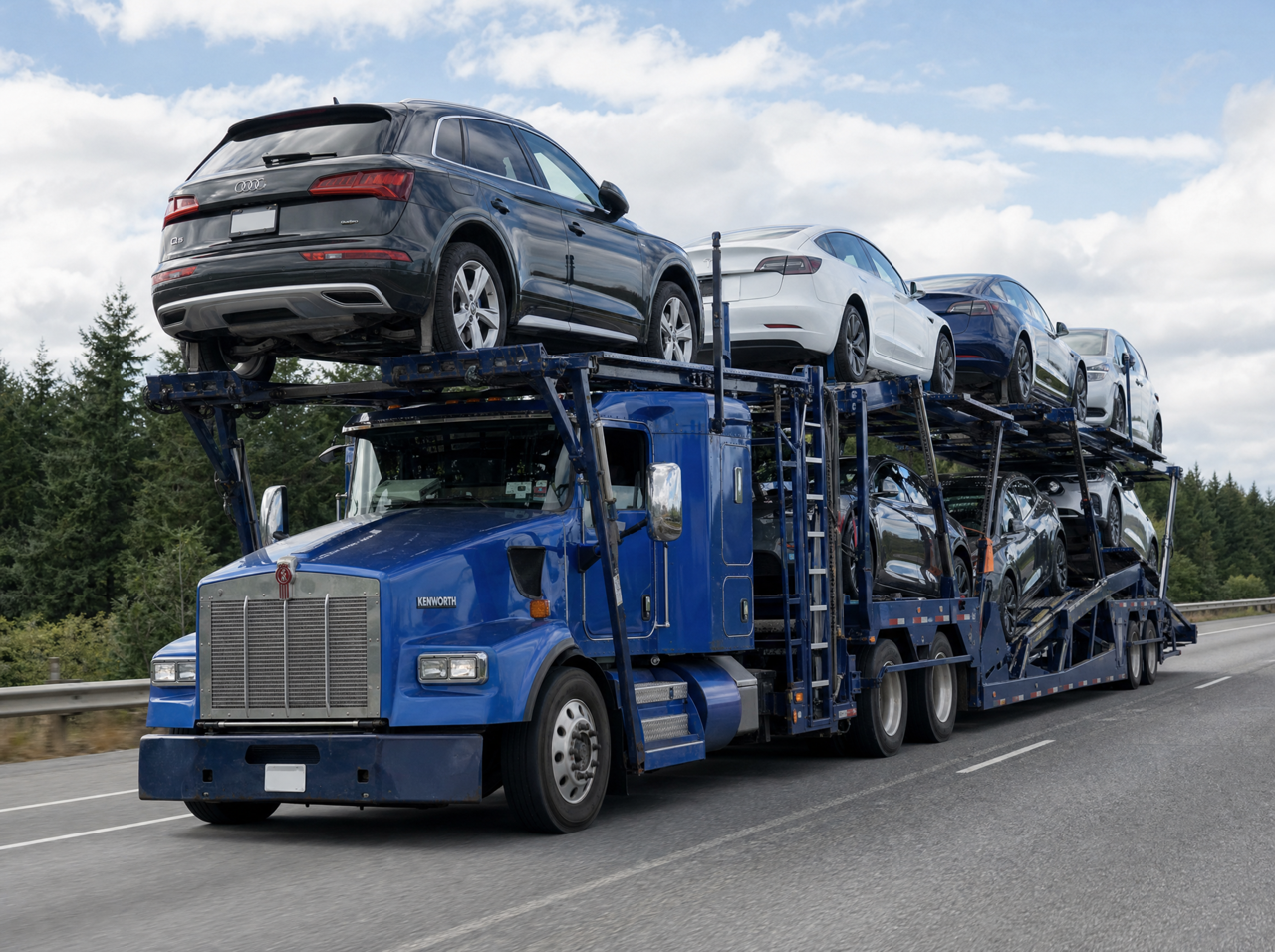
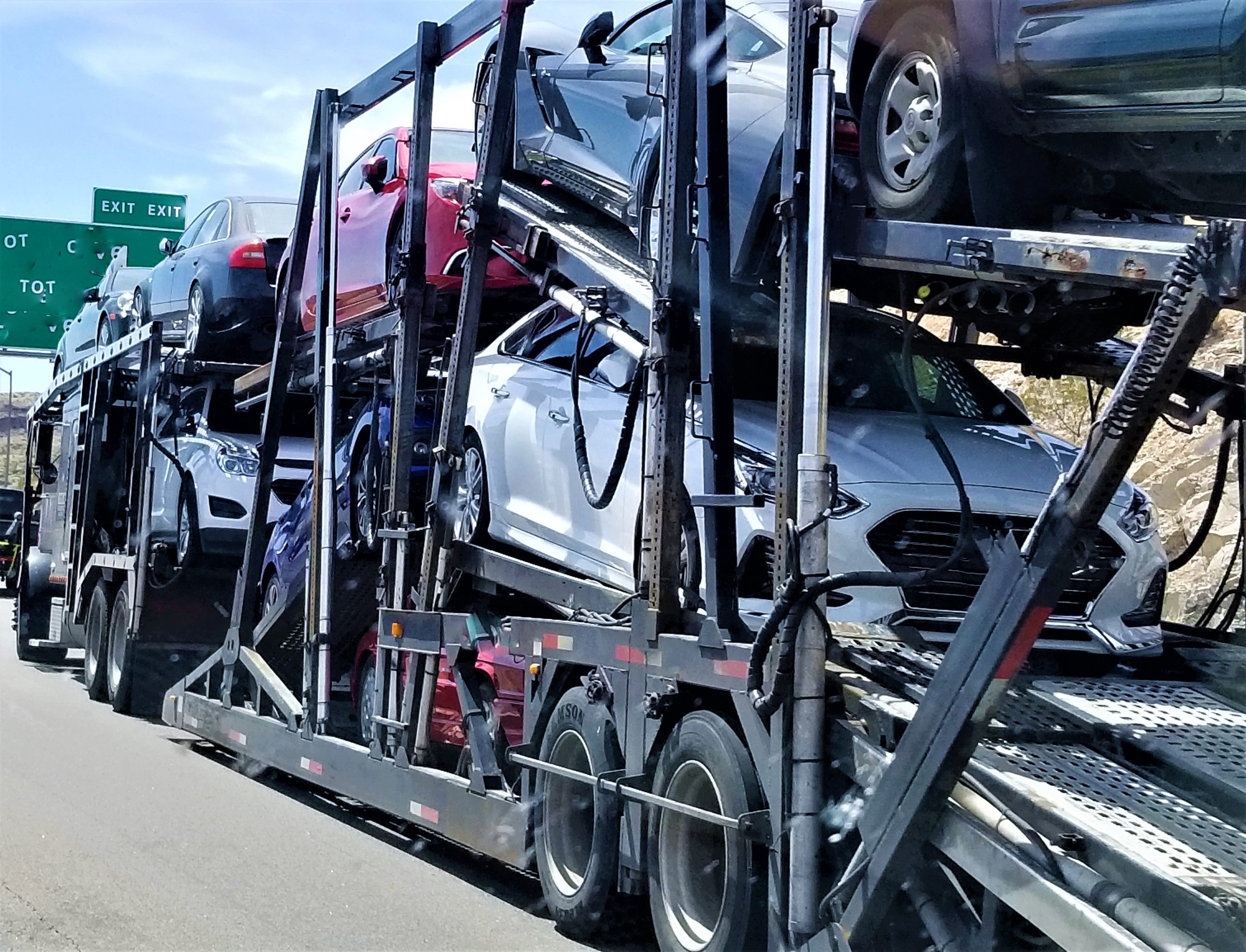
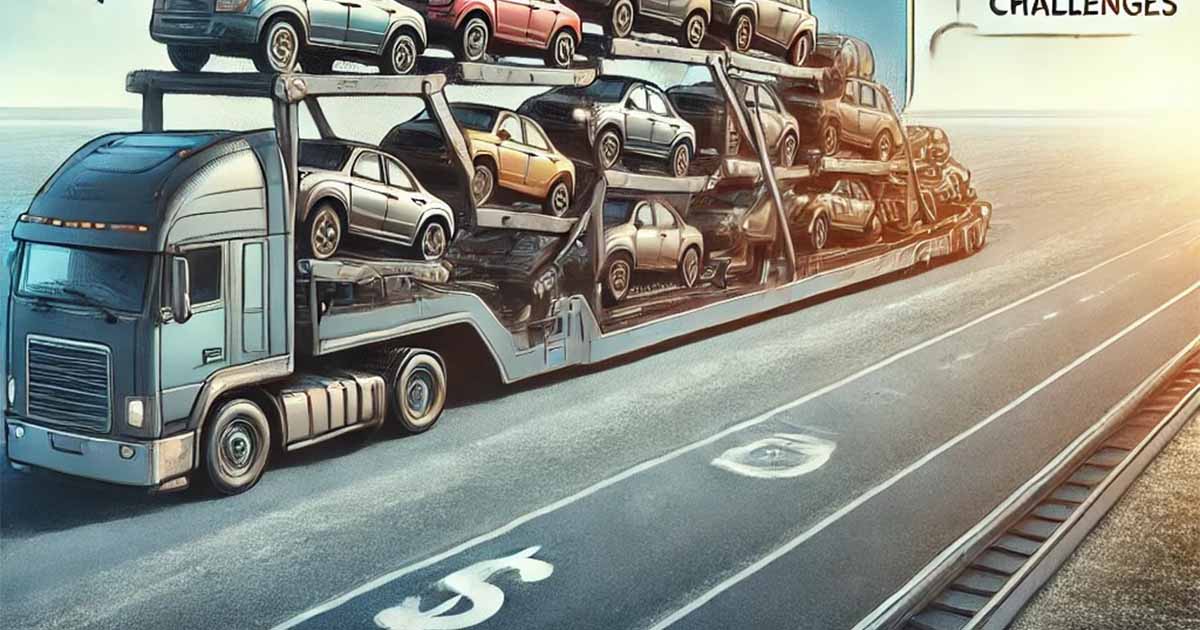
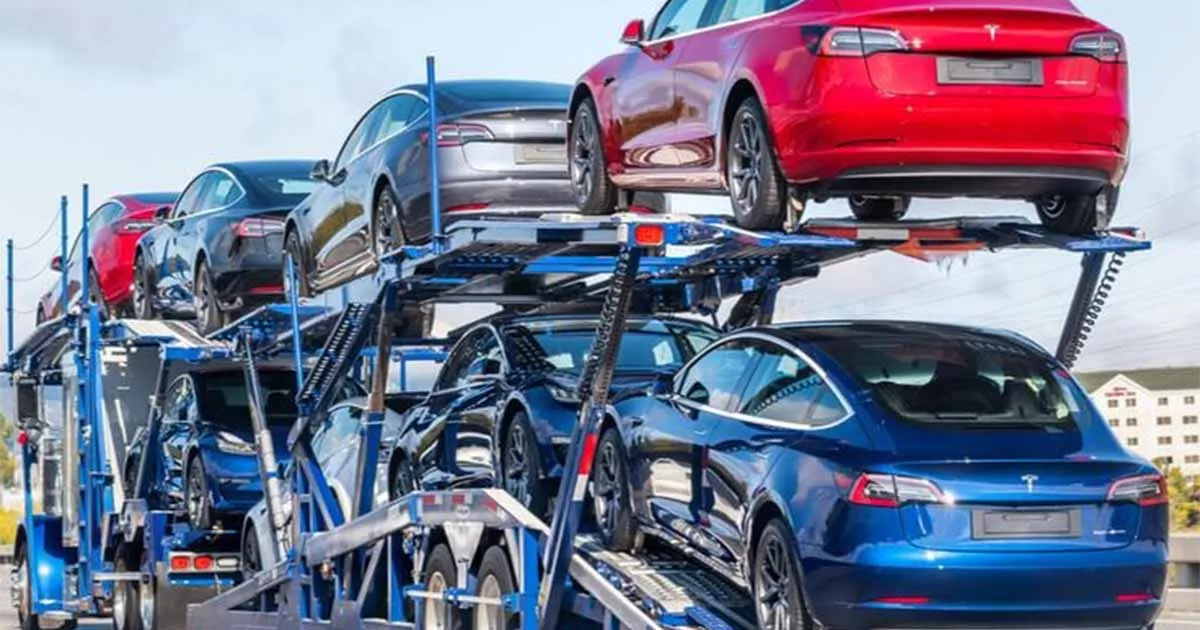
Two trailers move nearly every car shipped in America. One is open to the weather and typically holds seven to ten vehicles on long-haul routes, though smaller regional open trailers carrying three or four cars are common on shorter lanes. The other is fully enclosed, with large multi-car carriers holding four to six vehicles, while shorter or specialty moves often use smaller enclosed trailers carrying just one or two vehicles.
The price and protection differences are real. Which one is right for your vehicle depends on several factors, so here's how to get it right the first time.
Dispatcher note: trailer size isn't fixed, it depends on the lane. A long-haul carrier running Texas to California will almost always be a full 7–10 car open rig or a 4–6 car enclosed hauler. A shorter or more local move might get matched with a smaller 3–4 car open trailer, or even a 1–2 car enclosed trailer, which can mean less handling and a more direct trip to your door.
What Is Open Car Shipping and How Does It Work?
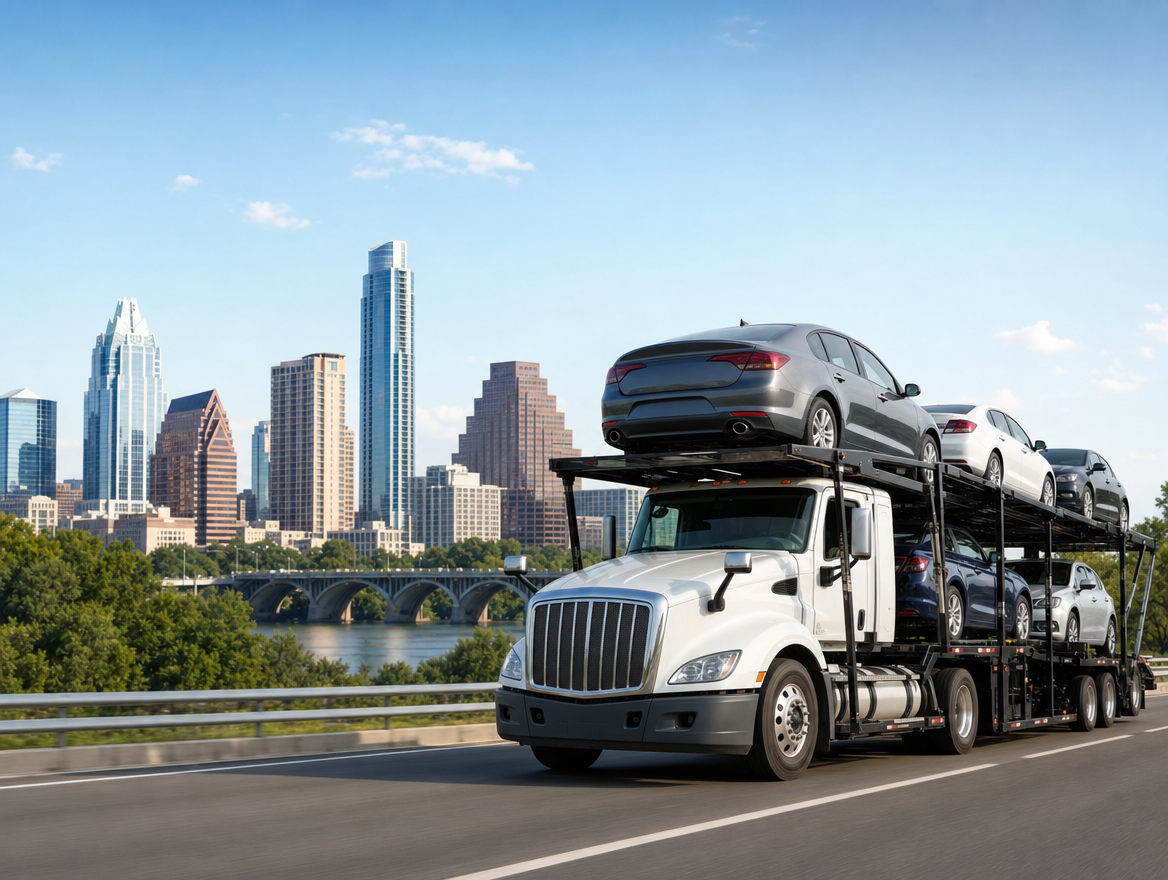
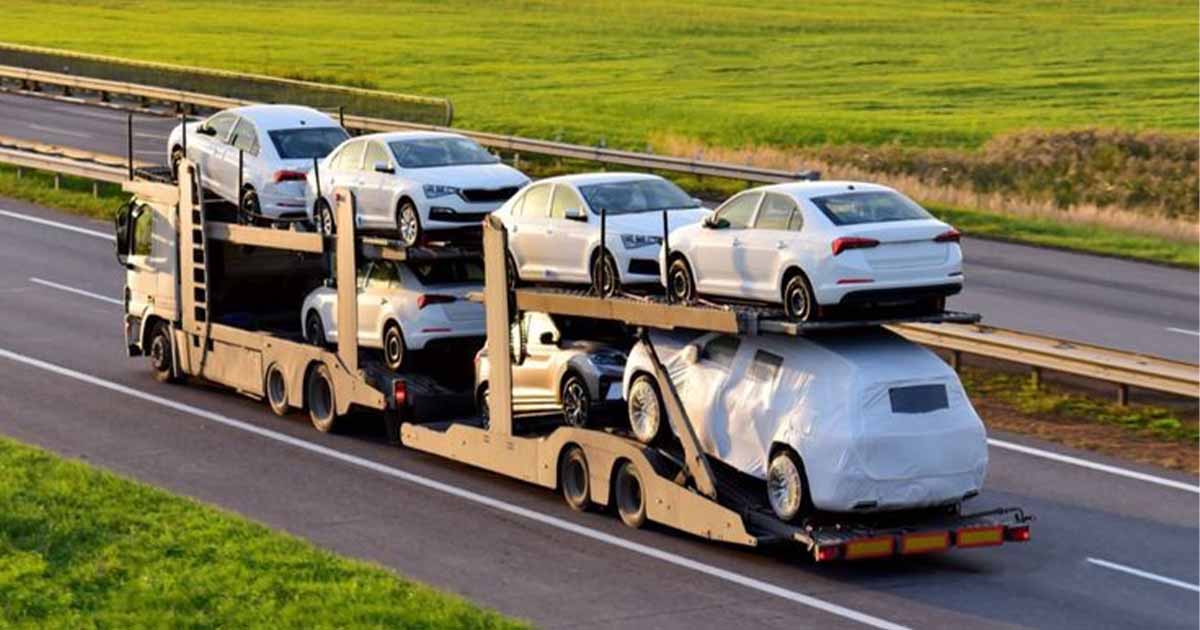
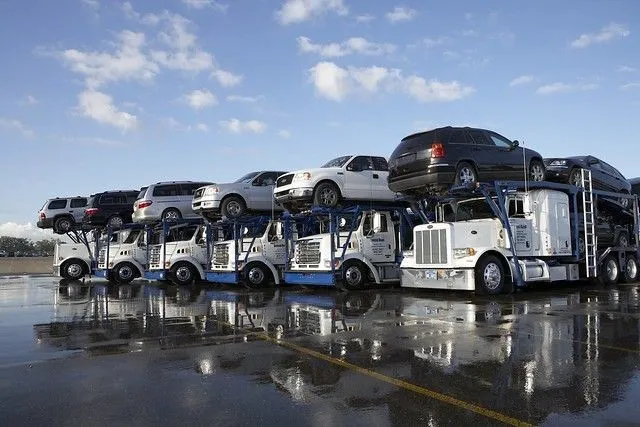
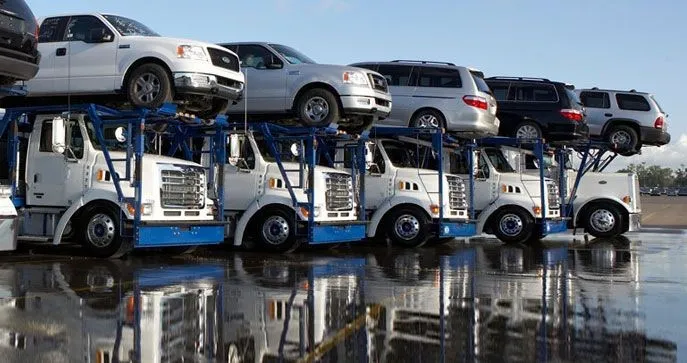
Open car shipping loads your vehicle onto a two-level, open-air trailer, the same type of truck you see hauling new cars from manufacturers to dealerships. On long-haul interstate routes, these carriers typically hold 7 to 10 vehicles and are the industry standard, accounting for roughly 90–95% of all auto transport shipments in the US.
On shorter or regional lanes, dispatchers often match vehicles with smaller open trailers carrying three to four cars. This is common for in-state and short-haul moves, where a full-size rig isn't always practical or available.
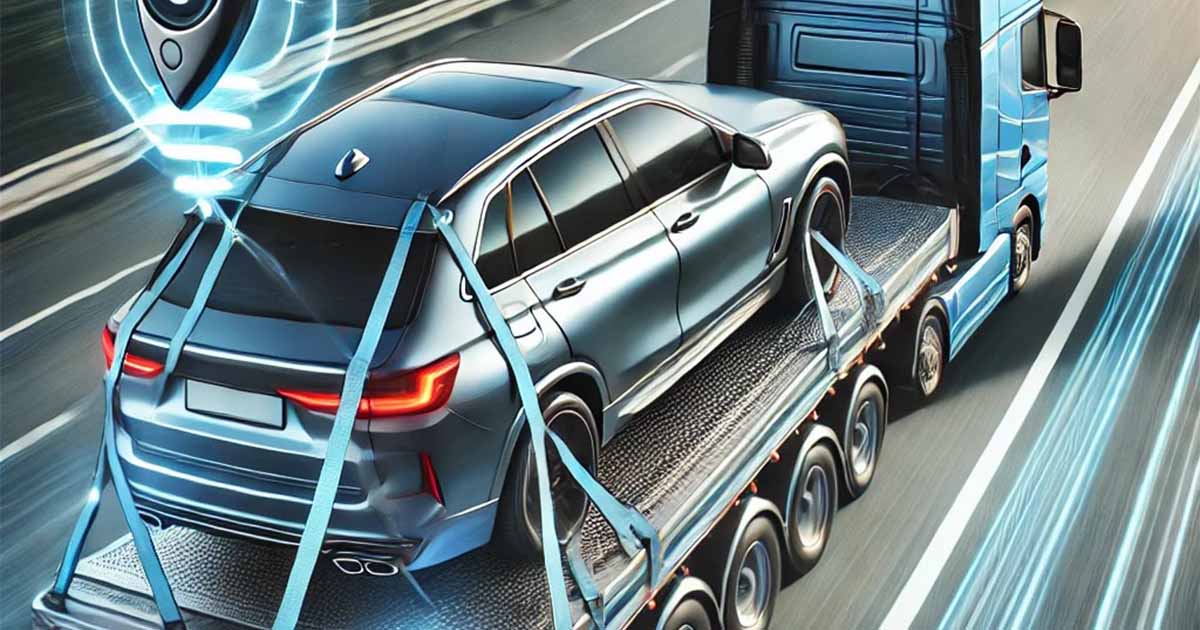
The reason open transport dominates is simple: more carriers run open trailers, which means more availability, faster scheduling, and lower prices. Your vehicle is exposed to weather, road dust, and occasionally minor debris during transit, but meaningful damage from this exposure is rare. Carriers secure vehicles with wheel straps and tie-downs, and the risk (while not zero) is low enough that for most vehicles, it simply isn't a serious concern.
Open transport is typically the right choice when:
- You're shipping an everyday vehicle with no special value concerns
- You want the most affordable rate and the fastest pickup window
- Minor road dust on arrival doesn't concern you
What Is Enclosed Car Shipping and When Does It Actually Matter?
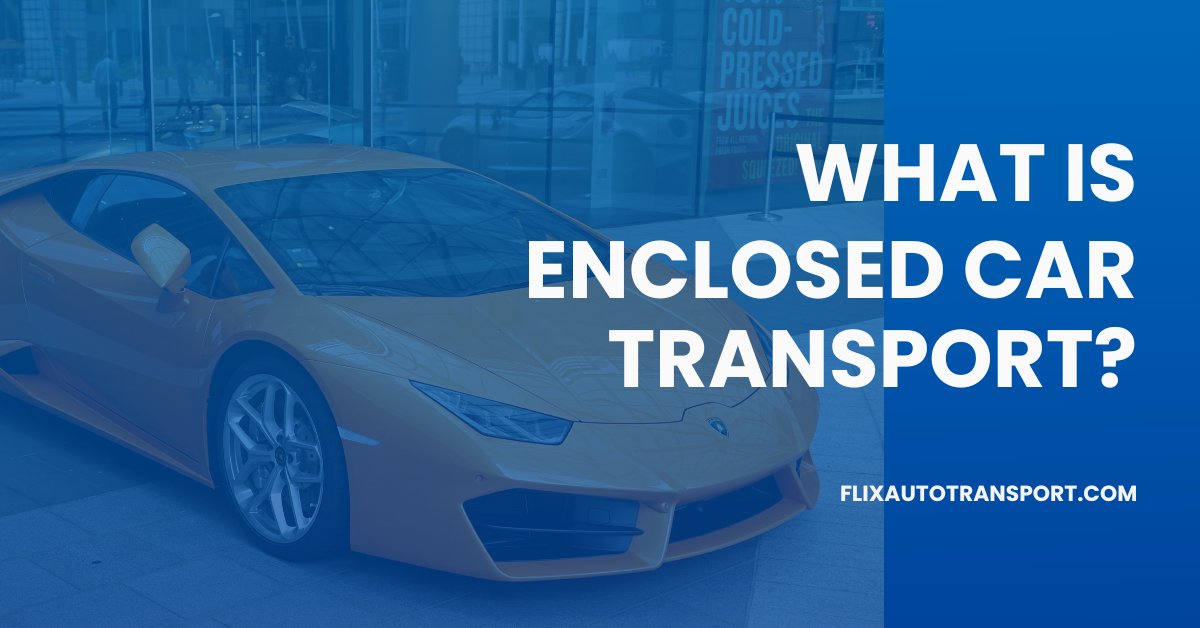
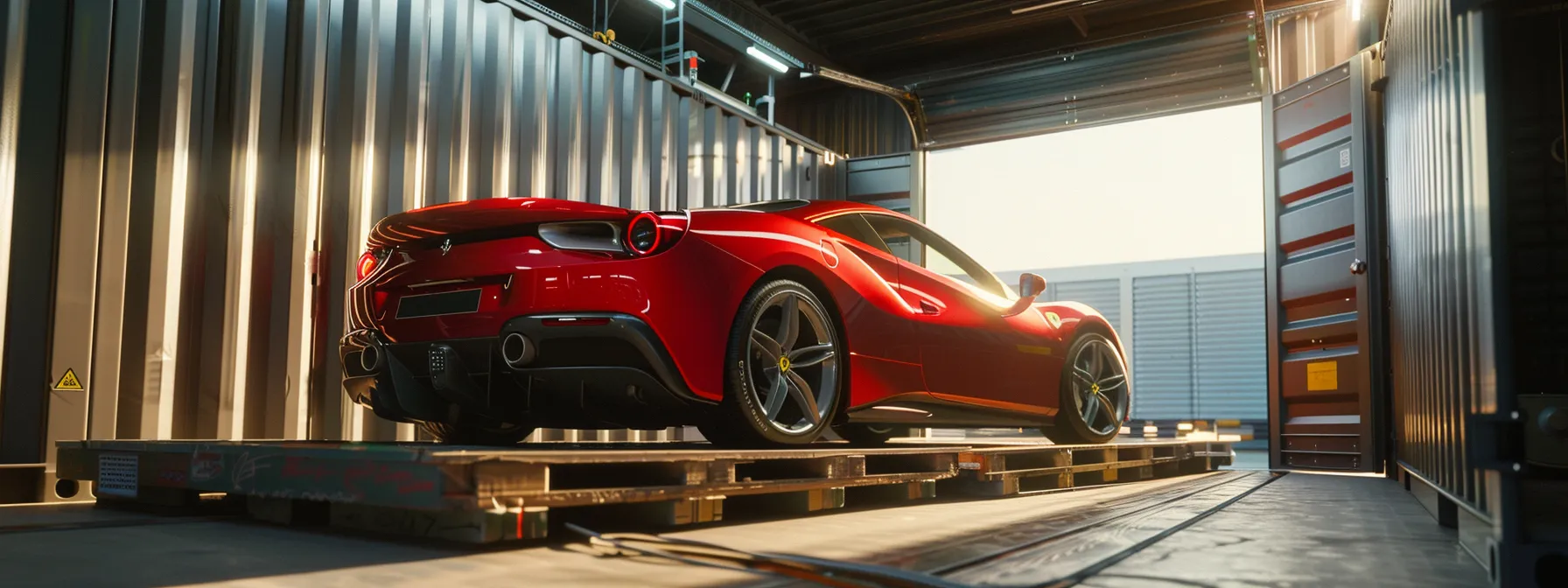
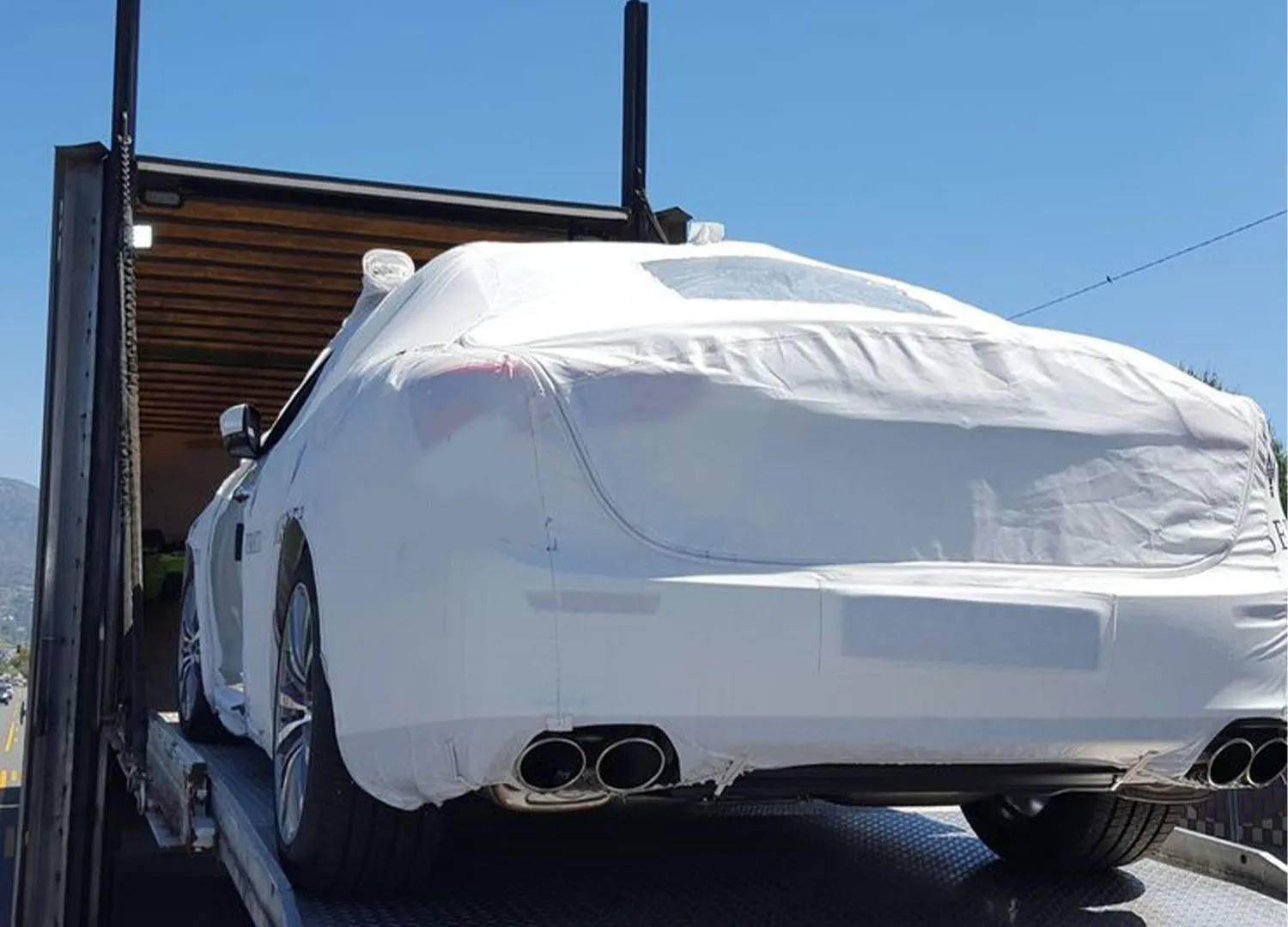
Enclosed car shipping places your vehicle inside a fully covered trailer, either soft-sided (canvas-style walls) or hard-sided (rigid metal with insulated walls). Hard-sided trailers offer the highest protection level and are standard for show-quality or high-value vehicles.
Soft-sided trailers still fully shield the vehicle from rain, road debris, and UV exposure, and they typically cost less than hard-sided equipment. However, they don't offer the same rigidity or physical protection if the trailer itself is involved in an incident, which is why the most valuable or irreplaceable vehicles are usually matched with hard-sided equipment specifically.
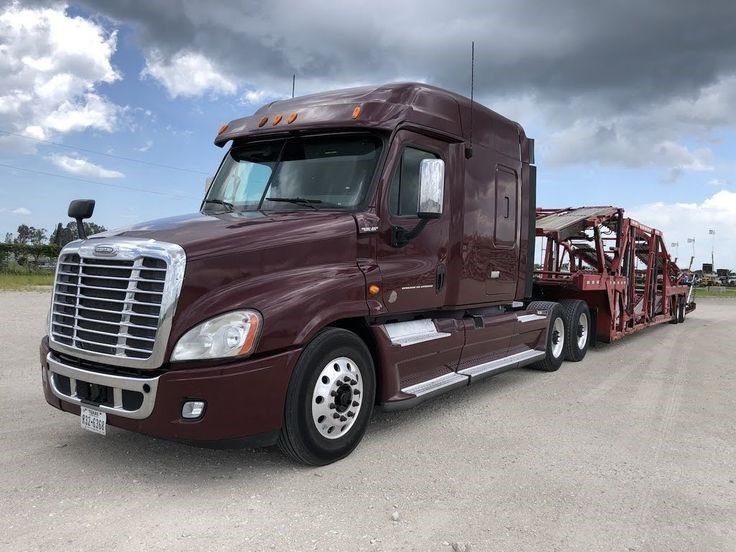
Large enclosed carriers hold 4 to 6 vehicles and are most common on long-haul, multi-state routes. On shorter routes, regional moves, or when a vehicle needs individual handling, it's also common to be matched with a smaller enclosed trailer carrying just 1 to 2 vehicles.
Enclosed carriers hold 2 to 6 vehicles compared to 7–10 on an open trailer. Fewer vehicles per load means more deliberate handling, less loading risk, and drivers who typically specialize in high-value transport. The difference with open trailer auto transport is weather protection and the entire handling environment. Enclosed drivers know what's at stake, and that professional context matters.
The tradeoff is cost and availability. Enclosed transport runs 40–70% more than open, depending on route and season. Though in real-world dispatch terms, the gap most often comes out to roughly $400 more than open on a given route: wider on longer or less-traveled lanes, narrower on short, high-traffic corridors. Fewer carriers operate enclosed trailers, which can extend your pickup window by several days, especially on secondary routes.
Enclosed transport is the right choice when:
- Your vehicle is a luxury, exotic, classic, or collector car
- You've invested in restoration, custom work, or modifications
- Condition on arrival matters for a dealership, auction, or show
- The vehicle has value, financial or sentimental, that shifts your risk tolerance
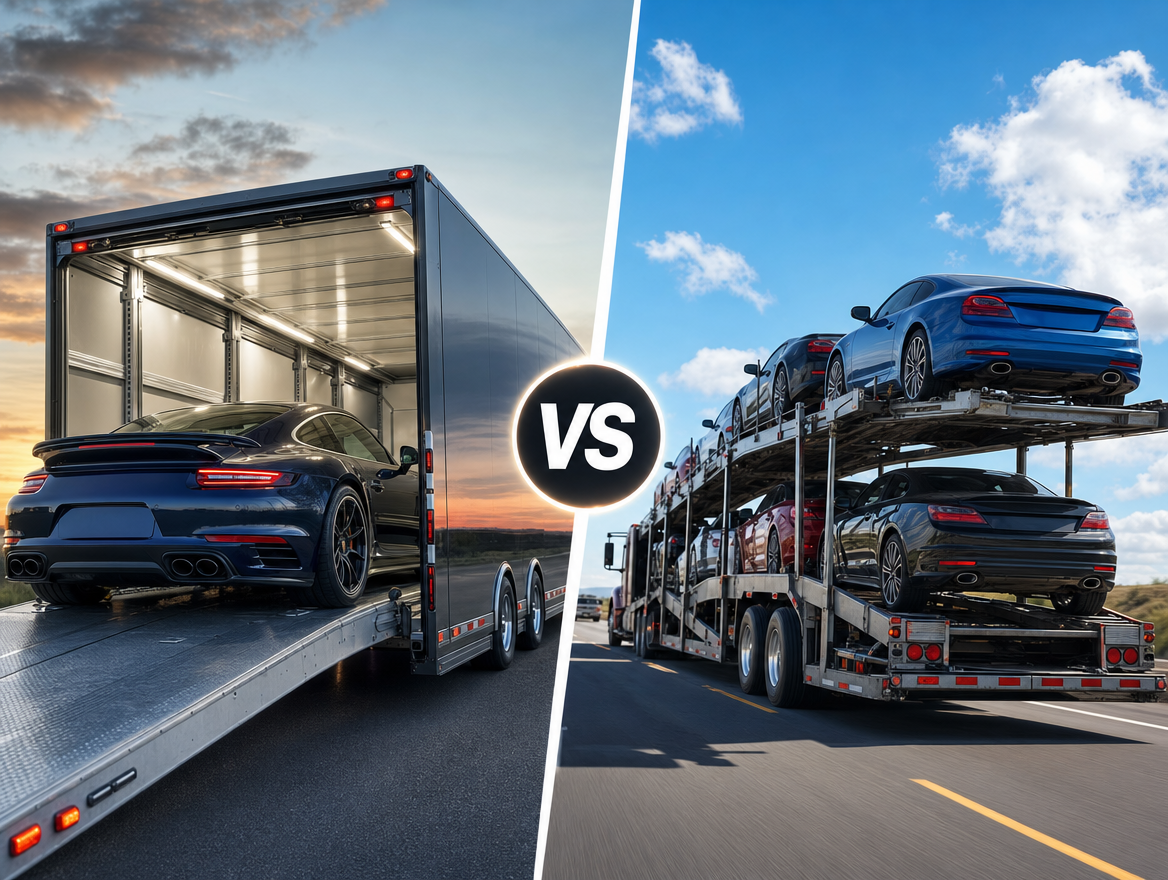
Open vs. Enclosed Car Shipping: What the Differences Actually Look Like
How Do Costs Compare?
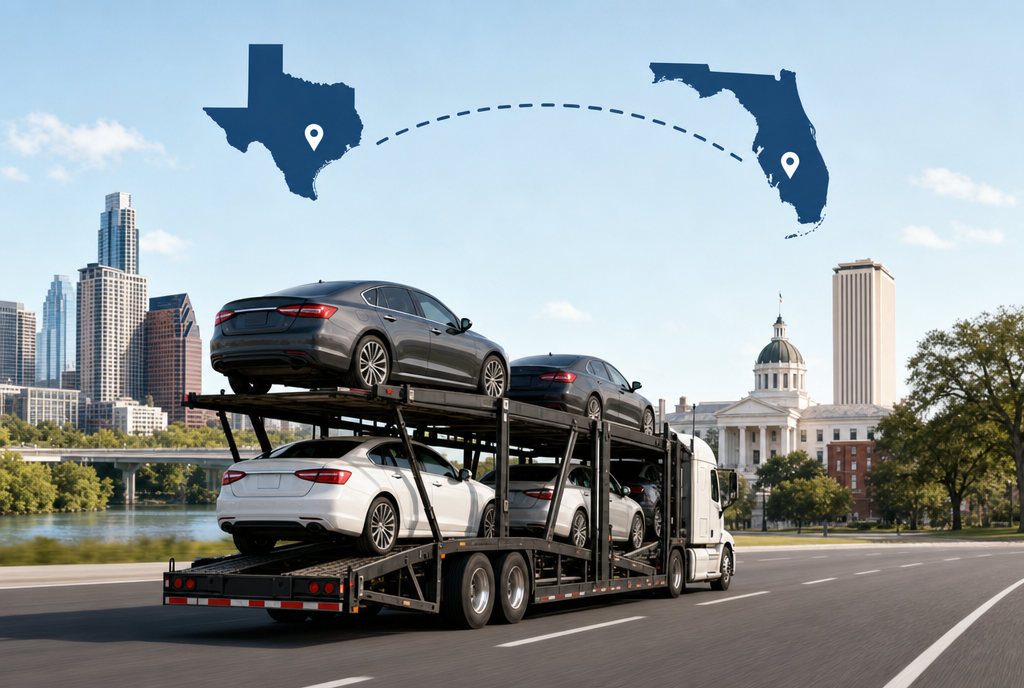
For a cross-country route like Austin, TX to Los Angeles, open transport typically runs $900–$1,300. Enclosed on the same route usually runs $1,400–$2,200 or more. The gap narrows on shorter hauls and widens on long-distance or off-corridor routes.
To put real numbers behind that, here's what the difference typically looks like on common Austin routes:
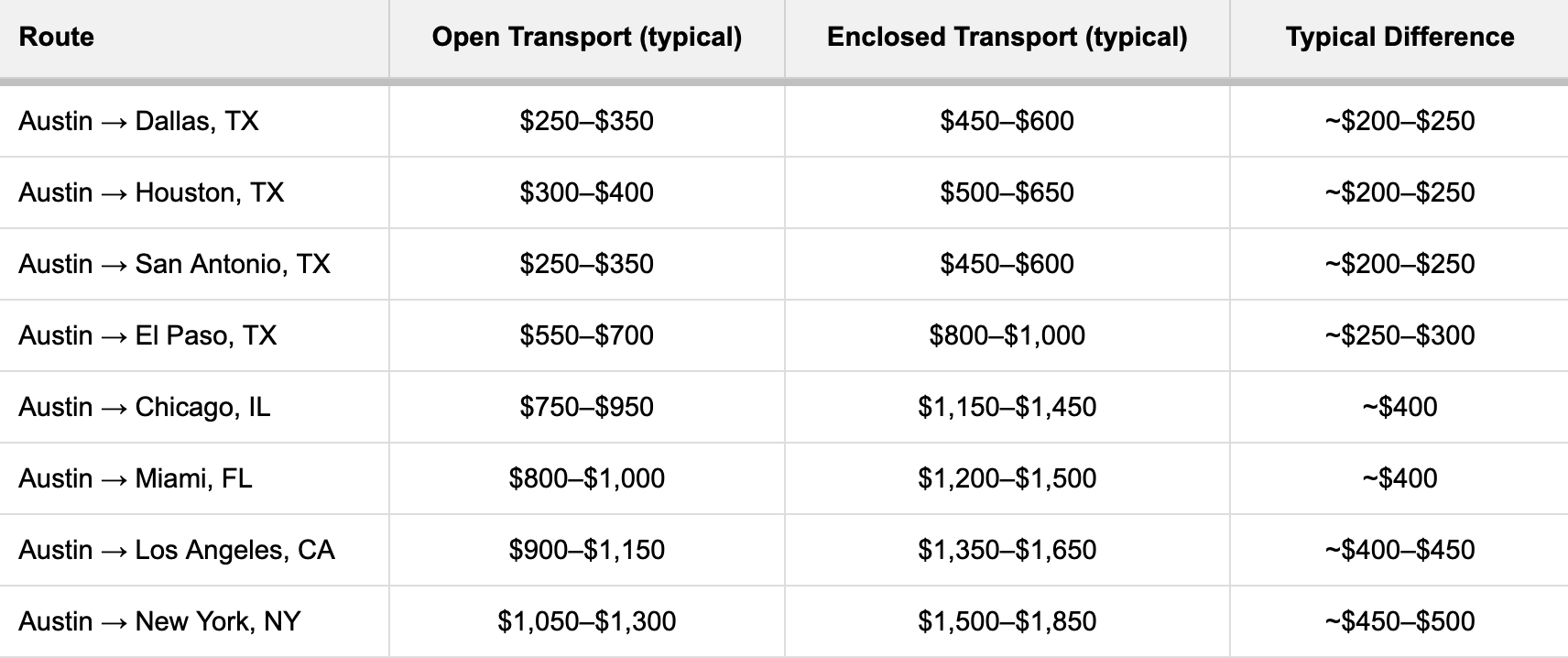
These are typical ranges. Actual pricing shifts with the specific vehicle, time of year, carrier availability, and how far in advance you book. But in practice, the open-vs-enclosed gap on most routes lands close to $400, rather than the wider spread the 40–70% math alone would suggest.
Auto transport pricing is market-driven. Carriers bid on loads through a national network, and rates fluctuate with supply and demand. Peak season runs roughly from March through October, with summer being the busiest and most expensive period. If you're flexible on timing, late fall and winter typically yield more competitive rates, though enclosed carrier availability on some routes may tighten.
How Does Enclosed Car Transport vs. Open Car Transport Protection Actually Differ?
This is where most comparisons oversimplify. On an open carrier, your vehicle is exposed to rain, road dust, and UV, loaded alongside up to nine others, and transported on a multi-stop route. On an enclosed carrier, your vehicle is fully shielded from weather and debris, loaded with far fewer vehicles, and often handled with interior lining or wheel bags to prevent contact marks.
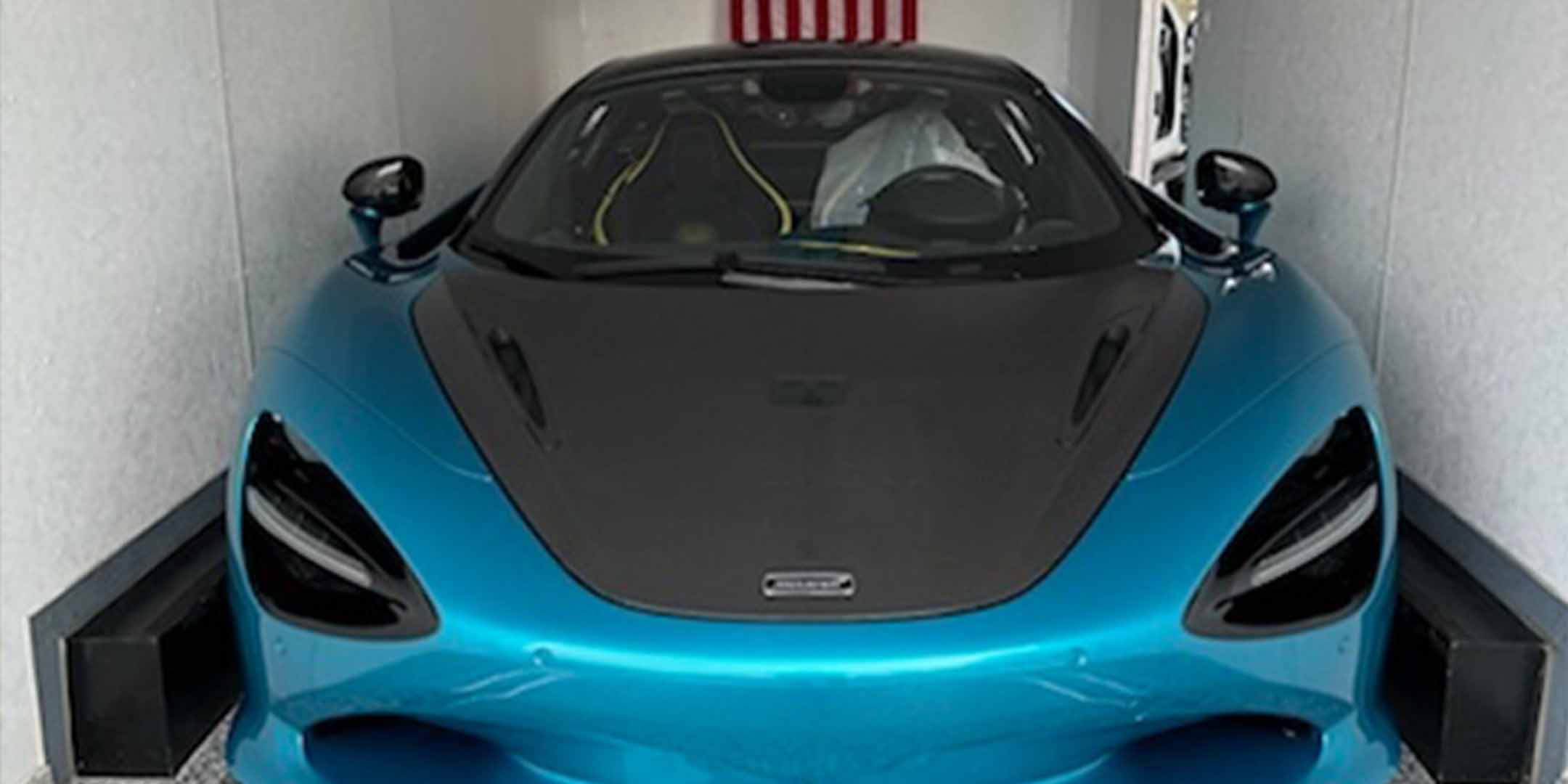
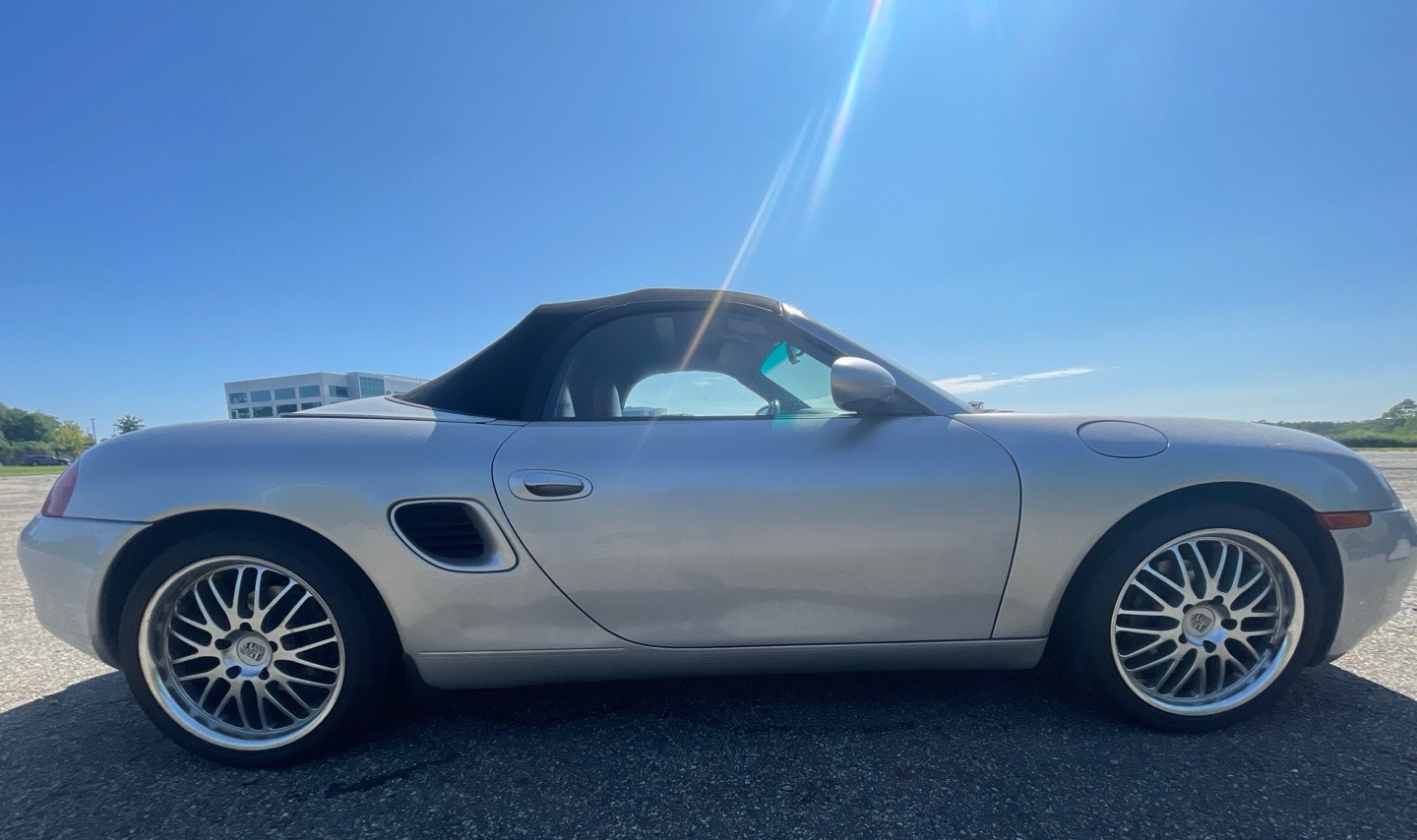
For a 2019 Honda Civic, that difference may not matter. For a restored 1967 Mustang or a new Porsche 911 Turbo S, it matters enormously. The math on paying the premium becomes obvious.
Does Your Route Affect the Decision?
Yes, and this is underappreciated. On major city-to-city corridors (Austin to Houston, Texas to Florida, California to New York), both carrier types run frequently. On secondary routes, enclosed availability drops off significantly. You may face a longer wait or need to arrange pickup at a major hub city.
This is a practical reason why open transport dominates even among customers who might otherwise prefer enclosed: the scheduling reality on their route makes open the only viable option within their timeline.
Dispatcher note: on a tight deadline, ask about expedited pickup specifically. It usually speeds up how quickly a carrier gets assigned to your vehicle, not how fast the truck drives once it's loaded. Carriers run under the same road laws and hours-of-service rules either way. Expedited mainly buys you priority in the dispatch queue.
Special Situations Where the Choice Is Obvious
- Classic and collector cars: Always enclosed. The exposure risk on an open trailer, however statistically small, is not acceptable for an irreplaceable vehicle. Hard-sided equipment specifically is worth requesting here.
- Luxury and exotic vehicles: Enclosed strongly recommended. Beyond weather, the enclosed environment reduces loading risk and ensures more experienced handling throughout.
- Dealer and auction transport: Depends on the vehicle. Late-model inventory heading to auction? Open is fine and faster. A high-end auction purchase coming home? Enclosed is worth the premium; these customers tend to become repeat shippers, and the relationship starts with getting the first move right.
- Military relocation or cross-country moves: Open transport is standard and appropriate for most personal vehicles. The priority here is reliability and communication, not carrier type.
- Snowbird or seasonal shipping: Open works for most seasonal moves. If the vehicle sits in storage or goes to a show after arrival, enclosed is worth considering.
- College and student moves: Open transport is almost always the right fit. These moves are usually budget-driven and tied to a known schedule (semester start and end dates), so the cost savings matter more than weather protection for a daily-driver vehicle.
What to Ask Before You Book Any Shipment
Is the Quote Firm or Could It Change?
This is the most important question in auto transport. Many companies lead with low-ball estimates that change before pickup, a practice called re-rating. Ask directly: is this a fixed price or an estimate? A reputable company will give you a realistic number upfront and hold it.
Dispatcher note: a legitimate price can still move if you change the pickup window, the vehicle isn't running as described, or you overpack the vehicle with personal items. It's a revised quote based on revised facts. The red flag is a price that changes with no change in the details you gave at booking.
How is my vehicle inspected?
Before loading, the driver completes a Bill of Lading, a condition report documenting existing damage. You should receive a copy and do your own walkthrough. At delivery, inspect again before signing. Any new damage goes on the Bill of Lading before you sign it. Always retain a copy of it. This document is the foundation of any insurance claim.
Who is actually moving my car?
Most transport companies, including well-regarded ones, are brokers; they connect you with an independent carrier through a national network. This is completely normal. What matters is how carefully they vet and select carriers. Ask about screening standards, insurance verification, and driver experience, especially for enclosed shipments.
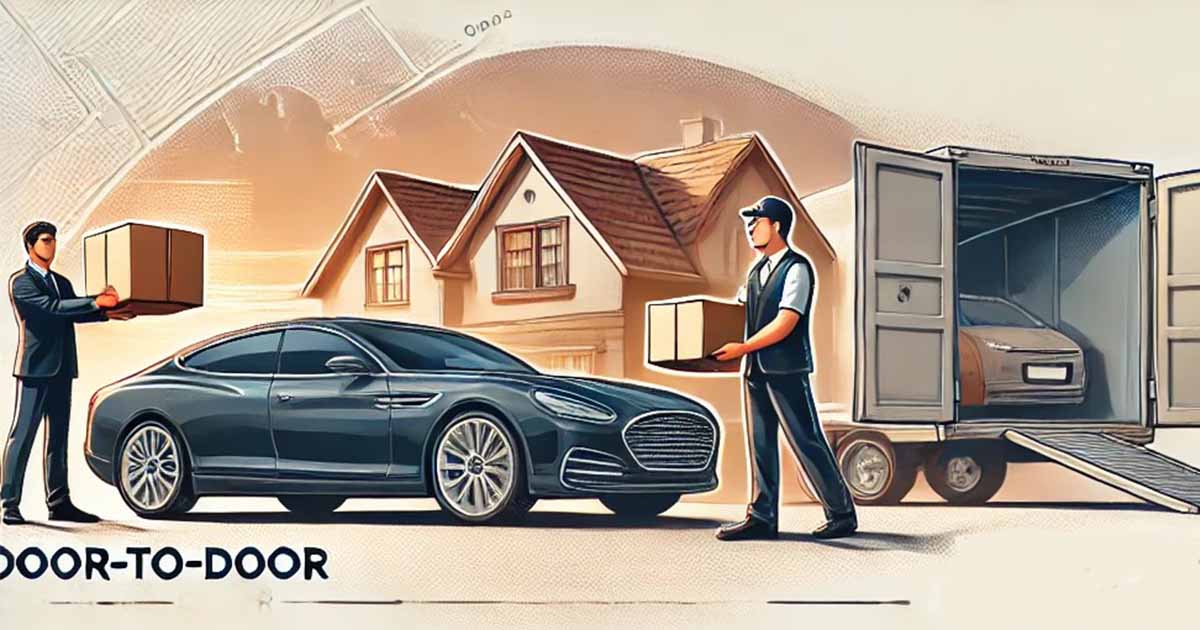
Also, ask whether pickup and delivery will be true door-to-door or whether you'll need to meet the driver at a nearby lot. Large carriers often can't navigate narrow residential streets, gated communities, or low-clearance areas, so a stop at a nearby parking lot is sometimes the more realistic plan.
Dispatcher note: if you live on a narrow street, in a gated community, or somewhere with tight turns or low-hanging branches, mention it when you book. It's far easier for dispatch to plan around it in advance than to redirect a driver who's already en route.
If you're shipping from Texas or anywhere nationwide, Flix Auto Transport vets every carrier in its network and gives you a fixed quote before anything moves.
The Factor Most People Overlook: Who's Managing the Shipment
Carrier type matters, but the broker managing your shipment matters more. The dispatch team is where most of the real operational work happens, sourcing carriers, coordinating logistics, solving problems when something shifts. A weak dispatch operation means dropped calls, last-minute surprises, and a carrier that shows up late with no explanation.
With enclosed trailer auto transport, especially, who's managing the load matters as much as the trailer type itself. An experienced, responsive dispatch team can find the right carrier faster, communicate proactively, and handle complications without making them your problem.
Beyond dispatch quality, look for these signals when evaluating a company: consistent reviews across Google, BBB, Trustpilot, and Facebook (not just one platform); upfront pricing that doesn't change; and clear communication about what's realistic on timing and availability. The auto transport industry has a well-earned reputation for over-promising. Companies that don't do that, that tell you honestly what's possible and then deliver on it, are rarer than they should be, and worth choosing when you find them.
Open vs. Enclosed Auto Transport
For most people shipping most vehicles, open is the right answer. It's reliable, cost-effective, widely available, and used successfully for millions of shipments every year. The exposure risk is real but manageable, and for a standard vehicle, the economics are straightforward.
For high-value, classic, exotic, or sentimental vehicles, enclosed is the right answer, not because open is dangerous, but because the stakes are different. When potential cosmetic damage or the emotional weight of the vehicle exceeds the price gap between options, enclosed is simply the responsible choice.
The most important variable, though, isn't which trailer your car rides in. It's who you trust to manage the move. A great broker with an open carrier will outperform a careless one with an enclosed one every time. Ask the right questions, read the reviews, and choose a company that communicates clearly before, during, and after delivery.
Frequently Asked Questions
Can my car get damaged on an open carrier?
Minor cosmetic exposure, dust, light road grime are normal. Meaningful structural or paint damage from transport is uncommon when vehicles are properly secured. If the condition on arrival is critical, choose enclosed.
Is enclosed car shipping always worth the extra cost?
For standard vehicles, usually not. For high-value, classic, or show vehicles, almost always yes. The premium typically runs 40–70% over open transport, reasonable for significantly better protection and handling on the right vehicle.
How far in advance should I book?
For open transport, 5–10 days on major routes is generally sufficient. For enclosed, 1–3 weeks is more realistic, especially in peak season. If you have a hard deadline, communicate it upfront and book earlier than you think you need to.
Does the time of year matter?
Yes. Peak season (spring through early fall) means higher demand for both options, but enclosed carriers book up faster. Winter offers more availability and often better pricing, though some routes see fewer carriers overall.
Can I request top-load on an open carrier?
Yes, in most cases. Top-load means your vehicle rides on the upper deck rather than underneath other vehicles, reducing exposure to road debris or anything that might drip or fall from a car above yours. Many carriers can accommodate this, though it sometimes comes with a small added fee and may narrow which trucks are available for your route. Ask for it specifically at booking, since it's not automatic.
What's the real difference between hard-sided and soft-sided enclosed trailers?
Hard-sided trailers have rigid metal walls and offer the strongest protection, including better structural integrity if the trailer is ever involved in a road incident. Soft-sided trailers use heavy canvas-style siding over a frame. They still fully block weather, road debris, and UV exposure, and typically cost less, but they don't offer the same physical protection. For classic, exotic, or irreplaceable vehicles, it's worth requesting hard-sided specifically rather than assuming "enclosed" automatically means hard-sided.
Can a lowered or modified vehicle be shipped safely?
Yes, but it needs to be flagged at booking. Lowered vehicles, vehicles on aftermarket air suspension, or anything with reduced ground clearance can struggle with standard loading ramps and may need a carrier with hydraulic lift gates or low-angle ramps. Tell your broker the exact ground clearance and any modifications upfront so they can match you with the right equipment.
Can I leave personal items in the car during shipping?
Generally, no, or only a small amount. Most carriers' insurance and DOT regulations don't cover personal belongings inside the vehicle, only the vehicle itself. Some carriers allow a small number of lightweight items in the trunk, often capped around 100 lbs, but this is carrier-specific and never guaranteed.
What if my home isn't accessible to a large carrier?
Door-to-door service means the carrier gets as close as is safely and legally possible, though it doesn't always mean literally in your driveway. If your location isn't accessible, the driver will typically ask to meet at a nearby safe location, like a large parking lot. Mentioning this at booking lets dispatch plan for it.
What does the carrier's insurance actually cover, and is it enough?
Every licensed carrier is required to carry cargo insurance, but coverage limits vary and are sometimes lower than the value of a high-end vehicle. Ask for a copy of the carrier's insurance certificate and confirm the per-vehicle coverage limit before booking, especially for luxury, exotic, or classic vehicles. If your vehicle's value is close to or above that limit, ask your broker about supplemental coverage.
What happens if a carrier cancels or falls through?
This happens occasionally, usually due to a breakdown, scheduling conflict, or a carrier overbooking its own capacity. A broker with a strong dispatch team and a large carrier network should be able to rebook your shipment with another vetted carrier, typically with no change to your original price. Before booking, ask what happens if your assigned carrier falls through. A vague answer is a warning sign, since a reliable broker should already have a clear backup process.
Related articles
Expert advice and real experiences to make your car shipping simple and stress-free.




.jpg)






.jpg)



.jpg)



.jpg)


















.webp)