Exploring Your Options for Vehicle Shipping Services


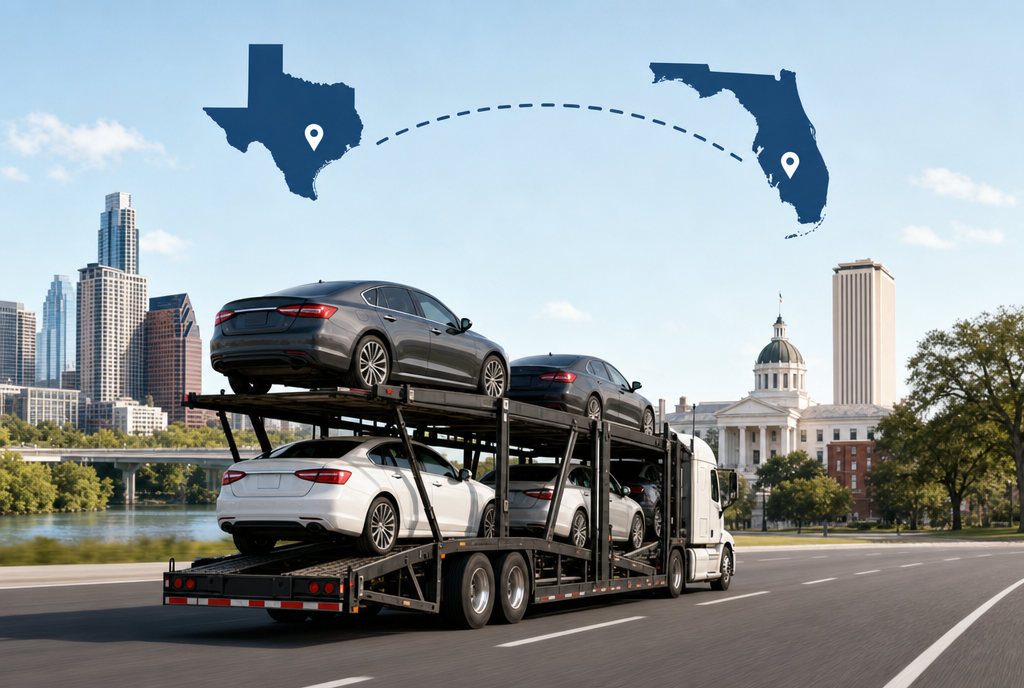
When it comes to vehicle shipping, Flix Auto Transport offers a range of transport options to suit your needs. Our services cater to various vehicle types and weights, ensuring safe and efficient delivery. We provide comprehensive insurance coverage for peace of mind during transit. In this article, we’ll explore the different aspects of vehicle shipping, from choosing the right service to preparing your car for transport. Keep reading to learn more about Flix Auto Transport and how to contact us for your vehicle shipping needs.
Choosing the Right Vehicle Shipping Service for You
When shipping your vehicle, you’ll need to navigate options like envelope services, flat rate pricing, and dimensional weight calculations. Consider factors such as customs regulations and cargo requirements. To choose the right service, you’ll want to understand the types of shipping available, evaluate your budget and timeline and review customer feedback. These steps will help you select a vehicle shipping service that meets your specific needs about Flix Auto Transport.
Understand Different Types of Vehicle Shipping
You have several options when it comes to shipping your vehicle. Open transport is the most common and cost-effective method, while enclosed transport about Flix Auto Transport offers added protection for luxury or classic cars. Terminal-to-terminal shipping can reduce costs, but door-to-door service provides more convenience. Your choice will depend on factors like your budget, timeline, and the vehicle’s value. Consider these options when getting quotes from carriers contact us:
- Open transport vs. enclosed transport
- Terminal-to-terminal vs. door-to-door service
- Expedited shipping for faster delivery
- International shipping for overseas transport
Each option has its own fee structure and affects the overall cost to ship your vehicle. You’ll need to provide your zip code and vehicle details to get accurate quotes from carriers like DHL. Remember that the cheapest option isn’t always the best, so weigh the pros and cons of each service carefully.
Consider Your Budget and Time Frame
Your budget and time frame play crucial roles in selecting the right vehicle shipping service. If you’re shipping to Alaska or Hawaii, expect higher freight costs due to the distance and specialized transport needed. For more economical options, consider FedEx Ground for shorter distances or slower shipping times. Remember that expedited services will increase the price, so weigh your urgency against your budget constraints.
Assess Insurance and Safety Measures
You’ll want to carefully review insurance coverage and safety measures when selecting a vehicle shipping service. Check if the transport company offers adequate protection for your vehicle during transit, especially if you’re shipping to Canada or Puerto Rico. Consider additional insurance options to safeguard against potential damages. Evaluate the logistics provider’s safety record and ask about their procedures for securing vehicles during transport. Ensure the payment process is secure and understand the company’s policies for handling claims. Here are key factors to consider:
- Insurance coverage limits and options
- Safety protocols for loading and unloading vehicles
- Tracking systems for real-time updates
- Secure payment methods
- Claims process and resolution timelines
Read Reviews and Get Recommendations
You should read customer reviews and seek recommendations before choosing a vehicle shipping service. Look for feedback on holiday shipping experiences, courier reliability, and overall satisfaction with shipping options. Check trusted review sites and industry articles to compare shipping costs and service quality. Ask friends, family, or colleagues who have recently shipped vehicles for their personal recommendations.
Overview of Open vs. Enclosed Vehicle Transport
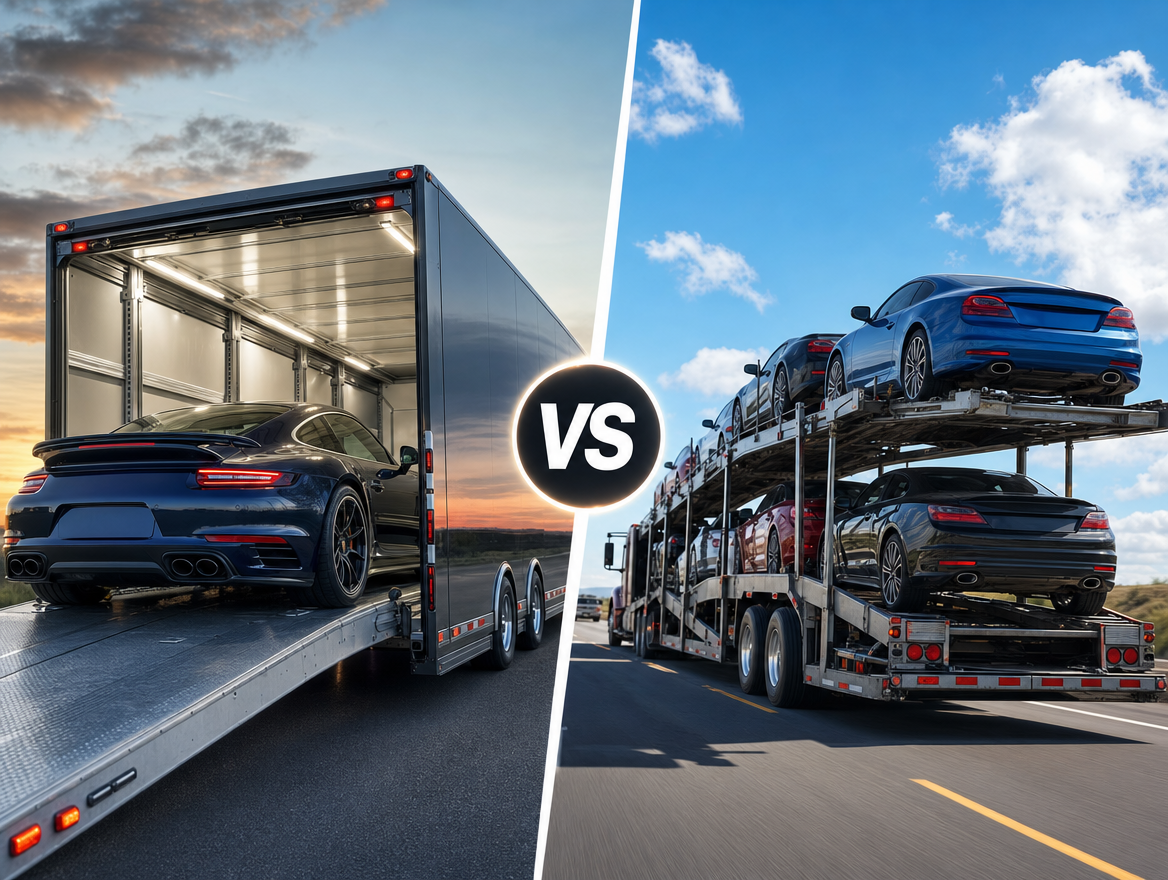
Vehicle shipping services offer two main transport options: open and enclosed carriers. Open transport exposes your vehicle to the elements but is more cost-effective, while enclosed transport provides superior protection at a higher price. You’ll need to weigh factors like your vehicle’s value, delivery timeline, and budget when choosing between these options. Consider the minimum requirements for each service, as well as how they align with your business needs. Some carriers offer ground shipping to a central distribution center, which can affect both cost and convenience. Understanding the pros and cons of each method will help you make an informed decision for your vehicle transport needs.
Pros and Cons of Open Vehicle Shipping
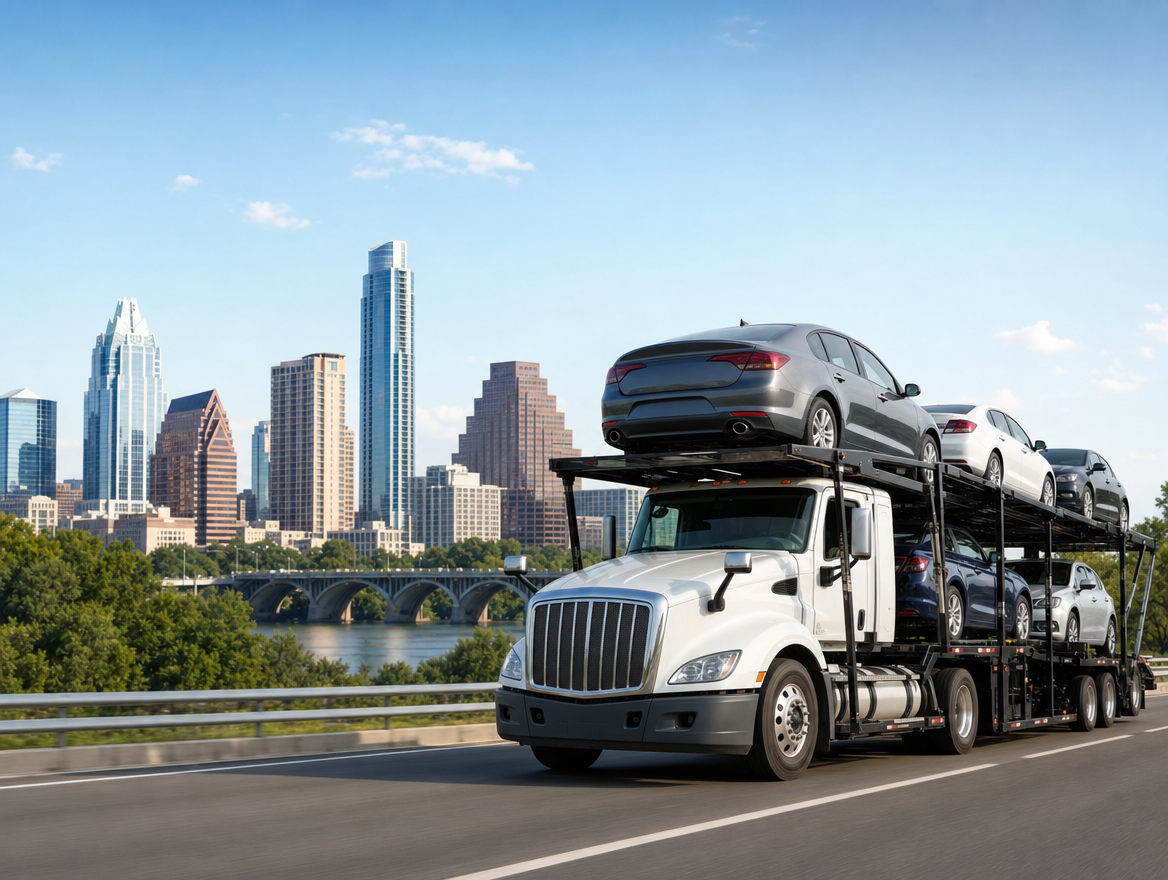
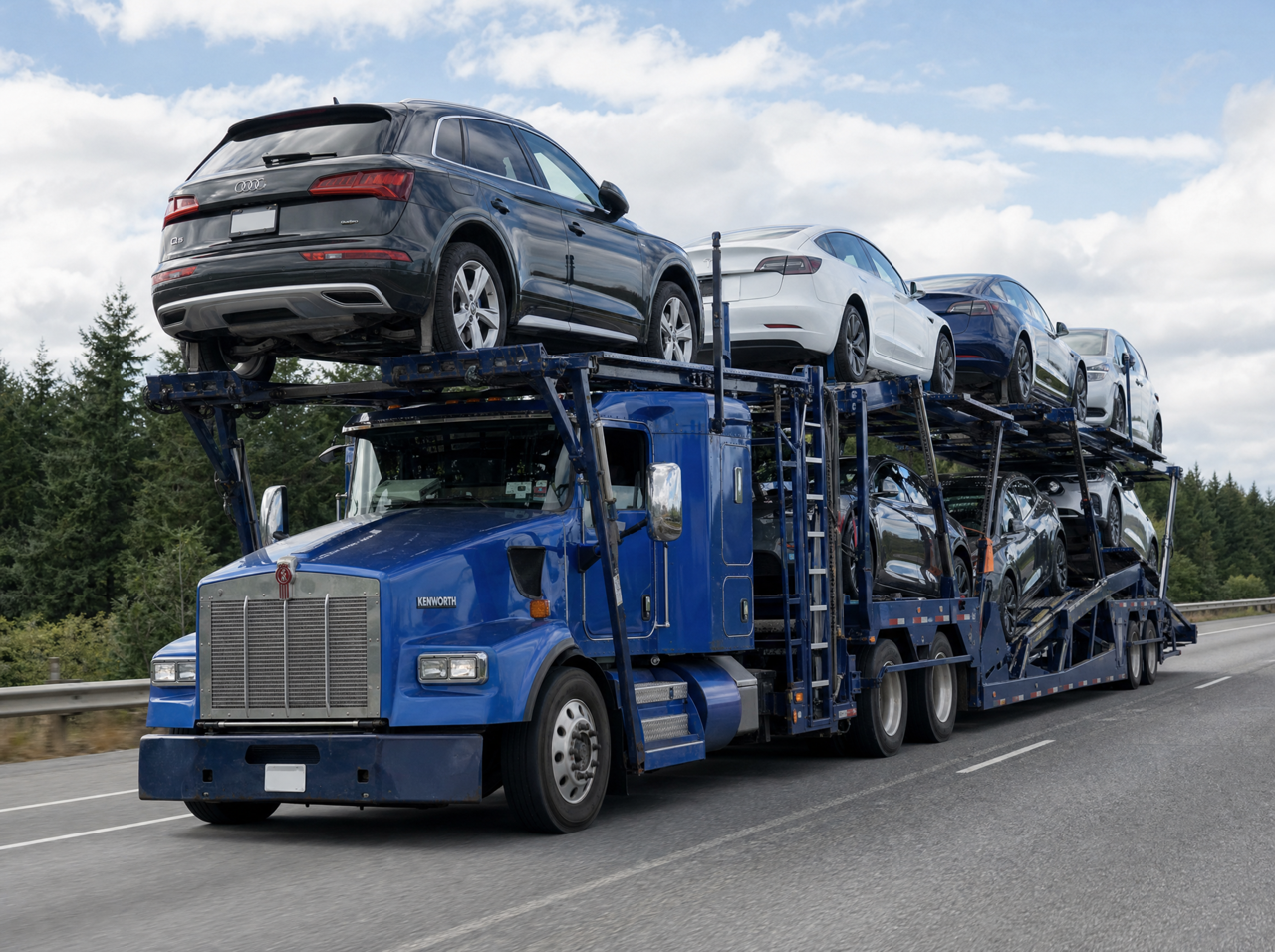
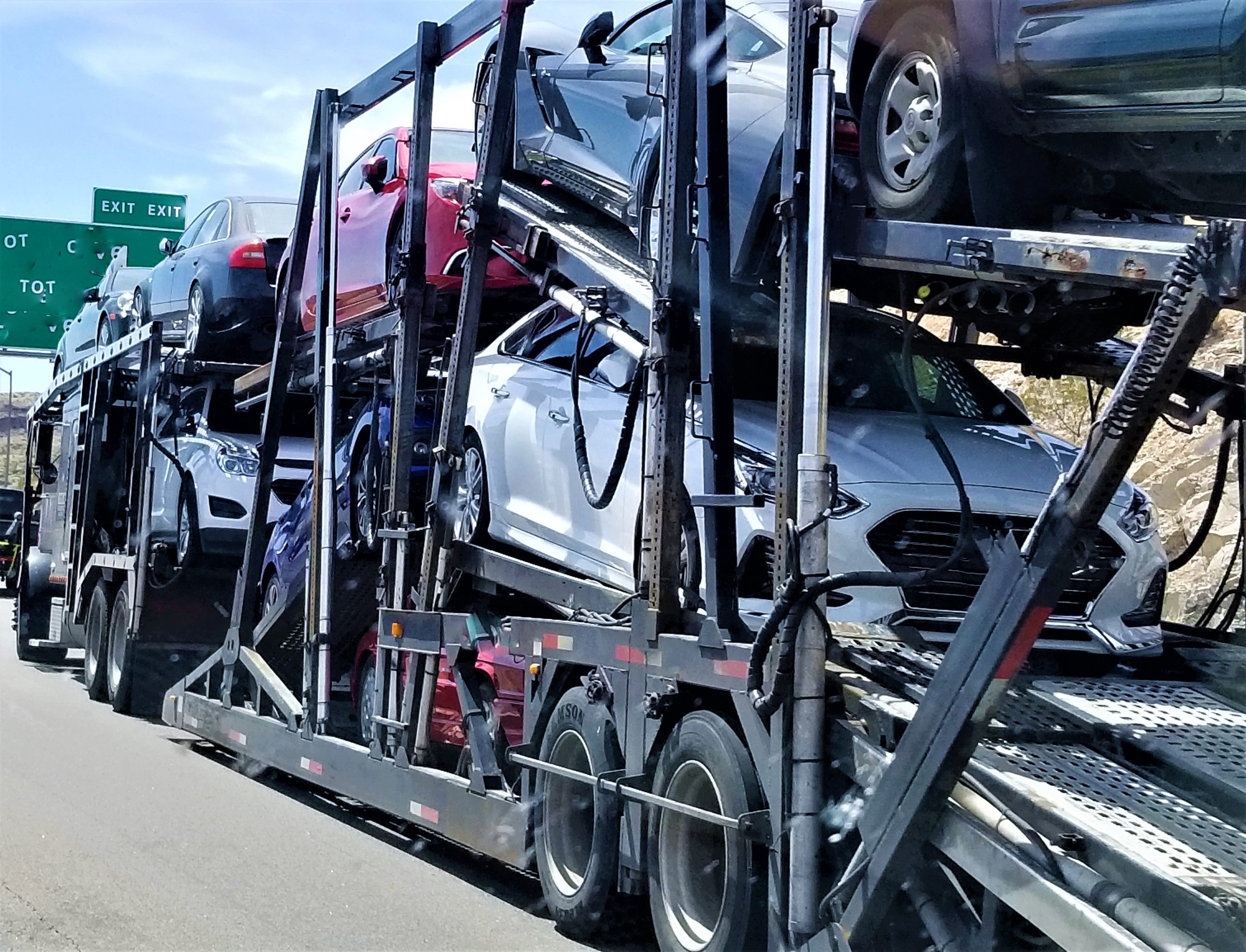
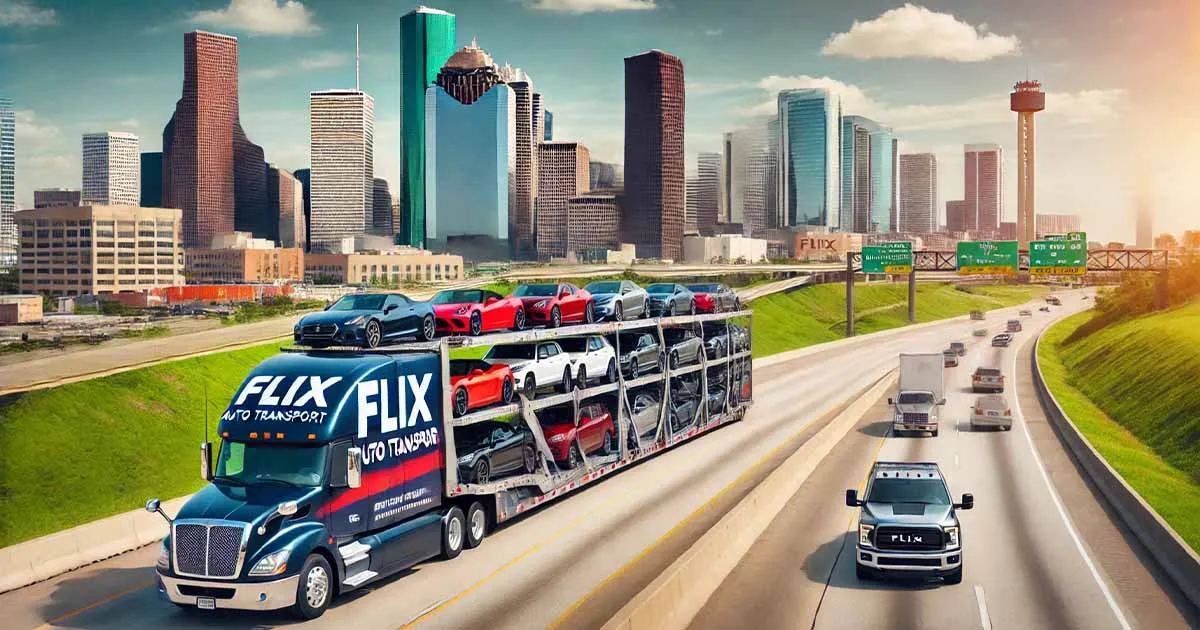
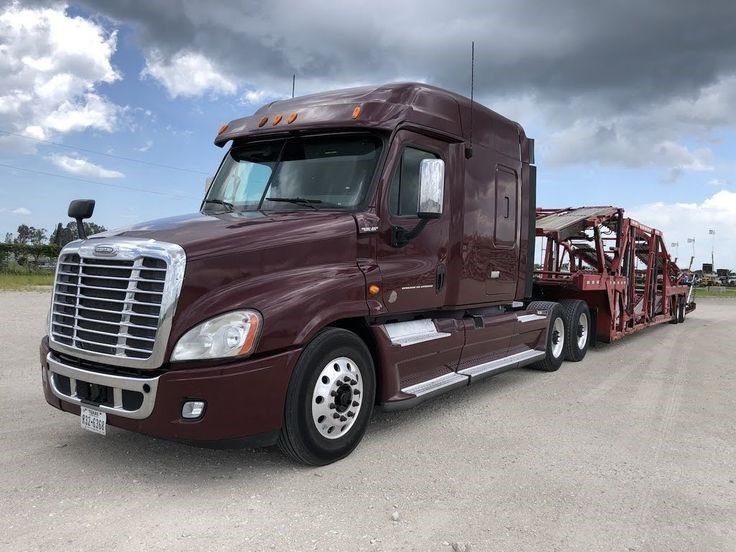
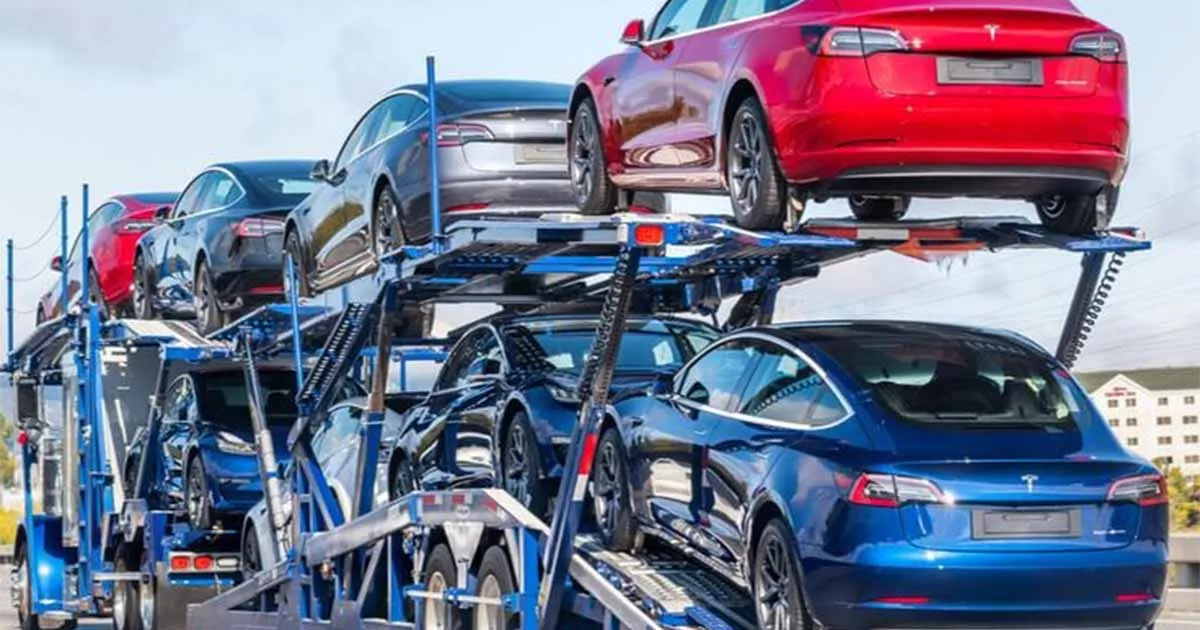
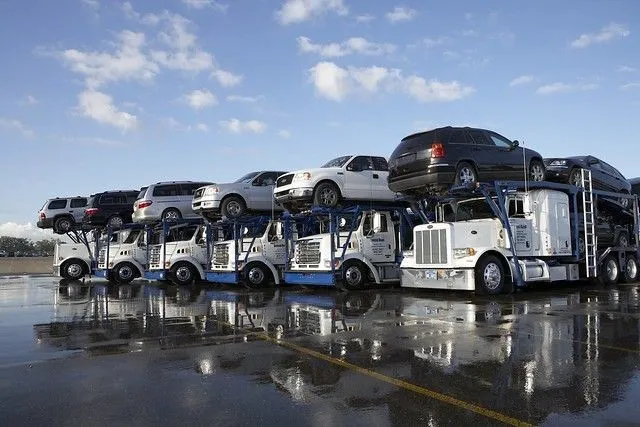
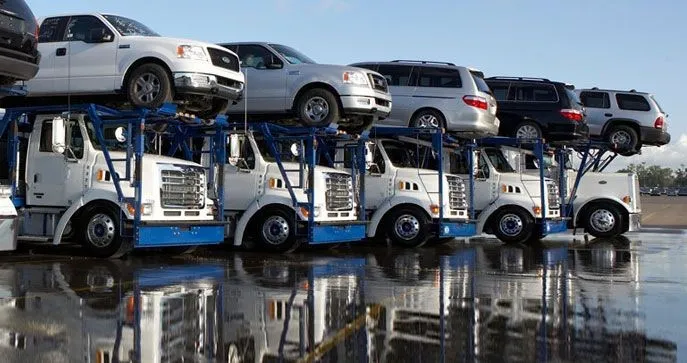
You’ll find open vehicle shipping offers lower shipping rates compared to enclosed transport, making it a popular choice for many customers. This method allows carriers to transport multiple vehicles at once, increasing efficiency and speed of delivery. However, your car will be exposed to road debris and weather conditions during transit. While this is generally safe for most vehicles, it may not be ideal for high-value or classic cars. Open transport is similar to how new cars are delivered to dealerships, providing a balance between cost-effectiveness and practicality that suits most shipping needs better than options like FedEx Express or furniture delivery services.
When to Choose Enclosed Vehicle Shipping
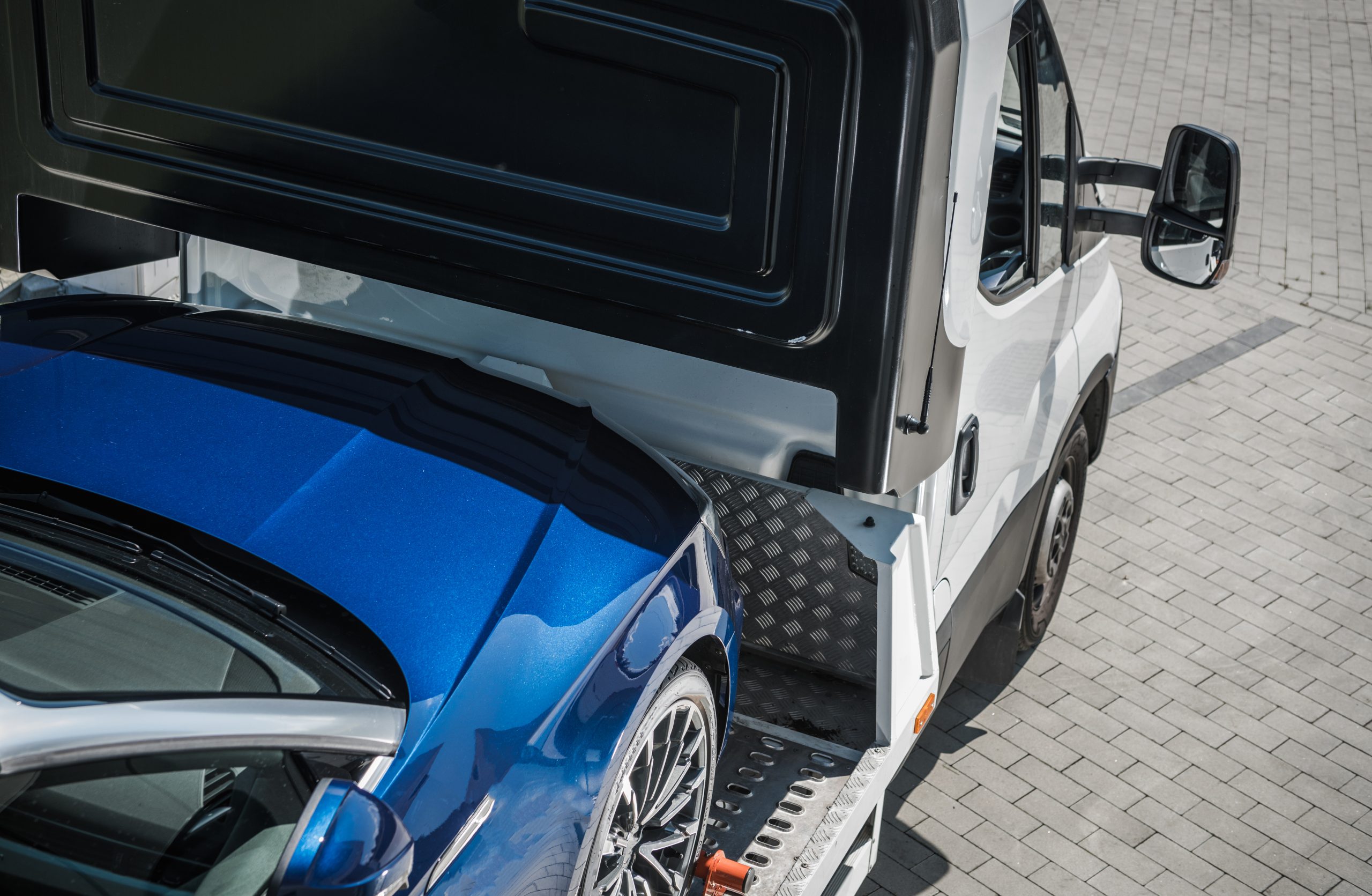
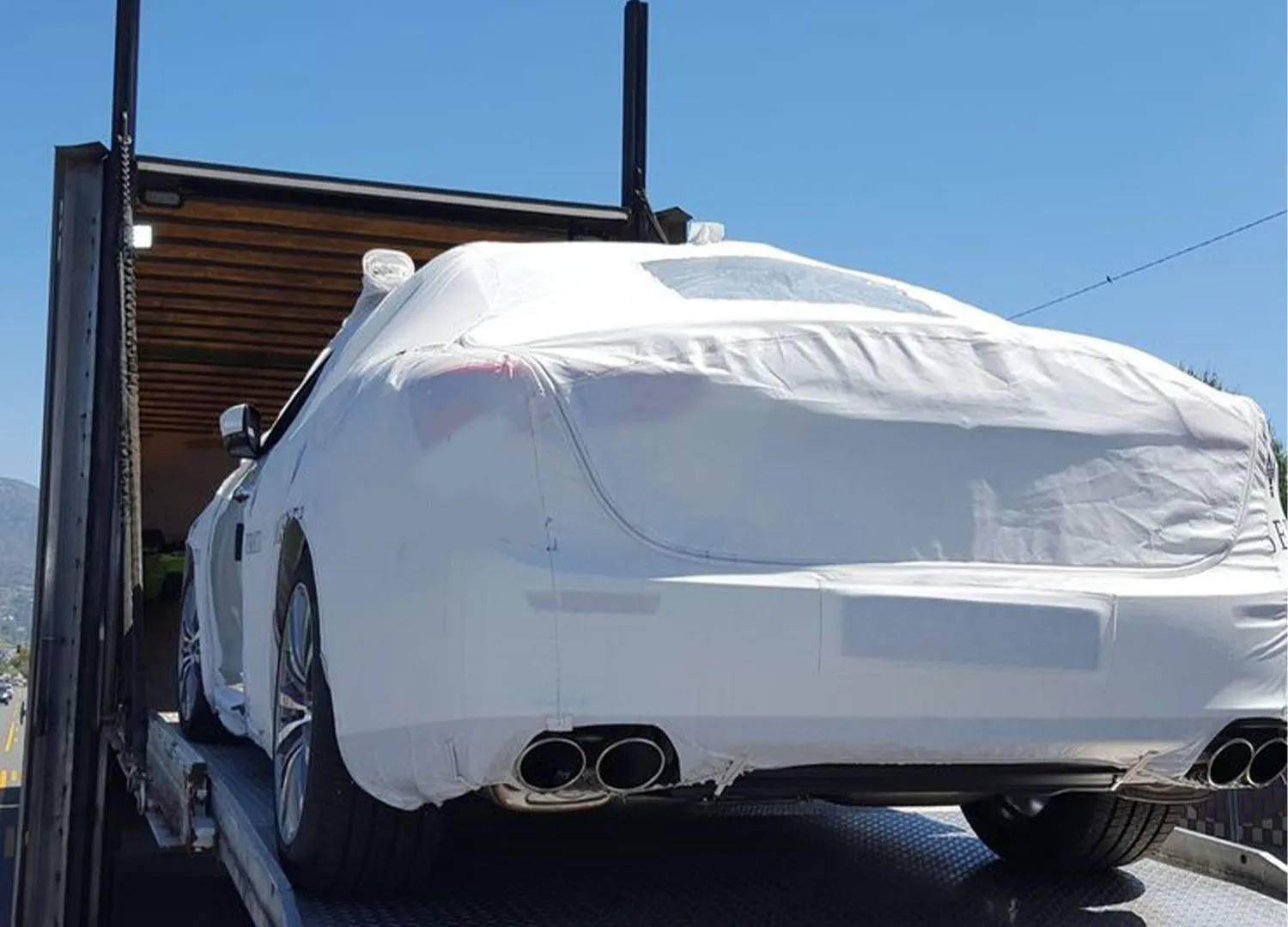
You should choose enclosed vehicle shipping when you have a high-value, classic, or luxury car that requires extra protection during transport. This option shields your vehicle from road debris, weather, and potential theft, making it worth the additional money. Before adding this service to your cart, gather information about the enclosed transport options available in the shipping company’s menu. Consider factors like your vehicle’s value, the distance of transport, and your budget to determine if this premium option aligns with your needs.
- Protects high-value, classic, or luxury vehicles
- Shields from road debris and weather
- Reduces risk of theft during transport
- Costs more than open transport
- Ideal for long-distance or cross-country shipping
Cost Comparison Between Open and Enclosed Transport
You’ll find open transport typically costs 30-40% less than enclosed shipping. Use an online quote tool to compare prices for both options based on your specific vehicle and route. Remember that while enclosed transport is pricier, it offers additional protection that may be worth the investment for high-value or classic cars.
Terminal to Terminal Vehicle Shipping Explained
Terminal to terminal vehicle shipping offers a cost-effective alternative to door-to-door services. You’ll drop off your vehicle at a designated terminal, where it’s loaded onto a carrier with other cars heading in the same direction. This method can save you money, but requires more effort on your part. It’s ideal for flexible schedules and budget-conscious shippers. Understanding how this process works, its benefits, and when it’s most appropriate will help you decide if it’s the right choice for your vehicle transport needs.
How Terminal to Terminal Shipping Works
You’ll start the terminal-to-terminal shipping process by dropping your vehicle off at a designated facility. The carrier will then load your car onto a transport truck along with other vehicles heading in the same direction. Once your vehicle reaches the destination terminal, you’ll pick it up within a specified timeframe.
Benefits of Using Terminal Shipping
You’ll find terminal-to-terminal shipping offers significant cost savings compared to door-to-door service. By dropping off and picking up your vehicle at designated terminals, you eliminate the need for individual pickups and deliveries, which reduces the carrier’s expenses. This option also provides more flexibility in scheduling, as you can choose when to drop off and collect your vehicle within the terminal’s operating hours.
Ideal Situations for Terminal to Terminal Services
You’ll find terminal-to-terminal services ideal if you have a flexible schedule and are looking to save money on vehicle shipping. This option works well for urban areas with easily accessible terminals and for those who don’t mind arranging their own transportation to and from the shipping facilities. It’s particularly suitable if you’re shipping a standard vehicle that doesn’t require special handling or if you’re coordinating a move where you’ll already be traveling to the destination city.
Door to Door Vehicle Shipping Explained
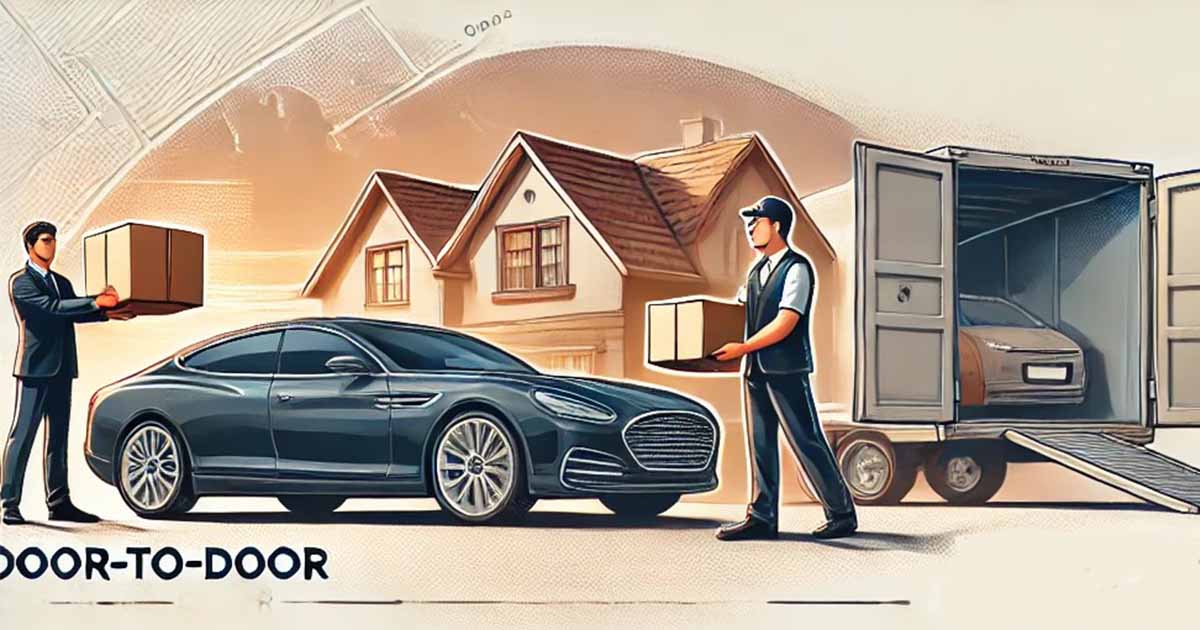
Door-to-door vehicle shipping offers a convenient solution for transporting your car directly from your current location to your desired destination. This service eliminates the need for you to drop off or pick up your vehicle at a terminal, saving you time and effort. While it may come at a higher cost compared to terminal shipping, the added convenience often justifies the expense for many customers. To ensure a smooth pickup process, you’ll need to properly prepare your vehicle according to the carrier’s guidelines. Understanding the benefits, costs, and preparation requirements of door-to-door shipping will help you determine if this option best suits your needs.
The Convenience of Door to Door Shipping
Door-to-door vehicle shipping offers you unparalleled convenience. The carrier picks up your vehicle from your specified location and delivers it directly to your destination, saving you time and effort. This service is particularly beneficial if you have a busy schedule or limited transportation options to reach shipping terminals.
Comparing Costs With Terminal Shipping
You’ll find that door-to-door shipping typically costs more than terminal-to-terminal services. The price difference reflects the added convenience and personalized service of direct pickup and delivery. Consider your budget and time constraints when weighing these options:
- Door-to-door: Higher cost, maximum convenience
- Terminal-to-terminal: Lower cost, requires more effort
- Hybrid options: Some carriers offer pickup or delivery to one location
- Distance factors: Longer routes may have smaller price gaps between services
How to Prepare Your Vehicle for Pickup
You’ll need to properly prepare your vehicle for door-to-door pickup to ensure a smooth shipping process. Remove all personal items from your car and leave only about a quarter tank of fuel. Wash your vehicle and document any existing damage with photos. Disable your car alarm and provide the carrier with a spare key. These steps will help expedite the pickup process and protect both you and the shipping company during transport.
Understanding Auto Transport Brokers vs. Carriers
You’ll need to decide between working with an auto transport broker or dealing directly with a carrier when shipping your vehicle. Brokers act as intermediaries, connecting you with multiple carriers and handling the logistics, while carriers are the companies that physically transport your vehicle. Understanding the roles, advantages, and potential drawbacks of each option will help you make an informed decision based on your specific needs, budget, and preferences. Consider factors such as pricing, convenience, and customer service when choosing between these two options for your vehicle shipping needs.
The Role of an Auto Transport Broker
You’ll find that auto transport brokers act as intermediaries between you and carriers. They handle the logistics of your vehicle shipment, connecting you with multiple carriers to find the best rates and services. Brokers typically offer a wider range of options and can save you time by managing the bidding and booking process on your behalf.
- Research and compare multiple carriers
- Negotiate rates and terms
- Handle paperwork and scheduling
- Provide customer support throughout the shipping process
- Offer insurance options and claim assistance
When to Deal Directly With a Carrier
You should consider dealing directly with a carrier when you have specific requirements for your vehicle transport or prefer more control over the shipping process. This approach can be beneficial if you’ve researched carriers and found one that aligns perfectly with your needs, or if you have an established relationship with a particular transport company. Direct communication with carriers can sometimes lead to more competitive pricing, especially for repeat customers or those with unique shipping requirements:
- Specific vehicle handling needs
- Preferred routes or timelines
- Established relationship with a carrier
- Desire for direct communication
- Potential for negotiated rates
Tips for Choosing Between a Broker and a Carrier
You should weigh the pros and cons of using a broker versus a carrier based on your specific needs and circumstances. Consider factors such as your budget, timeline, and the complexity of your shipment when making your decision. If you value convenience and access to multiple options, a broker may be your best choice, while dealing directly with a carrier could be preferable if you have specialized requirements or want more control over the shipping process.
Expedited Shipping Options for Your Vehicle
Expedited shipping services offer a faster way to transport your vehicle when time is of the essence. You’ll find these options particularly useful for urgent relocations, tight deadlines, or when you need your car at its destination quickly. Understanding what expedited shipping entails, when it’s most beneficial, and how it impacts costs will help you decide if this premium service aligns with your needs. Keep in mind that while expedited shipping comes at a higher price, it can provide significant value in time-sensitive situations.
Defining Expedited Shipping in the Auto Transport Industry
Expedited shipping in the auto transport industry refers to faster-than-standard delivery of your vehicle. You’ll typically receive priority placement on carriers and benefit from more direct routes, reducing transit times significantly compared to regular shipping options. This premium service often includes guaranteed pickup and delivery dates, allowing you to plan your schedule with greater certainty.
When to Consider Expedited Vehicle Shipping
You should consider expedited vehicle shipping when time is crucial. This service is ideal for last-minute relocations, job transfers, or when you need your car quickly at a new destination. Expedited shipping also proves valuable for classic car shows, auctions, or urgent business needs that require your vehicle’s prompt arrival.
- Urgent relocations or job transfers
- Classic car shows or auctions
- Business needs requiring quick vehicle arrival
- Tight deadlines for vehicle delivery
- Seasonal moves with limited time frames
Estimating the Cost of Expedited Services
You’ll find that expedited shipping services typically cost 30-50% more than standard vehicle transport. Request quotes from multiple carriers, specifying your need for expedited service, to get accurate pricing for your specific situation. Remember that factors like distance, vehicle type, and current demand can impact the final cost of expedited shipping.
International Vehicle Shipping: What You Need to Know
International vehicle shipping requires careful planning and consideration of numerous factors. You’ll need to navigate complex customs regulations, choose between various shipping methods, and select a reliable international transport partner. Understanding key considerations like documentation requirements, insurance coverage, and potential import duties will help ensure a smooth process. By familiarizing yourself with these aspects and working with experienced shipping providers, you can successfully transport your vehicle across borders while minimizing risks and avoiding unexpected costs.
Key Considerations for International Transport
You must carefully consider several factors when shipping your vehicle internationally. Research customs regulations, import duties, and documentation requirements for your destination country. Choose between shipping methods like container shipping or roll-on/roll-off (RoRo) based on your budget and vehicle’s needs. Ensure you have adequate insurance coverage for international transport and select a reputable shipping company with experience in global vehicle logistics.
Navigating Customs and Import Requirements
You’ll need to navigate complex customs and import requirements when shipping your vehicle internationally. Research the specific regulations for your destination country, including necessary documentation, taxes, and duties. Prepare the required paperwork, such as the vehicle’s title, registration, and bill of sale. Some countries may have restrictions on vehicle age, emissions standards, or modifications, so verify your car meets all criteria before shipping:
- Gather all required documentation
- Research destination country’s import regulations
- Verify vehicle compliance with local standards
- Calculate import duties and taxes
- Arrange for customs clearance assistance if needed
Choosing the Right International Shipping Partner
You should select an international shipping partner with extensive experience in global vehicle transport. Look for companies with established networks in your destination country, positive customer reviews, and transparent pricing. Verify their licensing, insurance coverage, and ability to handle customs clearance to ensure a smooth international shipping process for your vehicle.
Preparing Your Vehicle for Shipping
Preparing your vehicle for shipping is a crucial step to ensure a smooth transport process. You’ll need to follow a specific checklist to ready your car for its journey, gather essential documents required by shipping companies and customs officials, and conduct thorough inspections before and after transport. By taking these steps, you’ll protect your vehicle, comply with regulations, and have the necessary information to address any issues that may arise during shipping. Understanding these preparation requirements will help you navigate the vehicle shipping process with confidence and minimize potential complications.
Checklist for Vehicle Preparation
You’ll need to follow a specific checklist to prepare your vehicle for shipping. Clean your car thoroughly, both inside and out, to allow for accurate pre-shipping inspections. Remove all personal items, disable the alarm system, and ensure you have no more than a quarter tank of gas. Document any existing damage with photos and note your vehicle’s current mileage.
Important Documents Required for Vehicle Shipping
You’ll need to gather several important documents before shipping your vehicle. Prepare copies of your vehicle’s title, registration, and insurance information. If you’re not the owner, include a notarized letter of authorization from the titleholder. For international shipments, you may need additional paperwork such as a passport copy and customs forms.
Inspecting Your Vehicle Before and After Shipping
You should thoroughly inspect your vehicle before and after shipping to document its condition and identify any potential damage. Take detailed photos of your car’s exterior and interior, noting any existing scratches, dents, or other issues on the inspection report provided by the shipping company. Upon delivery, carefully examine your vehicle again, comparing its condition to your pre-shipping documentation and promptly report any discrepancies to the carrier.
Conclusion
Exploring your options for vehicle shipping services empowers you to make an informed decision that aligns with your specific needs and budget. By understanding the differences between open and enclosed transport, terminal-to-terminal and door-to-door shipping, and the roles of brokers versus carriers, you can choose the most suitable service for your vehicle. Proper preparation, including gathering necessary documents and conducting thorough inspections, ensures a smooth shipping process and protects your interests. Ultimately, selecting the right vehicle shipping service saves you time, money, and stress while ensuring your car reaches its destination safely and efficiently.
Related articles
Expert advice and real experiences to make your car shipping simple and stress-free.




.jpg)








.jpg)



.jpg)



.jpg)


























.webp)