Expert Tips for Transporting


Expert tips for transporting classic and vintage cars safely
Transporting classic and vintage cars is a delicate process that requires specialized care and attention. These vehicles are not just modes of transportation; they are valuable pieces of history, cherished by collectors and enthusiasts alike. Whether you’re moving a rare collectible or a beloved family heirloom, ensuring that your vehicle arrives safely at its destination is crucial. This guide will cover 10 expert tips for transporting classic and vintage cars, from selecting the right transport method to preparing your car for the journey.
1. Understanding the unique needs of classic and vintage cars {#understanding-needs}
Classic and vintage cars are unique in their construction, materials, and history, which necessitates extra care during transport.
Age and fragility
Classic cars often have delicate, original parts that have become brittle over time. Materials like chrome, leather, and older forms of paint require gentle handling to avoid scratches, dents, or other damage.
Rarity and value
These vehicles are often rare, and finding replacement parts can be challenging. Any damage could significantly reduce the car’s value, making careful transport essential.
Sentimental value
For many, classic cars are not just vehicles; they hold immense sentimental value. Whether it’s a family heirloom or a car you’ve spent years restoring, safe transport is a top priority.
2. Choosing the right transport method {#choosing-method}
Selecting the appropriate transport method is crucial to ensure the safety of your classic car. Here’s a breakdown of the most common methods:
2.1. Enclosed transport {#enclosed-transport}
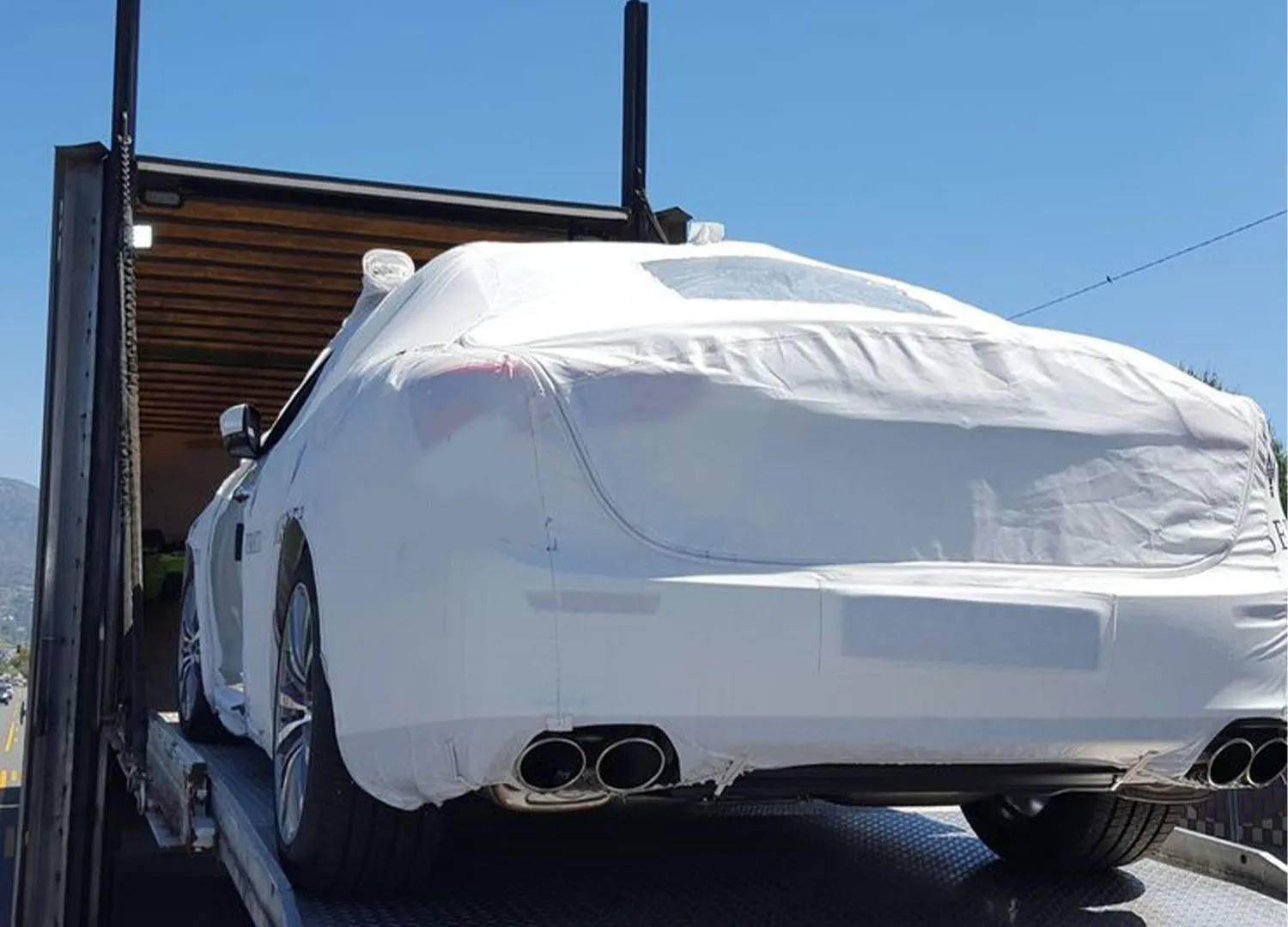
Enclosed transport involves placing your car in a covered trailer, offering maximum protection.
Pros of enclosed transport:
- Maximum protection: Shields your car from weather, road debris, and theft.
- Ideal for high-value vehicles: Best for rare or fragile cars.
Cons of enclosed transport:
- Higher cost: More expensive due to the added protection.
- Longer wait times: Fewer enclosed trailers available, leading to longer delivery times.
2.2. Open transport {#open-transport}
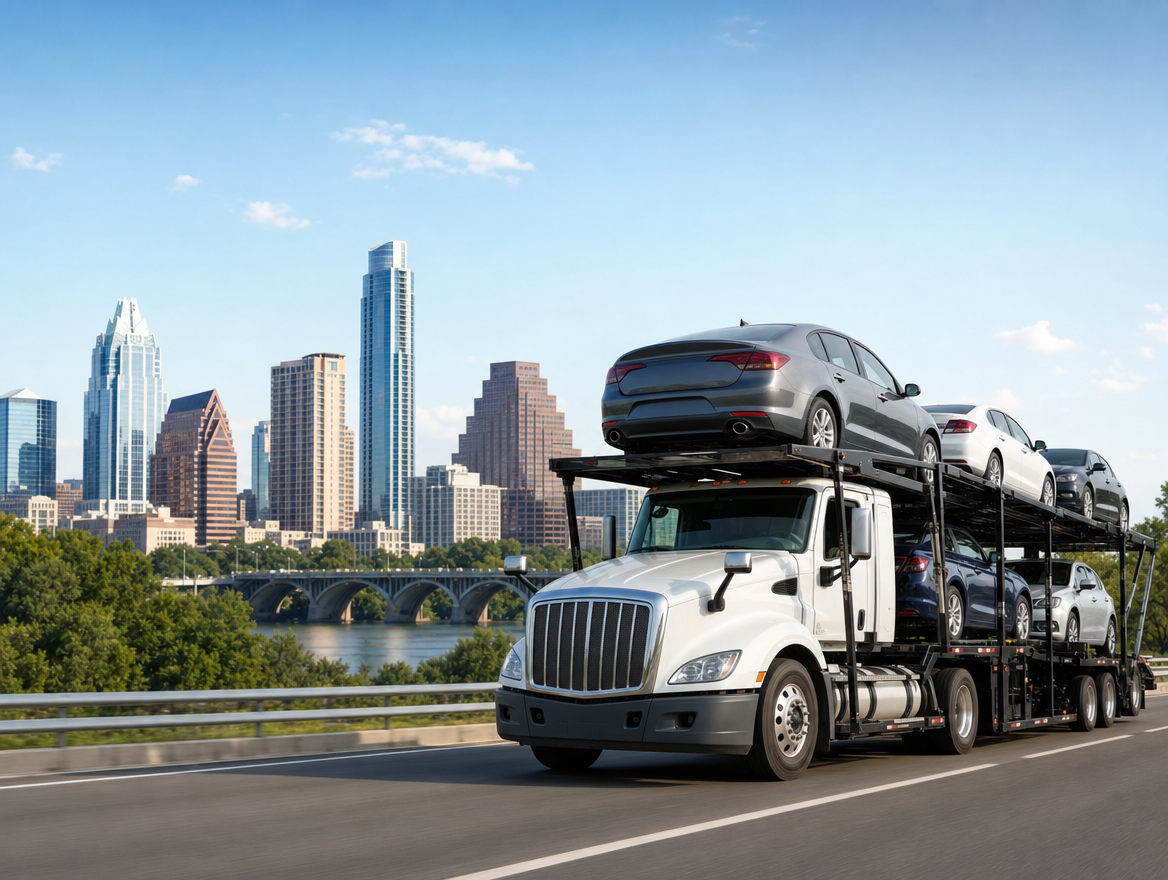
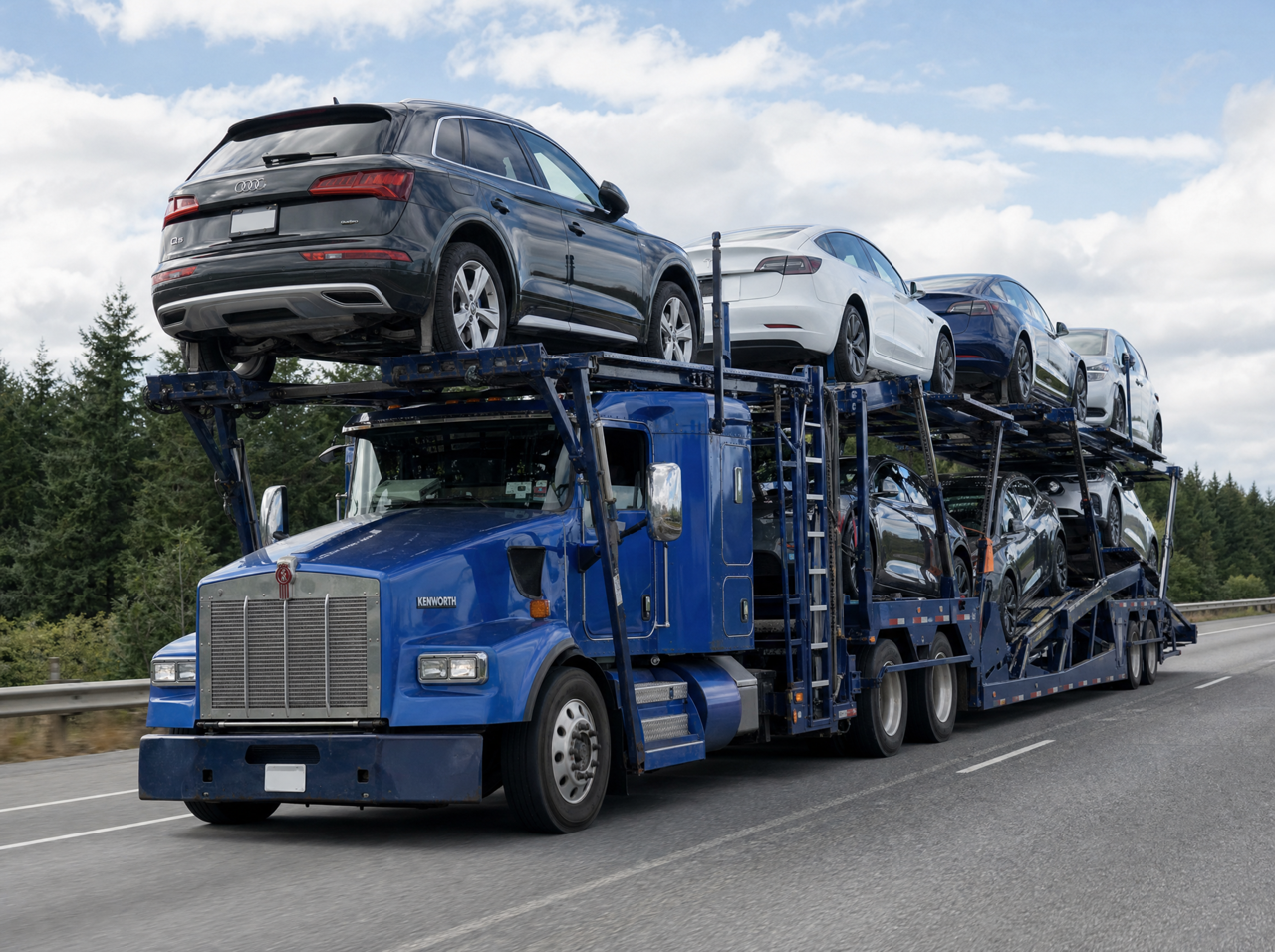
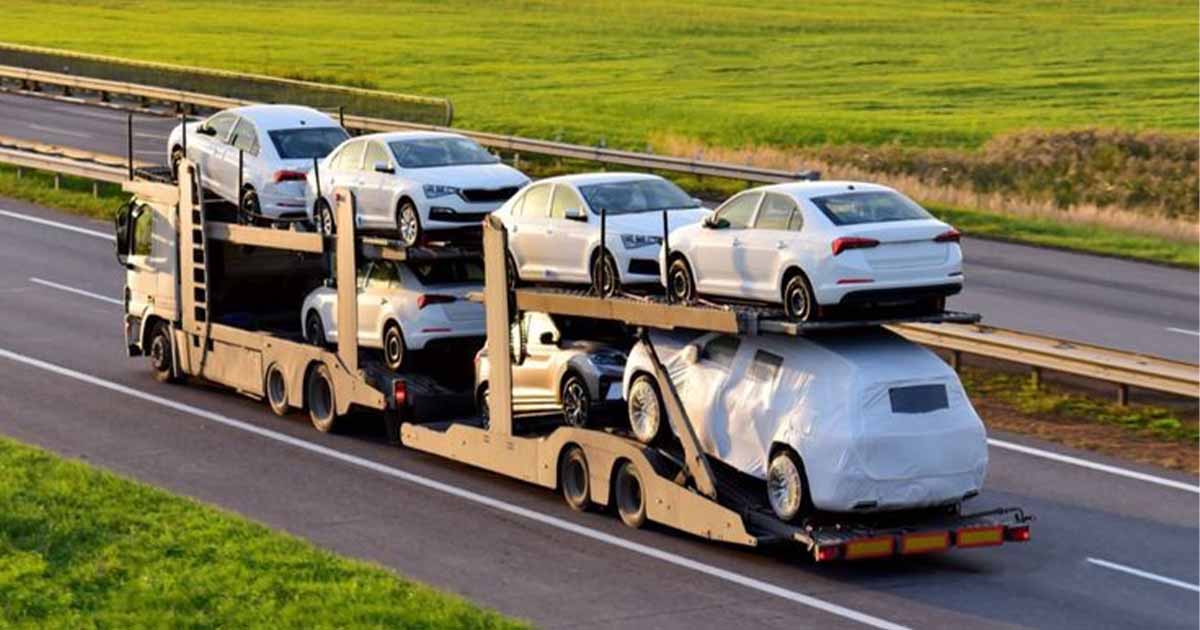
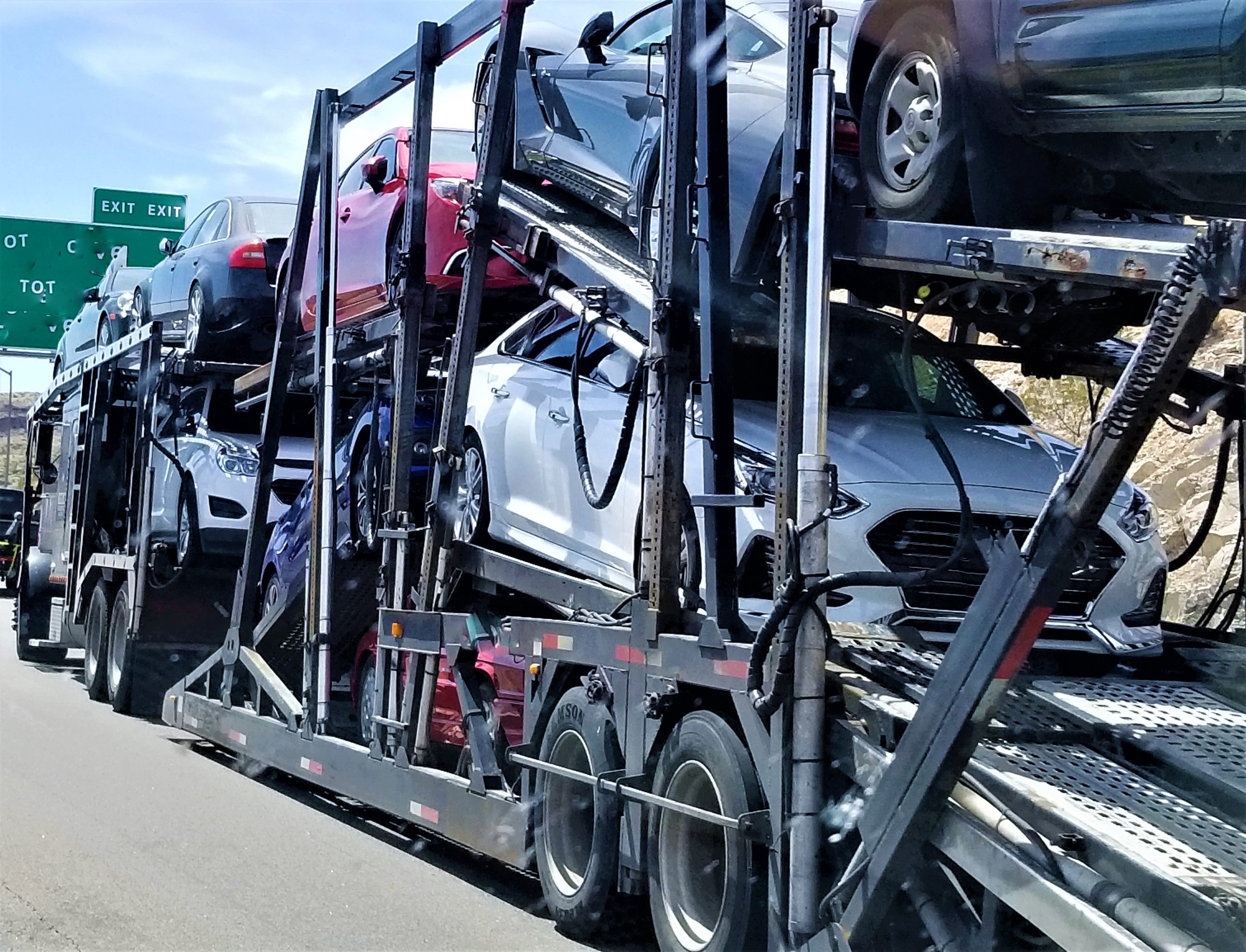
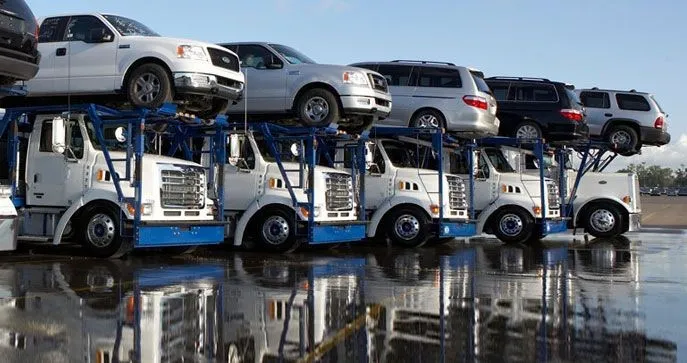
Open transport is more affordable and involves transporting your car on an open trailer.
Pros of open transport:
- Cost-effective: Generally cheaper than enclosed transport.
- Faster delivery: More carriers available, leading to quicker transport.
Cons of open transport:
- Exposure to elements: Your car is exposed to weather and road debris, increasing the risk of damage.
2.3. Flatbed transport {#flatbed-transport}
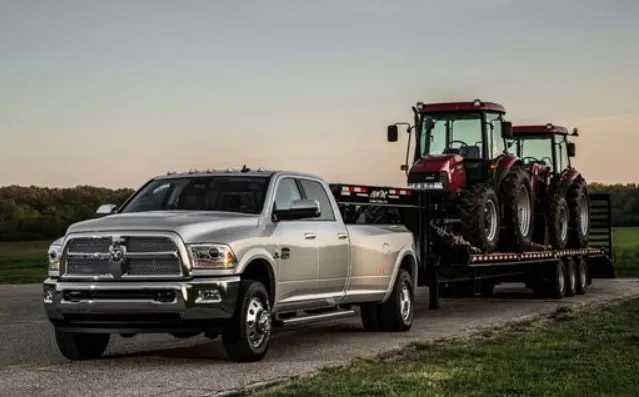
Flatbed transport is often used for short distances or non-running vehicles.
Pros of flatbed transport:
- Flexibility: Can accommodate a variety of vehicle types.
- Customized Service: Ideal for cars that can’t be driven onto a trailer.
Cons of flatbed transport:
- Limited availability: Less common, particularly for long distances.
- Higher cost: More expensive for longer distances due to specialized service.
3. Preparing your classic or vintage car for transport {#preparing-car}
Proper preparation is crucial to ensure your classic car arrives in the same condition it was in before transport.
3.1. Cleaning and Ddocumenting your vehicle’s condition
Start by cleaning your car thoroughly. A clean car makes it easier to inspect for any existing damage. Take detailed photographs, focusing on any scratches, dents, or rust spots. These photos will serve as proof of the car’s condition before transport, in case of any disputes.
3.2. Checking for leaks and mechanical issues
Inspect your car for any fluid leaks, such as oil, coolant, or brake fluid. If leaks are found, have them repaired before transport. Also, ensure that all mechanical aspects of the car, including brakes and steering, are in good working order.
3.3. Removing personal items
Remove all personal items from the car. These items are not covered by the transport company’s insurance and could be lost or damaged during transit. It’s also a good idea to remove any custom accessories, such as antennas or roof racks, to prevent damage.
3.4. Disabling the alarm system
If your car has an alarm system, make sure to disable it. An active alarm could drain the battery or cause interruptions during transport.
3.5. Securing loose parts
Ensure that any loose parts, such as antennas, mirrors, or hubcaps, are either secured or removed to avoid damage during transport.
3.6. Maintaining proper tire pressure
Check that your car’s tires are properly inflated before transport. This ensures safe loading and unloading and prevents damage during transit.
3.7. Checking and charging the battery
Ensure that your car’s battery is fully charged. A dead battery can complicate the loading and unloading process.
4. Understanding insurance coverage {#insurance-coverage}
Insurance is a critical aspect of transporting classic and vintage cars. Here’s what you need to know:
4.1. Reviewing your current auto insurance policy
Before arranging transport, check your current auto insurance policy to see what is covered during transit. This will help you decide if additional coverage is necessary.
4.2. Verifying carrier insurance
Ask the transport company for details about their insurance policy, including coverage limits. Ensure the coverage is sufficient to cover the full value of your vehicle.
4.3. Considering additional coverage
For extremely valuable or rare cars, consider purchasing additional insurance to cover the full value of the vehicle during transport.
5. Transporting classic cars internationally {#international-transport}
Transporting a classic car internationally involves additional complexities, including compliance with import/export laws and longer transport times.
5.1. Understanding import/export laws
Different countries have varying regulations regarding the import and export of vehicles. Research these laws to ensure compliance and avoid delays.
5.2. Selecting a reliable international shipping company
Choose a company with experience in international transport, particularly with classic cars. They will handle customs clearance and documentation, ensuring a smooth process.
5.3. Preparing for extended transport times
International transport takes longer due to customs clearance and shipping schedules. Plan accordingly and prepare for potential delays.
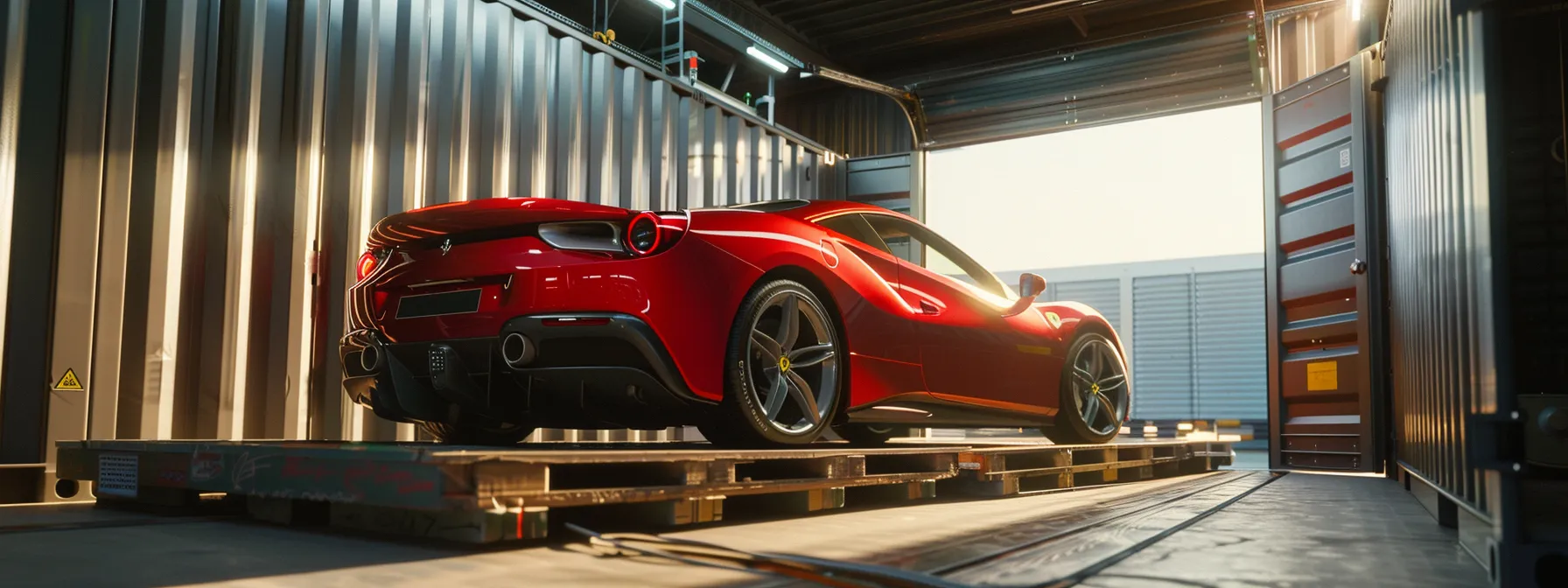
5.4. Considering climate-controlled shipping options
For long journeys, particularly by sea, consider using climate-controlled containers to protect your car from extreme temperatures and humidity.
6. Cost considerations {#cost-considerations}
The cost of transporting a classic car can vary widely depending on several factors:
6.1. Factors influencing transport costs
- Distance: Longer distances increase transport costs.
- Transport type: Enclosed transport is more expensive than open transport.
- Vehicle size/weight: Larger vehicles may require special accommodations, leading to higher costs.
- Season: Costs can be higher during peak seasons, such as summer.
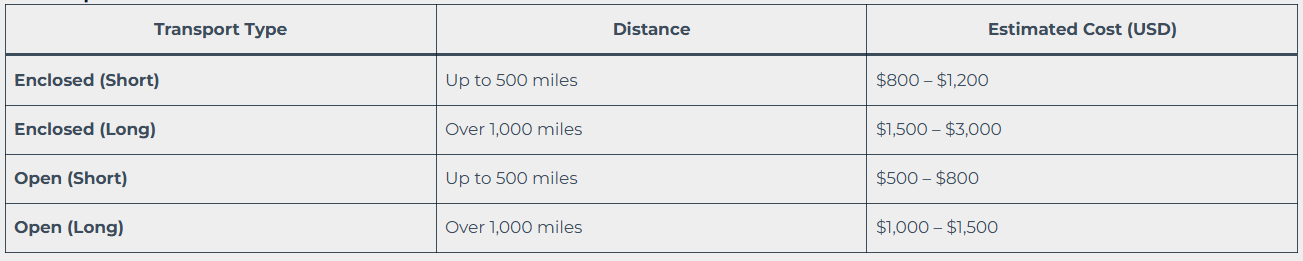
6.2. Sample cost breakdown
7. Tips for relecting the right transport company
Choosing the right transport company is crucial for ensuring the safe transport of your classic car.
7.1. Evaluating experience with classic cars
Ensure the company has experience transporting classic and vintage cars. These vehicles require special handling, and an experienced company will know how to load, transport, and unload your car without causing damage.
7.2. Checking reputation and reviews
Research the company’s reputation by reading online reviews and checking ratings on platforms. A company with a strong track record is more likely to provide a positive transport experience.
7.3. Verifying licensing and certification
Verify that the transport company is properly licensed and insured. In the U.S., for example, interstate transport companies should have a valid Department of Transportation (DOT) number. Ask for proof of licensing and insurance before committing.
7.4. Ensuring transparent pricing
Request a detailed quote that includes all costs associated with the transport, such as fuel surcharges, insurance, and any additional fees for special services. Avoid companies with unclear pricing structures.
8. Frequently asked questions (FAQs) {#faqs}
8.1. How do I choose between enclosed and open transport?
Enclosed transport is best for high-value or fragile vehicles, offering maximum protection. Open transport is more affordable but exposes the car to the elements, making it less suitable for rare or valuable vehicles.
8.2. What should I do if my classic car is damaged during transport?
Document the damage immediately, notify the transport company, and file a claim with their insurance. Additional coverage can help cover any gaps if the carrier’s insurance is insufficient.
8.3. Can I transport a non-running classic car?
Yes, many transport companies offer flatbed services for non-running vehicles. Ensure the company is equipped to handle this type of transport and confirm the necessary arrangements are made in advance.
8.4. Is climate-controlled transport necessary for my vintage car?
Climate-controlled transport is recommended for long journeys, especially internationally, to protect your car from extreme temperatures and humidity, which can damage sensitive materials like leather and older paint.
8.5. How far in advance should I book transport for my classic car?
Book as early as possible, ideally at least a month in advance, especially during peak seasons. This ensures availability and allows ample time for preparation.
9. Conclusion {#conclusion}
Transporting a classic or vintage car requires careful planning, the right transport method, and meticulous preparation to ensure its safe arrival. By understanding the unique needs of your vehicle, choosing the appropriate transport option, and selecting a reliable transport company, you can protect your valuable investment and ensure it reaches its destination in pristine condition.
Related articles
Expert advice and real experiences to make your car shipping simple and stress-free.






.jpg)






.jpg)




.jpg)



.jpg)




























.webp)