Ship Car Austin To Tallahassee: Cost, Time, and How to Book


The Austin-to-Tallahassee route covers roughly 870–910 miles depending on your exact pickup and delivery addresses. It's a well-traveled corridor: families relocating for work, Florida State and FAMU students moving in for the semester, and buyers picking up vehicles purchased out of state. If you're planning to ship a car from Austin to Tallahassee, this guide gives you the real numbers and practical context to make a confident decision.
How Far Is Austin to Tallahassee, and Why Does It Matter for Shipping?
The driving distance from Austin, TX to Tallahassee, FL is approximately 870 to 910 miles depending on the route, with most carriers taking I-10 East through Houston, Baton Rouge, and Pensacola before arriving in Florida's capital.
That distance puts this route squarely in the "medium-haul" category for auto transport, long enough to justify shipping over driving, short enough that transit times are predictable. Medium-haul routes like this are well-served by the carrier network because I-10 is one of the busiest freight corridors in the country. That means better carrier availability, more competitive pricing, and fewer scheduling delays compared to remote or low-demand routes.
This is good news for anyone looking to ship a car from Austin to Tallahassee: you're working with a route that carriers actually want to run.
What Does It Cost to Ship a Car from Austin to Tallahassee?
For a standard sedan on open transport, most customers shipping between Austin and Tallahassee should expect to pay somewhere between $650 and $1,050. The wide range reflects real variables, not padding, and understanding those variables is the difference between getting a fair price and overpaying.
Here's a more specific breakdown by transport type:
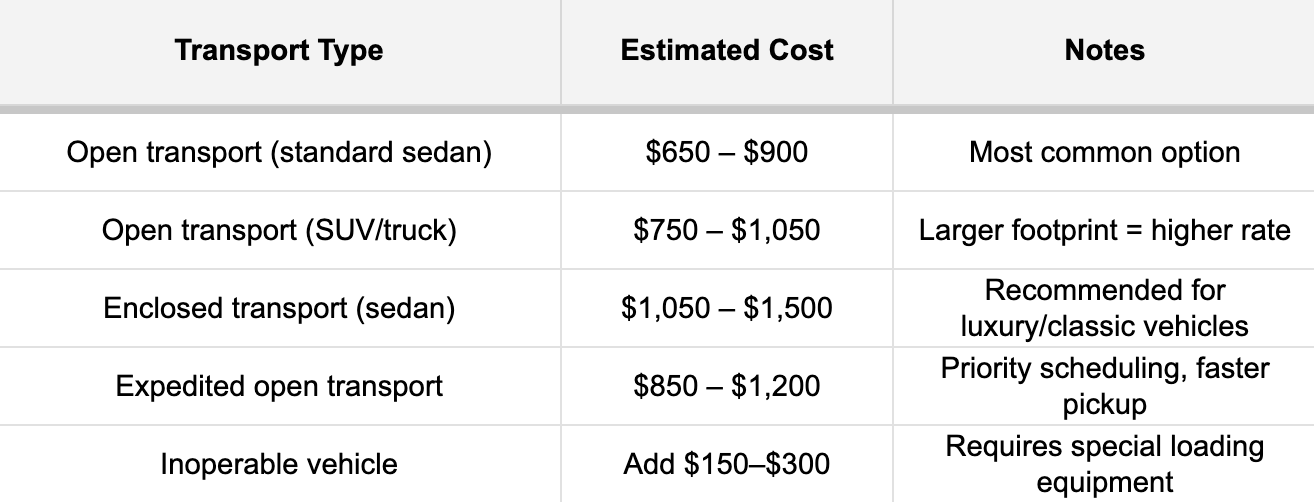
These are market-rate estimates based on current carrier pricing for this corridor. Quotes will vary depending on when you book, how flexible your pickup window is, and how quickly the carrier network is moving at that time.
What Factors Actually Move the Price Up or Down?
1. Seasonality
Auto transport pricing follows demand. The Austin-to-Florida corridor gets noticeably busier in late spring and summer, college move-ins, family relocations, and out-of-state buyer pickups all push demand up between March and September. If you're shipping in June or July, expect rates toward the higher end of the range. January and February are typically softer, and you may have more room to negotiate or find a lower base rate.
2. Your pickup window
Carriers dispatch based on load optimization, they need vehicles going in the same direction at roughly the same time. If you give a flexible 5–7 day pickup window, you're far more likely to get a competitive rate because you allow the carrier to fill their truck efficiently. A tight 1–2 day window pushes you toward expedited pricing.
3. Vehicle size and condition
Larger vehicles (full-size trucks, SUVs, vans) take up more trailer space and add weight, which increases carrier cost. Inoperable vehicles require a winch or special ramp equipment, which adds to the quote.
4. Open vs. enclosed transport
This is the single biggest pricing lever you control. Open transport is the standard, and it's what the vast majority of vehicles are shipped on, safely. Enclosed transport adds a meaningful cost premium, typically 40–70% more, and is worth it for specific vehicle types rather than as a default upgrade.
5. Current carrier availability on the route
Auto transport is a marketplace. If the I-10 corridor has strong carrier coverage on the week you need to ship, prices stay competitive. During periods of high demand or limited carrier capacity, brokers may need to offer a higher rate to attract a driver. A good broker will be upfront about this rather than quoting you a low number to win your business and then raising it later.
Open or Enclosed: Which Is Right for Your Car?
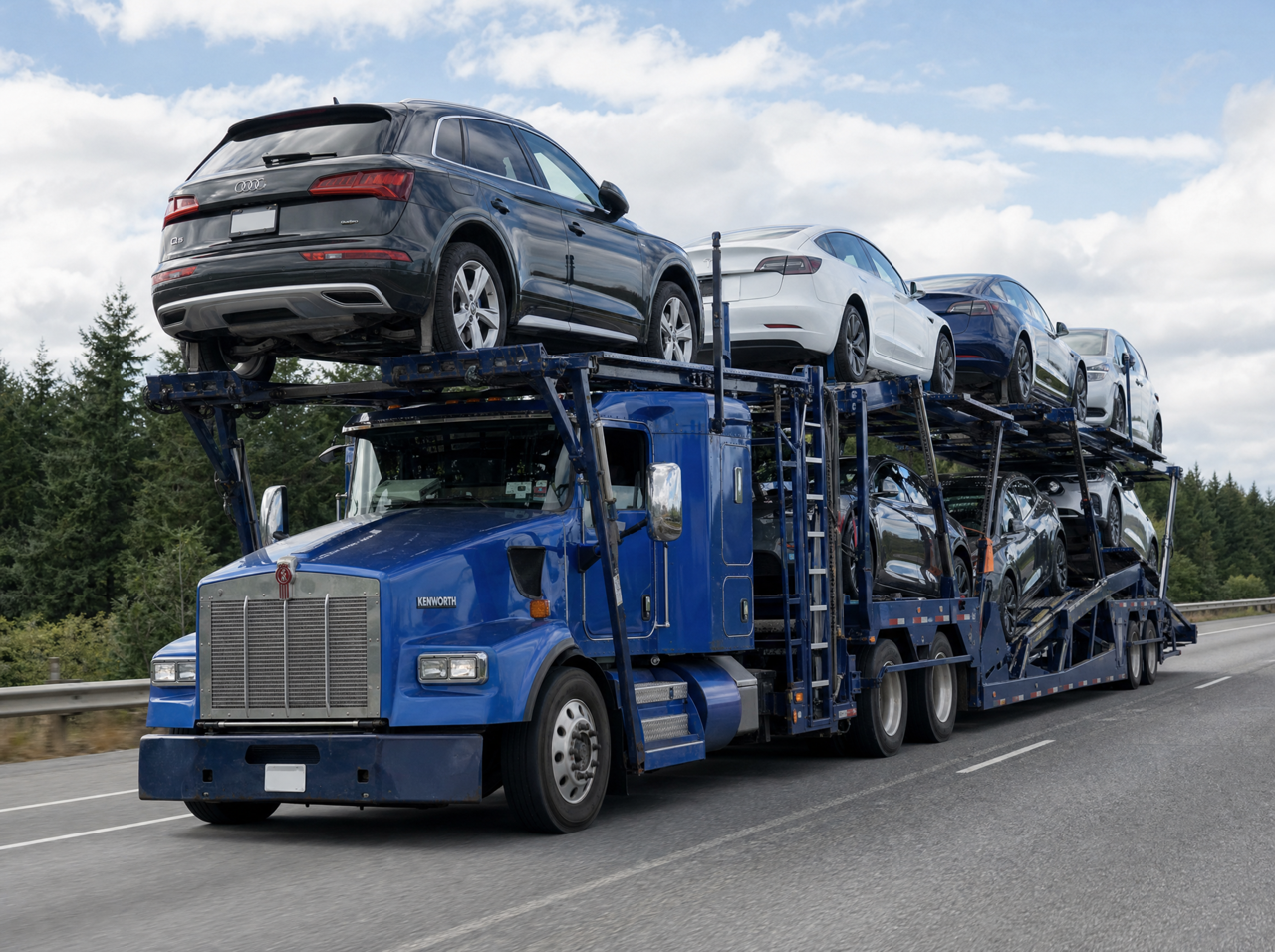
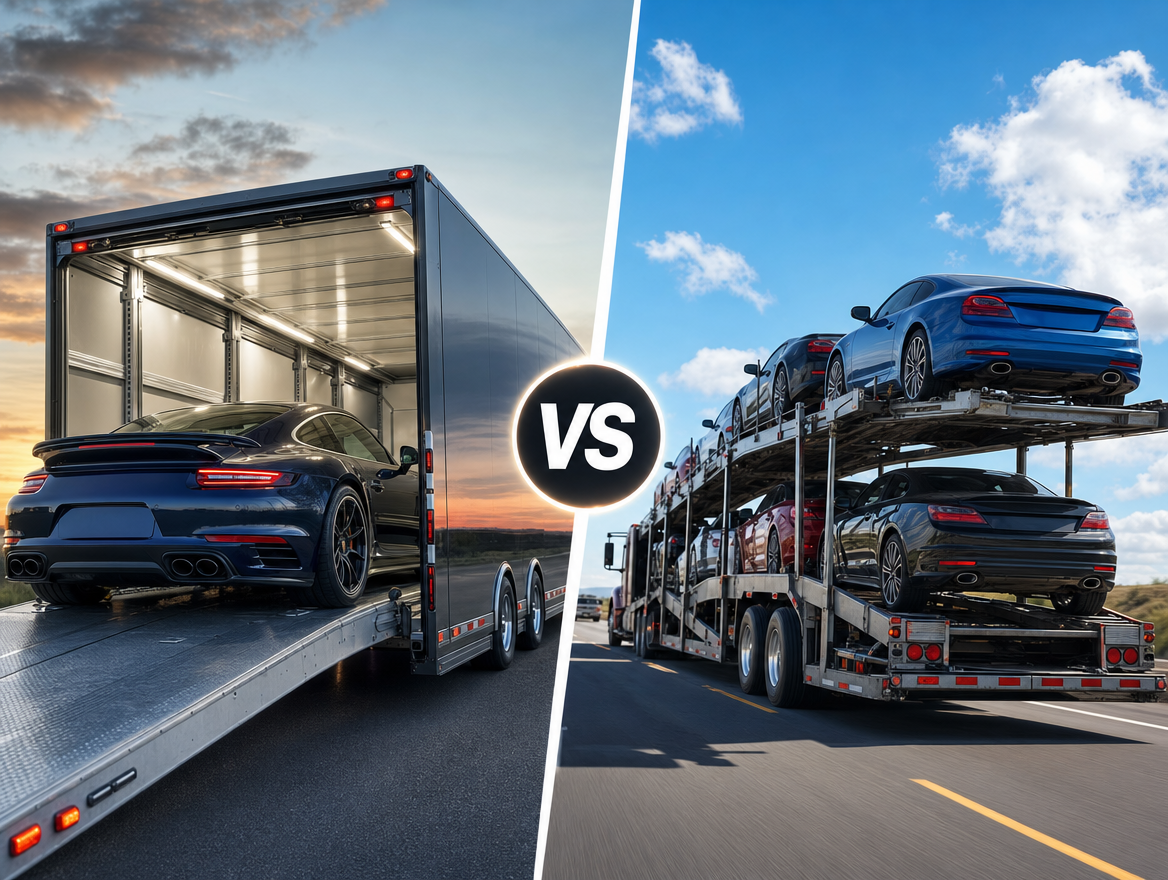
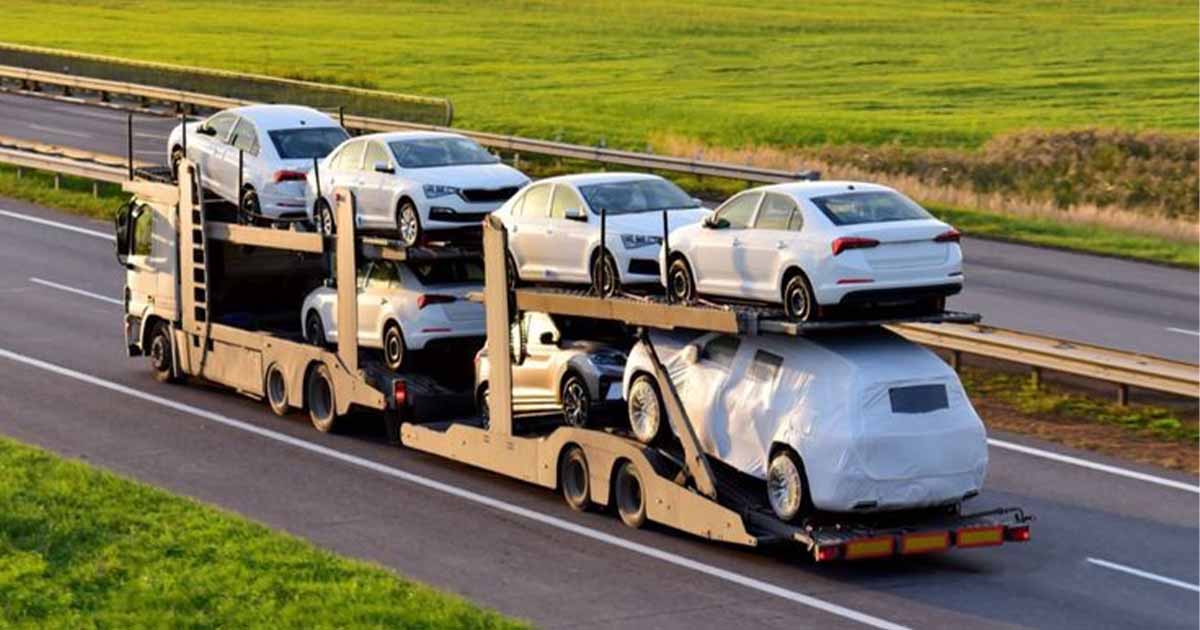
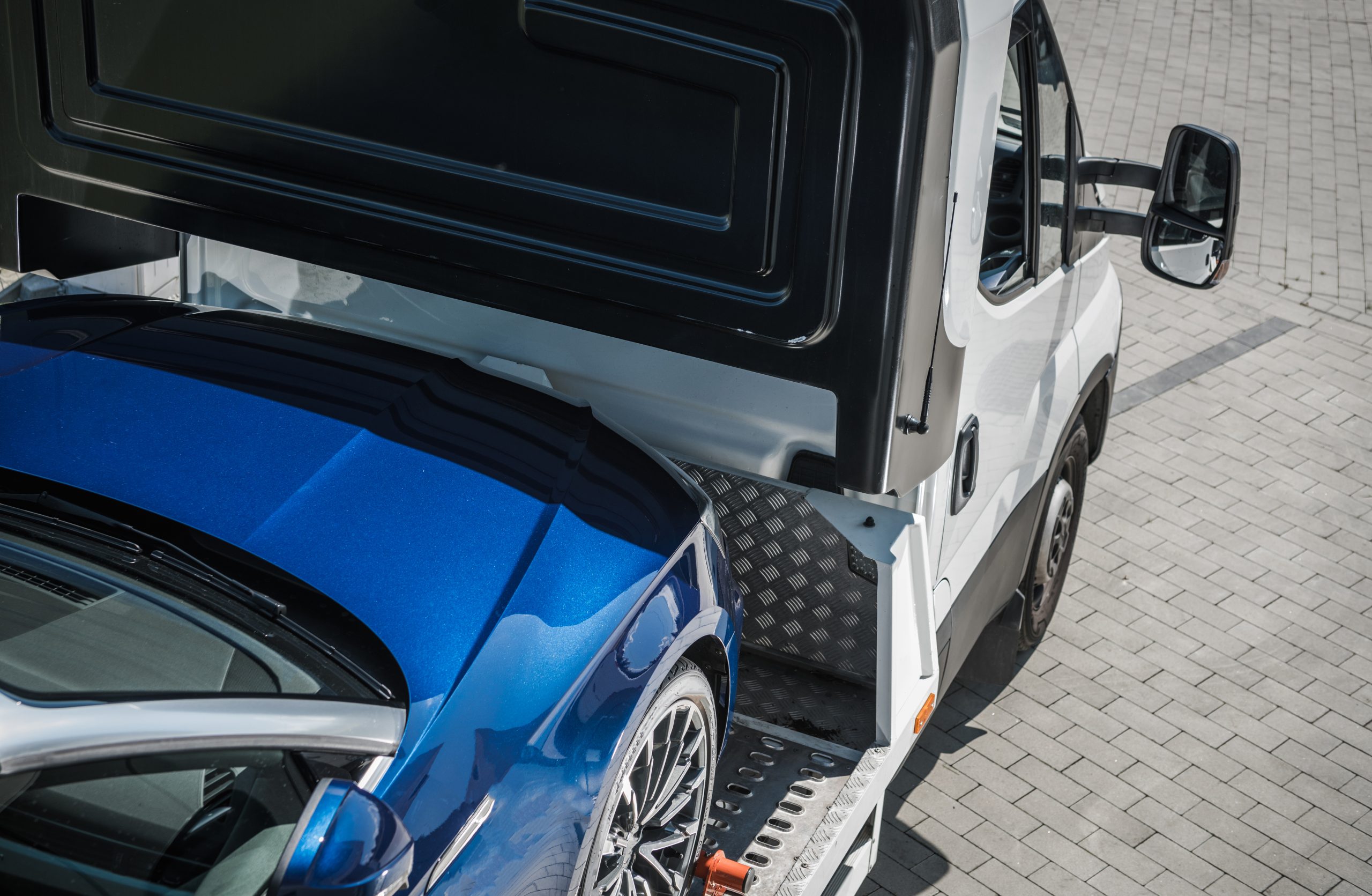
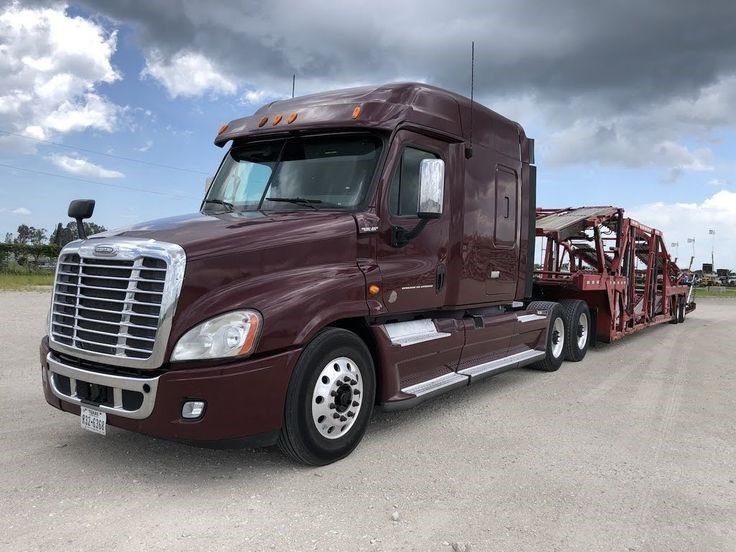
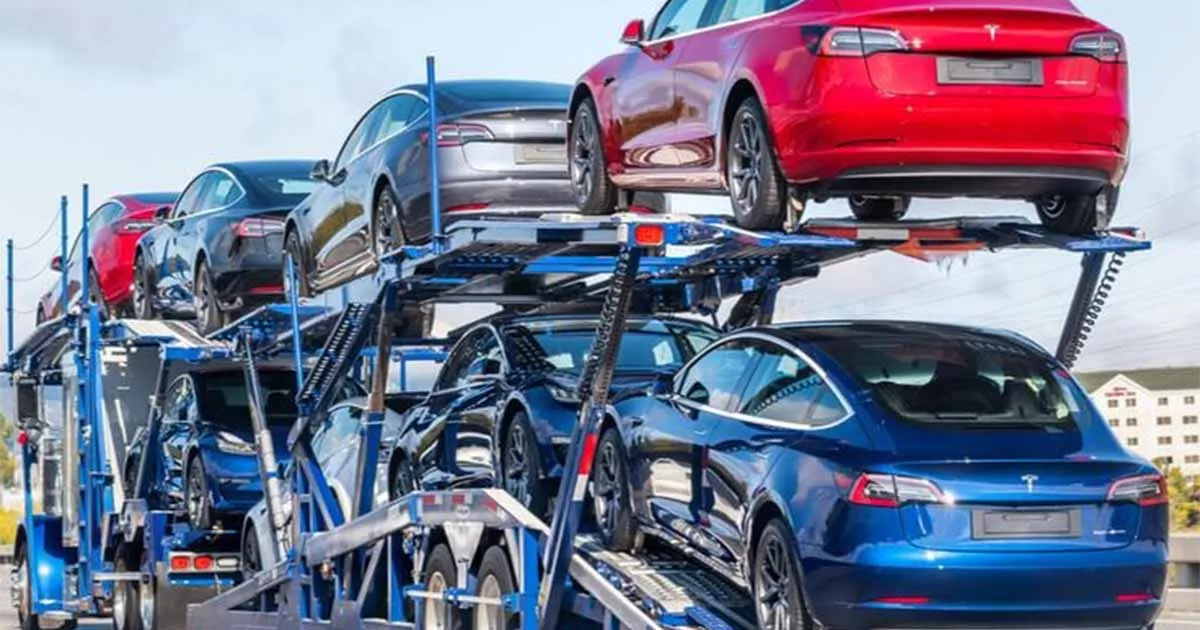
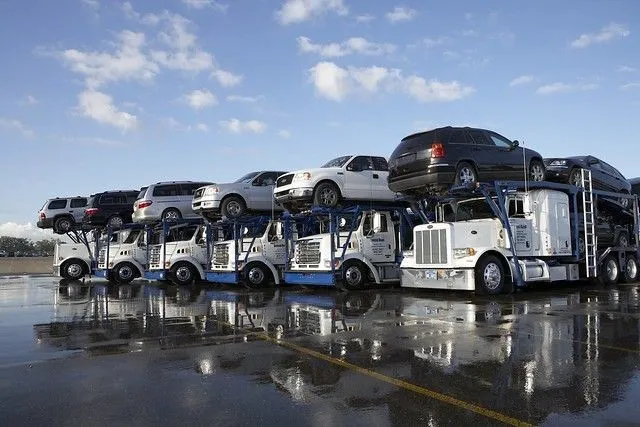
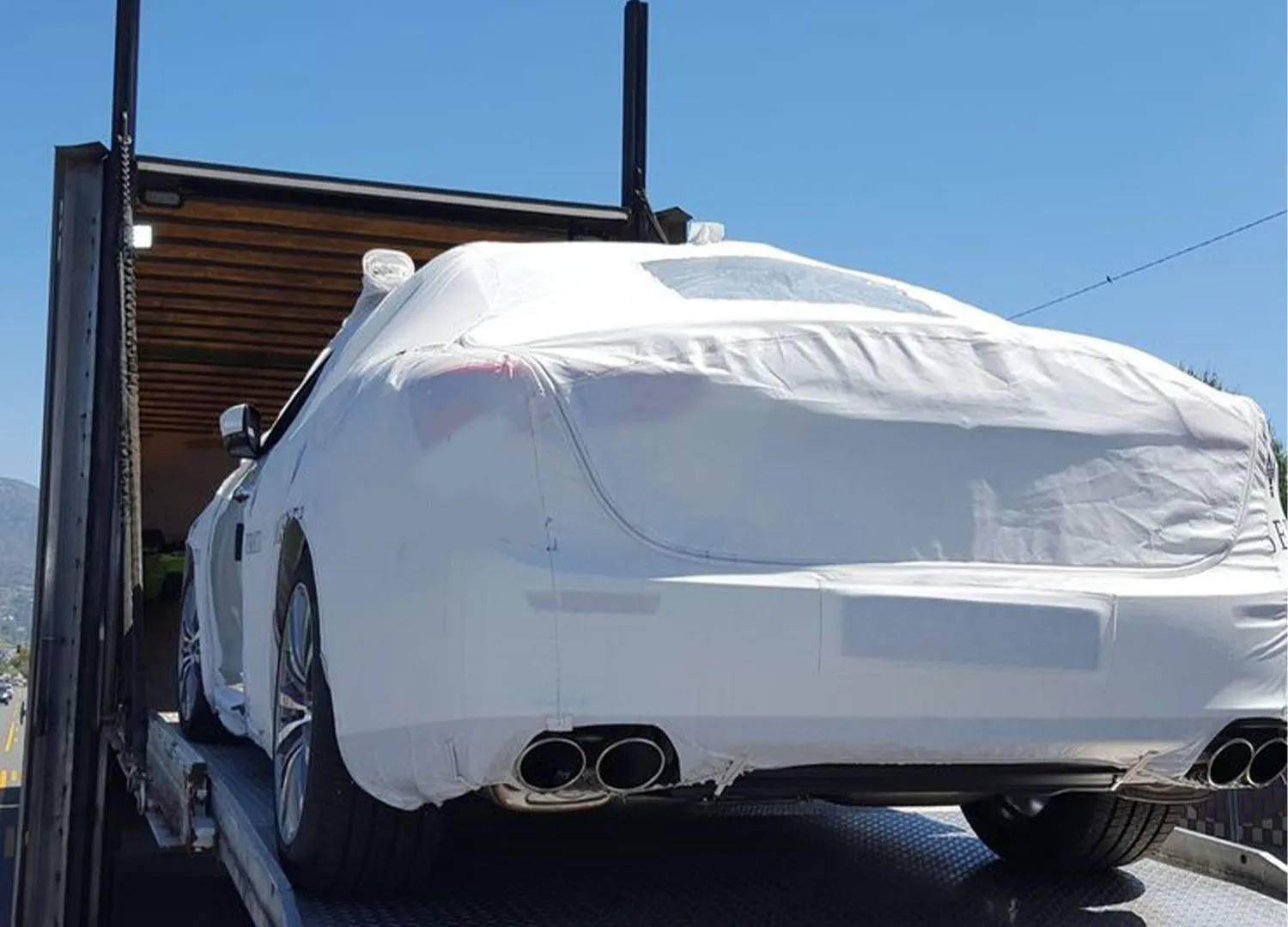
Open trailer auto transport loads your vehicle onto a multi-car carrier, the same type of truck you see on the highway moving new cars from manufacturers to dealerships. It holds 7–10 vehicles and exposes them to weather, road debris, and dust during transit. That sounds concerning, but in practice the vast majority of vehicles arrive without any issue. Open transport is appropriate for any modern production vehicle in regular use.
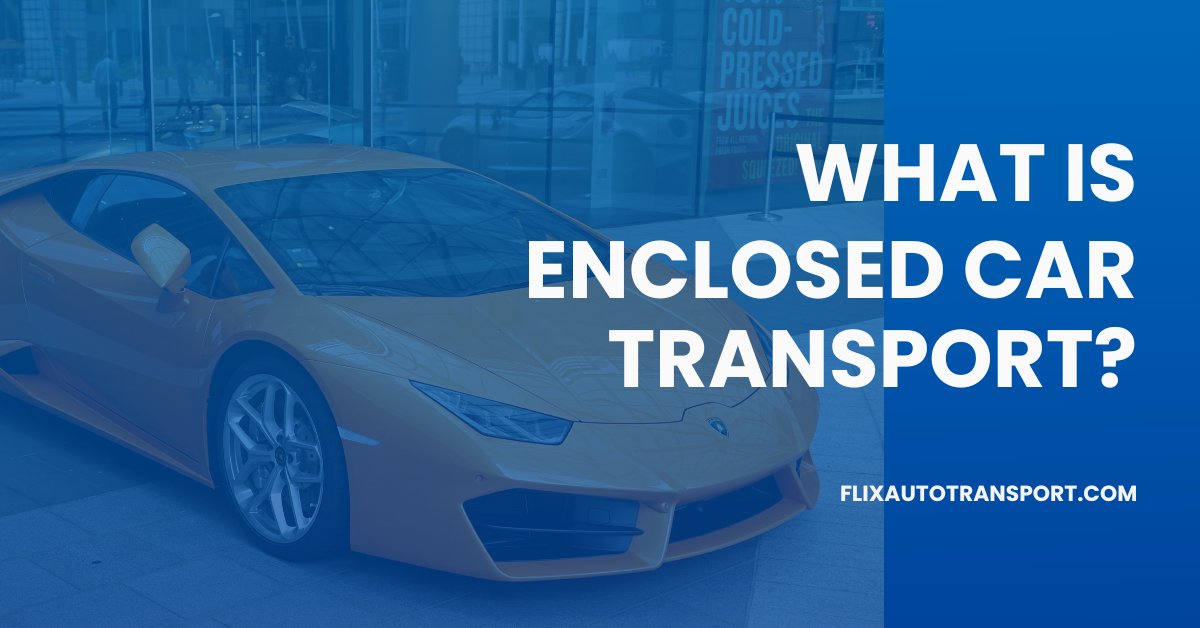
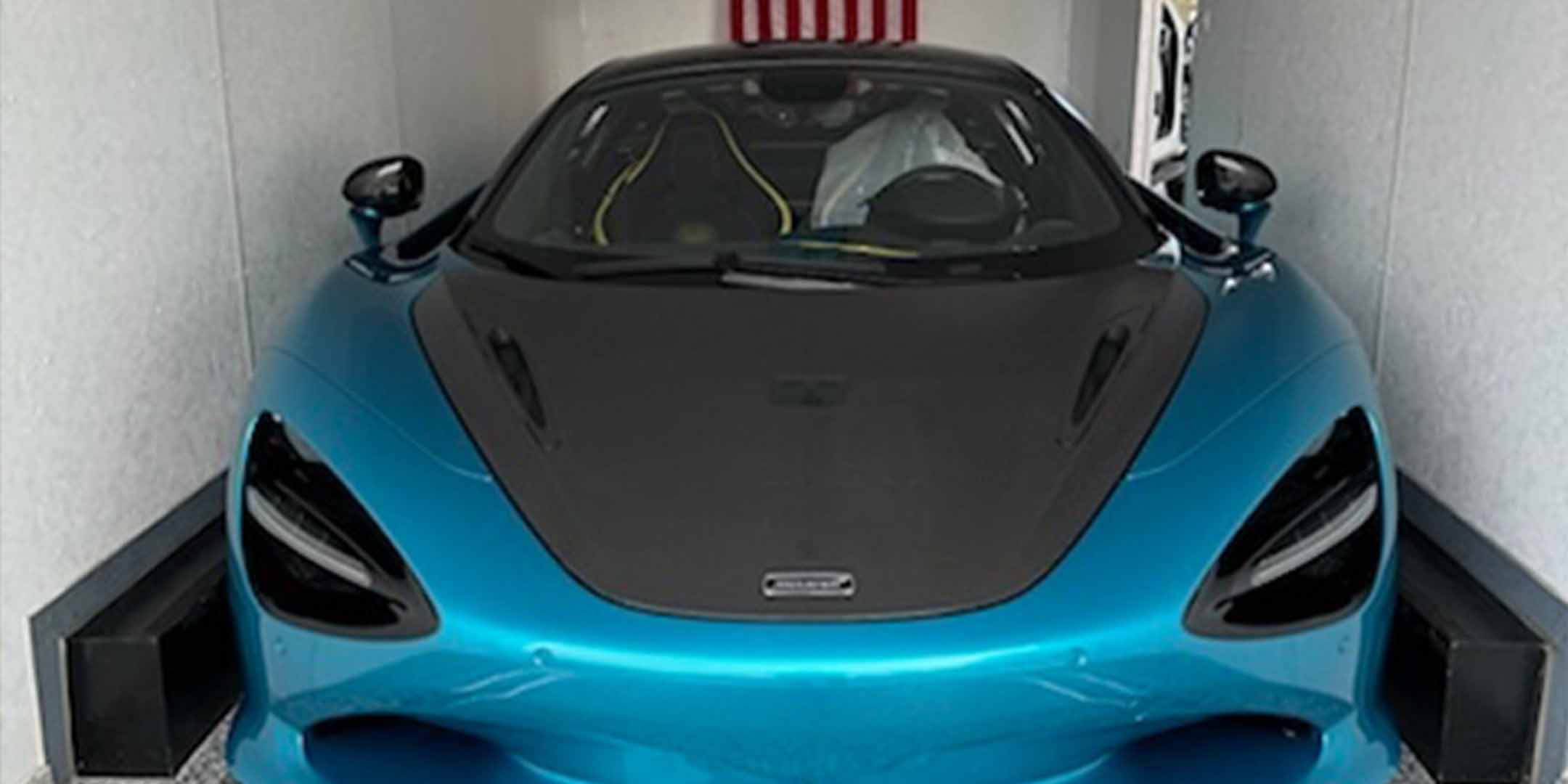
Enclosed trailer auto transport uses a fully covered trailer, typically holding 2–6 vehicles, with protection from weather, road grit, and visual exposure. It's the right choice for:
- Classic and vintage vehicles where paint and bodywork are irreplaceable
- Luxury vehicles (Mercedes, BMW, Lexus, etc.) where owners have lower risk tolerance for cosmetic damage
- Exotic and supercar-category vehicles (Porsche, Ferrari, Lamborghini)
- Vehicles with low ground clearance that need lift-gate loading
- Any vehicle you'd be genuinely upset to see with a small chip or dust scratch
If your vehicle is a daily driver or a standard model, open transport is the practical and economical choice. If it's something you'd cover in a garage during a hailstorm, go enclosed.
How Long Does It Take to Ship a Car from Austin to Tallahassee?
The Austin-to-Tallahassee route covers roughly 870–910 miles. Under normal conditions, actual driving time is around 13–14 hours, but carriers are operating under federal Hours of Service regulations that limit how long commercial drivers can be behind the wheel per day.
Expect the following timeline breakdown:
- Pickup window: 1–3 business days from your first available date, while the carrier builds a full or near-full load
- Transit time (once picked up): 2–4 days
- Total door-to-door time: 4–8 days on standard transport, 2–4 days on expedited service
The range of 2–4 days applies to two different things: it's both the transit time once your car is picked up, and the total door-to-door window on expedited service. The pickup window above is what typically adds the extra days you see on standard bookings.
What this means practically: If your car needs to be in Tallahassee by a specific date, book 10–14 days in advance and communicate your hard deadline clearly when you request your quote. A good broker will tell you honestly whether that timeline is achievable at standard rates or whether expedited service is necessary.
Why Working with an Experienced Broker Matters on This Route
One thing that's genuinely underappreciated about auto transport is how much the broker's dispatch team affects your experience, not just the carrier. A broker with strong carrier relationships and experienced dispatchers can often find coverage faster, handle mid-route issues more effectively, and communicate more proactively than brokers who simply post to the load board and wait.
Flix Auto Transport, based in Austin, operates with a dispatch team that focuses specifically on being realistic with customers about timelines, pricing, and carrier availability, rather than overpromising to win the booking. On a route like Austin to Tallahassee, where seasonal demand and I-10 corridor traffic can shift week to week, that kind of honest communication makes a practical difference.
Is It Worth Shipping vs. Driving?
The Austin-to-Tallahassee drive covers approximately 900 miles. Here's a realistic comparison:
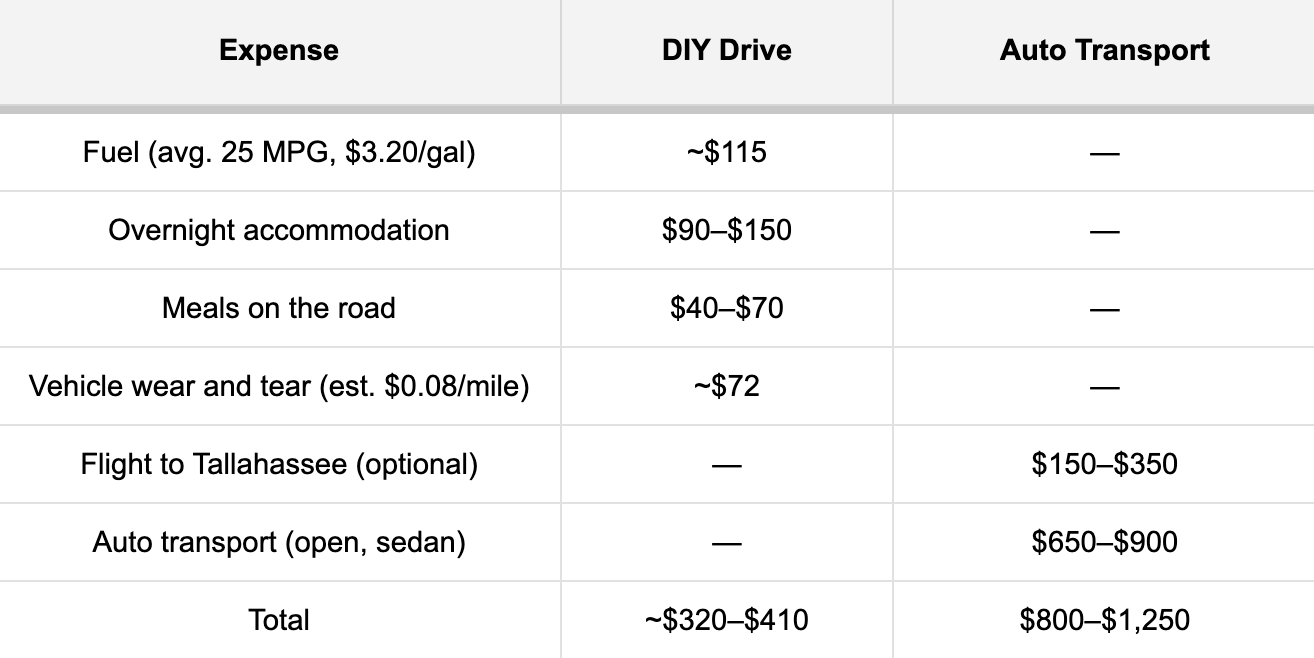
The math shows driving is cheaper in direct cost, if you're comfortable making a 14-hour trip and the car is in excellent mechanical condition. The case for shipping is strongest when:
- You have a tight relocation timeline and can't spare 2 days of driving
- You want to ship your car to another state without adding highway miles before or during a sale
- You're shipping a vehicle you'd rather not put on a long highway run (older car, high-value car)
- You're moving and handling other logistics simultaneously
For college students, remote workers relocating, and anyone doing a cross-state vehicle sale, the time saved almost always justifies the cost difference.
Frequently Asked Questions
How far in advance should I book?
For standard transport on this route, 7–14 days of lead time gives dispatchers the best chance of securing a competitive carrier quickly. For summer moves (June–August), book 2–3 weeks out.
Can I put personal items in the car during transport?
Technically some carriers allow a small amount of items in the trunk (typically under 100 lbs), but this is at your risk. Transport insurance does not cover personal property, and excess weight can technically void coverage. Keep it empty if possible.
Will my car be insured during transport?
Yes. All licensed carriers are required by the FMCSA to carry cargo insurance. Ask your broker for the carrier's insurance certificate before the vehicle is loaded, and verify the coverage amount is appropriate for your vehicle's value.
Do I need to be present at pickup and delivery?
You or a designated representative must be present at both. Someone needs to sign the Bill of Lading at pickup and the delivery inspection at drop-off. This is non-negotiable and protects you.
What if my car is delivered with new damage?
Note the damage on the Bill of Lading before the driver leaves, this is the critical step. Then contact the broker immediately and file a claim with the carrier's insurance. Documentation at pickup and delivery is your protection.
Before You Ship: The Decisions That Actually Matter
Shipping a car from Austin to Tallahassee is a straightforward run on an active, well-served corridor. The decisions that matter most are transport type and pickup timing flexibility and both affect your final price more than most customers expect.
Flix Auto Transport handles this route regularly, with open and enclosed options available and a dispatch team focused on finding the right carrier match for each shipment. Get your quote early, read the Bill of Lading at both ends, and choose a company that communicates proactively. Those habits cover most of what can go wrong on a shipment like this.
Related articles
Expert advice and real experiences to make your car shipping simple and stress-free.




.jpg)







.jpg)




.jpg)



.jpg)




























.webp)