Effortless Guide to Port to Port Car Shipping


Port to port car shipping offers a convenient transport option for those looking to move their vehicles across long distances. At Flix Auto Transport, we provide reliable and cost-effective solutions for your car shipping needs. Our team handles all aspects of the process, including customs clearance, to ensure a seamless experience. In this article, we’ll guide you through the essentials of port to port car shipping, from choosing the right service to understanding the costs involved. Keep reading to discover how you can make your vehicle transport hassle-free and efficient.
Choosing the Right Port to Port Car Shipping Service
When you need to ship your vehicle from one port to another, choosing the right port to port car shipping service is crucial. This decision impacts your transport experience, from Connecticut to any coastal destination. You’ll want to identify your specific shipping needs, research available services, compare reliability and rates, read customer reviews, and ensure adequate liability insurance coverage for your vehicle. By considering these factors, you can select a trustworthy service that meets your requirements and budget. If you have any questions, feel free to contact us about Flix Auto Transport.
Identify Your Shipping Needs
You need to clarify your specific shipping requirements when considering port to port car shipping. Determine whether you’re transporting a compact car or a larger pickup truck, as this affects the trailer size and price. Consider your timeline, budget, and desired level of insurance coverage. If you’re shipping from California to another coastal state, factor in the distance and potential transit times. By clearly defining your needs, you’ll be better equipped to choose a service that aligns with your expectations and provides the right balance of cost and protection for your vehicle.
Research Available Port to Port Services
You’ll want to thoroughly research available port to port services to find the best fit for your car shipping needs. Look into the types of cargo carriers each company uses, whether they offer specialized trucks for luxury vehicles, and their insurance policies. Check if they provide comprehensive vehicle insurance coverage during transit and ask about their bill of lading procedures. Compare the services offered by different providers to ensure you’re getting the most value for your money while keeping your vehicle safe during transport.
Compare Service Reliability and Rates
You should compare service reliability and rates when choosing a port to port car shipping company. Check customer service ratings and FAQs to gauge responsiveness and transparency. Consider providers that offer shipping to Hawaii or motorcycle transport if needed. Look for companies with a proven track record of on-time deliveries and safe transport, even for long road journeys. Here’s what to consider:
- Compare quotes from multiple providers
- Check customer reviews and ratings
- Evaluate insurance coverage options
- Assess transit times and delivery guarantees
- Consider specialized services for unique vehicles
Read Customer Reviews and Testimonials
You should read customer reviews and testimonials to gain insights into other people’s experiences with port to port car shipping services. Look for feedback from customers who’ve shipped vehicles between major ports like Los Angeles, Texas, and New Jersey to understand the quality of service and potential challenges. Pay attention to reviews that mention value for money, as this can help you make an informed decision and potentially save on your shipping costs.
- Check reviews on independent platforms
- Look for specific mentions of routes you’re interested in
- Note comments about customer service quality
- Consider both positive and negative feedback
- Verify if the company addresses customer concerns
Selecting a Service With Adequate Insurance Cover
You must select a service with adequate insurance cover when shipping your vehicle port to port. For luxury cars or classic cars, ensure the policy covers their full value. Companies like uShip offer options for high-value vehicles. If you’re shipping from North Carolina to San Diego, verify the coverage extends across state lines. Check the insurance details carefully, including deductibles and exclusions:
- Confirm full-value coverage for your vehicle type
- Verify coverage for the entire journey
- Understand deductibles and claim processes
- Consider additional coverage for high-value cars
- Ask about protection against environmental damage
Preparing Your Car for Port to Port Shipping
Getting your vehicle ready for port to port shipping is crucial for a smooth transport experience. Whether you’re moving a compact car or a large SUV from Arizona to Illinois, proper preparation ensures your vehicle arrives safely at its destination. You’ll need to clean your car thoroughly, document its condition, remove personal belongings, check vital components, and report any existing issues to the shipping company. These steps protect your vehicle and help avoid potential disputes during the shipping process. By following this guide, you’ll be well-prepared for your car’s journey, even if it’s crossing state lines or traveling long distances by tank carrier.
Clean Your Vehicle Inside and Out
You should thoroughly clean your vehicle inside and out before port to port shipping. This step not only protects your car during transit but also helps you spot any existing damage, which is crucial for insurance purposes. A clean car allows for a more accurate inspection by the shipping company, potentially saving you money on your budget and avoiding disputes with carriers from Alaska to Oklahoma.
- Wash and detail the exterior
- Vacuum and clean the interior
- Remove all personal items
- Document the car’s condition with photos
- Check for and note any existing damage
Document Existing Damage With Photos
You need to document any existing damage on your vehicle before port to port shipping. Take clear, detailed photos of your car’s exterior and interior, paying special attention to any scratches, dents, or other imperfections. This visual record protects you from potential disputes and unexpected fees when shipping between states like Virginia, Colorado, and Georgia. Proper documentation supports smooth logistics and helps ensure your car arrives in the same condition it left:
- Photograph all sides of the vehicle
- Capture close-ups of existing damage
- Document the odometer reading
- Take pictures of the interior condition
- Store photos securely for future reference
Remove Personal Items and Accessories
You must remove all personal items and accessories from your vehicle before port to port shipping. Clear out your trunk and check all compartments, including those under seats and in the glove box. The Federal Motor Carrier Safety Administration requires this step to prevent liability issues during transport, whether you’re shipping from Pennsylvania to New Mexico or any other route. Remember, most carriers charge by vehicle weight and mile, so removing unnecessary items can potentially reduce your shipping costs.
Ensure Tires and Brakes Are in Good Condition
You must check your vehicle’s tires and brakes before port to port shipping to ensure safety during loading and unloading. Properly inflated tires and functioning brakes are crucial, whether you’re shipping from West Virginia to Massachusetts or across any state lines. This step helps prevent potential damage to your vehicle’s engine or fuel system during transport and meets carrier demands for vehicle condition.
Check for and Report Leaks
You must check your vehicle for any fluid leaks and report them to the shipping company before port to port transport. Addressing leaks prevents potential damage from road debris during transit and ensures compliance with marine insurance requirements, whether you’re shipping from Michigan to New Jersey or any other route. Providing this feedback to the carrier helps avoid disputes and ensures proper handling of your vehicle throughout the shipping process.
Understanding Port to Port Car Shipping Costs
You’ll find that understanding port to port car shipping costs is crucial for making informed decisions. Various factors influence shipping rates, from vehicle size to route specifics. While Forbes reports average costs for enclosed car shipping and standard car transport services, it’s essential to grasp the full range of expenses for different routes. Be aware of additional fees that may not be included in your initial car transport quotes. To manage your budget effectively, explore tips for reducing shipping costs and learn how to obtain and compare instant quotes from reputable car shipping services. This knowledge will help you navigate the pricing landscape and secure the best deal for your vehicle’s journey.
Factors Influencing Shipping Rates
You’ll find several factors impact your port to port car shipping rates. Vehicle size, distance, route popularity, and seasonal demand all play roles in determining costs. Preferred carriers like Flix Auto Transport may offer competitive rates, especially for active duty military personnel. When comparing quotes from various car shipping companies, consider these key elements:
- Vehicle dimensions and weight
- Transport distance and route complexity
- Seasonal fluctuations in demand
- Fuel prices and carrier availability
- Special requirements (e.g., enclosed transport)
Additional Fees to Be Aware Of
You should be aware of potential additional fees when arranging port to port car shipping. These can include inspection charges at ports like San Francisco or when crossing state lines between Tennessee and South Dakota. Some carriers may add fuel surcharges or fees for rural pickup or delivery in states like Ohio. Always ask for a detailed breakdown of costs to avoid surprises:
- Port handling fees
- Customs clearance charges for international shipments
- Storage fees for delayed pickup
- Insurance upgrade costs
- Expedited shipping surcharges
Tips for Reducing Shipping Costs
You can reduce port to port car shipping costs by being flexible with your pickup and delivery dates, allowing carriers to optimize their routes. Maintain clear communication with your chosen expert and truck driver to avoid misunderstandings that could lead to extra charges. Consider shipping during off-peak seasons or bundling multiple vehicles for a discount, especially when transporting between states like North Dakota and Iowa.
Getting and Comparing Quotes
You should obtain and compare multiple quotes from reputable car shipping companies to find the best rates for port to port transport. Request detailed breakdowns that include potential fees for damages or debris removal, especially when shipping between states like Nevada, Missouri, and Kansas. Compare not only prices but also insurance coverage, transit times, and customer reviews to ensure you’re getting the best value for your port to port car shipping needs.
What Happens During Port to Port Car Shipping
You’ll find port to port car shipping a straightforward process when you understand each step. From dropping off your vehicle at the origin port to retrieving it at your destination, knowing what to expect enhances your experience. You’ll learn about loading procedures that protect your car’s tires and the safety measures employed by reputable car carrier trailers. Whether you’re shipping from Utah to Rhode Island or any other route, you’ll discover how to track your vehicle during transport and conduct a thorough post-shipment inspection. This knowledge ensures you’re prepared for every stage of your car’s journey across ports.
Drop-Off Process at the Origin Port
You’ll find the drop-off process at the origin port straightforward when shipping your car between states like Vermont, Maryland, Wyoming, or Indiana. Upon arrival, provide your vehicle’s details, including its zip code, to port officials for proper documentation. The process typically includes:
- Verifying your identity and ownership documents
- Conducting a thorough vehicle inspection
- Completing necessary customs paperwork
- Receiving a tracking number for your shipment
- Handing over your keys to port personnel
Loading Procedures and Safety Measures
You’ll witness careful loading procedures and robust safety measures during port to port car shipping. Skilled workers secure your vehicle, whether it’s a compact car or a minivan, using specialized equipment to prevent movement during transit. These precautions apply whether you’re shipping from South Carolina to Kentucky or Montana to a coastal port. For larger vehicles or boats, additional securing methods ensure safe transport across long distances:
- Inspect vehicles for existing damage
- Use wheel chocks and straps to prevent rolling
- Employ hydraulic lifts for careful loading
- Secure vehicles with heavy-duty tie-downs
- Place protective barriers between vehicles
Transport and Tracking Your Vehicle
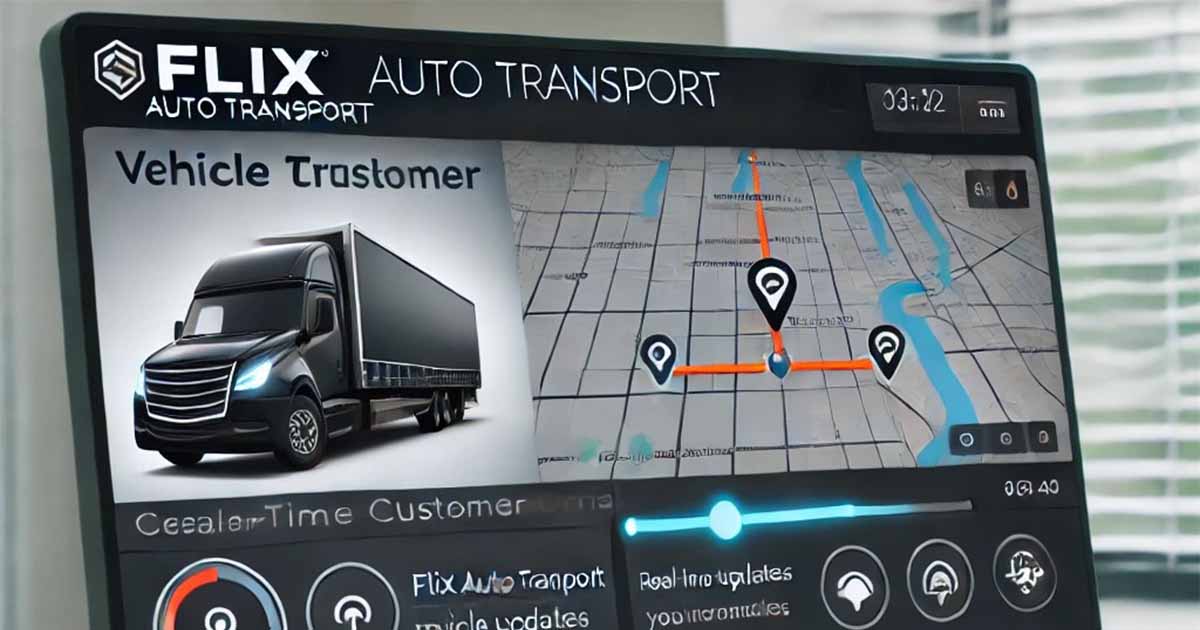
You can track your vehicle’s journey from port to port using advanced GPS systems provided by most shipping companies. Whether you’re sending your car from Louisiana to Delaware or Oregon to Minnesota, these tracking tools offer real-time updates on your vehicle’s location. During winter months, carriers take extra precautions to protect your car from snow and ice, ensuring it arrives safely at its destination port:
- Access online tracking portals for real-time updates
- Receive notifications at key transit milestones
- Contact customer service for detailed progress reports
- Monitor weather conditions along the shipping route
- Verify estimated arrival times for pickup planning
Arrival and Retrieval at the Destination Port
You’ll find the arrival and retrieval process at the destination port straightforward when shipping your car from Arkansas to Mississippi or Nebraska to Alabama. Upon notification of your vehicle’s arrival, you’ll need to present your contract and identification to claim your car. The port staff will guide you through a final inspection to ensure your vehicle arrived in the same condition as when it left the origin port:
- Verify your identity and ownership documents
- Conduct a thorough inspection of your vehicle
- Sign off on the condition report
- Pay any remaining fees or charges
- Receive your keys and drive away
Post-Shipment Inspection for Damages
You must conduct a thorough post-shipment inspection for damages when retrieving your vehicle at the destination port. Check your car’s exterior, interior, and mechanical components, including the brake system, to ensure everything is in order after transport from states like Idaho. Document any issues you find and report them immediately to the shipping company, as this information is crucial for potential claims under their damage policy. Pay special attention to areas that might have been affected by construction or debris during transit, as these are common sources of unexpected damage.
Benefits of Using Port to Port Car Shipping
Port to port car shipping offers numerous advantages, making it an attractive option for transporting vehicles across long distances. Whether you’re moving from Wisconsin to Puerto Rico or shipping a car to Mexico, this method provides cost-effective solutions and extensive geographic coverage. You’ll save cash by reducing mileage and wear on your vehicle while benefiting from professional handling and enhanced security. With advanced data tracking systems, you can monitor your car’s journey every step of the way. Let’s explore the key benefits that make port to port shipping a smart choice for your vehicle transport needs.
Cost Efficiency Compared to Other Methods
You’ll find port to port car shipping offers significant cost efficiency compared to other methods. By reducing wear and tear on your vehicle and avoiding long-distance driving expenses, you save on fuel, lodging, and potential warranty issues. The pricing structure, often based on vehicle weight and dimensions, can be more favorable than alternatives, especially for longer routes. Additionally, you may avoid fees associated with the California Department of Motor Vehicles when using port to port shipping for out-of-state moves, further enhancing the cost-effectiveness of this delivery method.
Wide Geographic Coverage
You’ll appreciate the wide geographic coverage offered by port to port car shipping services. Auto transport companies connect major ports across the country and internationally, allowing you to ship your vehicle to virtually any coastal destination. Whether you’re relocating or purchasing from a car dealership in another state, you can easily obtain a car transport quote for routes between distant ports, ensuring your auto shipping needs are met regardless of location.
Ideal for International Moves
You’ll find port to port car shipping ideal for international moves, offering enhanced safety and reduced maintenance concerns for your vehicle. Whether you’re relocating your Jeep Wrangler overseas or planning an extended road trip abroad, this method eliminates the need for a long-distance drive. By working with a reputable broker, you can ensure your vehicle is handled professionally throughout its journey across borders:
- Simplified customs clearance processes
- Protection from international road hazards
- Reduced risk of theft or damage during transit
- Preservation of your vehicle’s condition for use upon arrival
- Expert handling of international shipping regulations
Reduced Mileage and Wear on Your Vehicle
You’ll significantly reduce mileage and wear on your vehicle by choosing port to port car shipping. This method protects your Jeep or other vehicles from the rigors of long-distance highway travel, preserving its condition and resale value. Whether you’re moving from New Hampshire to Canada or across the country, shipping your car saves it from exposure to high-speed travel and potential road hazards:
- Preserve your vehicle’s mechanical components
- Avoid accumulating unnecessary miles on the odometer
- Protect your car’s exterior from road debris and weather damage
- Maintain the integrity of your tires and suspension
- Reduce the risk of mechanical failures during long trips
Professional Handling and Security
You’ll benefit from professional handling and enhanced security when using port to port car shipping services. Experienced auto transport brokers ensure your vehicle, whether it’s a car or scooter, is properly loaded and secured using specialized equipment like forklifts, maximizing available space and minimizing the risk of damage during transit. This level of expertise extends to international shipments, such as those to the United Kingdom, where strict safety protocols and advanced tracking systems provide peace of mind throughout your vehicle’s journey.
Common Challenges in Port to Port Car Shipping
You’ll encounter various challenges when shipping your vehicle from port to port, but with proper preparation, these hurdles can be overcome. From navigating customs regulations in states like Maine to dealing with potential delays due to California Department of Transportation requirements, each step requires attention to detail. Your pride in your vehicle, whether it’s a classic car or a modern asset, may be tested when addressing damage claims or communicating with shipping providers across long distances like Washington state. Understanding these common issues and how to address them effectively will ensure a smoother port to port car shipping experience.
Navigating Customs and Import Regulations
You’ll face challenges navigating customs and import regulations when shipping your car from port to port. Understanding these rules is crucial, especially if you’re a snowbird moving between the San Francisco Bay Area and New York City for seasonal vacations. You must comply with specific requirements for each port, which can vary significantly depending on your origin and destination.
Potential Delays and Their Causes
You may face potential delays when shipping your vehicle port to port due to various factors, including weather conditions, port congestion, or customs issues. These delays can be particularly challenging for time-sensitive shipments, such as when transporting vehicles from auctions or during peak seasons for international car shipping. California car shipping routes often experience additional delays due to strict environmental regulations, while the use of winches for loading and unloading can sometimes cause unexpected setbacks, increasing the risk of missing scheduled departure times.
Addressing Damage and Insurance Claims
You’ll need to address damage and insurance claims promptly when using port to port car shipping services. Document any damage immediately upon receiving your vehicle and report it to your auto transport services provider within the specified timeframe. Understanding your insurance coverage and the shipping cost breakdown will help you navigate the claims process more effectively, ensuring you’re adequately compensated for any issues that arise during vehicle shipping.
Communication With Shipping Providers
You may face communication challenges with shipping providers during port to port car transport. When working with companies like Flix Auto Transport or other vehicle transport services, ensure you have clear channels for updates on your car’s status. Request multiple car shipping quotes to compare communication policies, and maintain regular contact with your chosen car shipper from pickup to delivery. Stay proactive in your communication to address any potential issues promptly and ensure a smooth shipping experience.
Tracking Your Vehicle During Port to Port Shipping
You’ll find tracking your vehicle during port to port shipping essential for peace of mind and logistical planning. Car transport services often provide real-time updates, allowing you to monitor your vehicle’s journey from pickup to delivery. Understanding the types of tracking services offered by your chosen auto transport company helps you stay informed about your shipment’s progress. Accessing and interpreting tracking information ensures you’re prepared for your vehicle’s arrival, while knowing how to handle potential delays can save you time and frustration. Whether you’re shipping a single car or multiple household goods, staying on top of your shipment’s status is crucial for a smooth port to port car shipping experience.
Types of Tracking Services Offered
You’ll find various tracking services offered by car transport companies when you ship a car port to port. Most professional auto transport providers offer online tracking systems that allow you to monitor your vehicle’s progress in real-time. Some cheap car shipping options may provide basic email or text updates, while premium services often feature detailed GPS tracking. Experienced transporters typically offer a combination of these methods, ensuring you stay informed throughout your vehicle’s journey.
How to Access and Use Tracking Information
You can easily access and use tracking information for your port to port car shipment through various methods provided by shipping companies. Many carriers, like Flix Auto Transport, offer instant online tracking systems where you can enter your shipment details to view real-time updates. Some companies even provide mobile apps for convenient tracking on the go. To make the most of these tools, follow these steps:
- Obtain your unique tracking number from the shipping company
- Visit the carrier’s website or download their mobile app
- Enter your tracking number in the designated field
- Review the current status and estimated delivery time
- Set up notifications for important milestones in transit
For a more comprehensive view of your shipment, you can use a car shipping calculator to estimate transit times and compare them with the actual progress. This helps you plan accordingly and anticipate any potential delays or early arrivals. Remember to keep your tracking information handy and check it regularly for the most up-to-date status of your vehicle during its port to port journey.
What to Do if There Are Delays
If you encounter delays during port to port car shipping, stay calm and take proactive steps. Contact your shipping company immediately for updates and revised estimates. Many providers offer real-time tracking and auto shipping quotes, allowing you to monitor your vehicle’s progress. For car shipping in California or other high-traffic areas, factor in potential port congestion when planning. Keep these steps in mind if delays occur:
- Request a detailed explanation of the delay’s cause
- Ask for a revised car shipping estimate and delivery timeline
- Inquire about any additional car shipping costs due to the delay
- Confirm your vehicle’s current location and next steps
- Consider alternative arrangements if the delay significantly impacts your plans
The Legality and Documentation for Port to Port Shipping
You’ll need to navigate various legal requirements and documentation when arranging port to port car shipping. Whether you’re using SGT for overseas transport or planning California auto transport, understanding the necessary paperwork is crucial. From required documents for shipping to customs and duty requirements, each step demands attention to detail. Legal considerations for international shipping add another layer of complexity to car shipping costs. By familiarizing yourself with these aspects, you’ll ensure a smooth process and avoid potential delays or additional expenses in your car shipping journey.
Required Documents for Shipping
You’ll need several essential documents when arranging port to port car shipping. These typically include your vehicle’s title, registration, a valid government-issued ID, and a notarized power of attorney if someone else is handling the shipment on your behalf. When you ship your car to another state or across the country, you might also need to provide a car shipping quote from companies like Flix Auto Transport to confirm your booking. Ensure all paperwork is complete and accurate to avoid delays in the shipping process.
Understanding Customs and Duty Requirements
You need to understand customs and duty requirements when using port to port car shipping services, especially for interstate or cross-country transport. The best car transport companies will guide you through the process, explaining any taxes or fees associated with transporting your vehicle across state lines or international borders. When you transport your car to another state or use car delivery companies for long-distance moves, familiarize yourself with the specific regulations of both origin and destination locations to ensure compliance and avoid unexpected costs.
Legal Considerations for International Shipping
You must consider several legal aspects when arranging international port to port car shipping. Familiarize yourself with import regulations, emissions standards, and safety requirements of the destination country to avoid complications or additional costs. While seeking cheap auto transport options, ensure the service provider is well-versed in international shipping laws and can handle necessary customs documentation to minimize the overall cost to transport a car across borders.
Tips for a Smooth Port to Port Car Shipping Experience
You’ll find that a smooth port to port car shipping experience hinges on careful planning and proactive communication. By booking early, you can secure better rates and ensure availability for your preferred shipping dates. Preparing all necessary documentation well in advance helps avoid last-minute rushes and potential delays at the port. Maintaining constant communication with your chosen shipping company keeps you informed of any updates or changes to your vehicle’s journey. These key strategies will help you navigate the complexities of port to port car shipping with confidence and ease, ensuring your vehicle arrives safely and on time at its destination.
Early Booking to Secure the Best Rates
You’ll benefit from early booking when arranging port to port car shipping. Securing your reservation well in advance often leads to better rates and ensures availability for your preferred dates. By planning ahead, you can compare quotes from multiple carriers and take advantage of early bird discounts:
- Research and contact shipping companies 4-6 weeks before your desired shipping date
- Request quotes from at least three reputable carriers
- Look for seasonal promotions or off-peak pricing
- Consider flexible shipping dates for potentially lower rates
- Book your preferred option as soon as you’ve made your decision
Preparing All Necessary Documentation in Advance
You’ll streamline your port to port car shipping experience by preparing all necessary documentation in advance. Gather your vehicle’s title, registration, insurance papers, and a valid government-issued ID well before your scheduled shipping date. If you’re shipping internationally, research and obtain any required customs forms or permits specific to your destination country to avoid delays at the port.
Constant Communication With the Shipping Company
You should maintain constant communication with your shipping company throughout the port to port car shipping process. Regular check-ins help you stay informed about your vehicle’s status and allow you to address any issues promptly. Be proactive in reaching out to your carrier for updates, especially if you haven’t received expected notifications:
- Set up preferred communication channels (email, phone, text) with your carrier
- Request regular status updates at key milestones
- Respond promptly to any inquiries from the shipping company
- Keep your contact information up-to-date
- Save important shipping documents and communication records
Choosing Pickup and Delivery Options for Port to Port Shipping
You’ll find various pickup and delivery options when arranging port to port car shipping. From door to port services that offer added convenience to traditional port to port arrangements, each choice impacts your overall experience and budget. Evaluating the trade-offs between convenience and cost helps you select the best option for your needs. Whether you’re handling the port logistics yourself or opting for full-service arrangements, understanding how to coordinate pickup and delivery at ports is crucial for a smooth shipping process. By carefully considering these factors, you can tailor your car shipping experience to your preferences and circumstances.
Door to Port vs. Port to Port Services
You’ll find that door to port services offer more convenience than traditional port to port options when shipping your vehicle. With door to port, a carrier picks up your car from your location and delivers it to the destination port, saving you time and effort. However, this added service typically comes at a higher cost compared to port to port shipping, where you’re responsible for dropping off and picking up your vehicle at respective ports. Consider these factors when choosing between the two options:
- Convenience level and personal time constraints
- Budget limitations and willingness to pay for added services
- Distance to nearest ports from your location
- Comfort level with handling port logistics yourself
- Availability of transportation to and from ports
Evaluating the Convenience vs. Cost
You’ll need to weigh convenience against cost when selecting pickup and delivery options for port to port car shipping. While door-to-port services offer greater ease, they typically come with higher price tags. Consider your budget, time constraints, and comfort level with handling port logistics to determine the best balance for your needs:
- Assess the value of your time versus potential savings
- Calculate additional costs for transportation to and from ports
- Factor in potential storage fees at ports if using self-drop-off
- Consider the complexity of port procedures in your decision
- Evaluate the risk of delays or complications with each option
Arranging for Pickup and Delivery at Ports
You’ll need to carefully coordinate pickup and delivery when arranging port to port car shipping. Contact the port authorities in advance to understand their specific procedures and requirements for vehicle drop-off and collection. Ensure you have all necessary documentation ready, including proof of ownership and identification, to streamline the process at both ends of your shipment. Consider these steps when arranging port logistics:
- Confirm exact drop-off and pickup locations within the port
- Verify operating hours and any restrictions on vehicle access
- Arrange for temporary port access passes if required
- Schedule your arrival during less busy periods to minimize wait times
- Plan for alternative transportation from the port after dropping off your vehicle
Conclusion
Port to port car shipping offers a cost-effective and secure solution for transporting vehicles across long distances, including international moves. Understanding the process, from choosing the right service to preparing your car and navigating legal requirements, ensures a smooth shipping experience. By carefully considering factors like costs, tracking options, and pickup/delivery preferences, you can tailor the service to your specific needs and budget. Ultimately, proper planning and communication with your chosen shipping company will lead to a successful port to port car shipping journey, allowing you to focus on other aspects of your move or vehicle acquisition.
Related articles
Expert advice and real experiences to make your car shipping simple and stress-free.








.jpg)








.jpg)




.jpg)



.jpg)































.webp)