How much will it cost to ship a car? A clear guide to car transport rates per mile


How much will it cost to ship a car? A clear guide to car transport rates per mile
If you’ve never shipped a car before, the price can feel like guesswork. You hear different numbers; every company claims to be the best, and you’re left wondering which one to trust.
So let’s break it down together.We walk you through how car transport rates per mile actually work and what affects the number you see on your quote. You’ll walk away knowing what’s fair, what’s not, and how to save money without risking your vehicle.
What You need to know before comparing prices
Before we dive into the details, you need one simple truth:
Car shipping prices always follow patterns.
Demand, distance, and service type shape the final cost. When you understand these factors, you make smarter decisions and avoid overpaying.
Companies vary widely in transparency, and that’s where the real difference lies. Some keep you guessing. Others walk you through the numbers clearly.
Understanding car shipping costs
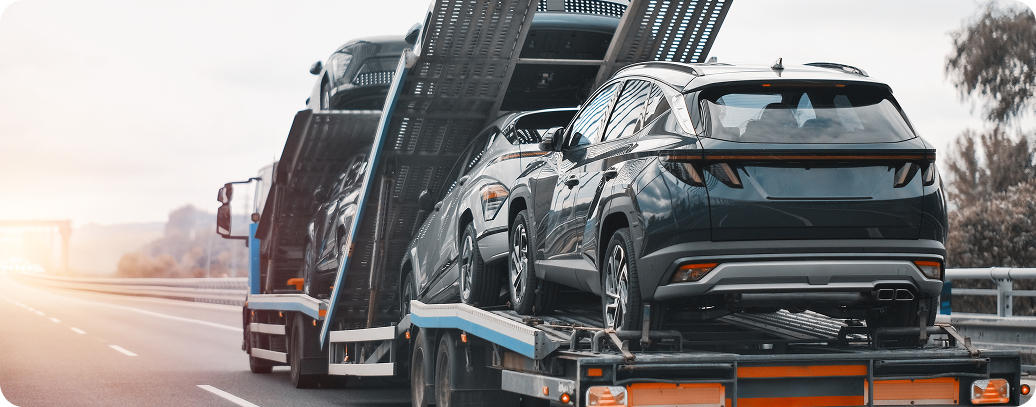
Your cost depends on distance, route quality, vehicle type, transport method, and timing. Every element changes the per-mile rate, so it’s smart to look at them one by one before comparing quotes. When you understand these influences, you see patterns that make sense and spot inflated pricing instantly.
- Longer routes usually cost more overall but less per mile. Shorter trips cost less overall but often have higher car transport rates. That’s the balancing act.
- Truckers need time to load, inspect, and secure every vehicle, so fixed labor stays the same regardless of distance. That’s why a 300-mile trip isn’t one-third the cost of a 900-mile trip. This simple pattern makes estimating costs easier once you look at distance as a sliding scale.
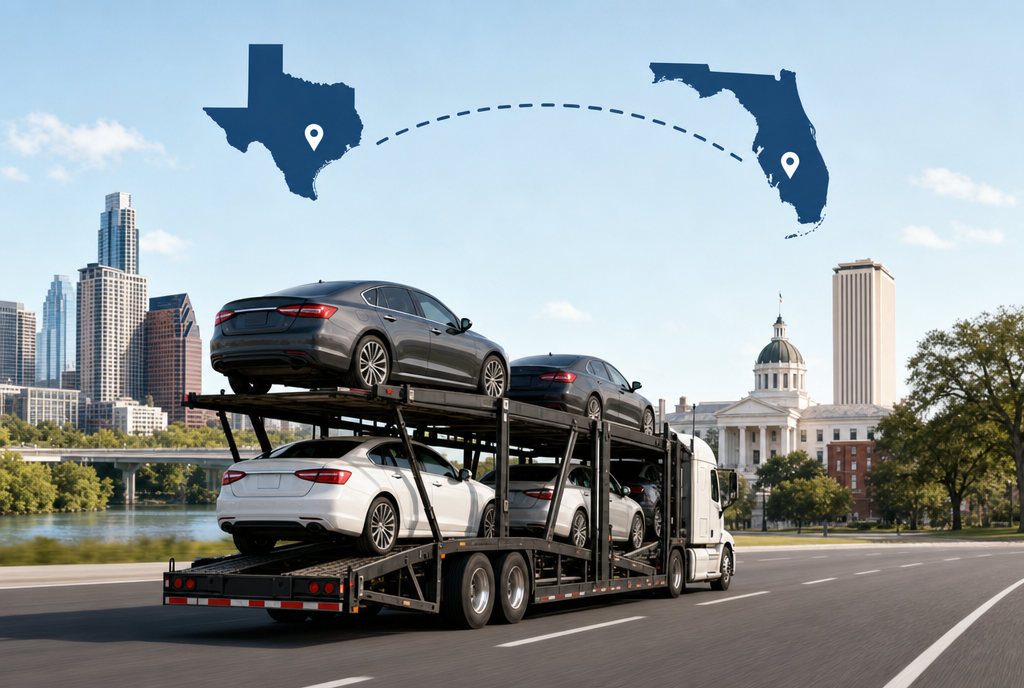
Car shipping also changes slightly based on direction. Popular relocation routes tend to be cheaper because carriers run them daily. Less common routes cost more because carriers drive farther without guaranteed return loads. Once you understand this, you can time your booking better and request quotes with context instead of confusion.
How vehicle condition, size, and weight influence your actual price
Larger vehicles take more space and weight on a trailer. That means SUVs, vans, and lifted trucks sit at the higher end of pricing. Smaller cars usually sit at the lower end. Condition matters too.
A non-running car needs winching equipment, which increases labor time and positioning effort. That’s why quotes for non-running vehicles always land higher.
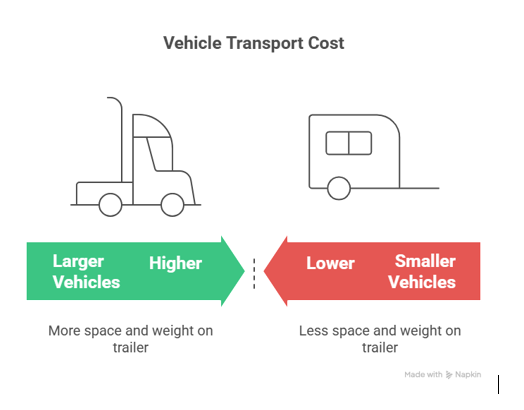
Think about it this way: carriers plan loads carefully to balance weight distribution and maximize space. One oversized vehicle can replace two compact cars. Your per-mile price reflects that trade-off.
When you compare quotes, make sure the category matches your exact vehicle type. That keeps things consistent and avoids surprises later.
Comparing transport options: open vs enclosed carriers
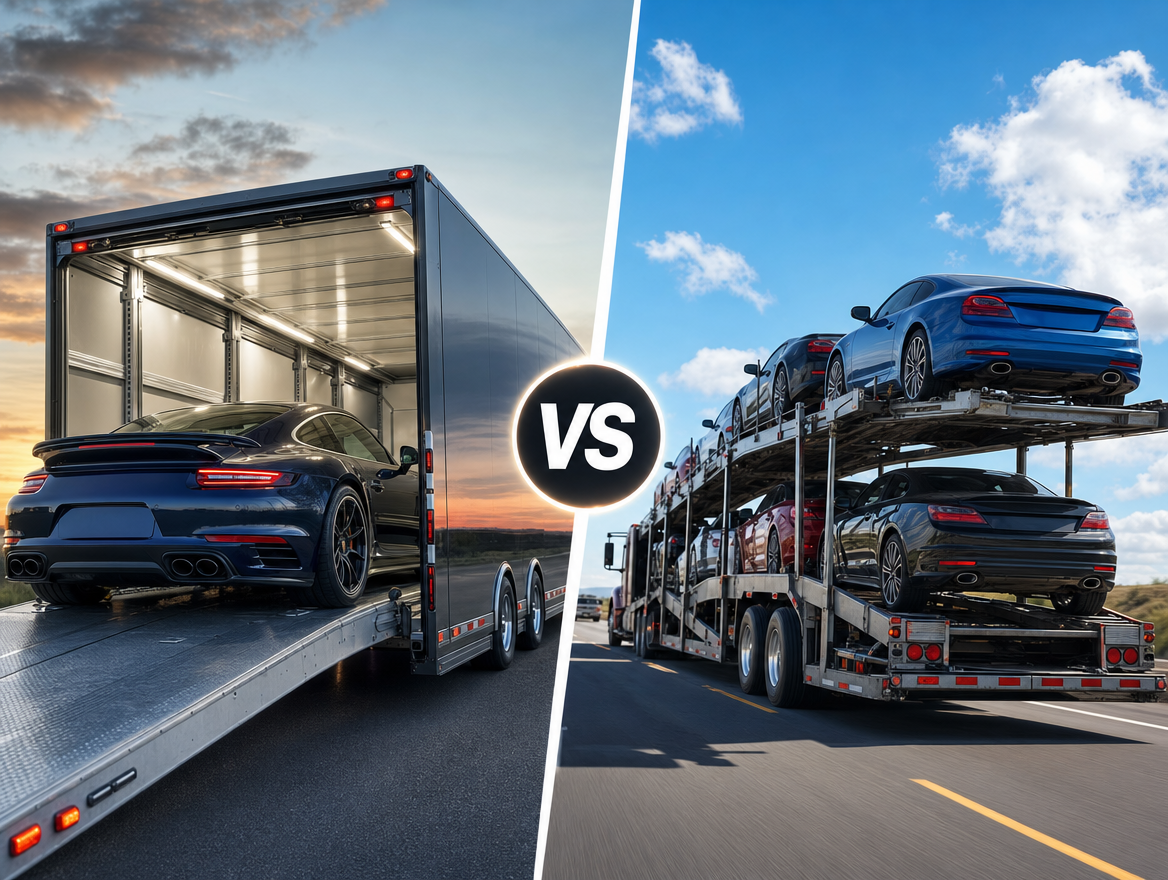
Some people need basic protection. Others need premium protection. Both options work, but they serve different purposes. Your choice plays a direct role in determining car transport rates, and understanding the difference helps you decide quickly.
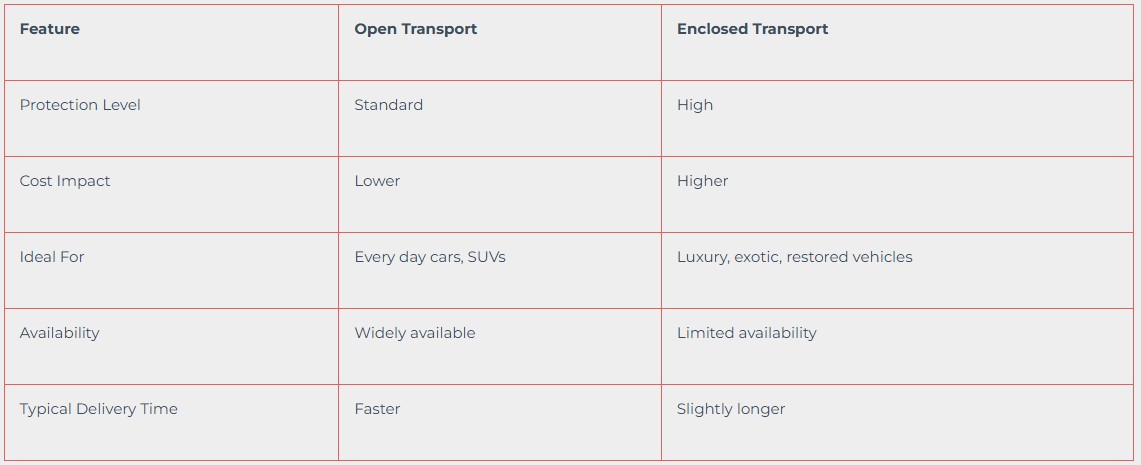
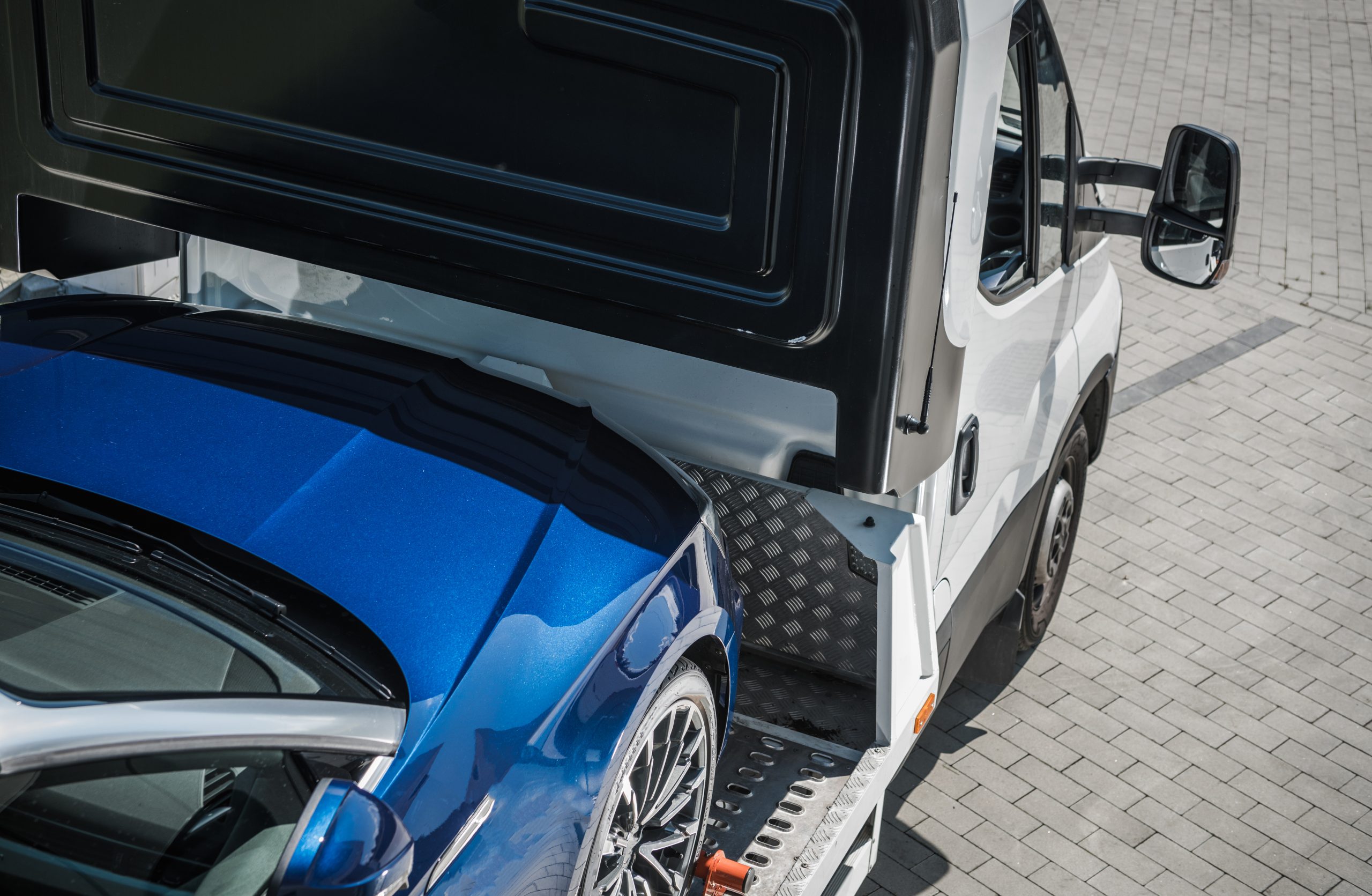
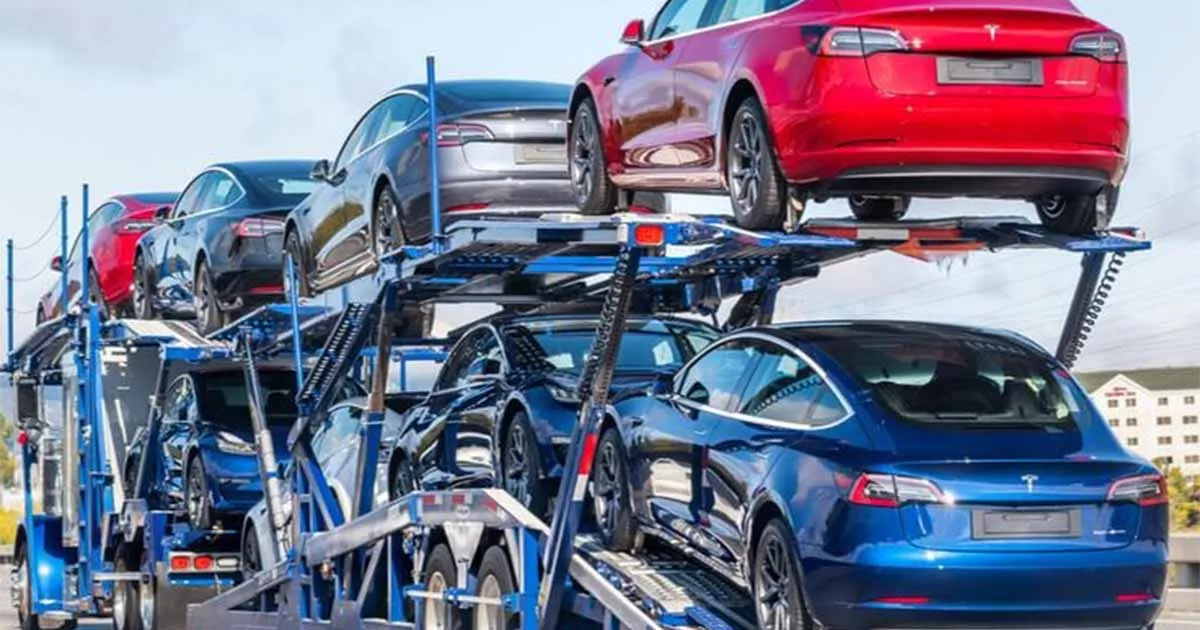
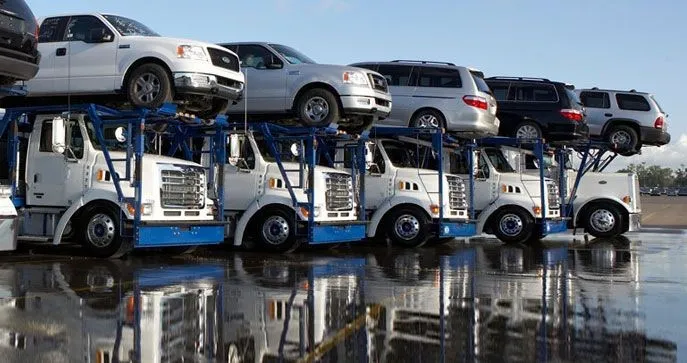
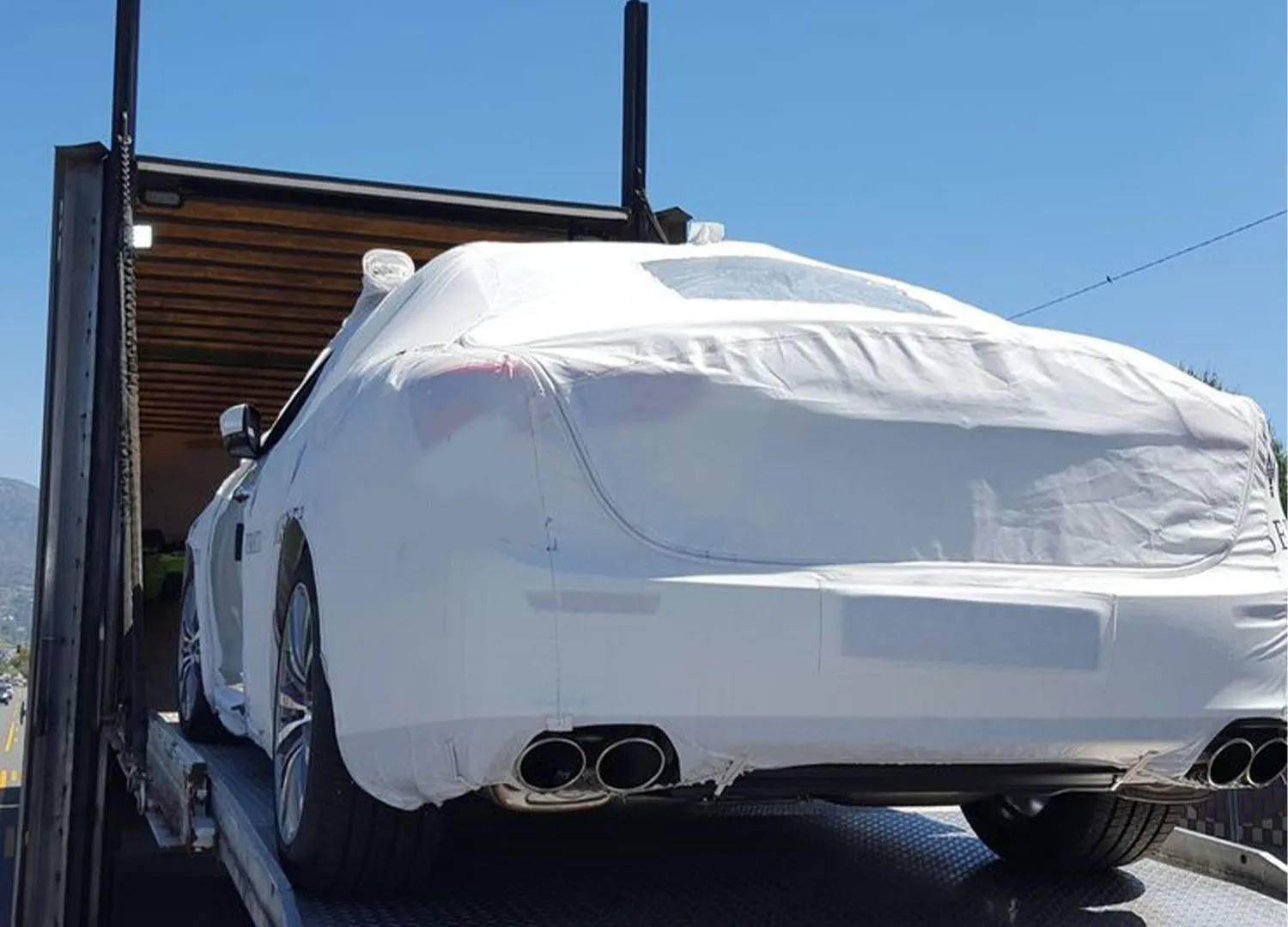
Open transport works for most people. It’s affordable and widely available. Enclosed transport delivers premium protection for high-value cars. Because enclosed trailers carry fewer vehicles and offer higher security, their per-mile rates land higher. Both are safe. It just depends on your priorities.
Car shipping works like any other logistics service. When demand spikes, prices rise. Snowbird seasons raise traffic on certain routes. Stormy months slow down carriers and shift supply. Even regional holidays change availability. When you plan ahead, you avoid paying peak premiums.
Route quality works the same way. High-traffic highways cost less because trucks pass through daily. Remote or rural routes cost more because truckers drive out of their way.
This is one of the biggest reasons car transport rates per mile vary so much across quotes. Once you know this pattern, you can schedule your shipment at a time when demand sits lower.
Also Read: https://www.flixautotransport.com/how-much-to-transport-a-vehicle/
What makes Flix Auto Transport different
Now let’s talk about something important. Not all car shipping companies operate with the same level of transparency or reliability. Many leave customers confused, especially around pricing. This is where Flix Auto Transport stands out.
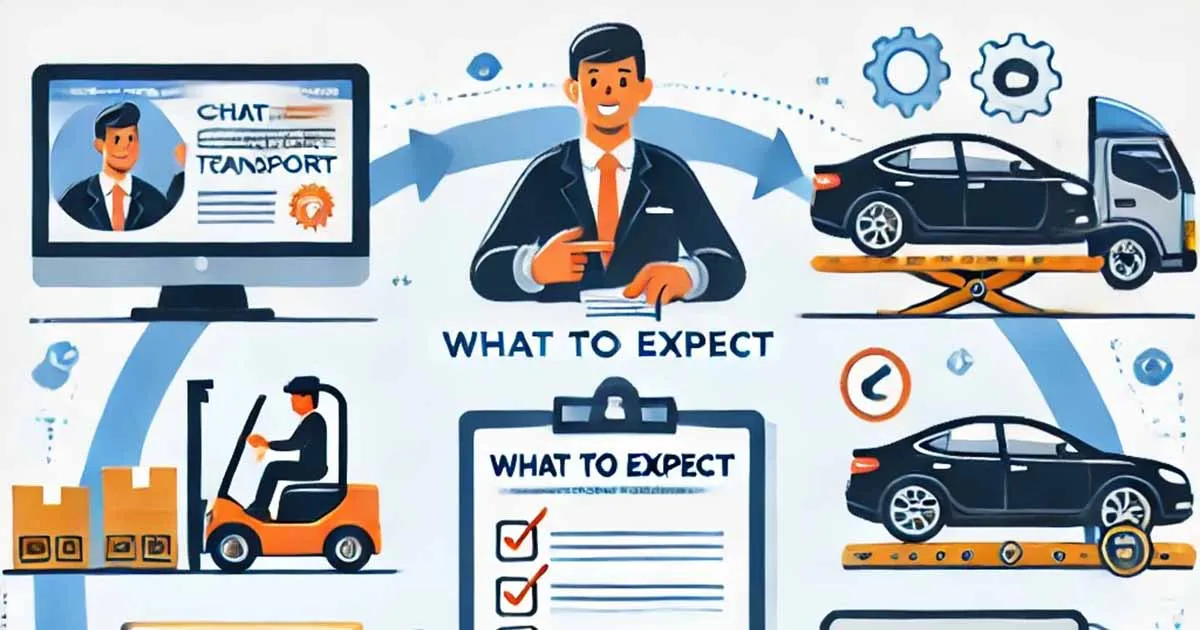
Flix Auto Transport provides instant quotes through an online calculator that actually reflects real market conditions. Our team walks customers through the entire process, not just the payment step.
We handle pickup coordination, carrier communication, inspection steps, and delivery scheduling with detailed updates. Customers get calls 24+ hours before pickup and again a few hours before arrival. Every vehicle undergoes a full inspection at both pickup and delivery.
We also offer both open and enclosed options, along with flexible scheduling. We prioritize clear pricing, accurate timelines, and real human support. These are the areas where most competitors fail. This combination makes the entire process easier, especially for first-time shippers who only want clarity and peace of mind.
Here’s a quick look at what real customers say about their experience with Flix Auto Transport.

FAQ
- How are car transport rates per mile calculated?
Rates come from distance, vehicle size, route quality, and transport type. Carriers also factor in fuel and timing. When these elements shift, the price shifts. That’s why early quotes help you lock in lower rates.
- Is enclosed transport worth the higher cost?
It depends on your car. Luxury, exotic, restored, or low-clearance vehicles benefit from added protection. Everyday cars usually do well with open transport. Choose based on your car’s value and your comfort level.
- How early should I book my shipment?
Booking at least a week in advance helps you secure better rates. It gives dispatchers time to match you with the right carrier and route. Last-minute bookings usually cost more.
- Can I ship a non-running vehicle?
Yes. Carriers use winching equipment to load non-running cars. It costs slightly more, but the process stays safe and controlled. Make sure you note the condition during your quote request.
- Does adding personal belongings affect the price?
Yes. Personal items increase weight, which affects the carrier’s load planning. Some carriers allow light items. Others limit personal belongings completely. Always check policy details before packing anything.
Conclusion
Understanding car transport rates per mile helps you plan better, compare quotes fairly, and avoid paying for features you don’t need. When you look at distance, timing, transport type, and vehicle details together, the final number makes sense.
Flix Auto Transport brings clarity to this entire process through reliable communication, quick quoting, and a smoother experience from pickup to delivery.
Call the team at (512) 503-5898 for help with pricing, scheduling, or any questions about your shipment.
Related articles
Expert advice and real experiences to make your car shipping simple and stress-free.




.jpg)






.jpg)



.jpg)



.jpg)


























.webp)