Ensuring Safe Transit for Classic Cars Across the Nation


Shipping a classic car requires specialized transport options to ensure its safety and value preservation. At Flix Auto Transport, we understand the unique needs of vintage vehicle owners and offer tailored solutions that address concerns about cost, customs, and careful handling. Our expert team provides personalized service to safeguard your prized possession during its journey. In this article, we’ll explore the essential aspects of classic car shipping, from selecting the right carrier to preparing your vehicle for transit. Keep reading to discover how Flix Auto Transport can make your classic car’s journey smooth and worry-free.
Choosing the Right Auto Transport Service for Classic Cars
When you need to transport a classic car, selecting the right auto shipping service is crucial. Your prized vehicle deserves special care as it travels from Connecticut to its destination. To ensure your classic car’s safe journey, you must identify your specific shipping needs, evaluate about Flix Auto Transport companies’ experience with vintage automobiles, assess insurance coverage for high-value vehicles, and understand the differences between enclosed and open carrier transport options. These factors will help you choose a transport company that provides the right balance of protection, liability insurance, and expertise to ship your treasured vehicle securely. contact us
Identify Your Specific Needs for Classic Car Shipping
Before shipping your classic car, you must pinpoint your specific requirements. Consider factors like your destination (whether it’s California or another state), the type of trailer needed, and your budget for the transport price. Decide if you need a specialized carrier for your vintage vehicle or if a standard pickup truck will suffice. Don’t forget to evaluate insurance options to protect your valuable asset during transit. Your unique needs will guide you in selecting the most suitable auto transport service:
- Determine your destination and route
- Assess the level of protection required for your classic car
- Consider your budget and compare prices from different providers
- Evaluate insurance coverage options for high-value vehicles
- Choose between enclosed and open transport methods
Evaluate the Experience of Auto Transport Companies With Classics
You should inquire about a company’s experience handling classic cars as cargo. Ask for references from previous clients who’ve shipped vintage vehicles and request details on their specialized equipment and protocols. Verify that the truck drivers are trained in handling collector cars and that the company offers comprehensive insurance policies. Ensure they provide a detailed bill of lading and adequate vehicle insurance coverage for your prized possession’s full value.
Assessing Insurance Coverage for High-Value Vehicles
You must carefully assess the insurance coverage offered by auto transport companies for your high-value classic car. Contact the company’s customer service team or check their FAQ section to understand their insurance policies, especially for long-distance transport to places like Hawaii. Ensure the coverage extends to all types of vehicles, including motorcycles, and protects against potential road hazards during transit.
Understanding Enclosed vs. Open Carrier Options
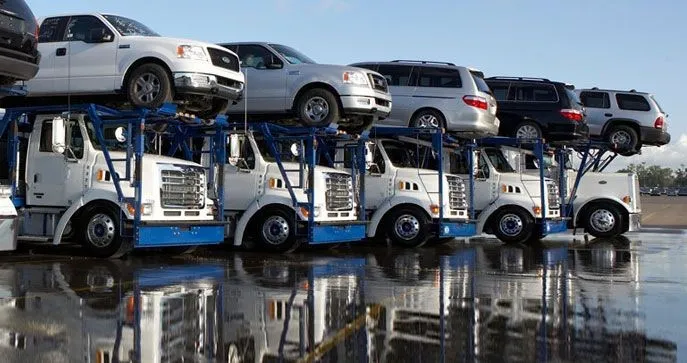
You’ll find two main options for transporting your classic car: enclosed and open carriers. Enclosed transport offers superior protection from weather and road debris, ideal for valuable vehicles traveling from New Jersey to Texas or Los Angeles. While it costs more money, enclosed shipping provides peace of mind for your prized automobile. Open carriers are more affordable and widely available, but offer less protection during transit, which may be suitable for cars with more road experience.
Understanding Insurance Options for Classic Car Shipping
When shipping your classic or luxury car, understanding insurance options is crucial for safeguarding your valuable asset. Whether you’re transporting a vintage vehicle from North Carolina to San Diego or using uShip for a cross-country move, you need comprehensive coverage. You’ll want to know what types of insurance to look for, how to handle potential damages, and how to verify a transport company’s insurance credentials. These factors ensure your prized automobile is protected throughout its journey, giving you peace of mind as it travels to its destination.
What Kind of Insurance Should You Look For?
You should seek comprehensive insurance coverage that specifically protects classic and high-value vehicles during transport. Look for policies that cover your car from pickup to delivery, whether you’re moving an SUV from Arizona to Illinois or shipping a rare vintage tank. Ensure the company’s insurance extends beyond basic liability, offering protection against damage, theft, and unforeseen events during transit.
Dealing With Damages: The Claim Process Explained
You should familiarize yourself with the claim process before shipping your classic car. If damage occurs during transit, document it immediately and report it to the carrier. Contact your insurance provider promptly to initiate a claim. Be prepared to provide photos, repair estimates, and the bill of lading. Whether you’re shipping from Alaska to Oklahoma or across state lines, a smooth claim process ensures you receive fair compensation. Remember, reputable companies with good Better Business Bureau ratings often handle claims more efficiently, potentially saving you time and protecting your budget.
Verifying the Transport Company’s Insurance Credentials
You must verify the transport company’s insurance credentials before entrusting them with your classic car. Request proof of their insurance coverage, including policy numbers and expiration dates, whether you’re shipping from Virginia to Colorado or across state lines. Check if their logistics operations are properly insured for high-value vehicles, and confirm that their coverage extends to all states, including Georgia. Don’t hesitate to ask about any additional fees associated with insurance for classic car transport.
Preparing Your Classic Car for Safe Transit
You must take crucial steps to prepare your classic car for safe transit, whether you’re shipping it from Pennsylvania to New Mexico or across state lines. Before your vehicle embarks on its journey, perform essential maintenance checks to ensure it’s road-ready. Secure loose items inside the car and trunk to prevent damage during transport. Document your car’s condition thoroughly with photos, providing evidence of its pre-shipment state. These precautions, along with choosing a carrier registered with the Federal Motor Carrier Safety Administration, help safeguard your prized possession for every mile of its journey.
Essential Maintenance Checks Before Shipping
Before shipping your classic car from West Virginia to Massachusetts, conduct thorough maintenance checks to ensure its safety during transit. Inspect the engine for any leaks or issues, and address them promptly to prevent potential problems en route. Check and adjust fluid levels, including fuel, to meet the transport company’s requirements and avoid complications during shipping. These precautions will help meet the demand for safe classic car transportation across state lines.
Securing Loose Items Inside the Car
You must secure all loose items inside your classic car before shipping. Remove or fasten accessories, personal belongings, and detachable parts to prevent damage from road debris during transit. This precaution is especially important when transporting vehicles from Michigan to New Jersey, where varying road conditions may affect the journey. Consider marine insurance for added protection, and always ask for feedback from your shipping company on their specific requirements for securing items.
- Remove or secure loose accessories and personal items
- Fasten detachable parts to prevent movement
- Consider additional insurance coverage
- Consult with the shipping company for specific requirements
Documenting Your Car’s Condition With Photos
You should thoroughly document your classic car’s condition with detailed photos before shipping. Take clear, well-lit images of your vehicle’s exterior, interior, and any existing damage or unique features. This documentation serves as crucial evidence for insurance purposes and helps car shipping services accurately assess your vehicle’s condition, ensuring you receive reliable car transport quotes. Consider using a reputable enclosed car shipping service for added protection, as recommended by Forbes, and request an instant quote to compare options.
The Benefits of Enclosed Transport for Classic Cars
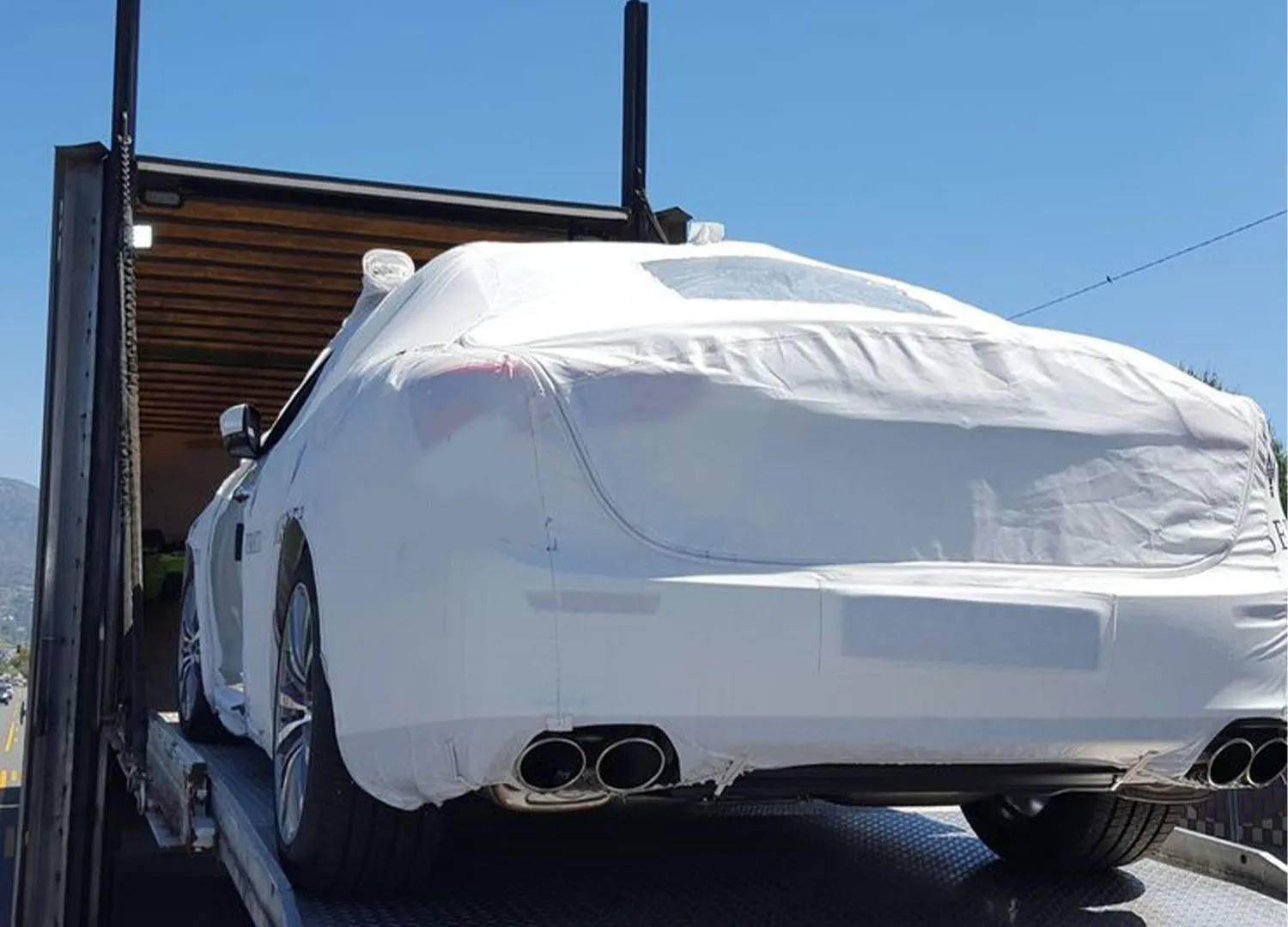
You’ll find enclosed transport offers unparalleled protection for your classic car during transit. Whether you’re an active duty service member relocating or a collector moving a prized vehicle, enclosed carriers shield your automobile from the elements and road debris. While companies like Flix Auto Transport, and other preferred car shipping companies offer both open and enclosed options, understanding the cost differences and when to invest in enclosed transport is crucial. By weighing the superior protection against the higher price tag, you can make an informed decision that best serves your classic car’s needs and your peace of mind.
Why Enclosed Transport Offers Superior Protection
You’ll appreciate the superior protection offered by enclosed transport for your classic car. When moving your prized vehicle from New Hampshire to any port or destination, an enclosed car shipping service shields it from road debris, weather elements, and potential damage during transit. Reputable car shipping companies use specialized equipment and secure loading techniques to ensure your classic car arrives in pristine condition.
Comparing Costs: Enclosed vs. Open Transport
You’ll find enclosed transport generally costs more than open carriers when shipping your classic car from Tennessee to South Dakota or San Francisco to Ohio. The price difference reflects the added protection and specialized handling enclosed transport provides. While open transport might save you money upfront, enclosed shipping offers superior safeguarding against weather, road debris, and potential damage during transit. Consider your vehicle’s value, the distance of transport, and the level of protection you desire when weighing the costs. Always request a detailed inspection before and after shipping, regardless of the method you choose:
- Compare quotes from multiple providers for both enclosed and open transport
- Factor in the value and rarity of your classic car when deciding
- Consider seasonal weather conditions along the shipping route
- Evaluate the distance and duration of the transport
- Assess the level of risk you’re comfortable with for your vehicle
When Is Enclosed Transport Worth the Investment?
You should consider enclosed transport for your classic car when its value, rarity, or sentimental importance justifies the extra cost. Expert opinions suggest that enclosed shipping is worth the investment for vehicles traveling through harsh weather conditions, like those found in North Dakota or Iowa. Your truck driver’s skill and communication become crucial in these situations, ensuring your prized possession arrives safely at its destination. Consider the following factors when deciding on enclosed transport:
- Vehicle value and rarity
- Weather conditions along the route
- Distance of transport
- Level of protection desired
- Insurance requirements
Navigating the Documentation for Car Shipping
When shipping your classic car from Nevada to Missouri or across state lines, proper documentation is crucial to ensure a smooth transit and protect against potential damages or debris. You must familiarize yourself with the essential paperwork required for transporting classic cars, including the bill of lading and any necessary customs documentation for international shipping. Understanding these documents helps you navigate the complexities of auto transport, whether you’re moving a vintage vehicle from Kansas or sending it overseas. By properly managing your paperwork, you’ll be better equipped to handle any issues that may arise during the shipping process.
Essential Paperwork for Transporting Classic Cars
You must gather essential paperwork before transporting your classic car to ensure a smooth shipping process. Prepare your vehicle’s title, registration, and insurance documents, as well as a detailed inventory of any accessories or modifications. If you’re shipping from Utah to Rhode Island, you’ll need to provide proof of ownership and a valid photo ID to the car carrier trailer company. Check the reputation of your chosen auto transport service and confirm they have the proper licenses and insurance to handle your valuable vehicle. Don’t forget to inspect your classic car’s tires and document their condition before transit.
Understanding the Bill of Lading
You must understand the bill of lading when shipping your classic car from Vermont to Maryland or Wyoming to Indiana. This crucial document serves as a receipt, contract, and title during transit, detailing your vehicle’s condition, origin, destination, and agreed-upon services. Carefully review the bill of lading before signing, ensuring all information, including your zip code and any special instructions, is accurate to protect your interests and facilitate a smooth shipping process.
The Role of Customs Documentation for International Shipping
You must understand the crucial role of customs documentation when shipping your classic car internationally, whether it’s a vintage minivan from South Carolina or a rare sports car from Kentucky. Proper paperwork ensures your vehicle clears customs smoothly, avoiding delays and potential fines. When transporting your classic automobile from Montana to an overseas destination, or even shipping a boat alongside it, you’ll need to provide detailed information about the vehicle’s make, model, year, and value, as well as any modifications or special features.
Tracking Your Classic Car During Transit
You’ll want to keep a close eye on your classic car as it journeys across the country, whether it’s traveling from Louisiana to Delaware or braving the snow in Minnesota. Real-time tracking technologies offer peace of mind, allowing you to monitor your vehicle’s progress from pickup to delivery. Understanding the various tracking methods available and maintaining open communication with your transport company are crucial for a smooth shipping experience. Whether your prized possession is cruising through Oregon or crossing state lines, staying informed about its location and condition is essential for ensuring its safe arrival.
The Importance of Real-Time Tracking
You can gain peace of mind by using real-time tracking when shipping your classic car from Arkansas to Mississippi or Nebraska to Alabama. This technology allows you to monitor your vehicle’s progress throughout its journey, ensuring it adheres to the agreed-upon contract. Real-time updates provide valuable information about your car’s location, estimated arrival time, and any potential delays, helping you stay informed and prepared for its delivery.
Different Tracking Technologies Explained
You’ll encounter various tracking technologies when shipping your classic car from Idaho to other states. GPS-based systems provide real-time location updates, while cellular tracking offers broader coverage in areas with limited satellite reception. Some companies use RFID tags to monitor your vehicle’s progress through checkpoints. These technologies give you vital information about your car’s location, potential construction delays, and estimated arrival time. Before shipping, review the transport company’s tracking policy to ensure it meets your needs and provides the level of detail you require for your peace of mind:
- GPS tracking for precise real-time location updates
- Cellular tracking for broader coverage in remote areas
- RFID technology for checkpoint monitoring
- Web-based portals for easy access to tracking information
- Mobile apps for on-the-go updates on your vehicle’s status
Communicating With the Transport Company
You should maintain open communication with your transport company when shipping your classic car from Wisconsin to Puerto Rico or even Mexico. Regular updates on your vehicle’s status, including any data about road conditions or potential delays, ensure you’re informed throughout the transit process. Be prepared to pay in cash if required, but always verify the company’s payment policies beforehand to avoid any misunderstandings:
- Establish a preferred method of communication
- Request regular updates on your vehicle’s status
- Inquire about any potential delays or route changes
- Verify payment methods and policies
- Keep emergency contact information readily available
Timing Your Classic Car’s Shipment Wisely
You’ll need to time your classic car’s shipment wisely to ensure its safe transit across the nation. Considering factors like seasonal variations, weather conditions, and coordinating pickup and delivery dates can significantly impact your vehicle’s journey. By planning carefully, you can minimize wear and tear, avoid potential delays due to adverse weather, and ensure your car arrives in pristine condition. Whether you’re shipping to California and need to comply with the California Department of Motor Vehicles regulations or moving your vehicle across state lines, understanding the best timing for transport is crucial. Remember that factors such as your car’s weight and any existing warranty may also influence your shipping decisions.
Best Seasons for Shipping Classic Cars
You’ll find spring and fall are often the best seasons for shipping your classic car. During these milder months, auto transport companies typically offer more competitive car transport quotes due to decreased demand. Auto shipping in spring or fall also reduces the risk of weather-related delays or damage, ensuring your prized vehicle arrives safely at its destination. Before finalizing your auto shipping plans, consult with reputable auto shipping companies and your local car dealership to determine the optimal timing for your specific needs and location.
Planning Around Weather Conditions
You should plan your classic car shipment around weather conditions to ensure its safety during transit. Consider factors like potential snowstorms, hurricanes, or extreme heat when scheduling your vehicle’s journey. If you’re shipping a Jeep Wrangler or planning a road trip, consult with your broker about the best routes and timing to avoid weather-related risks. Remember to perform necessary maintenance before shipping, as harsh weather can exacerbate existing issues.
Coordinating Pickup and Delivery Dates
You must carefully coordinate pickup and delivery dates when shipping your classic car, whether it’s a vintage Jeep or a luxury vehicle from New Hampshire to Canada. Plan for potential delays due to highway conditions or transport speed limitations, especially during peak seasons. Communicate clearly with your chosen auto transport company to ensure a smooth and timely delivery process.
Tips for a Stress-Free Delivery Day
You’ll want to prepare thoroughly for your classic car’s delivery day to ensure a stress-free experience. From getting ready for pickup to having a comprehensive delivery checklist and knowing how to inspect your vehicle upon arrival, proper planning is crucial. Whether you’re shipping a scooter or a vintage automobile, working with a reputable auto transport broker can make the process smoother. Consider factors like available space for the delivery truck, potential need for a forklift, and any special requirements if you’re shipping to the United Kingdom. By following these tips, you’ll be well-equipped to handle the final stages of your classic car’s journey, ensuring it arrives safely and in pristine condition.
Preparing for Pickup: What You Need to Know
You must prepare your classic car for pickup with pride, ensuring it’s ready for the journey ahead. Contact the California Department of Transportation for any specific regulations if your vehicle is traveling through or to that state. If you’re shipping from Maine or Washington, be aware of potential weather challenges and prepare your asset accordingly. Double-check all necessary documentation and remove personal items from the vehicle before the transport company arrives.
The Delivery Checklist: Ensuring a Smooth Handoff
You should prepare a comprehensive delivery checklist to ensure a smooth handoff of your classic car. Understanding the process, whether you’re shipping to the San Francisco Bay Area for a vacation or to New York City as a snowbird, will help you avoid surprises. Your checklist should include:
- Verifying all required documents are present
- Inspecting the vehicle thoroughly upon arrival
- Checking for any damages or discrepancies
- Confirming all agreed-upon services were provided
- Having payment ready if required upon delivery
Inspecting Your Classic Car Upon Arrival
You must thoroughly inspect your classic car upon arrival, regardless of whether it’s been shipped from an auction or through international car shipping services. Check for any signs of damage, especially if a winch was used during loading or unloading. Pay close attention to potential risks associated with California car shipping, such as sun damage or salt air exposure. Document any discrepancies immediately and report them to the shipping company to protect your investment.
Working With Professional Auto Transport Brokers
You’ll find that working with professional auto transport brokers can significantly streamline the process of shipping your classic car across the nation. These experts act as intermediaries between you and the auto shipping services, leveraging their industry connections to secure competitive shipping costs and reliable transport services. When choosing a broker for your vehicle shipping needs, it’s crucial to understand their role, evaluate their reliability, and comprehend the fees and agreements involved. By partnering with a reputable auto transport broker, you can ensure your prized classic receives the care and attention it deserves throughout its journey, while potentially saving time and money on your auto transport services.
The Role of Brokers in Classic Car Shipping
You’ll find that auto transport brokers play a crucial role in facilitating classic car shipping. These professionals act as intermediaries between you and vehicle transport services, helping you secure competitive car shipping quotes and reliable car shippers. Brokers like Flix Auto Transport leverage their industry connections to ensure a smooth pickup process and safe delivery of your prized classic. By working with a reputable broker, you can streamline the shipping process and potentially save time and money on your auto transport needs:
- Access to a network of vetted car shippers
- Assistance in obtaining and comparing multiple quotes
- Expertise in handling special requirements for classic cars
- Support throughout the entire shipping process
- Help with paperwork and logistics coordination
How to Choose a Reliable Auto Transport Broker
You must carefully evaluate potential auto transport brokers to ensure reliable service for your classic car. Research their reputation, verify their licensing with the Federal Motor Carrier Safety Administration, and compare car shipping prices from multiple providers. Ask about their experience with classic vehicles and inquire about their network of trusted shippers for car transport services. A reputable broker should offer transparent pricing, clear communication, and comprehensive insurance coverage for your prized automobile.
Understanding Broker Fees and Agreements
You must thoroughly understand broker fees and agreements when working with a professional auto transport company to ship a car. Review all terms carefully, ensuring you’re aware of any additional costs beyond the initial quote for cheap car shipping. Reputable transporters will provide clear, itemized breakdowns of their fees, helping you avoid unexpected expenses and ensuring a smooth process for your classic car’s journey.
Evaluating Cost Factors in Classic Car Shipping
You’ll need to carefully evaluate various cost factors when shipping your classic car across the nation. Understanding how distance and destination impact pricing, the relationship between your car’s value and shipping costs, and whether additional services are worth the expense is crucial for making informed decisions. By using a car shipping calculator from reputable shipping companies like Flix Auto Transport, you can get instant quotes that reflect these factors. This knowledge empowers you to budget effectively and choose the most suitable shipping option for your prized vehicle, ensuring it reaches its destination safely without breaking the bank.
How Distance and Destination Affect Pricing
You’ll find that distance and destination significantly impact your car shipping cost when transporting a classic vehicle. Longer distances generally increase the price, while popular routes may offer more competitive auto shipping quotes. When seeking a car shipping estimate, consider factors like accessibility of pickup and drop-off locations, as well as any specific requirements for car shipping California or other states with unique regulations.
- Calculate mileage between origin and destination
- Research popular shipping routes for potential savings
- Consider accessibility of pickup and delivery locations
- Factor in state-specific regulations and requirements
- Compare multiple quotes from reputable shipping companies
The Impact of Car Value on Shipping Costs
Your classic car’s value significantly influences car shipping costs when using services auto transport. Higher-value vehicles often require specialized handling and insurance, increasing the overall expense of car shipping. When planning to ship your prized automobile overseas or across states, factor in these additional costs to ensure adequate protection during transit.
Additional Services: Are They Worth the Cost?
You should carefully consider additional services when obtaining a car shipping quote for your classic vehicle. While services like expedited shipping or extra insurance from FlixAuto Transport may increase costs when you ship your car to another state, they can provide valuable peace of mind for your prized possession. Evaluate these options based on your specific needs and budget when planning to ship your car across country, ensuring you strike the right balance between protection and affordability.
Conclusion
Ensuring safe transit for classic cars across the nation requires careful planning and attention to detail. Choosing the right auto transport service, understanding insurance options, and properly preparing your vehicle are crucial steps in protecting your prized possession during shipping. Enclosed transport offers superior protection for high-value classics, while working with professional brokers can streamline the process and potentially save you money. By evaluating cost factors, timing your shipment wisely, and following a stress-free delivery checklist, you can ensure your classic car arrives at its destination in pristine condition.
Related articles
Expert advice and real experiences to make your car shipping simple and stress-free.






.jpg)








.jpg)




.jpg)



.jpg)





























.webp)