Real-Time Vehicle Shipment Tracking


Real-Time Vehicle Shipment Tracking: The New Gold Standard in Logistics
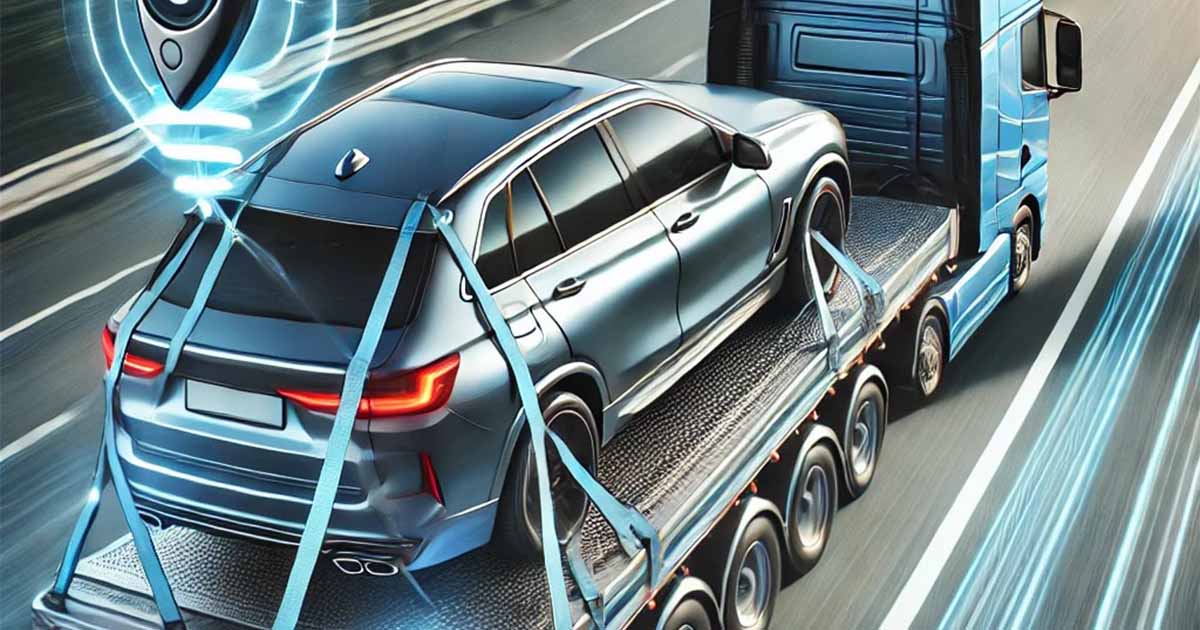
Imagine you’re eagerly waiting for a high-priority delivery. What if you could track its every move, knowing exactly where it is and when it will arrive? This level of transparency is not just a luxury anymore—it’s the new gold standard in logistics. In a world where customers demand instant updates and businesses strive to meet soaring expectations, real-time vehicle shipment tracking has become a game-changer.
This article explores how real-time tracking has revolutionized the logistics industry, its numerous benefits, and how businesses can seamlessly integrate this powerful technology.
The Evolution of Vehicle Shipment Tracking
From Basic to Real-Time: A Journey of Innovation
In the early days, vehicle shipment tracking was a simple process. Updates were often delayed, sometimes by days or even weeks. Customers were left in the dark, relying on sporadic information about their deliveries. These outdated methods caused frustration and eroded trust.
Real-Life Scenario: Imagine ordering a product and receiving an update saying, “Your item is on its way,” but without knowing when or where it will actually arrive. This was the norm just a decade ago.
Then came the introduction of advanced tracking technologies. Businesses began providing more frequent updates, but it wasn’t until GPS and cellular networks were integrated into tracking systems that real-time vehicle shipment tracking became possible. Suddenly, customers could see where their shipment was at any given moment, bringing a new level of transparency and trust.
Tracking Methods Over Time:
- Basic Tracking: Periodic updates, often outdated—leads to customer frustration.
- Advanced Tracking: More frequent updates, but still limited—improves visibility, but trust remains moderate.
- Real-Time Tracking: Live updates with precise location data—boosts trust and customer satisfaction.
Benefits of Real-Time Vehicle Shipment Tracking
Real-time tracking offers a wealth of benefits that go beyond just logistics. Here’s how it transforms both business operations and customer experiences:
- Higher Customer Satisfaction: Knowing the exact location of their shipment at any time provides customers with peace of mind, reducing anxiety and building trust.
- Operational Efficiency: Real-time tracking allows businesses to optimize routes on the fly, avoiding delays and reducing costs.
- Fewer Customer Inquiries: With easy access to real-time updates, customers don’t need to contact customer service as often, freeing up resources for more strategic tasks.
- Enhanced Security: Continuous monitoring ensures that any unexpected events during transit are promptly addressed, reducing the risk of theft or loss.
- Improved Planning: Accurate delivery times help both businesses and customers plan more effectively, reducing idle time and boosting productivity.
Pro Tip: Want to reduce delivery times even further? Use real-time data to reroute shipments in response to traffic conditions or weather changes.
How Real-Time Tracking Works
Behind the Scenes of Real-Time Tracking
Real-time vehicle shipment tracking is a sophisticated process powered by a combination of cutting-edge technologies:
- GPS Devices: Installed in vehicles, these devices continuously transmit precise location data, allowing the tracking system to know exactly where a vehicle is at all times.
- Cellular Networks: These networks facilitate the transmission of data from the GPS devices to a central tracking system, ensuring real-time information is relayed accurately.
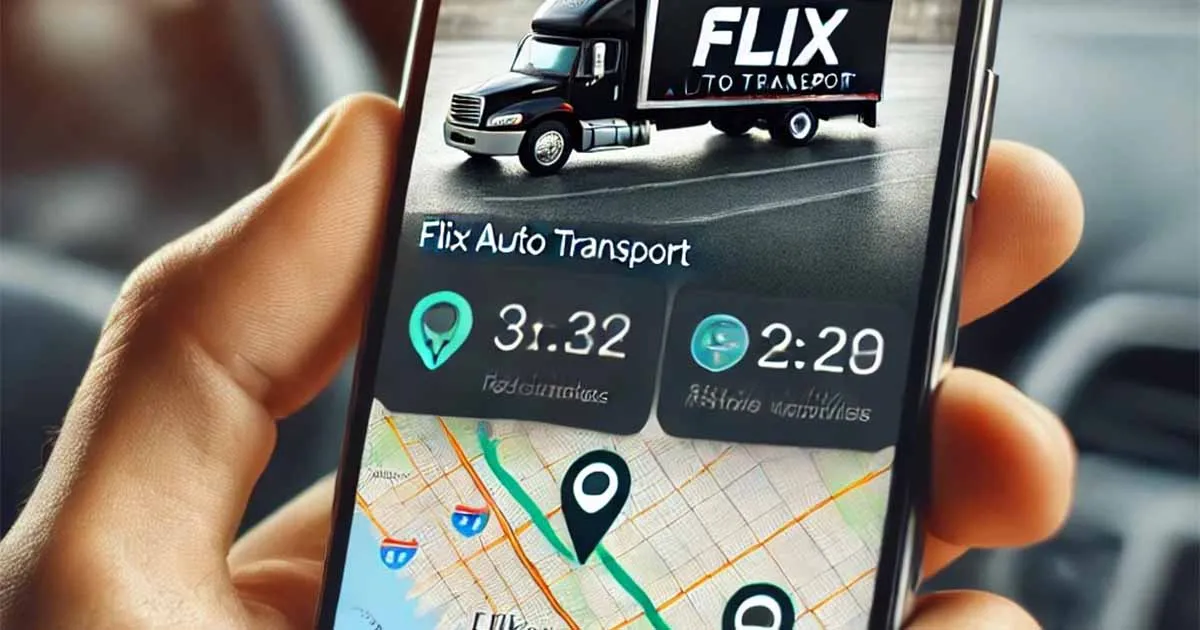
- Tracking Software: The software collects, analyzes, and displays the location data in a user-friendly format. It’s typically accessible through web portals or mobile apps, making it easy for both businesses and customers to monitor shipments.
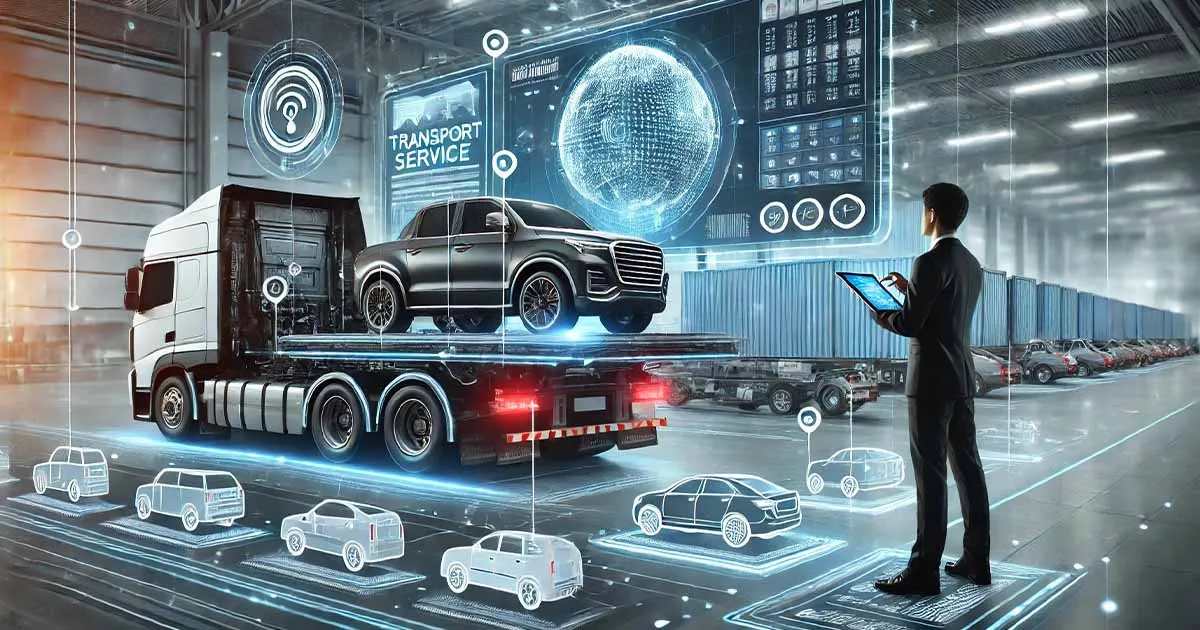
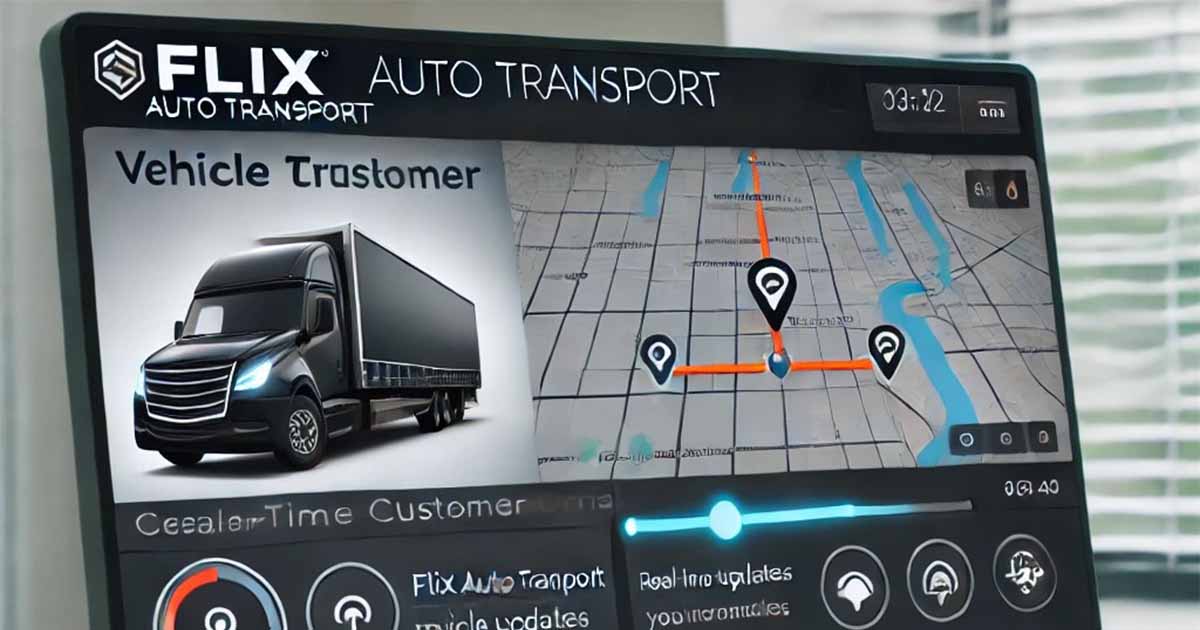
Visual Guide: Imagine a map with moving dots representing each shipment. At a glance, you can see exactly where every vehicle is and estimate when it will arrive at its destination.
Integration with Existing Systems
Seamless Integration for Maximum Efficiency
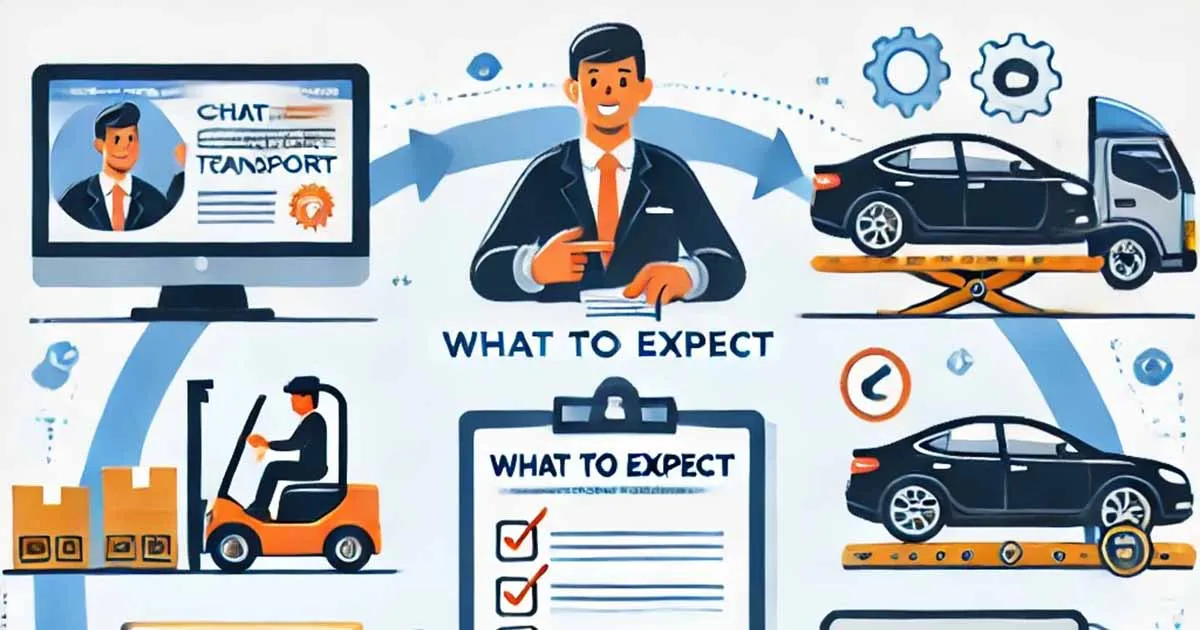
For businesses looking to implement real-time vehicle shipment tracking, integration with existing systems is crucial. Here’s how to do it:
- Evaluate Current Systems: Assess your existing software and hardware to determine compatibility with real-time tracking solutions.
- Choose the Right Tracking Solution: Select a system that fits your specific business needs. Consider factors like scalability, cost, and ease of use.
- Implementation and Testing: Integrate the tracking system into your operations and conduct thorough testing to ensure it functions correctly.
- Training and Support: Provide comprehensive training for your staff to ensure they can use the new system effectively. Ensure ongoing technical support is available to address any issues.
Pro Tip: Start small by integrating real-time tracking into a single department before rolling it out company-wide. This allows you to troubleshoot and refine the system before full implementation.
Enhancing Customer Experience
Building Trust and Loyalty Through Transparency
In today’s customer-centric market, experience can make or break a business. Real-time vehicle shipment tracking is a powerful tool for building trust and loyalty. When customers are kept informed about their shipments, their confidence in the service provider grows.
Customer Feedback on Real-Time Tracking:
- Trust: Increases with transparency.
- Satisfaction: High due to accurate and timely updates.
- Loyalty: Enhanced through reliable service.
Real-Life Scenario: A customer receives an update that their shipment has been delayed due to traffic. However, they also see that the system has automatically rerouted the vehicle, minimizing the delay. The customer is impressed by the proactive approach and feels reassured by the transparency.
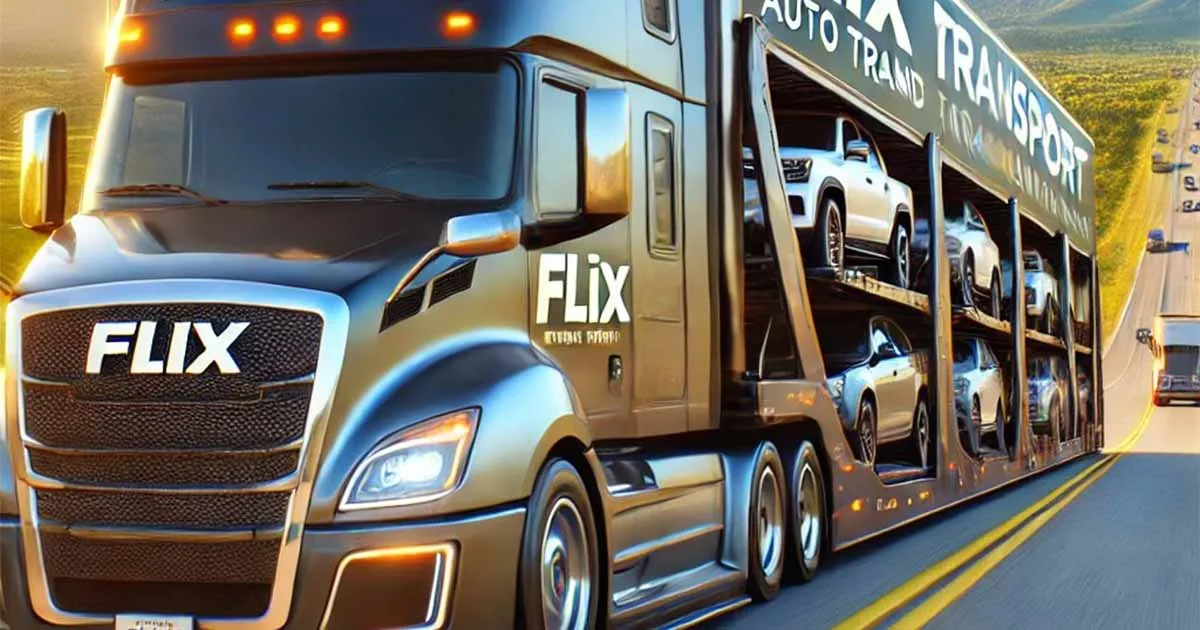
Case Study: Flix Auto Transport’s Success
Real-World Success with Real-Time Tracking
Flix Auto Transport, a vehicle shipping logistics company, saw significant improvements after implementing a real-time tracking system:
- 30% Reduction in Customer Inquiries: With customers able to check their shipment status themselves, the company experienced fewer calls and emails regarding shipment status.
- 25% Increase in Repeat Customers: The transparency and reliability provided by real-time tracking led to higher customer satisfaction, resulting in more repeat business.
- Enhanced Operational Efficiency: The ability to monitor vehicles in real-time allowed Flix Auto Transport to optimize routes and reduce delivery times, ultimately lowering operational costs.
Customer Testimonial: “Since we started using real-time tracking, we’ve noticed a significant drop in customer complaints. Our clients love being able to see exactly where their vehicles are at any given moment. It’s a game-changer!” — Flix Auto Transport
The Future of Real-Time Vehicle Shipment Tracking
Innovations on the Horizon
The future of real-time vehicle shipment tracking is poised for exciting developments:
- AI-Powered Predictive Analytics: Artificial Intelligence can analyze real-time data to predict potential delays or issues, allowing businesses to proactively address them before they impact the customer.
- Blockchain for Enhanced Security: Blockchain technology can add an extra layer of security to shipment tracking by providing a tamper-proof record of the vehicle’s journey, ensuring that all data is accurate and trustworthy.
- IoT-Enabled Sensors: The Internet of Things (IoT) will play a significant role in the future of tracking, with sensors providing not only location data but also information on the condition of the shipment, such as temperature and humidity levels, ensuring that sensitive goods are transported safely.
Pro Tip: Start exploring these emerging technologies now to stay ahead of the competition and provide unmatched service standards.
Preparing Your Business for the Future
Steps to Stay Competitive
To stay ahead of the competition and meet the evolving demands of customers, businesses should start investing in these emerging technologies now. Here’s how:
- Stay Informed: Keep up with the latest advancements in tracking technologies and assess their potential impact on your business.
- Invest in Research and Development: Allocate resources to explore and test new technologies that could enhance your tracking capabilities.
- Collaborate with Tech Partners: Work with technology providers to implement innovative solutions tailored to your business needs.
- Train Your Workforce: Ensure that your team is well-versed in the latest technologies and ready to adapt to new tools and processes.
Pro Tip: Regularly review your tracking systems to ensure they are up-to-date and continue to meet your business needs.
Frequently Asked Questions (FAQs)
What is Real-Time Vehicle Shipment Tracking? Real-time vehicle shipment tracking refers to the ability to monitor the exact location and status of a vehicle during transit, providing live updates through GPS technology and other tracking systems.
How Does Real-Time Tracking Improve Customer Satisfaction? Real-time tracking improves customer satisfaction by providing transparency and peace of mind, allowing customers to know the exact location of their shipment at any given moment. This reduces anxiety and builds trust between the customer and the service provider.
What Are the Key Technologies Used in Real-Time Tracking? The key technologies used in real-time tracking include GPS devices, which provide precise location data; cellular networks, which transmit this data; and tracking software, which displays the information in a user-friendly format for easy access.
How Can Businesses Implement Real-Time Tracking? Businesses can implement real-time tracking by assessing their current systems, choosing the right tracking solution that fits their needs, integrating it with their existing logistics platforms, and providing training and support to ensure smooth operation.
What is the Future of Real-Time Vehicle Shipment Tracking? The future of real-time vehicle shipment tracking involves innovations like AI-powered analytics for predictive insights, blockchain for enhanced security, and IoT-enabled sensors that monitor not just location but also the condition of the shipment. These technologies will further enhance the accuracy, security, and reliability of tracking systems.
Related articles
Expert advice and real experiences to make your car shipping simple and stress-free.








.jpg)







.jpg)




.jpg)



.jpg)



























.webp)