Understanding Car Shipping Insurance: Your Complete Guide


When shipping your vehicle, understanding car shipping insurance is crucial for peace of mind. Flix Auto Transport offers various transport options and comprehensive insurance coverage to protect your vehicle during transit. Our customer service team is ready to answer your questions about insurance, customs requirements, and other aspects of the shipping process. Keep reading to learn everything you need to know about car shipping insurance, from decoding policy fine print to navigating the claims process and choosing the right coverage for your needs.
What Every Car Owner Needs to Know About Shipping Insurance
When you’re preparing to transport your vehicle, understanding car shipping insurance is crucial. Whether you’re moving to Wisconsin or across the country, insurance can protect your investment and provide peace of mind. This guide covers the basics of shipping insurance, different coverage types, policy limitations, and how to verify your coverage. By familiarizing yourself with these transport options, you’ll be better equipped to make informed decisions, manage costs, and address common FAQs about auto transport insurance. contact us for more information about Flix Auto Transport.
The Basics of Car Shipping Insurance
When you ship your vehicle, whether from Connecticut to California or anywhere else, car shipping insurance is essential. This coverage protects your vehicle during transport and typically includes liability insurance provided by the carrier. Understanding the basics of shipping insurance will help you make informed decisions about protecting your vehicle during transit.
Different Types of Insurance Coverage Available
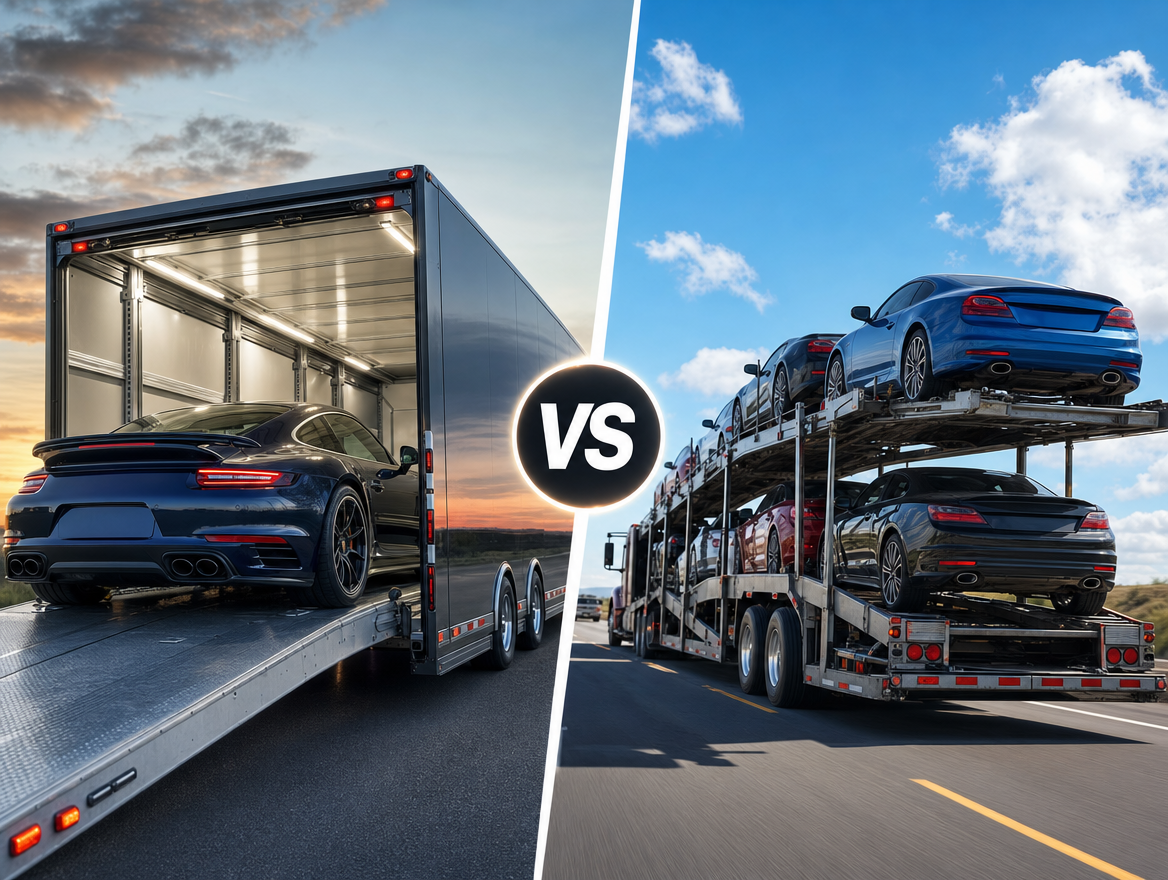
You’ll find various insurance options when shipping your vehicle, from basic carrier liability to comprehensive coverage. Basic liability typically covers damage caused by the carrier’s negligence, while cargo insurance offers broader protection for your car during transit. For added peace of mind, you might consider gap coverage or specialized insurance for high-value vehicles like luxury cars or pickup trucks. The price of insurance varies depending on factors such as the type of trailer used and the distance of transport.
Understanding Your Policy’s Limitations and Exclusions
You need to carefully review your insurance policy to understand its limitations and exclusions when shipping your vehicle. Many policies don’t cover personal items left in the truck or damage from acts of nature. If you’re transporting a classic car, you might need specialized coverage. Check with the Better Business Bureau for reputable insurers, and remember that your credit card may offer additional protection for auto transport.
Steps to Verify Your Auto Transport Insurance Coverage
You should verify your auto transport insurance coverage before shipping your vehicle, even if it’s a motorcycle or you’re sending it to Hawaii. Contact the shipping company to request a copy of their insurance policy and carefully review the bill of lading for coverage details. Ensure the policy covers your vehicle’s full value and any potential risks during road transport.
Decoding the Fine Print in Your Shipping Insurance Policy
Navigating the fine print of your car shipping insurance policy is crucial to protect your vehicle and your money. Whether you’re transporting a luxury car from New Jersey or an SUV across state lines, understanding the intricacies of your coverage is essential. This section breaks down key terms, guides you through policy interpretation, and emphasizes the importance of knowing your deductible. By mastering these aspects, you’ll be better equipped to handle the logistics of vehicle transport and ensure adequate protection for your prized possession.
Key Terms and Conditions Explained
You’ll encounter several key terms when reviewing your car shipping insurance policy. “Payment” often refers to your premium or deductible, while “mile” may be used to calculate coverage limits. If you’re shipping to “Alaska,” ensure your policy covers long-distance transport. The “Federal Motor Carrier Safety Administration” regulates auto transport companies, so look for their compliance in your policy. Pay attention to coverage for “road debris” damage, as this is a common issue during vehicle transport.
How to Read and Understand Your Policy’s Fine Print
You need to carefully review your policy’s fine print to understand your coverage when shipping your vehicle from North Carolina to Los Angeles. Look for key terms like “fee” and check if there are additional charges for specialized transport, such as shipping a tank. Pay attention to clauses about truck driver liability and any exclusions that might affect your coverage during transit.
The Importance of Knowing Your Deductible
You need to know your deductible when shipping your car to Washington or any other destination. Your deductible affects how much you’ll pay out of pocket if damage occurs during transport, so clear communication with your insurer is vital. Before loading your vehicle, perform a thorough inspection, including the trunk, and document its condition to protect yourself and maintain your insurer’s reputation.
How to Protect Your Vehicle During Shipping
You need to take proactive steps to safeguard your vehicle during shipping, whether you’re transporting it from Illinois to Colorado or across state lines to Oklahoma. As an expert in auto transport, I recommend familiarizing yourself with your insurance policy and implementing protective measures. This section covers essential preparation techniques, tips for documenting your car’s condition, and the crucial role of inspection reports in insurance claims. By following these guidelines, you’ll minimize the risk of damage and streamline the claims process if issues arise during transit.
Preparing Your Car for Transport
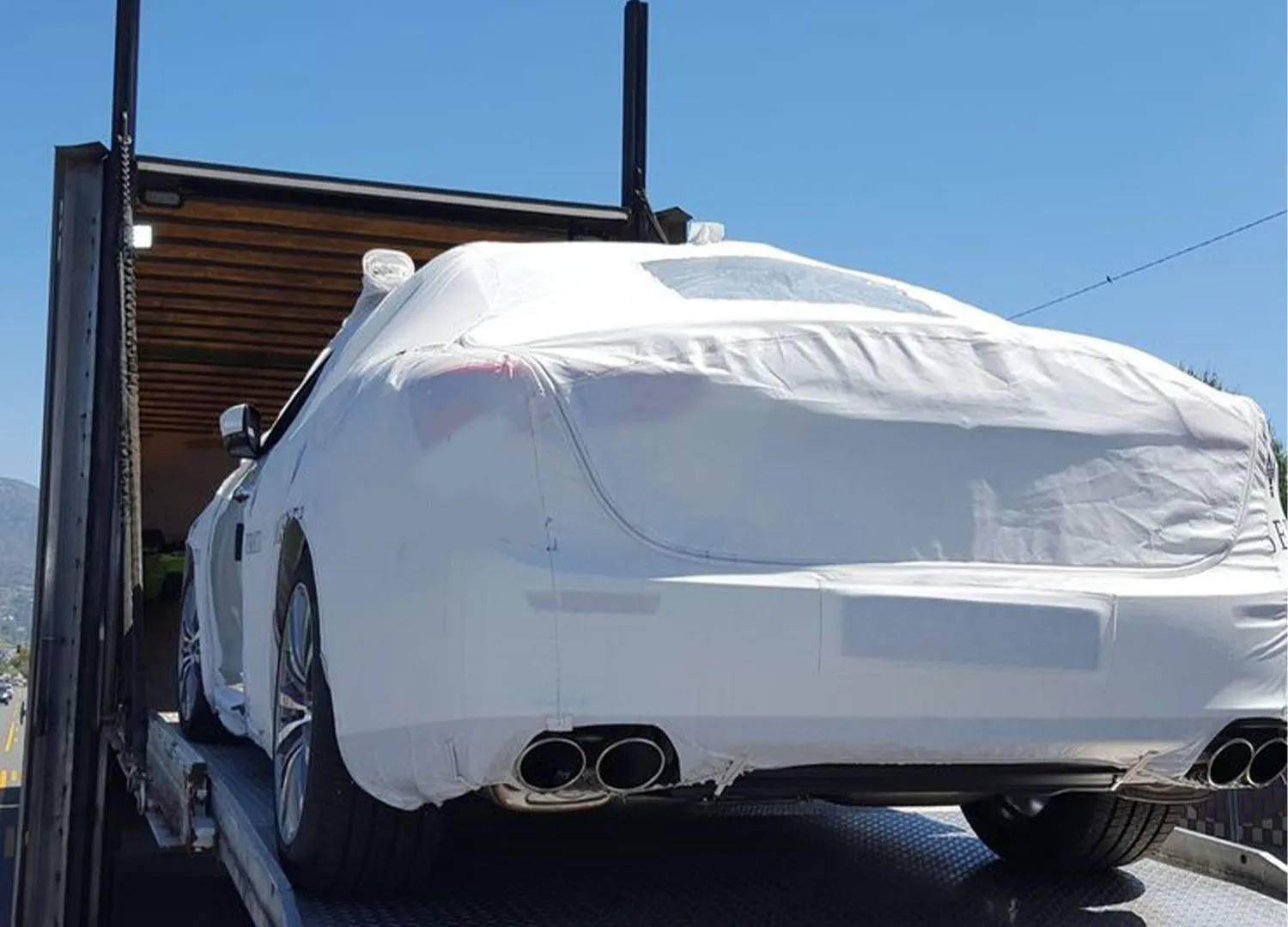
You need to prepare your car thoroughly before shipping it from Arizona to Virginia or any other destination. Remove all personal items, secure loose parts, and ensure your fuel tank is only about a quarter full to reduce weight and prevent leaks. Clean your vehicle inside and out to make it easier to spot any damage that might occur during transit, and consider using a car cover to protect against road debris.
Tips for Documenting Your Vehicle’s Condition
You should thoroughly document your vehicle’s condition before shipping it from New Mexico to West Virginia or any other destination. Take clear, detailed photos of your car from all angles, including close-ups of any existing damage, and make notes about its current state. This documentation will be crucial if you need to file an insurance claim, and it can help you stay within your budget by avoiding disputes over pre-existing damage.
The Role of an Inspection Report in Insurance Claims
You must obtain a detailed inspection report before shipping your vehicle from Michigan to Georgia or any other state. This report serves as crucial evidence in case you need to file an insurance claim for damages that occur during transport. Whether you’re moving from New Hampshire to Pennsylvania or Massachusetts to another location, a thorough inspection report helps protect your interests and streamlines the claims process if issues arise.
Navigating the Claims Process for Car Shipping Damages
When shipping your vehicle from South Dakota to San Diego or anywhere in between, understanding how to navigate the claims process is crucial if damages occur. Whether you’re transporting a car from Jersey to North Dakota or across state lines, knowing the steps to file an insurance claim, how to document damages effectively, and what to expect after filing can make a significant difference in your experience. This guide will walk you through the claims process, ensuring you’re prepared to handle any issues that may arise during transit. Remember, your feedback throughout the process is valuable, as it helps improve the system for future customers and keeps insurance providers accountable.
Steps to File an Insurance Claim for Shipped Vehicles
If your vehicle arrives damaged after shipping from Ohio to Iowa or any other states, you need to act quickly to file an insurance claim. Contact the shipping company immediately and document all damages thoroughly, including photos and detailed descriptions. Provide your policy number, the pickup and delivery locations (including zip codes), and any relevant information about the port or transit points in Missouri where the damage may have occurred.
How to Document Damages for a Smooth Claim Process
You need to thoroughly document any damages to your vehicle upon delivery, whether you’re shipping from Tennessee to Kentucky or across the country. Take clear, detailed photos of all visible damage, including close-ups of specific areas like brakes or scratches. Note the date, time, and location of the inspection, and promptly report the issues via telephone to both the shipping company and your insurance provider. If you’re shipping to or from Rhode Island, be aware of any state-specific requirements for damage reporting to ensure a smooth claims process.
What to Expect After Filing an Insurance Claim
After filing an insurance claim for vehicle shipping damage, you should expect a response within a few business days. The insurance company will likely request additional documentation, such as photos of the damage and repair estimates from certified mechanics in South Carolina, Utah, or Nevada. If you used enclosed auto transport or California auto transport services, be prepared to provide details about the specific carrier and route taken.
Evaluating Car Shipping Insurance vs. Your Personal Auto Insurance
You need to understand the differences between car shipping insurance and your personal auto insurance when transporting your vehicle. Shipping providers often offer specialized coverage, but your existing policy may also play a role. Whether you opt for enclosed car shipping or standard car shipping services, it’s crucial to know what’s covered. This section will help you compare your personal auto insurance with the protection offered by car shipping companies and carriers, ensuring you make informed decisions about safeguarding your vehicle during transit.
Can Your Personal Auto Insurance Cover Shipping Damages?
You should check with your personal auto insurance provider to determine if they cover damages during car shipping. While some policies may offer limited protection, most standard auto insurance plans don’t fully cover damages that occur during transport by a car shipper. To ensure comprehensive coverage, you might need to purchase additional insurance from the car shipping service or consider companies like Flix Auto Transport that offer specialized protection. When moving your vehicle, obtaining a car shipping quote that includes insurance options can help you make an informed decision about the best coverage for your needs.
When to Rely on Car Shipping Insurance Over Personal Insurance
You should rely on car shipping insurance over personal insurance when transporting your vehicle long distances or across state lines. Most personal auto policies don’t cover damages during transit, so obtaining auto shipping quotes that include comprehensive coverage is crucial. Reputable car shipping companies often provide tailored insurance options that protect against specific risks associated with vehicle transport, giving you better protection than your standard policy.
Questions to Ask Your Insurance Provider Before Shipping
You need to ask your insurance provider crucial questions before shipping your vehicle. Whether you’re using Flix Auto Transport, or any of the best car transport companies, understanding your coverage is essential. This section guides you through key inquiries about coverage limits and policy extensions for auto transport. By asking these questions, you’ll be better prepared for shipping your car across the country and can make informed decisions about additional coverage if needed. Remember, while many companies offer an instant quote, it’s important to delve deeper into the insurance details to ensure comprehensive protection for your vehicle during transit.
Essential Questions About Coverage Limits
You need to ask your insurance provider about coverage limits when planning car transport cross country. Inquire about the maximum amount they’ll pay for damages during transit, especially if you’re shipping to states like Kansas, Montana, or Louisiana. Understand how different types of damage are covered and if there are any exclusions specific to long-distance auto transport.
Inquiring About Policy Extensions for Auto Transport
You should ask your insurance provider about policy extensions for auto transport, especially if you’re shipping to states like Maryland, Nebraska, Delaware, or Minnesota. Inquire whether they offer additional coverage for specialized transport methods, such as flatbed trucks, which may be necessary for certain vehicles or routes. Ensure you understand any state-specific requirements or limitations that might affect your coverage during transit.
The Cost of Car Shipping Insurance Explained
You need to understand the factors that impact car shipping insurance costs when transporting your vehicle to states like Vermont, Wyoming, Arkansas, or Mississippi. The price of insurance can vary based on several elements, including the value of your car, the distance it’s traveling, and current market demand. This section breaks down the key factors influencing insurance premiums and provides strategies to secure the best rates for your shipping insurance. By grasping these concepts, you’ll be better equipped to make cost-effective decisions while ensuring adequate protection for your vehicle during transit.
Factors That Influence Insurance Premiums
You’ll find several factors influencing your car shipping insurance premiums, including your vehicle’s value, the distance of transport, and the chosen shipping method. If you’re transporting a high-value vehicle like a luxury car or a boat with a powerful engine from Oregon to Indiana, you may face higher premiums due to increased risk. The route also matters; shipping to remote areas in Alabama might cost more than popular routes between major cities.
How to Get the Best Rates for Your Shipping Insurance
You can secure the best rates for your shipping insurance by comparing quotes from multiple brokers and carriers, especially when shipping to states like Idaho. Consider bundling your insurance with other services, such as tire protection or extended warranty coverage, to potentially lower your overall costs. Remember to ask about discounts for factors like a clean driving record or loyalty programs, and always prioritize customer experience when choosing an insurance provider to ensure smooth communication and claims processing if needed.
Choosing the Right Insurance Coverage for Your Car Shipping Needs
You need to carefully consider your insurance options when shipping your vehicle, whether it’s a standard delivery or transport to Mexico. Assessing your needs based on your vehicle’s type and value is crucial, as is comparing policies from different insurance providers. As an auto transport broker, take pride in offering comprehensive information to help you make an informed decision. This section will guide you through evaluating your specific requirements and analyzing various insurance options to ensure your vehicle is adequately protected during transit.
Assessing Your Needs Based on Vehicle Type and Value
You need to assess your insurance needs based on your vehicle’s type and value when shipping it. Consider factors like your car’s make, model, age, and any modifications that affect its worth. If you’re transporting a high-end vehicle from a car dealership, you might require more comprehensive coverage than for a standard consumer car. Remember to have your vehicle’s receipt handy, as insurers may ask for proof of value. Also, take into account your car’s length and weight, as these can impact shipping costs and insurance premiums.
Comparing Policies From Different Insurance Providers
You should compare policies from different insurance providers when shipping your vehicle, whether it’s a minivan or a Jeep. Look for companies with positive Trustpilot reviews and those that offer coverage for specific scenarios, such as transporting construction equipment or shipping to San Francisco. Pay attention to policy details, including deductibles, coverage limits, and any exclusions that might affect your specific vehicle type or shipping route.
Mistakes to Avoid With Car Shipping Insurance
You must be aware of common pitfalls when securing car shipping insurance, whether you’re transporting a van, golf cart, or any vehicle won from an auction. Avoiding these mistakes can save you from potential headaches during your vacation or when shipping your car by train. Two critical errors to steer clear of are overlooking the need for additional coverage and assuming all risks are covered without confirmation. By understanding these issues, you’ll be better equipped to protect your vehicle during transit, ensuring a smoother shipping experience.
Overlooking the Need for Additional Coverage
You need to carefully assess whether additional coverage is necessary when shipping your vehicle. While many auto shipping companies offer basic insurance, it may not fully protect your asset, especially for high-value cars or long-distance transport to places like New Hampshire. Before accepting a car transport quote, review the provided coverage and consider supplementary insurance to safeguard against potential risks not included in standard auto shipping policies.
Assuming All Risks Are Covered Without Confirmation
You should never assume all risks are covered without confirming the details of your auto transport insurance policy. Contact your provider or check their website to verify specific coverage, including protection for your vehicle’s roof during transit. For added peace of mind, consider reaching out to the California Department of Motor Vehicles for guidance on insurance requirements and best practices to ensure customer satisfaction with your shipping experience.
Future of Car Shipping Insurance: Trends and Innovations
You need to stay informed about the future of car shipping insurance as technological advancements reshape the industry. From smart sensors that monitor your vehicle’s safety during transit to blockchain-based contracts that streamline claims processing, innovation is transforming how you protect your investment. Whether you’re shipping a car to New York City or transporting a mercury-powered classic, understanding emerging trends can help you navigate evolving insurance policies. As deductibles and coverage options adapt to new realities, anticipating these changes will ensure you’re prepared for the future of auto transport protection.
Technological Advances Impacting Insurance Policies
You’ll see technological advances reshaping car shipping insurance policies, impacting everything from maintenance tracking to road trip coverage. Smart sensors in your sedan can now provide real-time data on your vehicle’s condition during transport, allowing insurers to offer more accurate and personalized policies. These innovations are changing the methodology for assessing risk and determining premiums, even for long-distance shipments to places like Maine.
Predictions on How Insurance for Car Shipping Will Evolve
You’ll see car shipping insurance evolve to accommodate new trends like snowbird migrations and scooter transport. Expect policies to offer more flexible coverage for seasonal travelers heading to Canada and enhanced protection for vehicles during long highway journeys. Advanced dispatch systems will likely integrate with insurance platforms, providing real-time updates and streamlining the claims process for a wider range of vehicles and shipping scenarios.
Conclusion
Understanding car shipping insurance is crucial for protecting your vehicle during transport. This comprehensive guide equips you with essential knowledge about coverage types, policy limitations, and claims processes, enabling informed decisions and cost management. By mastering the intricacies of shipping insurance, you can safeguard your investment, whether you’re moving across state lines or shipping internationally. Staying informed about insurance trends and innovations ensures you’re prepared for the evolving landscape of auto transport protection, ultimately providing peace of mind during your vehicle’s journey.Flix
Related articles
Expert advice and real experiences to make your car shipping simple and stress-free.






.jpg)








.jpg)




.jpg)



.jpg)































.webp)