Cost of Shipping a Car from Texas to Michigan


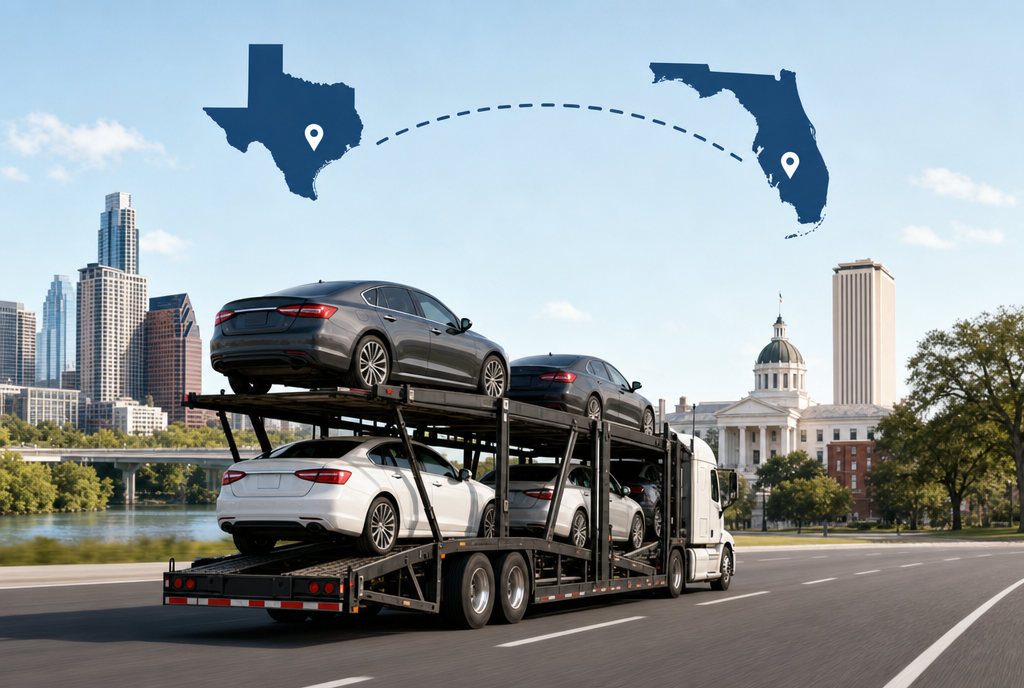
If you're planning to ship a car from Texas to Michigan, you're working with one of the more active long-haul transport corridors in the country. The route connects two states with strong automotive industries and millions of residents who relocate, purchase vehicles remotely, and move seasonally. This guide breaks down real costs, key pricing factors, route details, and practical advice, so you know exactly what to expect before you book.
How Much Does It Cost to Ship a Car from Texas to Michigan?
Most Texas-to-Michigan shipments run $780–$1,050 for open transport and $1,150–$1,550 for enclosed, depending on your specific cities, vehicle type, transport method, and timing. That range is wide because the route varies considerably. Houston to Detroit is a different job than El Paso to Traverse City, both in distance and carrier availability.
Here's a realistic breakdown by common city pairs:

These figures reflect current market rates for standard sedans and crossovers. Add $100–$250 for full-size trucks and SUVs. Cost per mile on this lane typically runs $0.65–$0.85. Longer routes often produce a lower per-mile rate because carriers prefer runs that fill their schedule efficiently without frequent stops, and Texas-to-Michigan is exactly that kind of load.
One thing worth knowing: the quotes you see advertised online are often baseline figures built around ideal conditions (a standard sedan, a flexible pickup window, a major metro on both ends). Your actual quote may differ based on vehicle size, timing, and how accessible your pickup and delivery addresses are. Always confirm what's included before accepting a number. Want a number specific to your route and vehicle? Get a quote from a transport coordinator before you book. The ranges above are a starting point, not your final price.
Need an accurate Texas-to-Michigan quote? Use our calculator or speak with a transport coordinator before you book.
What Drives the Price Up or Down?
Open vs. Enclosed Transport
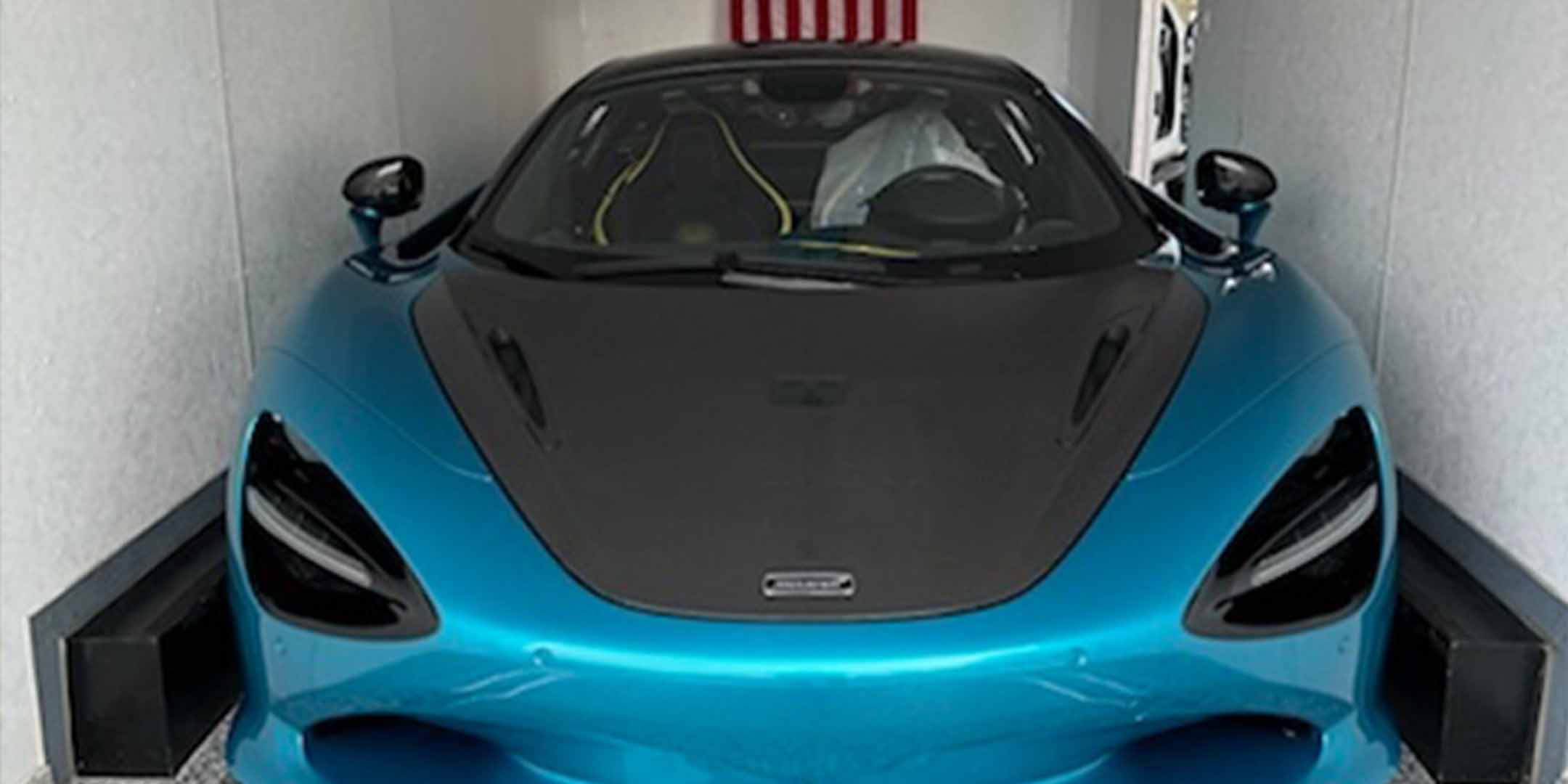
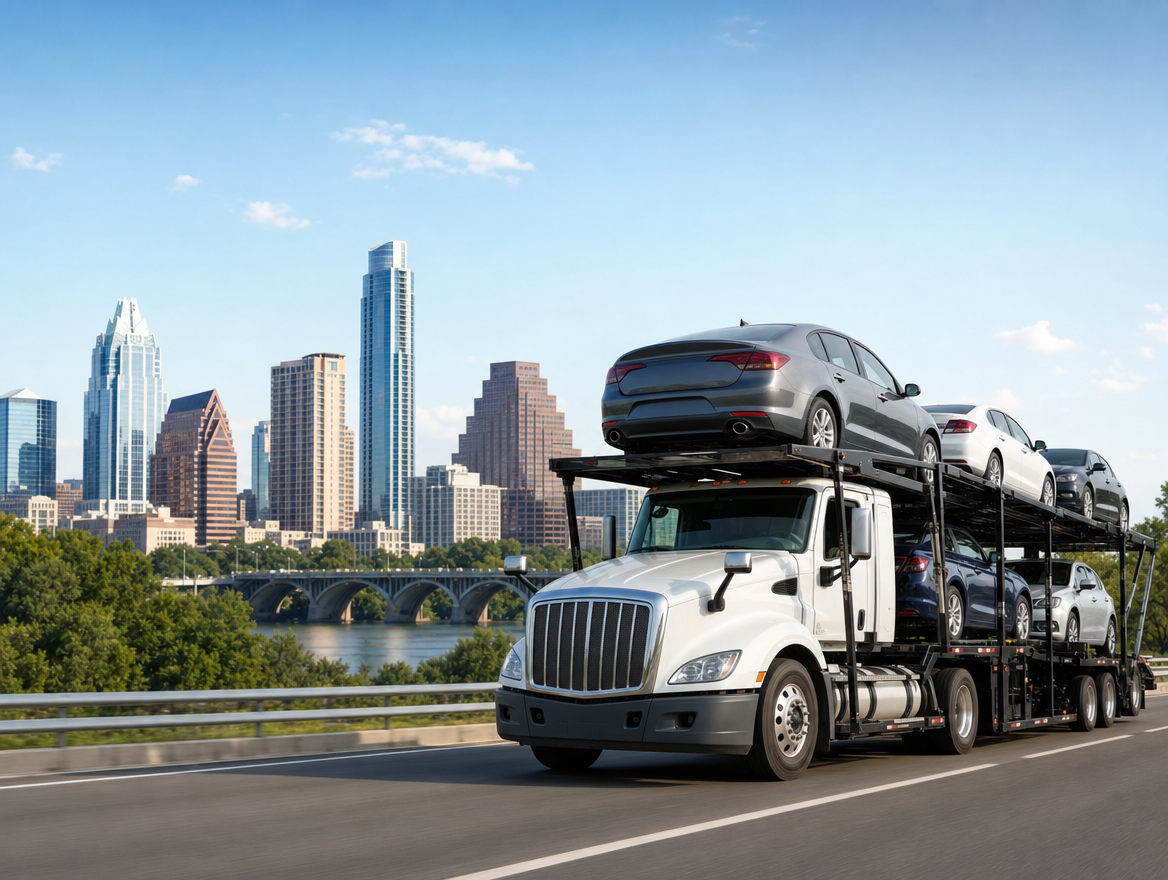
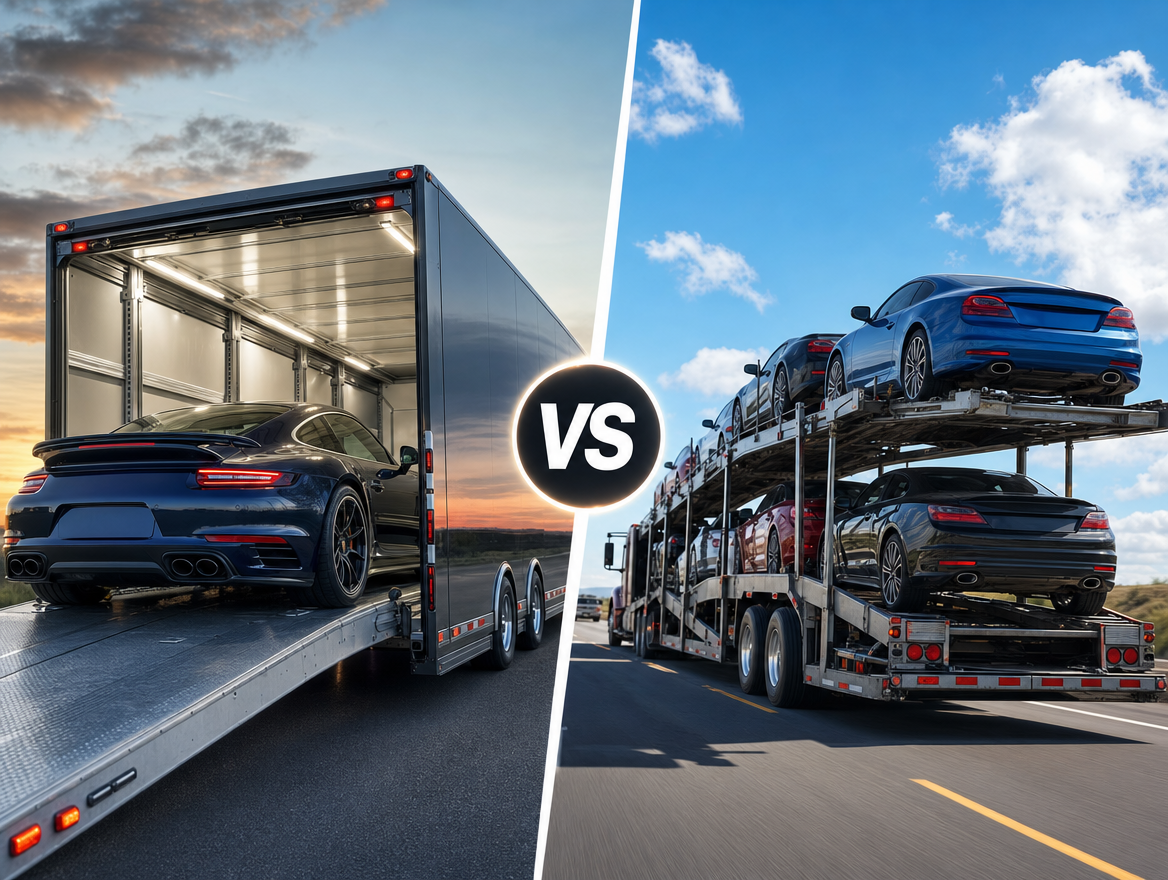
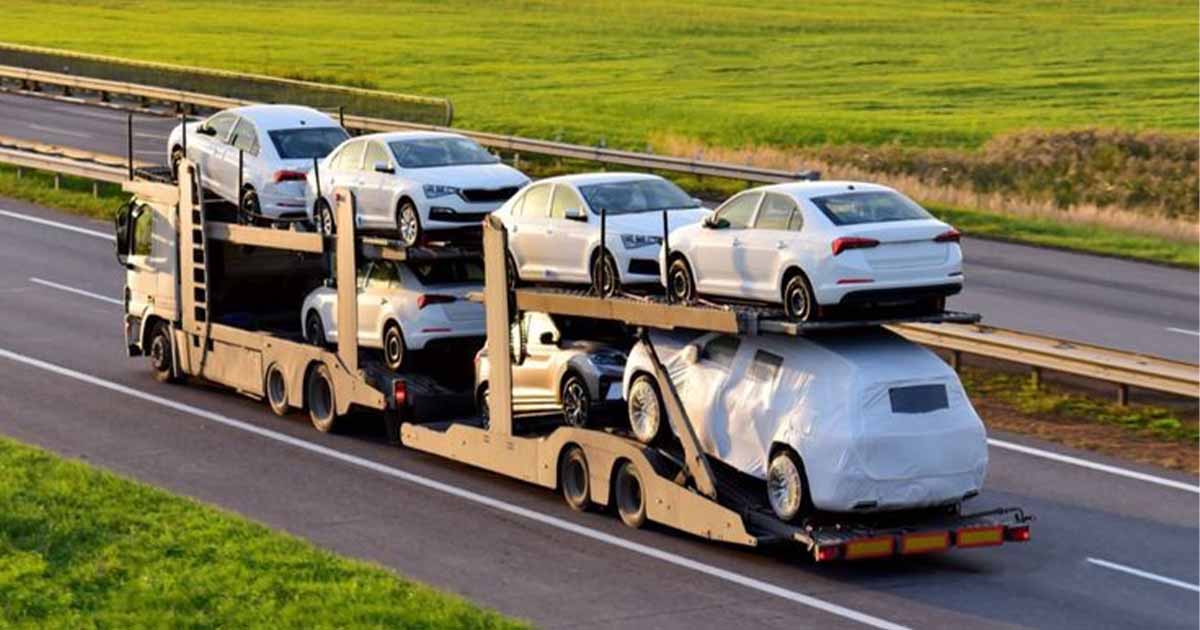
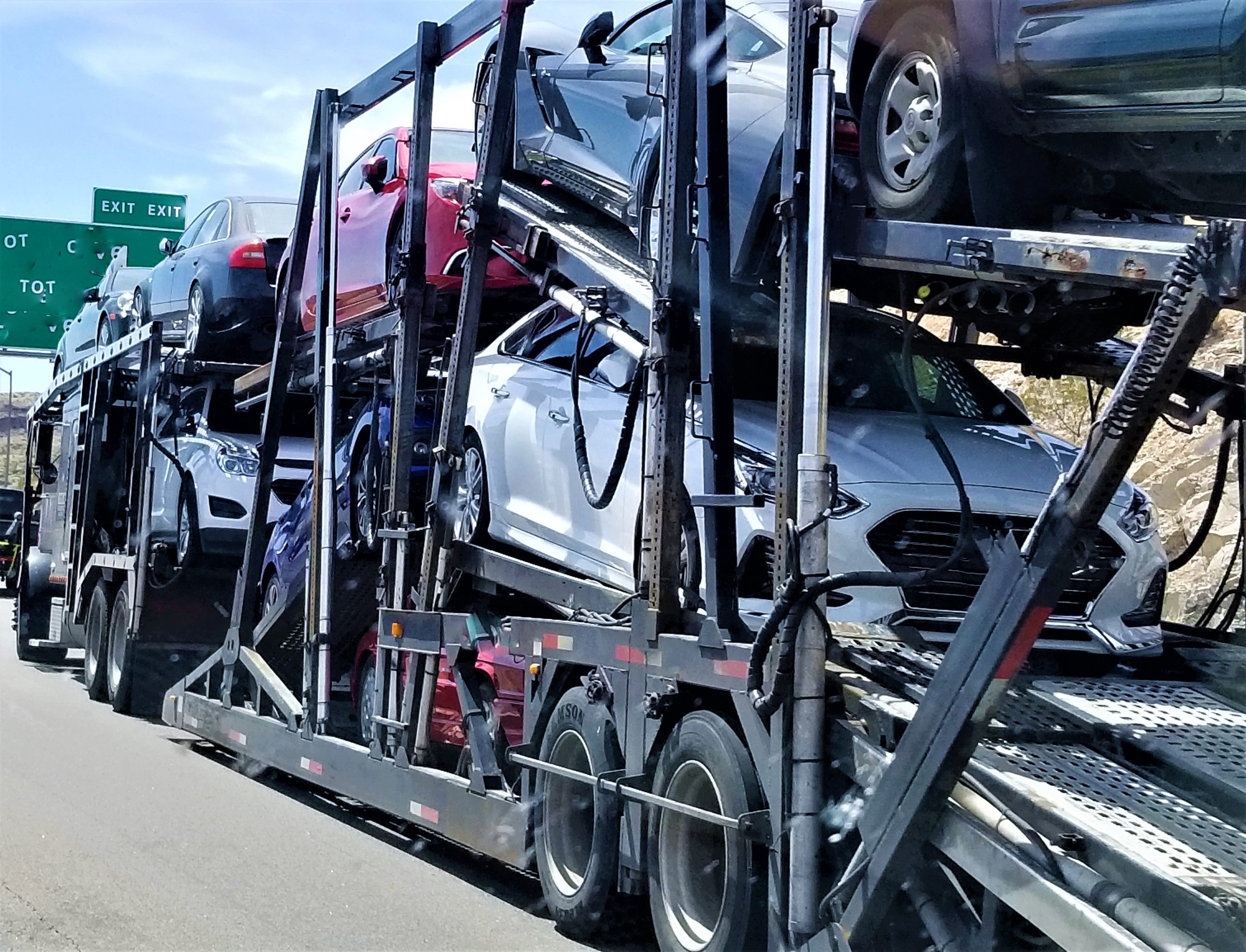
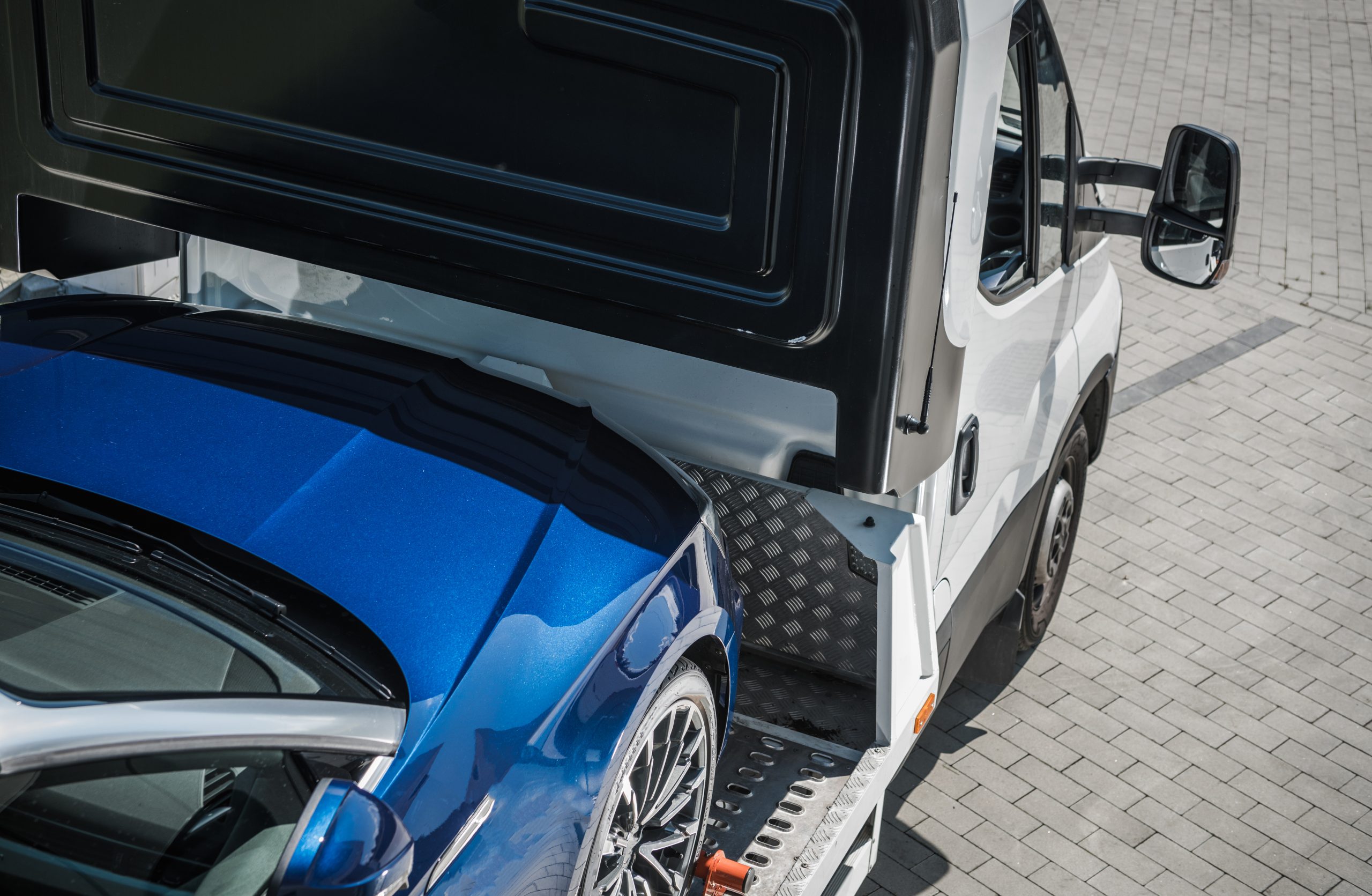
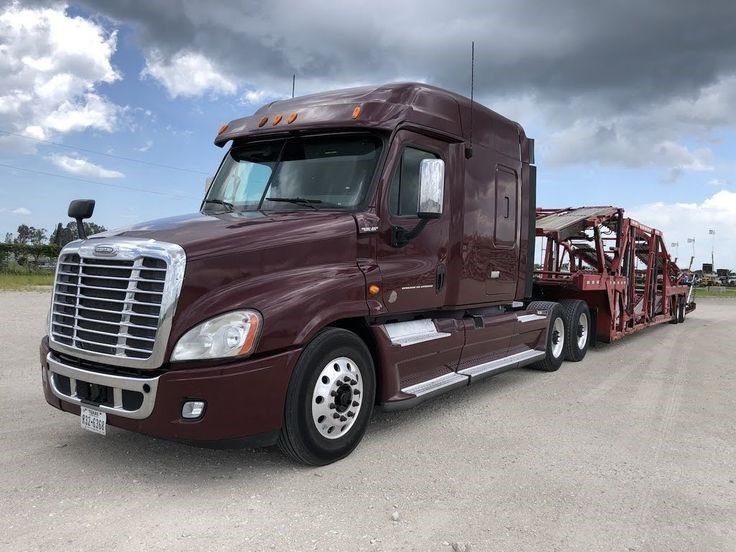
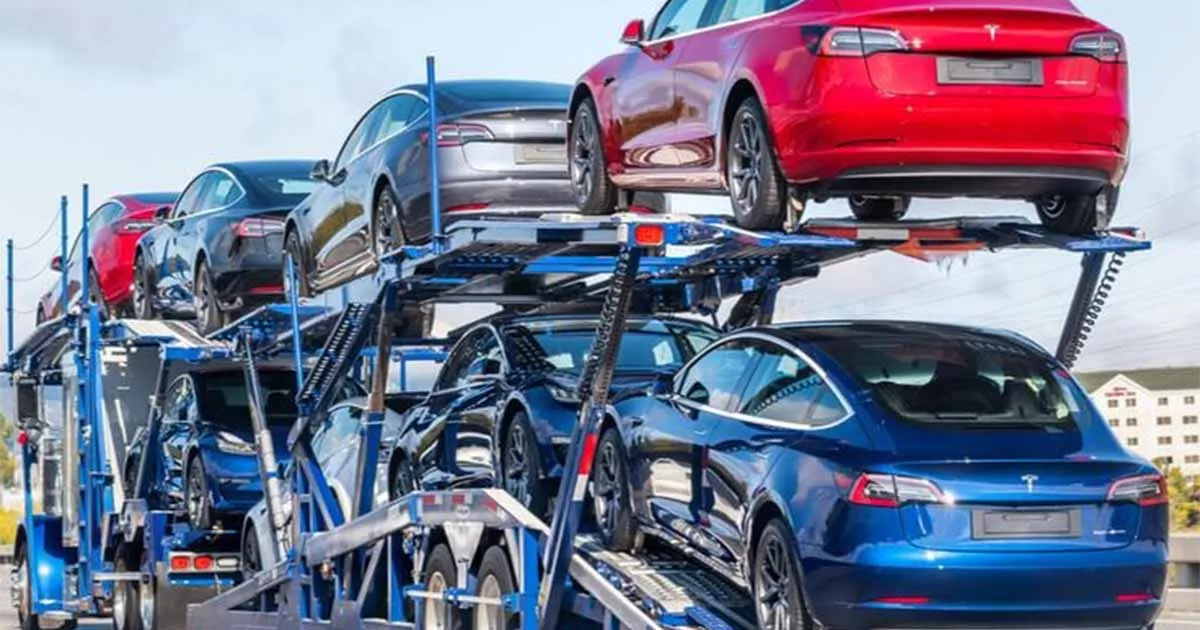
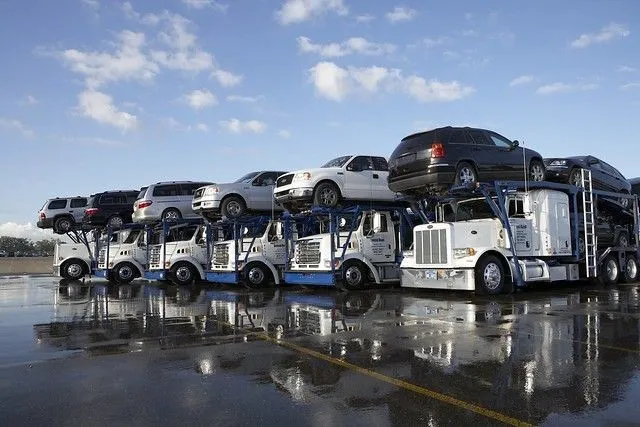
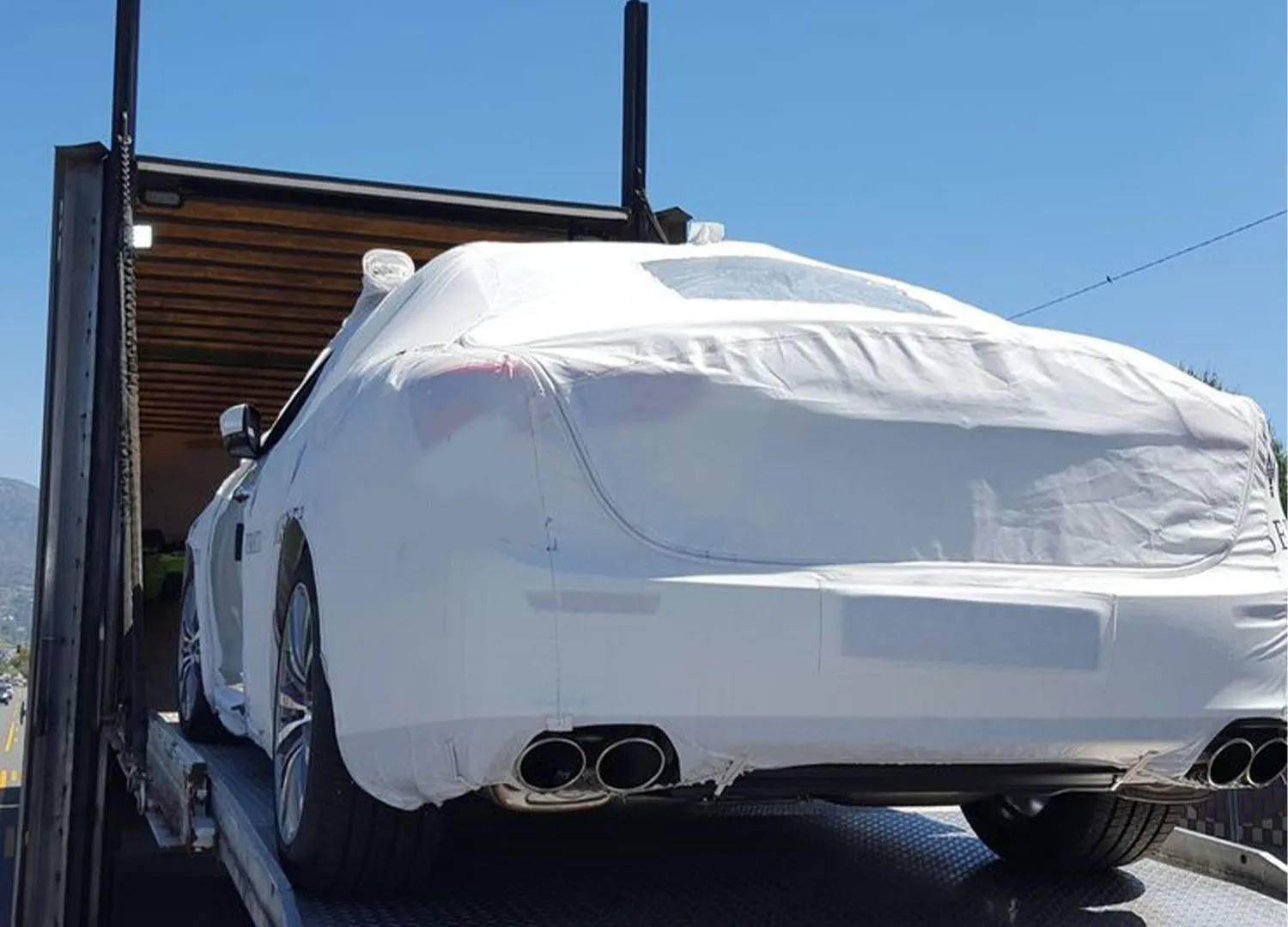
This is the single biggest pricing variable after distance. Open transport (where your vehicle rides on a standard multi-car trailer exposed to road conditions) is the default and most affordable option. Roughly 90% of all vehicles shipped in the U.S. move this way, including newer cars and everyday commuters. Enclosed transport puts your vehicle inside a covered trailer, shielding it from road debris, weather, and UV exposure. It costs 40–60% more than open on the same route, but for luxury sedans, classics, or collector vehicles, that premium is straightforward to justify. Enclosed carriers also typically carry fewer vehicles per load, which means more careful handling overall.
Vehicle Size and Condition
Standard sedans are the pricing baseline. Trucks, large SUVs, vans, and oversized vehicles take more trailer space and are priced accordingly. Electric vehicles, particularly heavier models like the Rivian R1T or GMC Hummer EV, exceed the weight of equivalent gas vehicles, which affects carrier calculations and sometimes requires specific positioning on the trailer.
Non-running vehicles require a winch for loading and unloading. Most carriers can handle this, but you must disclose inoperability when booking. It determines which carriers can accept the load and adds to the final cost.
Pickup and Delivery Location
Texas major metros sit on highly active carrier lanes. Getting a carrier assigned in Austin, Dallas, or Houston is fast and competitively priced. Michigan's largest markets (Detroit, Grand Rapids, Lansing) are similarly well-served. The further you move from dense urban areas, the more complicated logistics become. Rural locations may require the carrier to detour off their main route, which either raises the price or extends the pickup window. Many customers in less accessible areas simply arrange to meet the carrier at a nearby open location: a truck stop, a shopping center parking lot, or any spot where a large trailer can maneuver safely.
Seasonal Demand and Timing Flexibility
The Texas-to-Michigan lane is busiest in spring and summer, when relocations peak and snowbirds return north after wintering in warmer states. During high season (roughly March through September), carrier availability tightens and prices trend upward. Book 1–2 weeks ahead when possible.
If you can offer a 3–5 day flexible pickup window rather than a specific date, dispatchers can match you with a carrier passing through your area naturally. That flexibility regularly translates into a faster match and a better rate. It's one of the easiest ways to lower your quote without negotiating.
How Long Does It Take?
Transit time from loading to delivery is typically 2 to 4 days. Once a carrier picks up the vehicle, they're moving; long-haul drivers on a run like this don't have reason to linger. What actually affects your total timeline is the pickup scheduling window: the gap between when you book and when a carrier physically loads your vehicle. During busy periods, that window can be 1–5 days. In slower months or on less active lanes, it may stretch further.
Total time from booking to delivery, realistically: 3 to 7 days for most shipments. If you're working against a hard deadline, communicate that upfront so your coordinator can prioritize accordingly. Expedited options exist for time-sensitive shipments, though they come at a premium.
What Route Do Carriers Take?
The most common northbound routing follows I-35 out of Texas through Oklahoma City, transitions to I-44 east toward St. Louis, then picks up I-75 north through Ohio and into Michigan. Shipments heading to western Michigan (Grand Rapids, Kalamazoo) often branch off earlier onto I-94 or I-96. The mileage is similar; the final delivery approach just differs.
This corridor is well-established, well-maintained, and carrier-friendly. That predictability is part of why this lane prices consistently and why carriers actively seek loads on it. Dispatchers know the route well, which generally means faster carrier matches and more reliable timing estimates.
Open vs. Enclosed: Which Should You Choose?
For most vehicles making this run, open transport is the practical and cost-effective choice. Sedans, SUVs, hybrids, and daily drivers don't need enclosed protection because they're built to handle highway exposure, and carriers secure them properly on the trailer.
Choose enclosed transport if:
- Your vehicle is a luxury brand (BMW, Porsche, Tesla, Bentley, etc.)
- It's a classic or collector car with irreplaceable paintwork
- It has an exotic or custom finish
- The vehicle is worth $60,000 or more and you want peace of mind
- You're shipping in winter and want to avoid road salt exposure on a pristine vehicle
The price difference on this route is typically $300–$500. For a vehicle worth six figures, that's a reasonable cost for guaranteed protection.
What Does Insurance Cover During Transport?
Every licensed carrier operating in the U.S. is required to carry cargo insurance, which applies while your vehicle is on the trailer. A few important clarifications before you assume full coverage:
- Cargo insurance covers transport-caused damage: incidents during loading, road debris impacts, accidents in transit. It does not cover pre-existing damage.
- Personal items inside the vehicle are not covered. Don't leave valuables, documents, or irreplaceable items in the car.
- Your personal auto insurance may provide supplemental coverage during transport. Check your policy before assuming you need to purchase additional protection.
- The Bill of Lading documents your vehicle's condition at pickup. Review it carefully, note anything you disagree with before signing, and keep your copy. This document is your primary evidence if a damage claim arises at delivery.
How Does the Shipping Process Work?
Understanding each step helps you avoid surprises, especially if this is the first time you ship your car to another state.
Step 1 - Quote and Booking
Provide ZIP codes, vehicle details, transport preference, and target pickup date. A reputable company gives a firm quote upfront, not a lowball number that changes once you're committed.
Step 2 - Carrier Assignment
A dispatcher works to match your shipment with a licensed carrier heading in the right direction on roughly your timeline. For major Texas cities, this typically happens within 1–3 business days of your target date.
Step 3 - Pickup and Inspection
The driver contacts you before arriving. You walk the vehicle together, document existing condition on the Bill of Lading, and the car gets loaded and secured.
Step 4 - Transit
The carrier drives north along the established corridor. Tracking updates or status checks through dispatch are available on most shipments.
Step 5 - Delivery and Final Inspection
The driver contacts you before arrival in Michigan. Inspect the vehicle against the original Bill of Lading. Note any discrepancies immediately and before the driver leaves. Once they're gone, the window for straightforward claims closes.
Is Shipping Cheaper Than Driving?
It's worth running the actual numbers before assuming driving saves money. A 1,300-mile drive from Austin to Detroit means roughly two days behind the wheel, $100–$180 in fuel depending on your vehicle, potential overnight lodging, meals on the road, and real wear-and-tear on tires, brakes, and engine hours. That totals $350–$500 easily, plus two lost days of your time.
Shipping on this route starts around $800. The gap is real, but it narrows considerably once you account for all driving costs. And if your time has any professional or personal value, the calculation shifts further.
For remote vehicle purchases, the math is even clearer. If you've bought a car in Dallas and you're based in Detroit, a 1,300-mile retrieval trip isn't a casual weekend errand. Cross-country car shipping handles it directly, without the logistics of flights, rental cars, or two full days of interstate driving.
Frequently Asked Questions
How much does it cost to ship a car from Austin to Detroit?
Open transport runs $850–$1,000, and enclosed transport runs $1,200–$1,500. Austin's active carrier lane keeps pricing competitive and pickup windows short compared to less-served Texas cities.
How much does it cost to ship a car from Dallas to Ann Arbor?
Expect $780–$950 for open transport and $1,150–$1,400 for enclosed. This is one of the more affordable city pairs on the corridor, since both Dallas and the Ann Arbor/Detroit metro area are high-volume carrier hubs.
How much does it cost to ship a car from Houston to Grand Rapids?
Open transport typically costs $850–$1,050, while enclosed runs $1,250–$1,550. Grand Rapids sits slightly off the main I-75 corridor, so pricing runs a bit higher than routes ending in Detroit.
Is Texas to Michigan a common car shipping route?
Yes. It's one of the more active long-haul corridors in the country, driven by relocations, remote vehicle purchases, and seasonal snowbird travel between the two states. High shipment volume means better carrier availability and more predictable pricing than less-traveled routes.
What is a realistic total budget?
For a standard sedan on open transport, budget $800–$1,000. For enclosed transport or larger vehicles, $1,000–$1,250 is realistic. Expedited pickup or difficult delivery locations can push costs higher.
Is a deposit required to book?
No money is collected at booking. Only your credit card information is collected upfront, and the $100–$200 reservation fee is charged once a carrier is dispatched and assigned to your shipment. The remaining balance is paid to the carrier at delivery, usually in cash or electronic transfer. Be cautious of any company that asks for full payment before a carrier is assigned.
Can I leave personal belongings in the car?
You can leave up to 100 lbs inside the vehicle, below window level or in the trunk, at no extra charge. If you need to bring more, that's possible, but it needs to be disclosed upfront so the carrier can plan for it. Above 100 lbs, expect roughly $1 per pound, though the rate can run lower depending on mileage and the individual trucker. Regardless of weight, none of it is covered under cargo insurance, so keep valuables and important documents with you.
Does Flix Auto Transport ship on this route?
Yes. Flix Auto Transport dispatches vehicles on the Texas–Michigan corridor regularly from Austin and other major Texas metros, with both open and enclosed options and a dispatch team experienced in finding carrier solutions on this lane. Because Flix Auto Transport is based in Austin and works this lane regularly, our dispatch team understands both the Texas pickup side and the Midwest delivery side of the shipment.
Don't Book Until You've Read This
Shipping a car from Texas to Michigan is a well-established run with predictable pricing and reliable transit times. The decisions that matter most are open vs. enclosed transport and how much flexibility you have on pickup timing. Both affect your final price more than most customers expect. Get your quote early, read the Bill of Lading carefully at both ends, and choose a company that communicates proactively rather than going quiet between booking and delivery. Those three habits will cover the vast majority of what can go wrong on a shipment like this.
Related articles
Expert advice and real experiences to make your car shipping simple and stress-free.




.jpg)






.jpg)



.jpg)



.jpg)

























.webp)