Key Trends Shaping the Future of Car Transport


Key Trends Shaping the Future of Car Transport
The automotive transport industry is undergoing significant changes driven by technological advancements, evolving consumer preferences, and environmental considerations. This article explores the future of car transport, highlighting the key trends and innovations shaping the industry. For all questions that we process and are unclear to you, please contact us.
Autonomous Vehicles
The Rise of Self-Driving Cars
Autonomous vehicles (AVs) are set to revolutionize car transport. With advancements in AI and machine learning, self-driving cars are becoming more reliable and efficient.
- Level 4 and Level 5 Autonomy: Fully autonomous vehicles that can operate without human intervention.
- Enhanced Safety: Reduced accidents due to advanced sensor systems and real-time data processing.
Sure, let’s humanize and enhance the readability of this article, making it more engaging and easier to understand. Here’s a revised version:
The Future of Car Transport: Trends and Innovations
The automotive transport industry is undergoing significant changes driven by technological advancements, evolving consumer preferences, and environmental considerations. This article explores the future of car transport, highlighting the key trends and innovations shaping the industry. If you have additional questions, you can contact us.
Key Trends Shaping the Future of Car Transport
Autonomous Vehicles
The Rise of Self-Driving Cars
Autonomous vehicles (AVs) are set to revolutionize car transport. With advancements in AI and machine learning, self-driving cars are becoming more reliable and efficient.
- Level 4 and Level 5 Autonomy: Fully autonomous vehicles that can operate without human intervention.
- Enhanced Safety: Reduced accidents due to advanced sensor systems and real-time data processing.
Electric Vehicles (EVs)
The Shift to Sustainable Transport
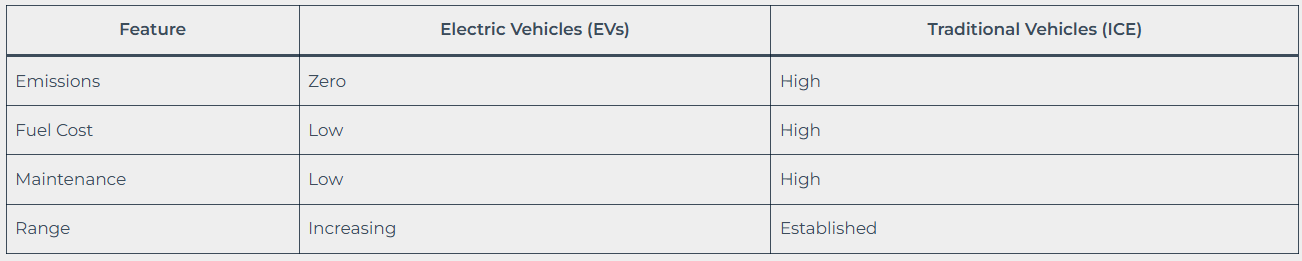
The rise of electric vehicles is driven by the need to reduce carbon emissions and reliance on fossil fuels.
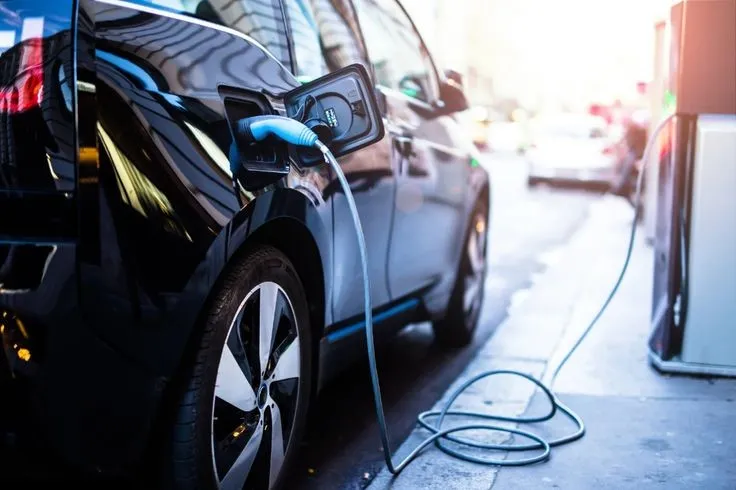
- Battery Technology: Improved battery life and faster charging times.
- Government Incentives: Subsidies and tax benefits for EV adoption.

Blockchain Technology
Enhancing Transparency and Security
Blockchain technology is improving the transparency and security of car transport processes.
- Smart Contracts: Automated and enforceable contracts ensuring timely and secure transactions.
- Vehicle History Tracking: Immutable records of vehicle history and maintenance.
Sure, let’s humanize and enhance the readability of this article, making it more engaging and easier to understand. Here’s a revised version:
The Future of Car Transport: Trends and Innovations
The automotive transport industry is undergoing significant changes driven by technological advancements, evolving consumer preferences, and environmental considerations. This article explores the future of car transport, highlighting the key trends and innovations shaping the industry. If you have additional questions, you can contact us.
Key Trends Shaping the Future of Car Transport
Autonomous Vehicles
The Rise of Self-Driving Cars
Autonomous vehicles (AVs) are set to revolutionize car transport. With advancements in AI and machine learning, self-driving cars are becoming more reliable and efficient.
- Level 4 and Level 5 Autonomy: Fully autonomous vehicles that can operate without human intervention.
- Enhanced Safety: Reduced accidents due to advanced sensor systems and real-time data processing.
Electric Vehicles (EVs)
The Shift to Sustainable Transport
The rise of electric vehicles is driven by the need to reduce carbon emissions and reliance on fossil fuels. If you are interested in more, contact us.
- Battery Technology: Improved battery life and faster charging times.
- Government Incentives: Subsidies and tax benefits for EV adoption.
Blockchain Technology
Enhancing Transparency and Security
Blockchain technology is improving the transparency and security of car transport processes.
- Smart Contracts: Automated and enforceable contracts ensuring timely and secure transactions.
- Vehicle History Tracking: Immutable records of vehicle history and maintenance.
Internet of Things (IoT)
Connected Vehicles and Infrastructure
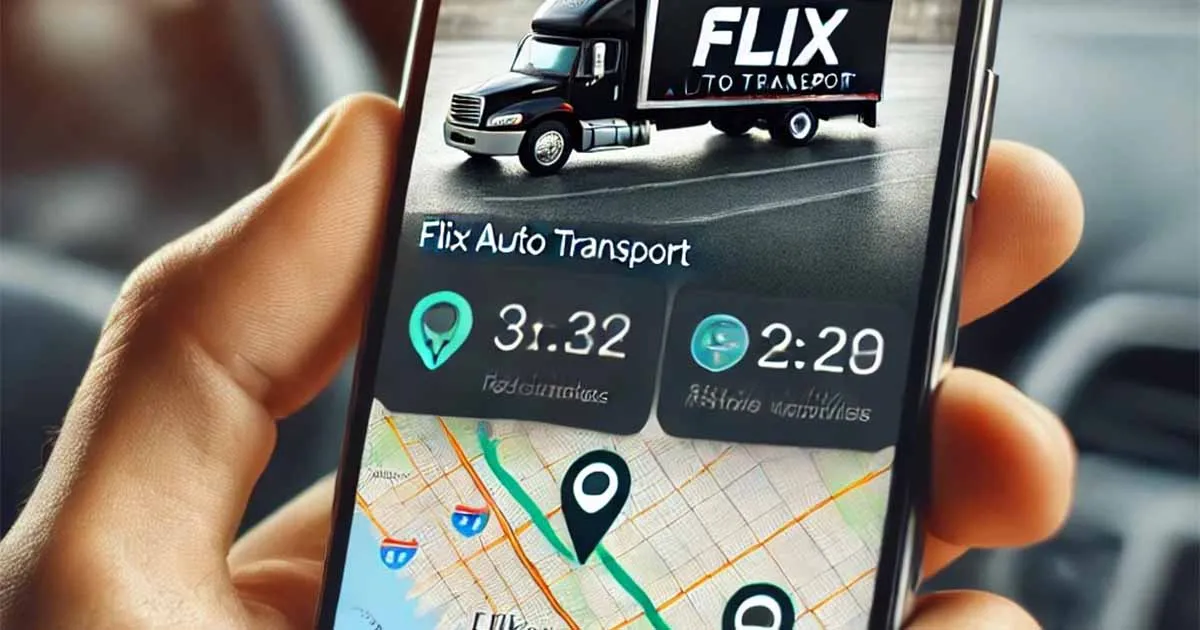
The Internet of Things (IoT) is enabling smarter and more connected car transport systems.
- Real-Time Tracking: Continuous monitoring of vehicle location and condition.
- Predictive Maintenance: Early detection of potential issues to prevent breakdowns.
Benefits of IoT in Car Transport:
- Improved safety and efficiency
- Enhanced customer experience
- Reduced operational costs
Advanced Logistics and Supply Chain Management
Optimizing Transport Efficiency
Innovations in logistics and supply chain management are streamlining car transport operations.
- AI and Machine Learning: Predictive analytics for route optimization and demand forecasting.
- Digital Platforms: Seamless coordination between shippers, carriers, and customers.

Shared Mobility Solutions
The Growth of Car Sharing and Ride-Hailing
Shared mobility solutions are transforming the way people access and use transportation.
- Car Sharing: On-demand access to vehicles without ownership.
- Ride-Hailing: Convenient and affordable transport options through apps like Uber and Lyft.
Innovations Driving the Future of Car Transport
Drone Technology
Aerial Vehicle Transport
Drones are being explored as a potential solution for transporting vehicles over short distances.
- Urban Mobility: Overcoming traffic congestion in densely populated areas.
- Efficiency: Faster and more direct routes.
Hydrogen Fuel Cells
Alternative Fuel Solutions
Hydrogen fuel cells offer an alternative to traditional fossil fuels and electric batteries.
- Clean Energy: Emission-free energy source.
- Refueling Speed: Faster than electric charging.
3D Printing
Customized and On-Demand Parts
3D printing technology is revolutionizing the manufacturing and maintenance of car parts.
- Customization: Tailored parts for specific vehicle needs.
- On-Demand Production: Reducing inventory and lead times.
Augmented Reality (AR)
Enhanced Driver and Technician Training
Augmented Reality (AR) is being used to improve training for drivers and technicians. If you are interested in more, contact us.
- Interactive Learning: Real-time guidance and simulations.
- Efficiency: Faster and more effective training programs.
The Impact of Environmental Regulations
Stricter Emission Standards
Reducing Carbon Footprint
Governments worldwide are implementing stricter emission standards to combat climate change.
- Vehicle Electrification: Accelerating the shift to electric and hybrid vehicles.
- Emission Testing: Regular testing and certification processes.
Sustainable Transport Policies
Promoting Green Transportation
Sustainable transport policies are encouraging the adoption of eco-friendly transport solutions.
- Incentives for Green Vehicles: Tax breaks and subsidies for electric and hybrid vehicles.
- Urban Planning: Designing cities to support sustainable transport modes.
Challenges and Opportunities
Infrastructure Development
Building the Future
Developing the necessary infrastructure to support new transport technologies is a significant challenge.
- Charging Stations: Expanding the network of EV charging stations.
- Smart Roads: Implementing IoT-enabled infrastructure.
Cybersecurity
Protecting Connected Vehicles
As vehicles become more connected, cybersecurity becomes a critical concern.
- Data Protection: Ensuring the security of personal and vehicle data.
- Threat Detection: Advanced systems to detect and prevent cyber-attacks.
Regulatory Compliance
Navigating Legal Landscapes
Adapting to new regulations and compliance requirements is essential for the future of car transport.
- Autonomous Vehicle Legislation: Establishing legal frameworks for AVs.
- Environmental Regulations: Meeting emission and sustainability standards.
FAQ: The Future of Car Transport
What are the main trends driving the future of car transport?
Key trends include autonomous vehicles, electric vehicles, blockchain technology, IoT, advanced logistics, and shared mobility solutions.
How will autonomous vehicles impact car transport?
Autonomous vehicles will enhance safety, reduce accidents, and improve transport efficiency through advanced AI and machine learning technologies.
What role does blockchain play in car transport?
Blockchain technology improves transparency and security by enabling smart contracts and immutable vehicle history tracking.
How is IoT transforming car transport?
IoT enables real-time tracking, predictive maintenance, and connected vehicle systems, enhancing safety and operational efficiency.
What are the benefits of electric vehicles in car transport?
Electric vehicles offer zero emissions, lower fuel costs, reduced maintenance, and are supported by government incentives promoting sustainability.
How can car transport companies address cybersecurity concerns?
Companies can protect connected vehicles by implementing advanced data protection measures and threat detection systems to prevent cyber-attacks.
The future of car transport is filled with exciting possibilities and challenges. By understanding and adapting to these trends and innovations, stakeholders can navigate the evolving landscape and contribute to a more efficient, sustainable, and secure transport industry. If you are interested in more, contact us.
Related articles
Expert advice and real experiences to make your car shipping simple and stress-free.




.jpg)






.jpg)



.jpg)



.jpg)






















.webp)