Simplifying Your Move: The Advantages of Terminal to Terminal Auto Transport


Moving to a new location often involves transporting your vehicle, and Flix Auto Transport offers various options to suit your needs. Terminal-to-terminal auto transport is a popular choice for those seeking a cost-effective and convenient solution. This method allows you to drop off and pick up your vehicle at designated terminals, simplifying the process and potentially reducing costs. In this article, we’ll explore the ins and outs of terminal-to-terminal car shipping, helping you decide if it’s the right choice for your vehicle transport needs. Keep reading to learn about the benefits, potential drawbacks, and how to prepare your car for this type of transport.
What Is Terminal-to-Terminal Auto Transport?
Terminal-to-terminal auto transport offers a cost-effective solution for shipping your vehicle. This method involves dropping off your car at a designated terminal, where it’s loaded onto a truck with other vehicles and transported to another terminal near your destination. With enhanced security measures like surveillance and insurance coverage for the cargo, you can trust that your vehicle is in safe hands during transit. Understanding the key differences between terminal-to-terminal and door-to-door shipping will help you choose the best option for your needs.
Understanding the Basics of Terminal-to-Terminal Transport
Terminal-to-terminal auto transport involves dropping off your vehicle at a designated location, often a port or logistics center, where it’s loaded onto a trailer for shipping. You’ll need to coordinate pickup times and may encounter additional fees for storage if you can’t retrieve your vehicle immediately upon arrival. This method can be particularly useful for international shipments, as terminals are equipped to handle customs procedures efficiently. contact us for more information about Flix Auto Transport.
- Drop off your vehicle at the departure terminal
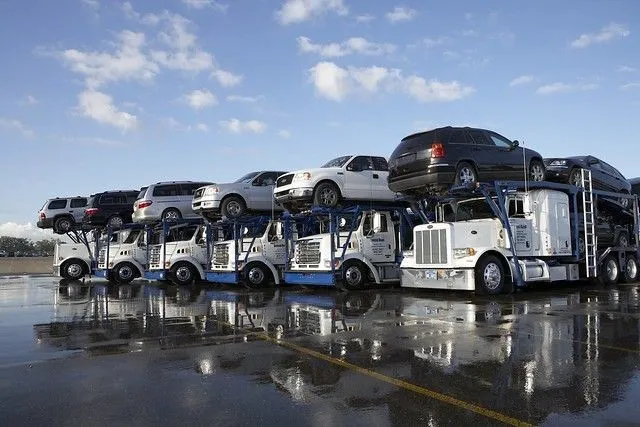
- Your car is loaded onto a trailer with other vehicles
- The trailer transports cars to the destination terminal
- You pick up your vehicle at the arrival terminal
- Be prepared for potential storage fees if pickup is delayed
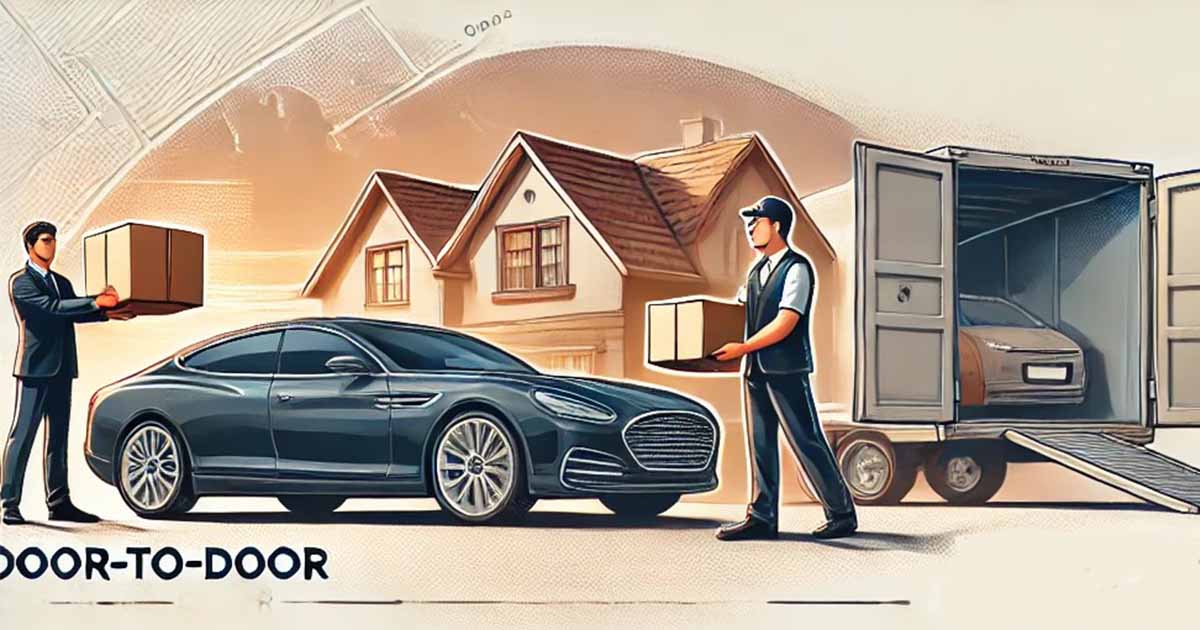
Key Differences From Door-to-Door Shipping
Terminal-to-terminal auto transport differs from door-to-door shipping in several key aspects. You’ll need to drive your vehicle to a designated terminal, which may be inconvenient if you’re shipping a classic car or live far from the nearest facility. Companies often operate these terminals in major cities across California and other states. While you’ll save money compared to door-to-door service, you’ll spend more time on the road getting to and from terminals. Terminal-to-terminal shipping also typically involves longer transit times as carriers wait to fill trailers before departing, unlike the more direct routes used in door-to-door transport.
How Terminal-to-Terminal Car Transportation Works
Terminal-to-terminal car transportation streamlines the auto transport process, enabling you to move your vehicle efficiently between designated terminals. This method offers a cost-effective solution for those willing to handle drop-off and pickup themselves. From requesting a quote to retrieving your car at the destination terminal, the process involves several straightforward steps. Understanding how this system works, including potential storage options at terminals, will help you navigate the auto transport experience with ease.
You Request a Quote
You begin the terminal-to-terminal auto transport process by requesting a quote from car shipping services. Provide details about your vehicle, desired pickup and drop-off locations, and preferred timeline to receive an accurate estimate. Many auto shipping companies offer online quote calculators or customer service representatives to assist you with enclosed auto transport options and other specifics of their auto shipping services.
- Enter vehicle details (make, model, year)
- Specify pickup and drop-off terminal locations
- Choose desired shipping timeframe
- Select additional services if needed (e.g., enclosed transport)
- Receive and review your personalized quote
You Drop Off Your Vehicle
Upon arrival at the designated terminal, you’ll hand over your vehicle to the shipping company’s representatives. They’ll conduct a thorough inspection, documenting any existing damage to protect you from potential disputes later. This process is particularly important if you’re shipping a car from an auto auction or to Hawaii, where the risk of transit damage may be higher. Customer service staff will guide you through the necessary paperwork and provide information about tracking your vehicle during transport.
- Arrive at the terminal with your vehicle
- Meet with shipping company representatives
- Complete a detailed vehicle inspection
- Sign required paperwork and agreements
- Receive tracking information for your shipment
Your Vehicle Is Transported
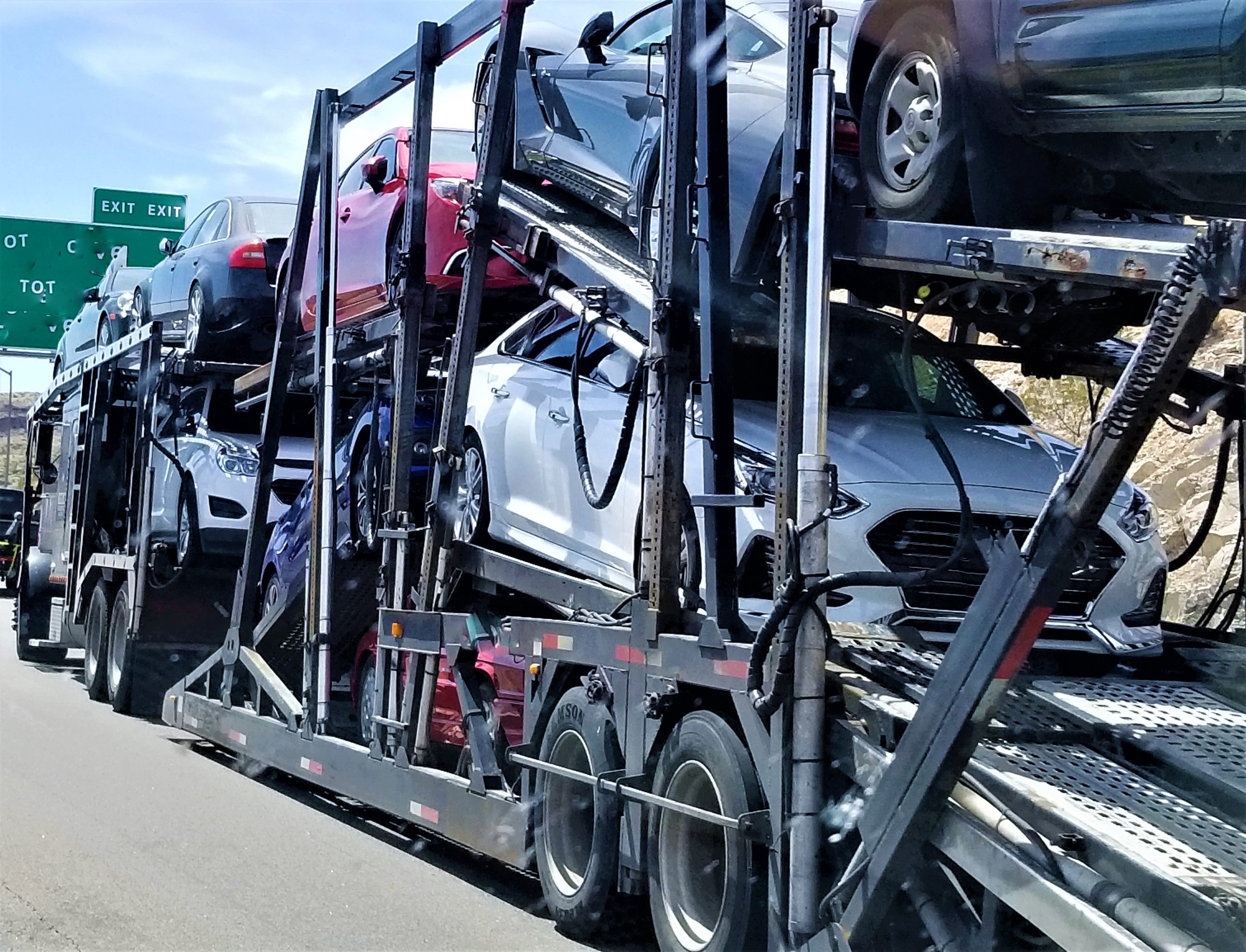
Once loaded onto the carrier, your vehicle begins its journey to the destination terminal. The transport company carefully plans routes to optimize delivery times and prices, whether you’re shipping a compact car or an SUV from Los Angeles to another city. Your vehicle travels along highways with other cars, benefiting from the efficiency of consolidated shipping:
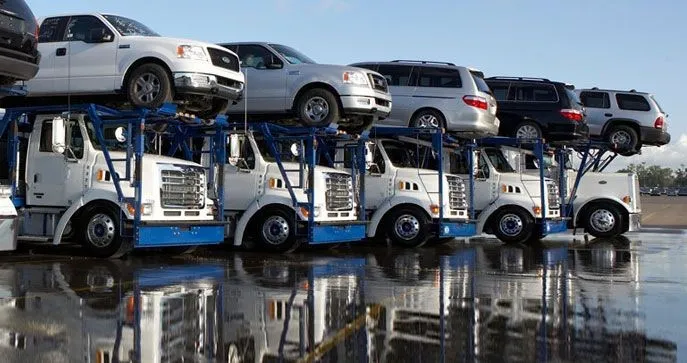
- Vehicles are securely loaded onto multi-car carriers
- Drivers follow optimized routes for efficient transport
- Regular check-ins ensure your car’s safety during transit
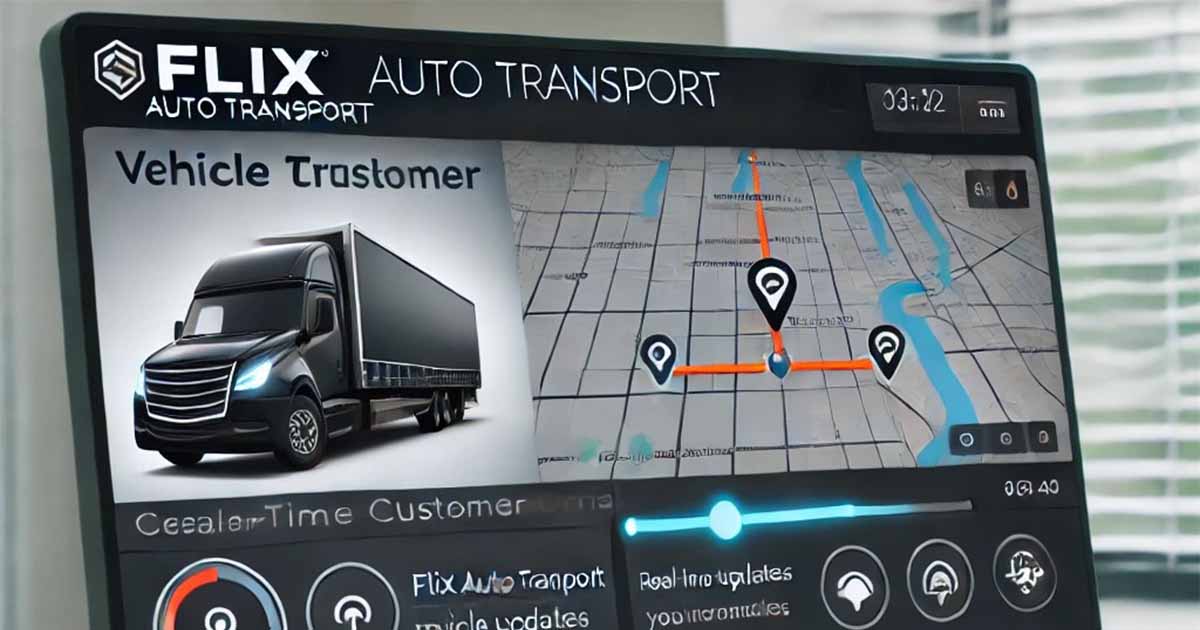
- GPS tracking allows real-time updates on your vehicle’s location
- Carriers make scheduled stops at terminals along the route
You Pick Up Your Vehicle
Upon arrival at the destination terminal, you’ll retrieve your vehicle from the designated pickup area. The transport company will dispatch a notification when your car is ready, allowing you to plan your pickup around your schedule. Remember to bring proper identification and any necessary documentation to claim your vehicle. While terminal-to-terminal shipping can offer a lower cost compared to door-to-door services, be prepared to pay any outstanding balances in cash if required. Keep in mind that terminals are often located in metropolitan areas, which may affect travel time and expenses for pickup, especially if you’re transporting a heavy-weight vehicle.
The Benefits of Terminal Car Shipping
Terminal-to-terminal auto transport offers several advantages for those looking to move their vehicles across the country. By leveraging the interstate highway system and established trade routes, this method provides a cost-effective solution for vehicle haulage that fits your budget. Whether you’re a transportation worker with a Transportation Worker Identification Credential or a private individual, terminal shipping allows for greater planning flexibility and wider geographic coverage. You’ll find that this option balances convenience with affordability, making it an attractive choice for many car owners.
Cost-Effectiveness of Terminal-to-Terminal Options
Terminal-to-terminal auto transport offers significant cost savings compared to door-to-door services. You’ll find lower prices due to reduced fuel consumption and labor costs, as carriers consolidate multiple vehicles for efficient transport. This method proves particularly beneficial for those in construction or law industries in Georgia, where frequent vehicle relocations are common. By choosing terminal-to-terminal shipping, you can allocate more of your budget to other aspects of your move or business operations:
- Reduced fuel expenses passed on to customers
- Lower labor costs due to centralized loading and unloading
- Economies of scale from transporting multiple vehicles together
- Potential for flexible scheduling to secure better rates
- Elimination of residential access fees often associated with door-to-door service
Planning Flexibility for Your Schedule
Terminal-to-terminal auto transport provides you with greater scheduling flexibility. You can drop off your vehicle at the departure terminal when it’s convenient for you, within the facility’s operating hours. This flexibility allows you to plan around work commitments or other obligations, reducing stress during the transport process:
- Choose a drop-off time that fits your schedule
- Avoid the need to be present for a specific pickup window
- Coordinate with the destination terminal for a suitable pickup time
- Take advantage of extended operating hours at many terminals
- Plan your travel arrangements without being tied to strict shipping timelines
Wider Geographic Coverage
Terminal-to-terminal auto transport expands your options for vehicle shipping across a broader geographic area. You’ll find terminals strategically located near major cities and transportation hubs, allowing for efficient connections between distant locations. This wider coverage enables you to ship your vehicle to or from areas that might not be easily accessible with door-to-door services, particularly beneficial if you’re relocating to a remote region or need to transport a vehicle to a less populated area.
The Downsides of Terminal-to-Terminal Car Shipping
While terminal-to-terminal auto transport offers cost savings and flexibility, you should be aware of potential drawbacks. Storage fees can accumulate if you’re unable to pick up your vehicle promptly, adding unexpected costs to your shipping budget. Additionally, you might face delays during drop-off or pick-up due to terminal operating hours or unforeseen circumstances. Understanding these challenges helps you plan accordingly and decide if this shipping method aligns with your needs and schedule.
Storage Fees May Apply
You may incur storage fees if you don’t pick up your vehicle promptly from the destination terminal. These fees typically start accruing after a grace period, often 24-48 hours, and can add up quickly. Factor potential storage costs into your budget when considering terminal-to-terminal shipping, especially if you anticipate any delays in retrieving your vehicle.
Potential Delays in Drop-Off and Pick-Up
Terminal-to-terminal auto transport may lead to delays during drop-off and pick-up processes. You might encounter longer wait times at terminals due to high vehicle volume or staffing issues. These delays can disrupt your schedule and potentially impact your travel plans:
- Experience wait times during peak hours at terminals
- Face possible delays due to vehicle inspection procedures
- Encounter scheduling conflicts with terminal operating hours
- Deal with unexpected closures or reduced staff at facilities
- Adjust your plans to accommodate processing times at both ends
Preparing Your Vehicle for Terminal-to-Terminal Transport
Before entrusting your vehicle to terminal-to-terminal auto transport, proper preparation is crucial. You’ll need to gather essential documentation and complete a pre-shipment checklist to ensure a smooth process. By taking these steps, you minimize the risk of delays and complications during transit. From insurance papers to personal item removal, each aspect of preparation plays a vital role in safeguarding your vehicle and streamlining the shipping experience.
Essential Documentation Required
You’ll need to gather essential documents before dropping off your vehicle for terminal-to-terminal transport. Ensure you have your vehicle’s title or registration, proof of insurance, and a valid government-issued ID. If you’re not the registered owner, bring a notarized letter of authorization from the owner granting permission for the transport:
- Vehicle title or registration certificate
- Current proof of insurance
- Valid government-issued photo ID
- Notarized letter of authorization (if applicable)
- Bill of sale (for newly purchased vehicles)
Pre-Shipment Vehicle Checklist
Before handing over your vehicle for terminal-to-terminal transport, complete a thorough pre-shipment checklist. Clean your car inside and out, making it easier to spot any existing damage or issues. Remove all personal items, disable the alarm system, and ensure you have no more than a quarter tank of gas to reduce weight and comply with safety regulations. Check tire pressure, battery charge, and fluid levels to prevent any mechanical issues during transit.
Conclusion
Terminal-to-terminal auto transport simplifies your move by offering a cost-effective and flexible solution for vehicle shipping. You can save money and time by dropping off and picking up your car at designated terminals, which often provide wider geographic coverage than door-to-door services. While potential storage fees and delays may occur, proper preparation and documentation can help mitigate these issues. Ultimately, terminal-to-terminal shipping balances affordability with convenience, making it an attractive option for many car owners looking to transport their vehicles across long distances.
Related articles
Expert advice and real experiences to make your car shipping simple and stress-free.








.jpg)








.jpg)



.jpg)



.jpg)
































.webp)