How Much Does It Cost to Ship a Vehicle?


How much does it cost to ship a vehicle? A comprehensive guide to car transport costs
When it comes to shipping a vehicle, understanding the costs involved is crucial. Whether you’re moving for a job, buying a car online, or sending your vehicle to a new location, vehicle transport services offer a practical solution. This guide will explain how much it costs to ship a vehicle, key factors that impact pricing, and smart tips to save on costs.
What is the average cost to ship a vehicle?
The cost to ship a vehicle varies depending on several factors, such as distance, transport type, and vehicle size. On average, shipping can cost anywhere between $500 and $1,500. For high-end or specialty vehicles, the price may rise even higher.
Here’s a general breakdown based on distance and type of transport:

While these are typical costs, factors like seasonality, vehicle condition, and pickup location can influence the final price. Let’s explore these variables further.
Key factors that affect car transport costs
1. Distance
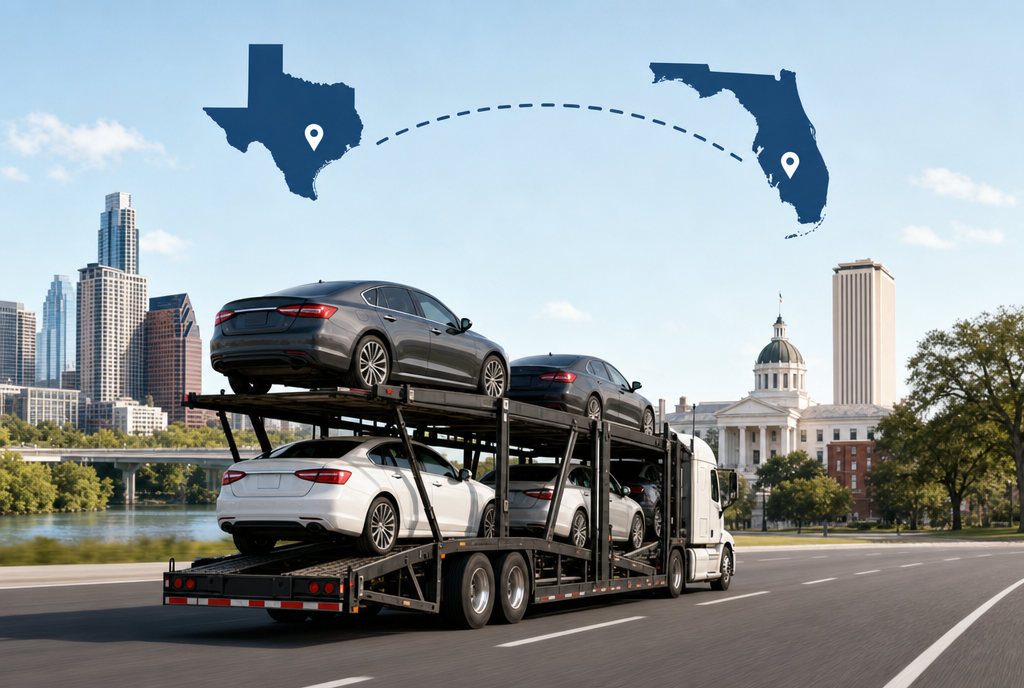
The distance between pickup and delivery is the most significant cost factor. Longer trips naturally incur higher costs due to fuel, driver time, and operational expenses. For example, shipping a car coast-to-coast can cost over $1,500, whereas a shorter 300-mile trip might only run you $500.
2. Type of transport: Open vs. Enclosed
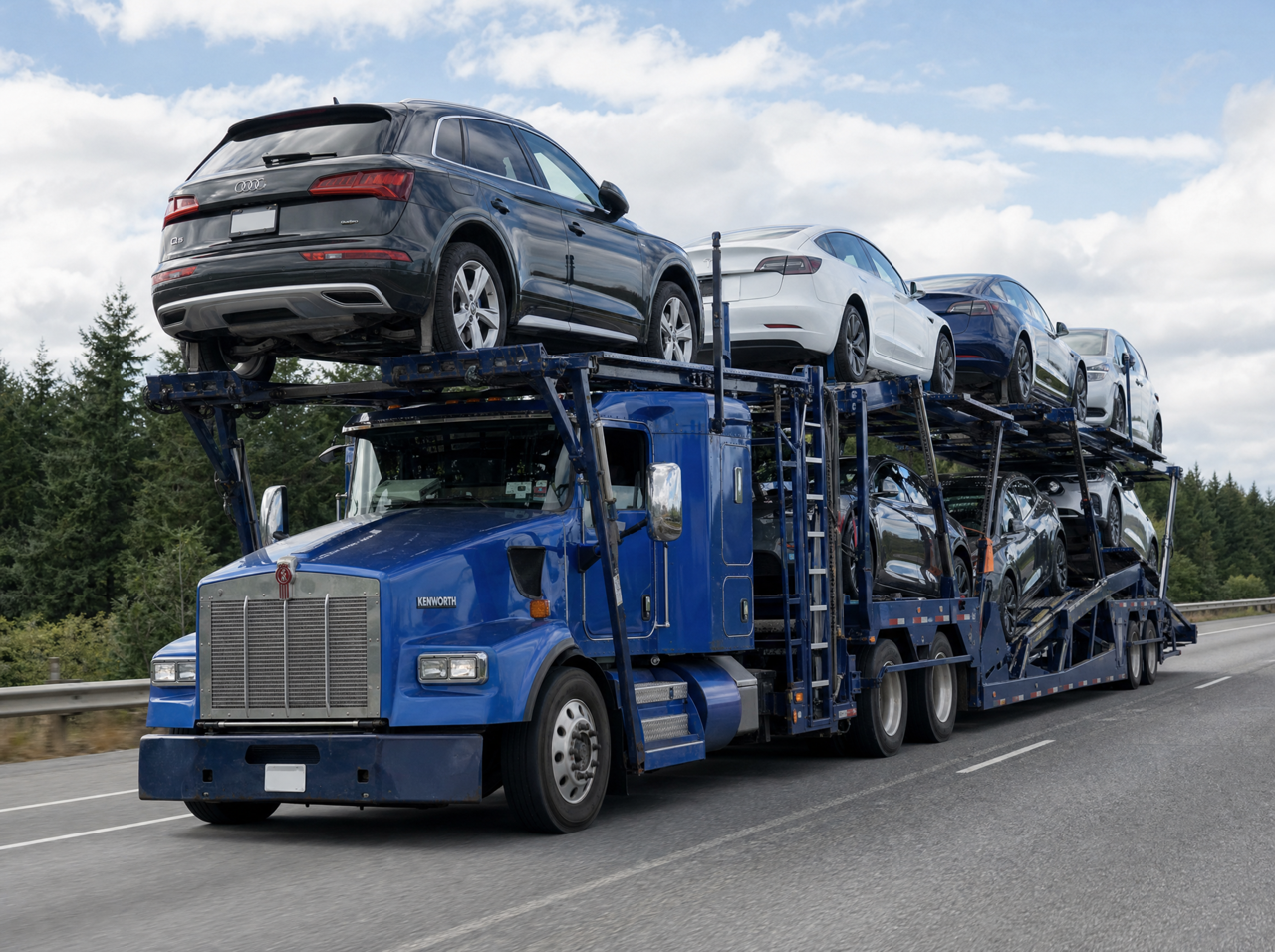
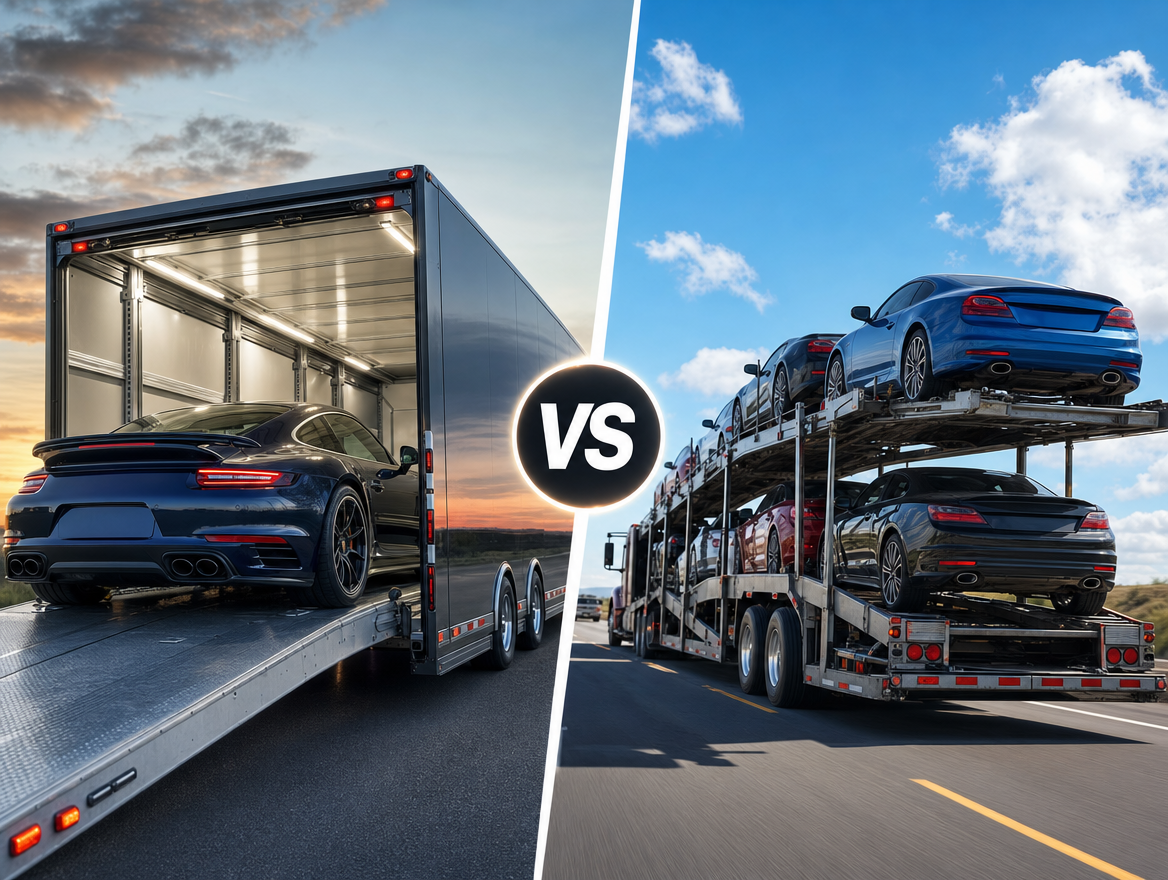
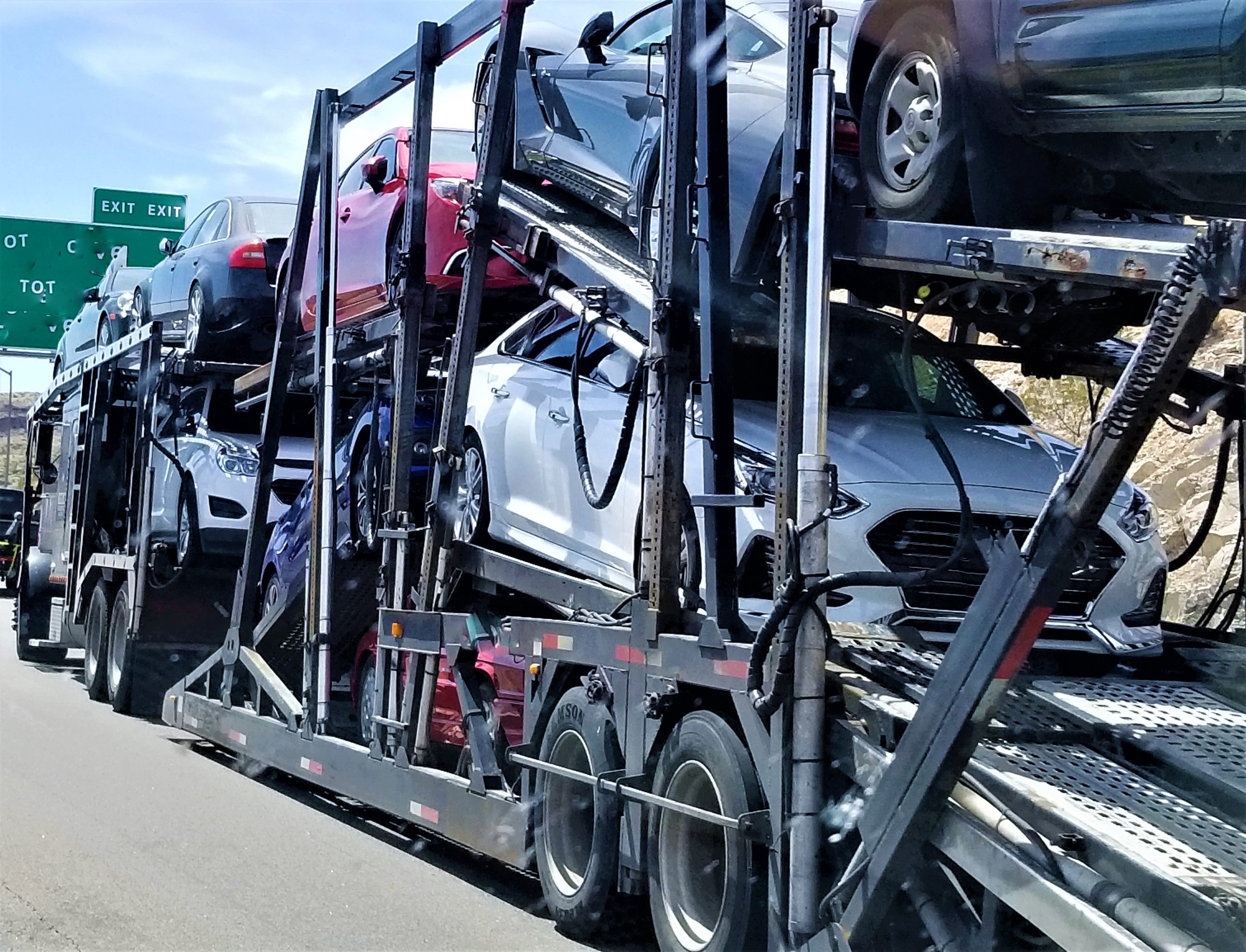
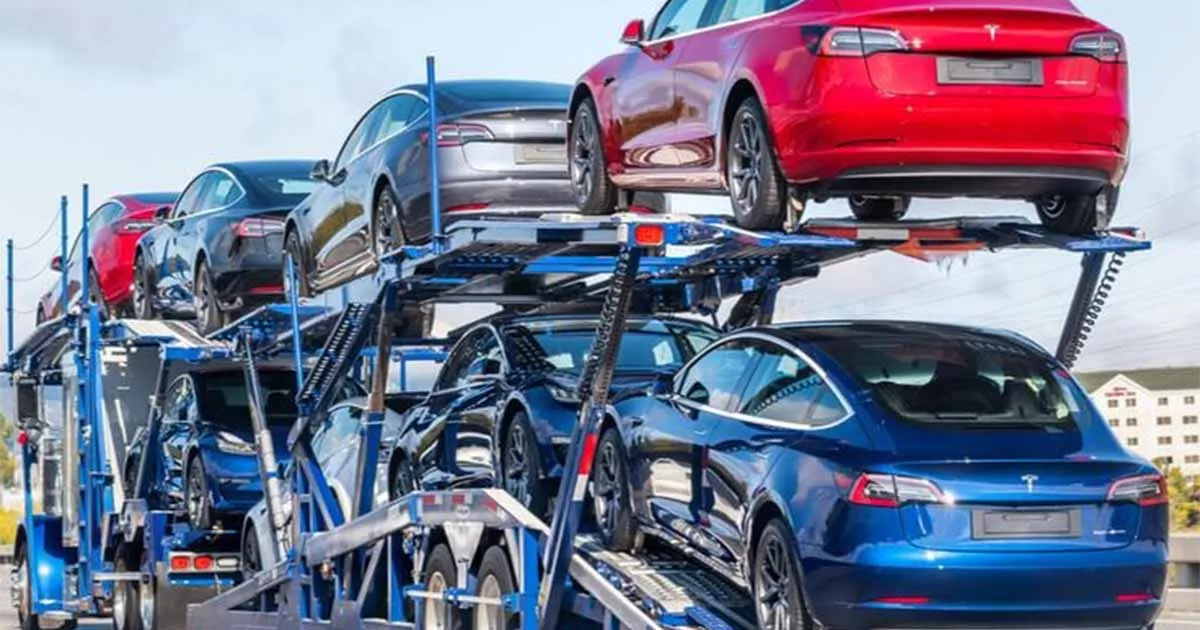
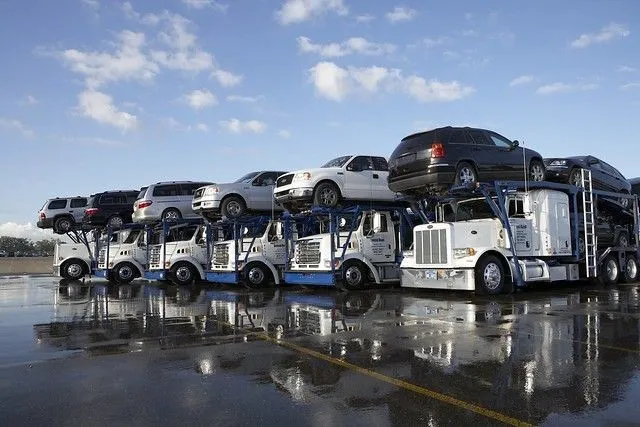
- Open transport: This is the most common and economical method. Your vehicle is transported on an open trailer with other cars. However, it’s exposed to weather conditions and road debris during transit.
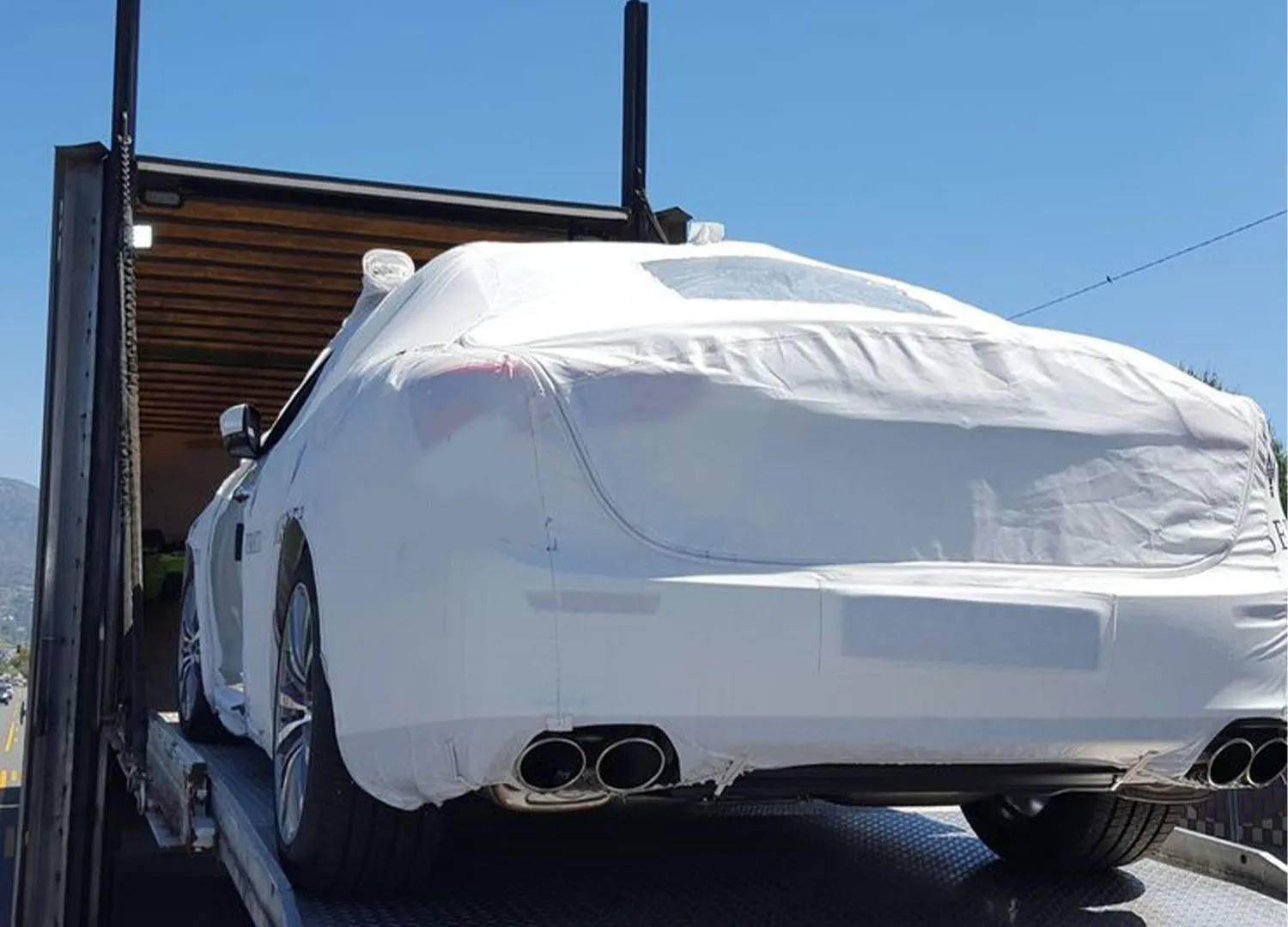
- Enclosed transport: For added protection, enclosed transport shields your car from the elements in a fully enclosed trailer. This is ideal for luxury, antique, or high-value cars, but it can cost 30-50% more than open transport.
3. Vehicle size and weight
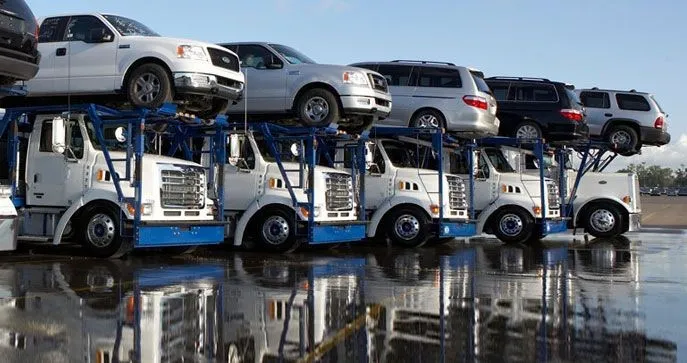
Larger vehicles such as SUVs, trucks, or vans generally cost more to ship because they take up more space on the carrier and add weight. For example, shipping a compact car may cost $800, while an SUV could cost closer to $1,200.
4. Pickup and delivery locations
- Urban areas: Shipping to or from a major city is often more cost-effective due to easier access to highways and transport hubs.
- Rural areas: Remote locations may increase costs because carriers need to deviate from major routes, consuming more time and fuel.
Example: Shipping from Los Angeles to New York City might be cheaper than shipping from a small town in Wyoming to another rural location, even over similar distances.
5. Seasonality
Like many industries, vehicle transport costs fluctuate with demand. During peak times, such as summer months and holiday seasons, prices are generally higher. If you can ship during off-peak times, like early spring or fall, you might secure a better rate.
6. Transport company reputation
A well-established company with a good reputation may charge more, but they often offer superior customer service, better handling of vehicles, and reliable delivery schedules. Opting for a cheaper company could result in delays or hidden fees.
7. Insurance coverage
Most car transport companies offer basic insurance as part of the package. However, if you’re shipping a high-value car, you may want to purchase additional insurance for extra protection. This can add $100 to $300 to your total bill but provides peace of mind.
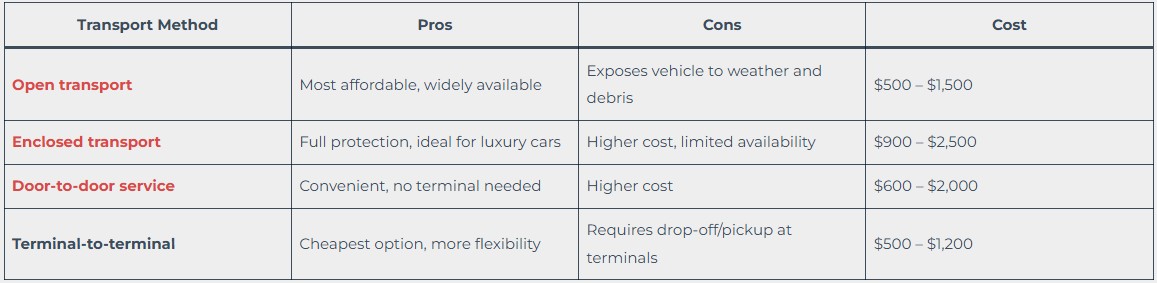
Cost breakdown by transport method
Different vehicle transport methods are available, each with its own set of pros and cons. Let’s break down the options:
Additional costs to consider
Beyond the basic transport fee, certain situations may add extra costs:
- Expedited shipping: If you need your vehicle delivered quickly, express shipping services will cost significantly more, often between $200 and $500 extra.
- Non-running vehicles: If your car isn’t in running condition, the carrier will need special equipment to load and unload it, which adds to the total cost (usually $150 to $300 more).
- Special handling for classic cars: Classic or vintage cars may require customized handling or specialized trailers, which can increase the price by several hundred dollars.
How to reduce car transport costs
Looking for ways to trim the cost of shipping your vehicle? Here are some tips:
- Book early: Planning ahead gives you better rates and more flexibility in choosing a carrier.
- Opt for open transport: Unless your car needs extra protection, choosing open transport can save you up to 50%.
- Be flexible with dates: Flexibility allows transport companies to fit your vehicle into their schedules, lowering the cost.
- Compare multiple quotes: Don’t settle for the first quote—shop around for the best deal. Use online car shipping marketplaces to compare prices.
- Ship to major cities: If possible, select pickup and drop-off locations in large cities to avoid extra charges for rural delivery.
Real-world examples and case studies
Example 1: John needed to ship his Honda Civic from Houston, Texas to San Francisco, California. By opting for open transport, he received quotes around $1,000. Booking early and being flexible with dates allowed him to lock in a $900 rate, saving him $100.
Example 2: Sarah, who owns a classic Mustang, wanted it shipped from Chicago to Miami. Given the car’s value, she chose enclosed transport and purchased additional insurance. The total cost came to $2,200, but the vehicle arrived in perfect condition.
Choosing the right car transport company
Selecting the right transport company witf Flix Auto transport is key to a hassle-free experience. Here’s what to look for:
1. Experience and reputation
Search for companies with plenty of positive customer reviews and at least 5 years of experience. A well-regarded company will handle your vehicle with care and keep you informed throughout the process.
2. Licensing and insurance
Always verify that the company is licensed by the Department of Transportation and carries insurance to cover your vehicle in case of damage. You can check a company’s license on the Federal Motor Carrier Safety Administration (FMCSA) website.
3. Transparent pricing
Avoid companies that give vague estimates or tack on hidden fees. Always request a detailed, itemized quote upfront.
4. Customer service
Choose a company that values communication. The best transporters will provide you with timely updates on the status of your shipment and respond promptly to any questions or concerns.
Frequently asked questions (FAQs)
1. What is the cheapest way to ship a car?
The cheapest way is typically using open transport and opting for terminal-to-terminal shipping. Terminal shipping requires you to drop off and pick up your car at designated locations, which can lower costs.
2. How can I get a lower price for car transport?
You can reduce the price by booking early, being flexible with your shipping dates, comparing multiple quotes, and choosing open transport rather than enclosed.
3. Does shipping a car include insurance?
Most transport companies provide basic insurance, but the coverage may be limited. If you’re shipping a luxury or high-value vehicle, consider purchasing additional insurance.
4. How long does it take to ship a car?
The time depends on the distance and the shipping method. Cross-country shipments typically take 7-14 days, while shorter routes can take 1-3 days.
5. Can I ship a non-running vehicle?
Yes, but transporting a non-running vehicle usually costs more, as the carrier needs special equipment to load and unload it.
6. Do I need to prepare my vehicle before shipping?
Yes, clean the vehicle, remove personal items, and ensure it’s in good working order. If the car is not running, notify the transport company in advance.
Conclusion
Shipping a vehicle doesn’t have to be overwhelming if you understand the factors affecting the cost. From choosing the right transport method to comparing quotes from multiple companies, you can estimate your budget and make informed decisions. For the best experience, be flexible with dates, plan ahead, and ensure you’re working with a reputable transport company.
Related articles
Expert advice and real experiences to make your car shipping simple and stress-free.




.jpg)







.jpg)




.jpg)



.jpg)






























.webp)