Optimizing Terminal to Terminal Auto Transport Safety


Flix Auto Transport offers various transport options for your vehicle, including terminal-to-terminal auto transport. This method provides a cost-effective solution for those seeking reliable vehicle shipping services. At Flix Auto Transport, we prioritize the safety and security of your car throughout the entire transport process. Keep reading to discover essential guidelines and advanced strategies for optimizing terminal-to-terminal auto transport safety, ensuring your vehicle arrives at its destination in pristine condition.
ssential Guidelines for Secure Terminal-to-Terminal Auto Transport
When opting for terminal-to-terminal transport options auto transport, ensuring the safety of your vehicle is paramount. This method involves dropping off and picking up your car at designated terminals, where it’s loaded onto a truck along with other cargo for shipping. To maximize security during this process, it’s crucial to contact us key guidelines. These include thoroughly researching transport services, preparing your vehicle properly, selecting carriers with comprehensive insurance coverage, documenting your car’s condition, and choosing terminals with robust surveillance systems. By adhering to these practices, you can significantly reduce risks and ensure a smooth transport experience about Flix Auto Transport.
Conduct Thorough Research on Reliable Transport Services
You need to research reliable transport services to ensure your vehicle‘s safety during terminal-to-terminal shipping. Look for companies with experience handling various vehicle types and navigating different ports and customs procedures. Check their logistics capabilities, including trailer types and terminal locations. Compare fees and insurance coverage to find a balance between cost and protection for your car.
Ensure Your Vehicle Is Prepared for Transport
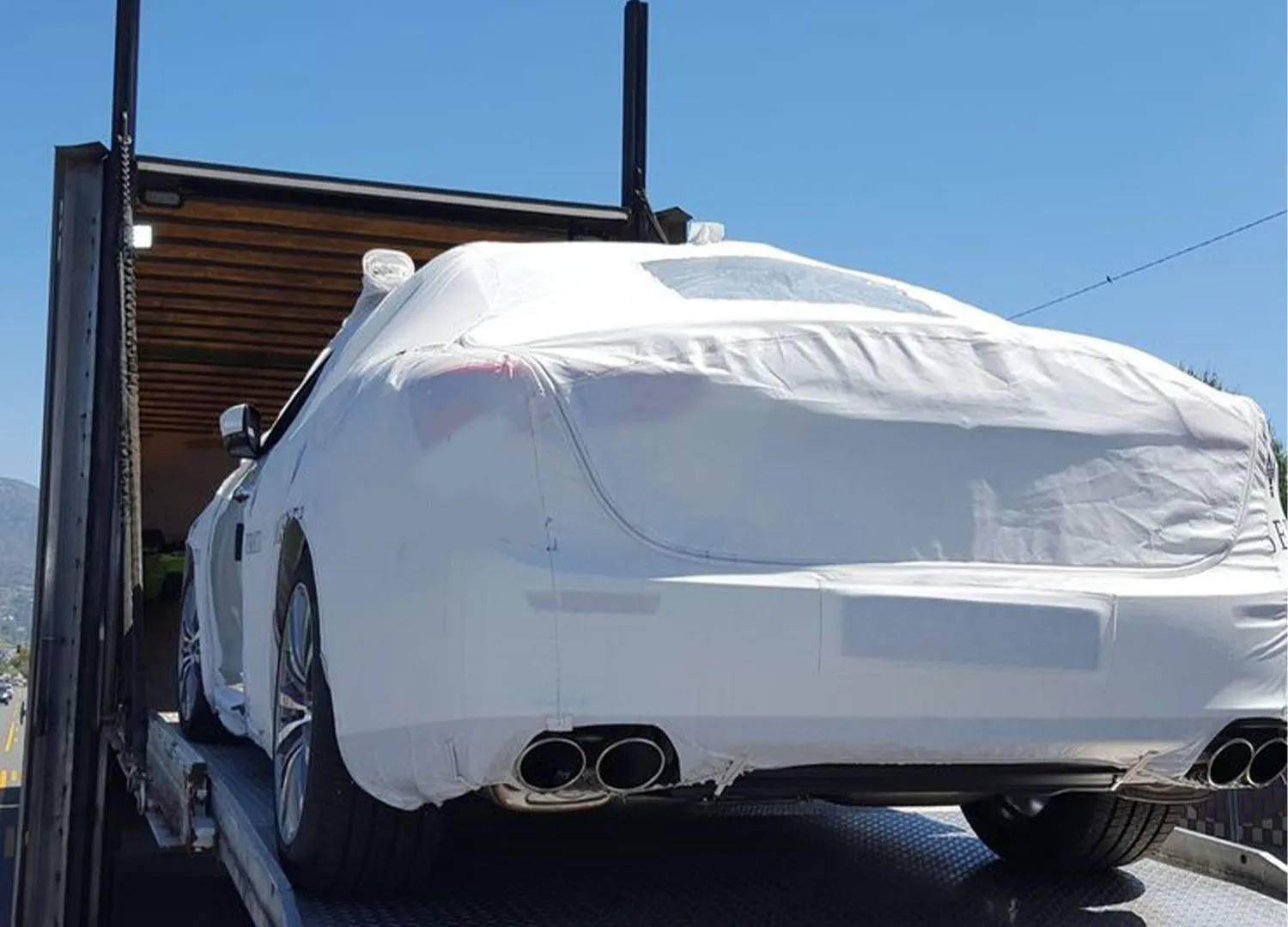
You must prepare your vehicle thoroughly for terminal-to-terminal transport to ensure its safety. Remove personal items, disable the alarm system, and ensure your gas tank is no more than a quarter full. If you’re shipping a classic car from California to a Wallenius Wilhelmsen terminal, consider extra protective measures like a custom car cover. Clean your vehicle inside and out, and document its condition with photos before it leaves the road for its journey by ship.
Opt for Transport Services With Comprehensive Insurance Coverage
You should choose auto transport services that offer comprehensive insurance coverage to protect your vehicle during terminal-to-terminal shipping. This coverage should extend beyond basic liability to include protection while your car is in transit, at terminals, and in storage. Verify that the policy covers potential damages that could occur during loading, unloading, and while your vehicle is parked at the terminal. By selecting a service with robust insurance, you enable peace of mind throughout the entire auto transport process.
Inspect and Document Your Vehicle‘s Condition Before and After Transport
You should thoroughly inspect and document your vehicle‘s condition before and after using car shipping services. Take detailed photos and notes of any existing damage, odometer reading, and overall cleanliness. This documentation is crucial for comparing your car’s state upon arrival, especially when using enclosed auto transport or other premium auto shipping services. By maintaining a comprehensive record, you protect yourself in case of disputes and ensure the car shipping service is held accountable for any damages that may occur during transit.
Choose Terminals With Robust Security Measures
You should select terminals with robust security measures to minimize the risk of theft or damage during terminal-to-terminal auto transport. Look for facilities that offer 24/7 surveillance, gated access, and on-site security personnel, especially if you’re shipping to locations like Hawaii or participating in an auto auction. Prioritize terminals with a track record of excellent customer service and a reputation for handling vehicles securely, as this can significantly reduce the chances of your car being mishandled or becoming a target for theft.
Implementing Safety Measures in Terminal Auto Transport
Implementing robust safety measures is crucial for terminal-to-terminal auto transport, especially when shipping vehicles like SUVs from Los Angeles across highways to their final delivery points. To ensure the security and timely arrival of vehicles while maintaining competitive prices, transport companies must adopt a comprehensive approach. This includes installing GPS tracking for real-time monitoring, training staff in secure handling techniques, regularly maintaining transport equipment, and implementing quality control checks at each terminal. By focusing on these key areas, auto transport providers can significantly enhance the safety and reliability of their services, giving customers peace of mind throughout the shipping process.
Install GPS Tracking in Vehicles for Real-Time Monitoring
You can enhance your terminal-to-terminal auto transport safety by installing GPS tracking in vehicles for real-time monitoring. This technology allows you to track your car’s location throughout its journey, from the metropolitan area where it’s picked up to its final destination. GPS tracking helps dispatch teams optimize routes, potentially reducing costs and transit times. You’ll have peace of mind knowing your vehicle‘s location and estimated arrival time, which is especially valuable for high-value or oversized vehicles that may incur additional charges based on weight. While this service may increase the initial cash outlay, it offers invaluable security and transparency during the shipping process.
Train Staff on Secure Loading and Unloading Techniques
You must train your staff on secure loading and unloading techniques to ensure the safety of vehicles during terminal-to-terminal auto transport. Invest in comprehensive training programs that cover proper use of equipment, vehicle handling, and safety protocols for various car types. This training should also include obtaining a transportation worker identification credential for staff operating within secure areas of the interstate highway system, enhancing their ability to navigate trade and haulage regulations while maintaining a strict budget.
Regularly Maintain and Check Transport Equipment
You must regularly maintain and inspect your transport equipment to ensure the safety of vehicles during terminal-to-terminal auto shipping. Schedule routine checks of trailers, tie-downs, and loading ramps, adhering to construction and safety standards as strict as those in Georgia law. By prioritizing equipment maintenance, you minimize the risk of accidents and delays, ensuring smooth operations across state lines and meeting customer expectations for timely delivery.
Utilize Quality Control Checks at Each Terminal
You should implement thorough quality control checks at each terminal to maintain the highest standards of safety in terminal-to-terminal auto transport. Conduct detailed inspections of vehicles upon arrival and departure, documenting their condition and any discrepancies. Train your staff to perform these checks consistently, ensuring that all safety protocols are followed and that vehicles are properly secured for transport.
Maximizing the Security of Vehicles During Terminal Stays
You need to prioritize vehicle security during terminal stays to ensure successful terminal-to-terminal auto transport. This involves carefully selecting terminals with robust security measures, employing advanced surveillance systems and trained personnel, implementing strict access controls for vehicle storage areas, and conducting regular security audits. By focusing on these key aspects, you can significantly reduce the risk of theft, damage, or unauthorized access to vehicles while they await transport or pickup. These measures not only protect your customers’ valuable assets but also enhance your reputation as a reliable auto transport provider.
Analyze and Select Terminals With High-Security Standards
You should carefully evaluate and choose terminals with stringent security protocols for your terminal-to-terminal auto transport needs. Look for facilities that offer round-the-clock surveillance, restricted access, and well-trained security personnel. Prioritize terminals with a proven track record of safeguarding vehicles and a reputation for reliability in the auto transport industry.
Employ Surveillance Cameras and Security Personnel
You should deploy a comprehensive surveillance system and hire skilled security personnel to protect vehicles during terminal stays. Install high-definition cameras strategically throughout the facility, ensuring complete coverage of all areas where vehicles are stored or transported. Employ trained security guards to monitor the premises 24/7, conduct regular patrols, and respond quickly to any suspicious activities or potential threats.
Implement Controlled Access to Vehicle Storage Areas
You must implement strict access controls to vehicle storage areas to enhance security during terminal-to-terminal auto transport. Use electronic key cards or biometric scanners to limit entry to authorized personnel only. Maintain detailed logs of all individuals accessing these areas, including the reason for entry and duration of stay. This controlled access system helps prevent unauthorized handling of vehicles and reduces the risk of theft or damage during terminal stays.
Schedule Regular Security Audits to Identify and Mitigate Risks
You should schedule regular security audits to identify and address potential risks in your terminal-to-terminal auto transport operations. Conduct these audits at least quarterly, examining all aspects of your security protocols, from physical barriers to electronic systems. Use the findings to update your security measures, train staff on new procedures, and stay ahead of emerging threats in the auto transport industry.
Advanced Technology’s Role in Enhancing Terminal Transport Safety
Advanced technology plays a crucial role in optimizing safety for terminal-to-terminal auto transport. By leveraging telematics, you can track vehicles in real-time and monitor their condition throughout the journey. Automated systems enhance safety in vehicle handling and storage, reducing human error and improving efficiency. Data analytics enable you to predict and manage risks more effectively, allowing for proactive measures to ensure the secure transport of vehicles between terminals. These technological advancements not only improve safety but also streamline operations, ultimately providing a better service to your customers.
Leverage Telematics for Vehicle Tracking and Condition Monitoring
You can enhance the safety of terminal-to-terminal auto transport by leveraging telematics for vehicle tracking and condition monitoring. Install GPS devices and sensors in transport vehicles to provide real-time location updates and monitor vital statistics like temperature, humidity, and shock levels. This technology allows you to detect potential issues early, optimize routes, and ensure proper handling of vehicles throughout their journey.
Utilize Automated Systems for Safer Vehicle Handling and Storage
You can enhance vehicle safety during terminal-to-terminal auto transport by implementing automated systems for handling and storage. Use robotic lift systems and computerized parking management to minimize human error and reduce the risk of vehicle damage. These automated solutions ensure precise vehicle placement, optimize space utilization, and maintain consistent handling procedures, significantly improving overall safety and efficiency in terminal operations.
Employ Data Analytics for Predicting and Managing Risks
You can harness data analytics to predict and manage risks in terminal-to-terminal auto transport. By analyzing historical data on vehicle damages, transit times, and environmental factors, you can identify patterns and potential hazards. This proactive approach allows you to implement targeted safety measures, adjust routes, and allocate resources more effectively, ultimately reducing incidents and improving overall transport security.
Strategies for Reducing Risk in Terminal-to-Terminal Vehicle Shipping
You can significantly reduce risks in terminal-to-terminal vehicle shipping by implementing strategic measures. Choosing terminals with minimal handling requirements helps limit potential damage during vehicle transfers. Careful timing and route planning allow you to avoid high-risk scenarios, such as adverse weather conditions or peak traffic periods. Partnering with transport services that provide detailed safety protocols ensures your vehicle receives consistent, high-quality care throughout its journey. By focusing on these key strategies, you can enhance the overall safety and reliability of your terminal-to-terminal auto transport experience.
Opt for Terminals With Minimal Handling to Reduce Movement-Related Damage
You should select terminals that minimize vehicle handling to reduce the risk of movement-related damage during terminal-to-terminal auto transport. Choose facilities that offer direct loading and unloading capabilities, reducing the need for multiple transfers between storage areas and transport vehicles. This approach limits the opportunities for accidental scratches, dents, or other damages that can occur when vehicles are frequently moved or repositioned.
Consider Timing and Route Planning to Avoid High-Risk Scenarios
You should carefully plan your timing and routes to minimize risks during terminal-to-terminal auto transport. Schedule shipments during seasons with favorable weather conditions and avoid peak traffic periods to reduce the likelihood of accidents or delays. Choose routes that bypass areas known for high crime rates or frequent road construction, ensuring a smoother and safer journey for your vehicle.
Engage With Transport Services That Provide Detailed Safety Protocols
You should partner with auto transport services that offer comprehensive, detailed safety protocols for terminal-to-terminal shipping. Request and review their safety guidelines, including procedures for vehicle inspection, loading, securing, and unloading. Choose companies that prioritize driver training, maintain well-equipped and regularly serviced transport vehicles, and have a proven track record of safe deliveries.
Building a Safety-First Culture in Auto Transport Operations
You can establish a safety-first culture in your auto transport operations to enhance terminal-to-terminal shipping security. By prioritizing regular employee training on safety practices and emergency response, you create a workforce well-equipped to handle potential risks. Encouraging open communication about safety concerns and improvements fosters a collaborative environment where every team member contributes to overall safety. Implementing a reward system for adherence to safety protocols and innovative safety solutions motivates employees to consistently prioritize security measures. These strategies work together to build a robust safety culture that permeates all aspects of your terminal-to-terminal auto transport operations.
Train Employees Regularly on Safety Practices and Emergency Response
You should conduct regular safety training sessions for your employees to reinforce best practices and emergency response protocols in terminal-to-terminal auto transport. Focus on practical scenarios, such as proper vehicle securing techniques, handling hazardous materials, and responding to road emergencies. Update your training content regularly to reflect new industry standards and technological advancements, ensuring your team remains well-prepared to handle any situation that may arise during transport operations.
Foster Open Communication About Safety Concerns and Improvements
You should create an environment where employees feel comfortable voicing safety concerns and suggesting improvements for terminal-to-terminal auto transport. Implement an anonymous reporting system and hold regular safety meetings to discuss potential issues and brainstorm solutions. Recognize and reward employees who contribute valuable safety insights, fostering a culture of continuous improvement in your auto transport operations.
Reward Adherence to Safety Protocols and Innovative Safety Solutions
You should implement a rewards system that recognizes employees who consistently follow safety protocols and propose innovative safety solutions in terminal-to-terminal auto transport. Offer incentives such as bonuses, extra time off, or public recognition for staff members who maintain perfect safety records or suggest improvements that enhance overall security. This approach not only motivates individual employees but also promotes a company-wide culture of safety awareness and continuous improvement.
Conclusion
Optimizing terminal-to-terminal auto transport safety is crucial for protecting valuable vehicles and maintaining customer trust. By implementing robust security measures, leveraging advanced technology, and fostering a safety-first culture, transport companies can significantly reduce risks associated with vehicle shipping. Careful selection of terminals, comprehensive staff training, and regular security audits play pivotal roles in ensuring the safe handling and storage of vehicles throughout the transport process. Ultimately, prioritizing safety in terminal-to-terminal auto transport not only safeguards assets but also enhances the reputation and reliability of transport services in a competitive industry.
Related articles
Expert advice and real experiences to make your car shipping simple and stress-free.








.jpg)








.jpg)




.jpg)



.jpg)
































.webp)