Car Transport of Classic Cars: Key Considerations for shipping


Car transport of classic cars: Key considerations for ensuring safe and secure shipping
Transporting a classic car is a delicate operation requiring careful planning and attention to detail. Unlike modern vehicles, classic cars have unique requirements due to their age, value, and often irreplaceable nature. This guide will take you through everything you need to know about transporting your classic car safely, from choosing the right transport method to final delivery and inspection.
Introduction to classic car transport
Classic cars, especially those that are decades old, are far more fragile than modern vehicles. The materials used in these cars—whether it’s chrome, wood, leather, or vintage steel—are susceptible to damage from external conditions such as weather, debris, and careless handling. Unlike newer cars, finding replacement parts for classic cars can be challenging and costly, further emphasizing the need for careful handling during transport.
Key considerations:
- Age and condition: Vintage cars may have older mechanical systems, fragile seals, and delicate paintwork that need protection.
- Value: Whether it’s sentimental or financial, classic cars often represent significant investments, making safe transport critical.
- Handling needs: Many classic cars lack modern suspension or have custom parts that require careful handling and specific loading techniques, such as using hydraulic lifts or soft tie-downs to avoid chassis damage.
Transport method: open vs. enclosed trailer
Choosing between an open trailer and an enclosed trailer is the first major decision for classic car transport. Let’s dive deeper into both options:
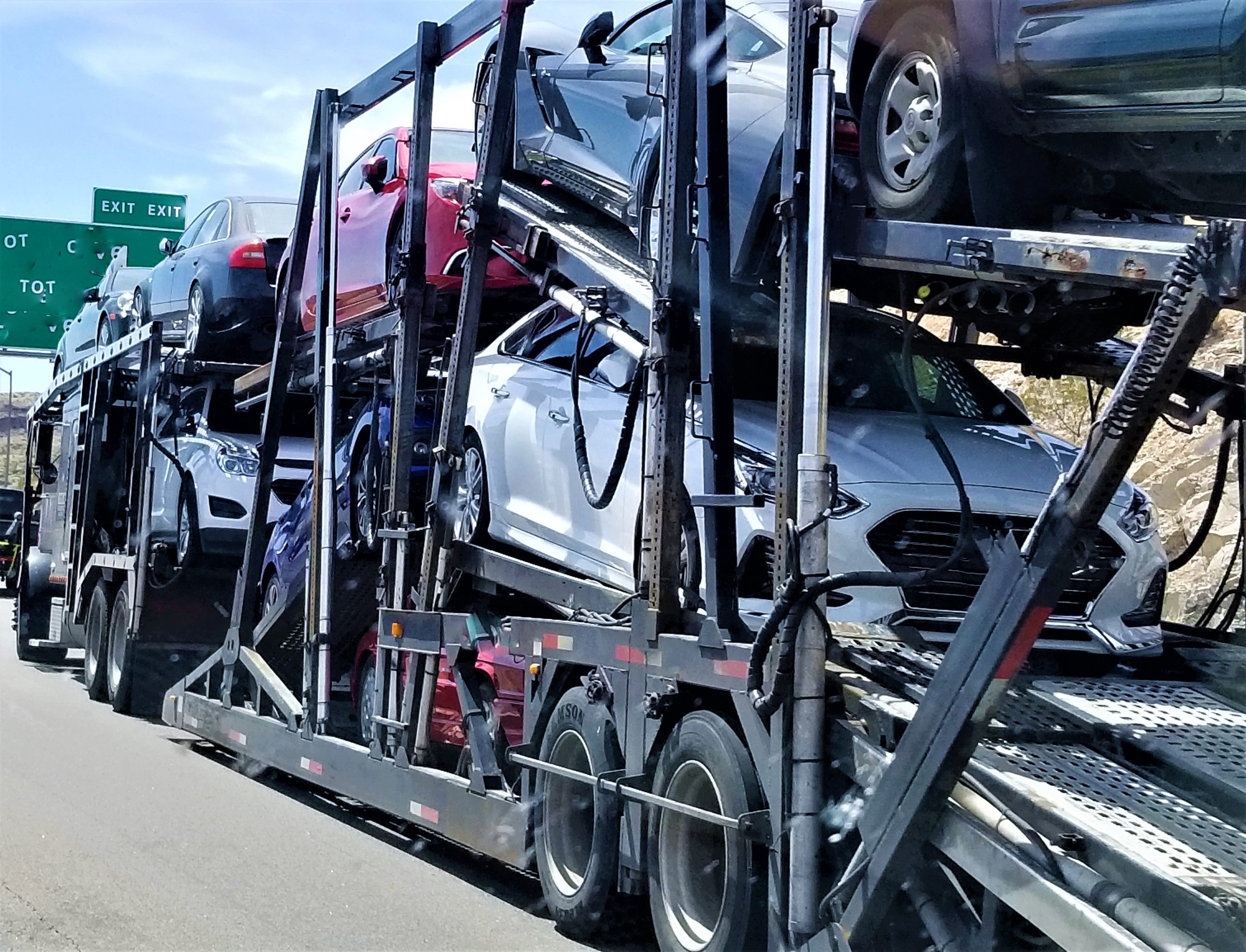
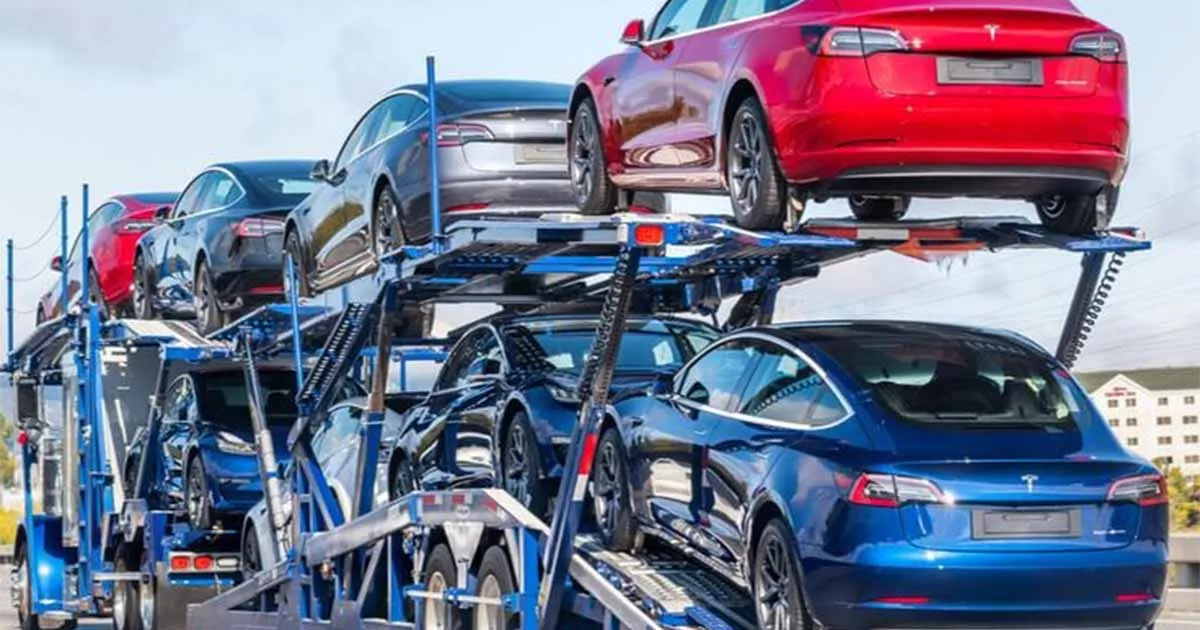
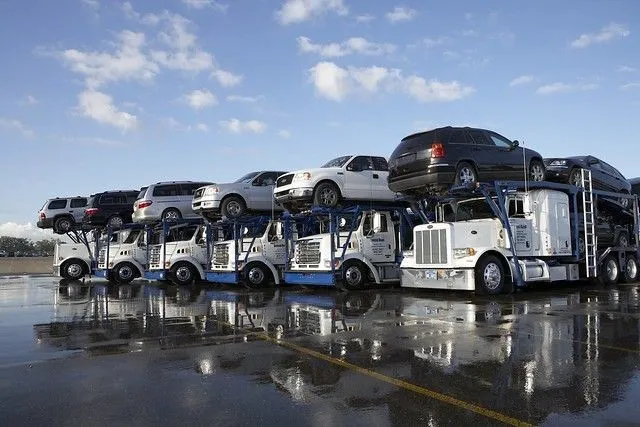
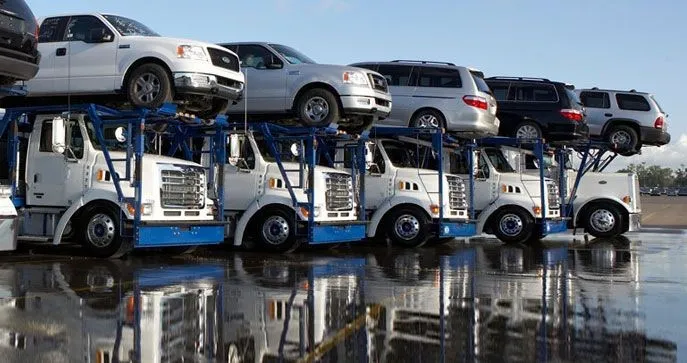
- Open trailer transport: Open trailers are the most common and budget-friendly option. However, they expose vehicles to external elements such as rain, wind, dirt, and road debris. While this method is adequate for most modern vehicles, classic cars can suffer cosmetic damage or mechanical issues from exposure. Open trailers typically have no climate control, meaning your vehicle may be exposed to extreme temperatures as well.
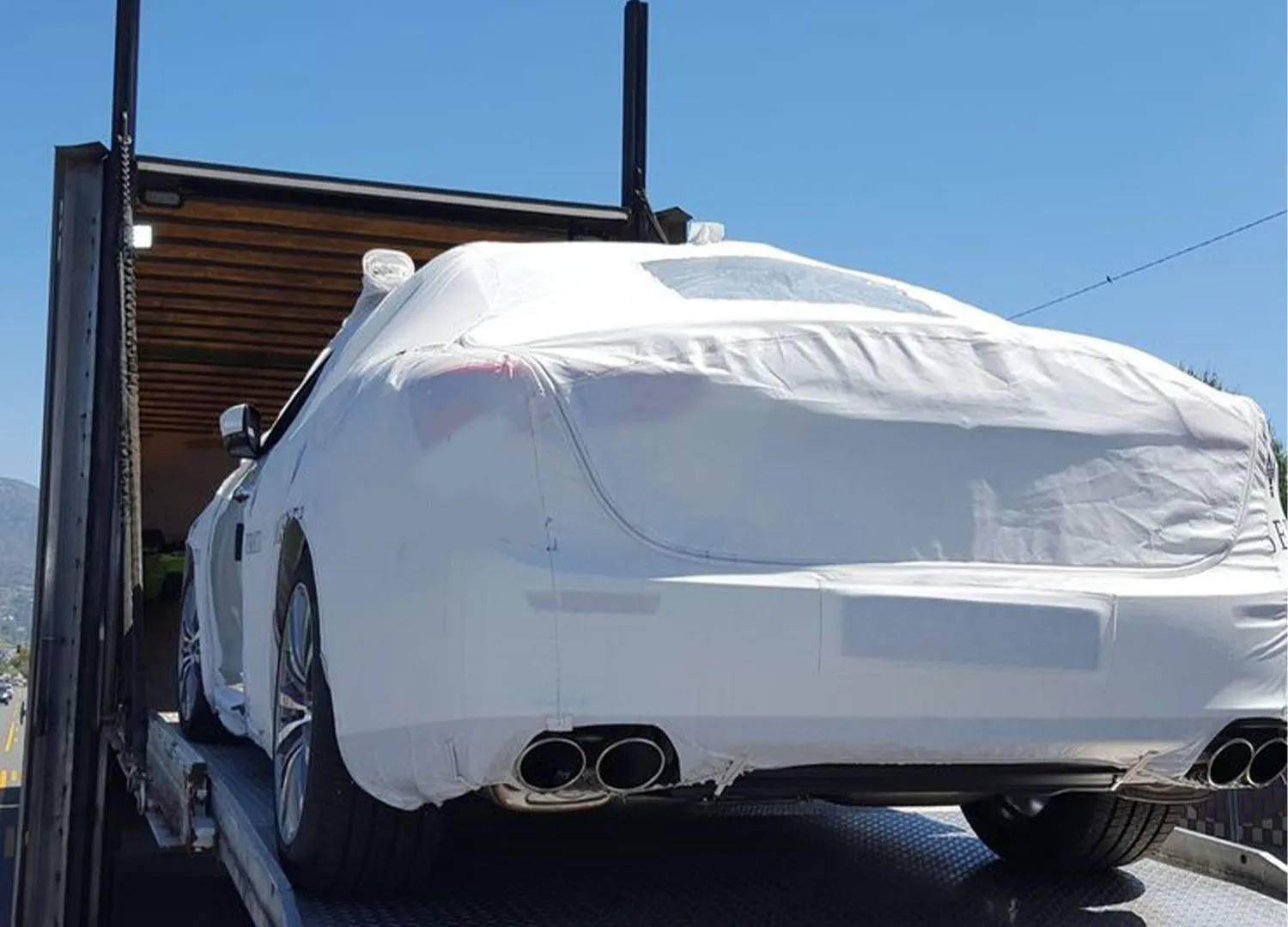
- Enclosed trailer transport: Enclosed trailers offer maximum protection, shielding your vehicle from all external elements. This method is ideal for high-value classic cars, providing climate control and safeguarding against road debris, weather, and even theft. These trailers are designed specifically for transporting high-value vehicles, often featuring soft straps, specialized ramps, and air-ride suspension systems to prevent any damage to the car’s frame, tires, or suspension during transit. Enclosed transport is especially recommended for rare, restored, or highly valuable cars.
Table: Open Trailer vs Enclosed Trailer for Classic Car Shipping

Pro Tip: If you’re shipping a highly valuable or rare vehicle, enclosed transport is usually worth the additional investment. Look for carriers that offer features like air-ride suspension to reduce the risk of damage from bumps and rough roads.
Case study: A real-world example
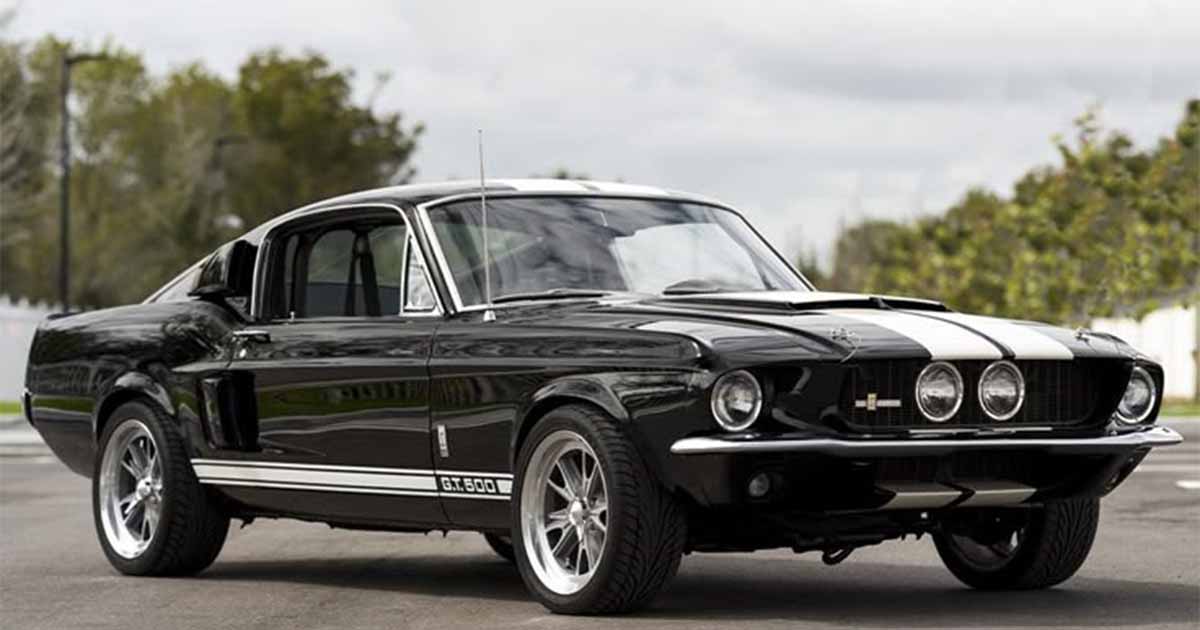
Consider the case of a 1967 Shelby GT500, an iconic and valuable muscle car. When a collector in California needed to transport this classic car across the country to an exhibition in New York, they chose enclosed transport to protect it from potential road hazards and ensure its arrival in pristine condition. The car arrived safely, fully protected from external elements and without a scratch, preserving both its aesthetic and mechanical integrity.
Selecting the right transport method is vital for the safety of your classic car. While open trailer transport may be cheaper, enclosed trailers provide the maximum protection required for classic, rare, or high-value cars. Protecting your car during transit begins with this key decision.
Scenario: Preparation Saves the Day
Imagine a scenario where a 1971 Ferrari Daytona, valued at over $600,000, was improperly prepared for transport. The owner did not remove a custom rear-view mirror, and it was damaged during loading. Had the owner followed proper preparation steps and removed or secured the mirror, the damage could have been avoided. This highlights the importance of securing all parts before shipping.
Proper preparation is essential to ensure the safe transport of your classic car. By thoroughly documenting its condition, securing loose parts, and verifying comprehensive insurance, you’ll reduce the risk of damage and protect your investment.
Real-world example: The importance of experience
A collector in Texas needed to transport their 1954 Mercedes-Benz 300 SL Gullwing—a car worth millions—to a prestigious auction in Pebble Beach, California. They chose a transport company specializing in classic and luxury cars, with a proven track record of successfully handling similar vehicles. Thanks to the company’s experience and specialized equipment, the car arrived in perfect condition, helping it sell for a record price at the auction.
Understanding Classic Car Transportation
Classic car transportation is not just about moving a vehicle from one place to another; it’s about preserving the vehicle’s history, value, and condition. Classic cars, often referred to as vintage, antique, or collectible cars, are highly sought after due to their rarity and sentimental value. They require specialized care during transport, as any mishandling can lead to costly or irreversible damage.
When it comes to classic car transport, owners typically choose between open and enclosed transport options. While open transport is more affordable, it leaves the car exposed to the elements, road debris, and potential cosmetic damage. Enclosed transport, on the other hand, provides a controlled environment, protecting the car from weather, dirt, and road hazards. This method is preferred by most classic car owners, especially for rare or high-value vehicles, due to the added layer of protection.
Why Ship a Classic Car?
Owners may need to transport their classic cars for various reasons, and each reason comes with its own set of considerations:
- Attending Car Shows or Exhibitions: Many classic car owners enjoy showcasing their vehicles at events across the country. Shipping the car ensures it remains in perfect condition upon arrival, without the wear and tear of driving long distances.
- Selling or Buying a Classic Car: When buying or selling a classic car, especially across state lines, shipping is often the safest option. It protects the car during transit and ensures it reaches its destination in the same condition.
- Relocation: Owners moving across the country may choose to ship their classic cars to avoid adding mileage or subjecting them to the risks of long-distance driving.
- Restoration Projects: After a major restoration, classic car owners may ship their cars to specialized shops or collectors for additional work or evaluation.
Shipping a classic car offers convenience, protection, and peace of mind for owners, making it a popular choice for those who want to preserve the value and condition of their prized vehicles.
How Much Does it Cost to Ship a Classic Car?
The cost of shipping a classic car varies depending on several factors. On average, transporting a classic car within the U.S. can range from $500 to $2,000 or more, depending on the distance and service level.
Key Cost Components:
- Distance: The longer the distance, the higher the cost. Cross-country shipments can be significantly more expensive than short-distance moves.
- Type of Transport: Enclosed transport costs more than open transport due to the additional protection and specialized equipment involved.
- Vehicle Size and Weight: Larger or heavier classic cars may incur higher shipping costs due to the need for more space and specialized handling.
- Seasonality: Transport prices may fluctuate depending on the time of year. During peak seasons, such as summer or holiday periods, demand for auto transport services rises, driving up prices.
- Pickup and Delivery Locations: Shipping to or from remote areas may be more expensive than transporting a car between major cities, as it can require additional logistical arrangements.
- Insurance Coverage: Classic cars typically require higher insurance coverage due to their value, which can add to the overall cost.
Factors That Affect Classic Car Transport
Several factors influence the cost, method, and overall experience of transporting a classic car. Understanding these factors can help car owners make informed decisions that ensure the safe arrival of their vehicles.
- Open vs. Enclosed Transport:
- Open Transport: This is the more affordable option but exposes your car to road debris, weather, and potential damage during transit. While adequate for most standard vehicles, classic cars may be more susceptible to cosmetic or mechanical damage.
- Enclosed Transport: This option offers superior protection, shielding your car from the elements, debris, and prying eyes. Enclosed trailers often feature climate control, soft tie-downs, and air-ride suspension to prevent any harm to the vehicle during the journey.
- Car Condition:
- Classic cars that are fully restored and in mint condition will likely require enclosed transport to avoid damage. Meanwhile, cars still undergoing restoration may not need such high levels of protection, though they still require careful handling.
- Value of the Car:
- High-value classic cars, such as rare models or collector’s items, should always be shipped using enclosed transport. The financial and sentimental value of these vehicles makes it crucial to prioritize protection over cost savings.
- Transport Company Reputation:
- Working with a transport company experienced in classic car shipping is critical. Reputable companies offer specialized services such as hydraulic lifts, soft tie-downs, and real-time tracking to ensure your vehicle’s safety throughout the journey.
- Documentation and Insurance:
- Ensure that all necessary documentation is in order before shipping. This includes having a full record of your car’s condition, both mechanically and cosmetically, with photos and videos. Also, verify that your car is fully insured for the transport, covering both cosmetic and mechanical damage.
By understanding the unique needs of classic car transport and taking the necessary precautions, owners can ensure that their vehicles are shipped safely and securely, preserving their value and condition for years to come.
Related articles
Expert advice and real experiences to make your car shipping simple and stress-free.








.jpg)







.jpg)




.jpg)



.jpg)


























.webp)