Debunking Myths: Misconceptions About Auto Transport and Tracking


Debunking myths: Common misconceptions about auto transport, tracking, and delivery
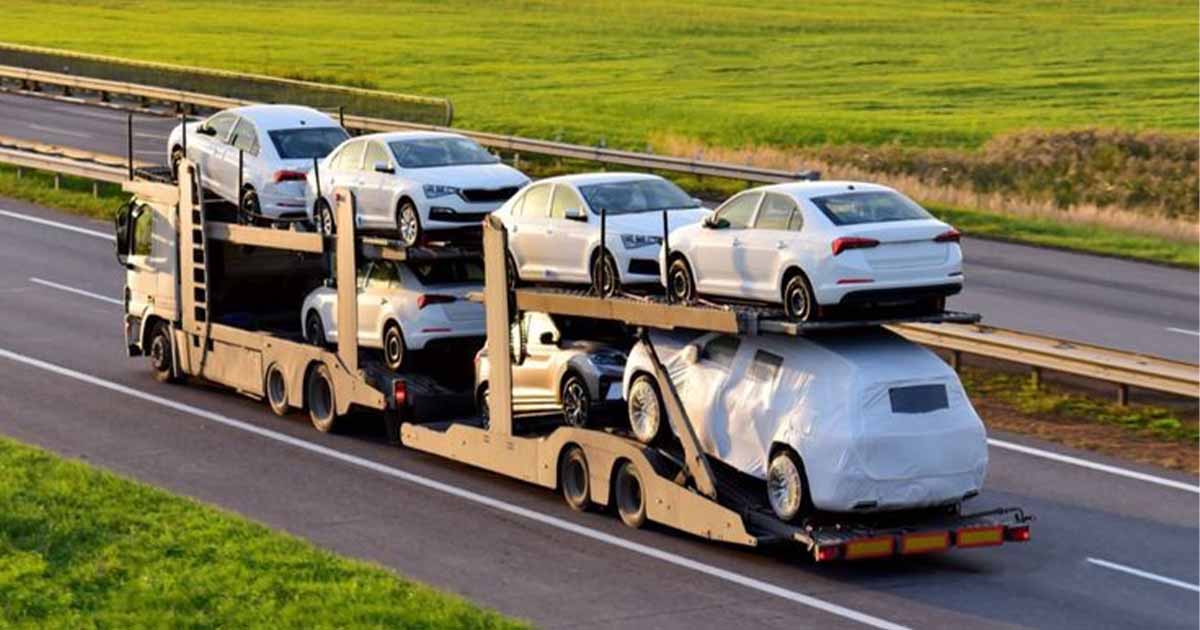
Auto transport services are invaluable when moving vehicles over long distances, from relocating cross-country to purchasing vehicles from afar. However, several myths about auto transport create misunderstandings and unrealistic expectations for customers. This guide clears up common misconceptions, outlines reliable tracking methods, and answers frequently asked questions, equipping you to navigate the auto transport process with ease and confidence.
Transporting a vehicle across long distances involves complex logistics to ensure safety, timeliness, and accuracy. Many companies aim to make this process simple, but persistent myths about auto transport create confusion. This article helps to:
- Dispel common myths about auto transport routes, tracking, and scheduling.
- Offer alternatives to GPS tracking, enhancing your visibility into the transport process.
- Answer frequently asked questions about tracking, timing, and overall delivery.
Part 1: Common misconceptions about auto transport
Myth 1: “Auto transporters use the same navigation tools as regular drivers.”
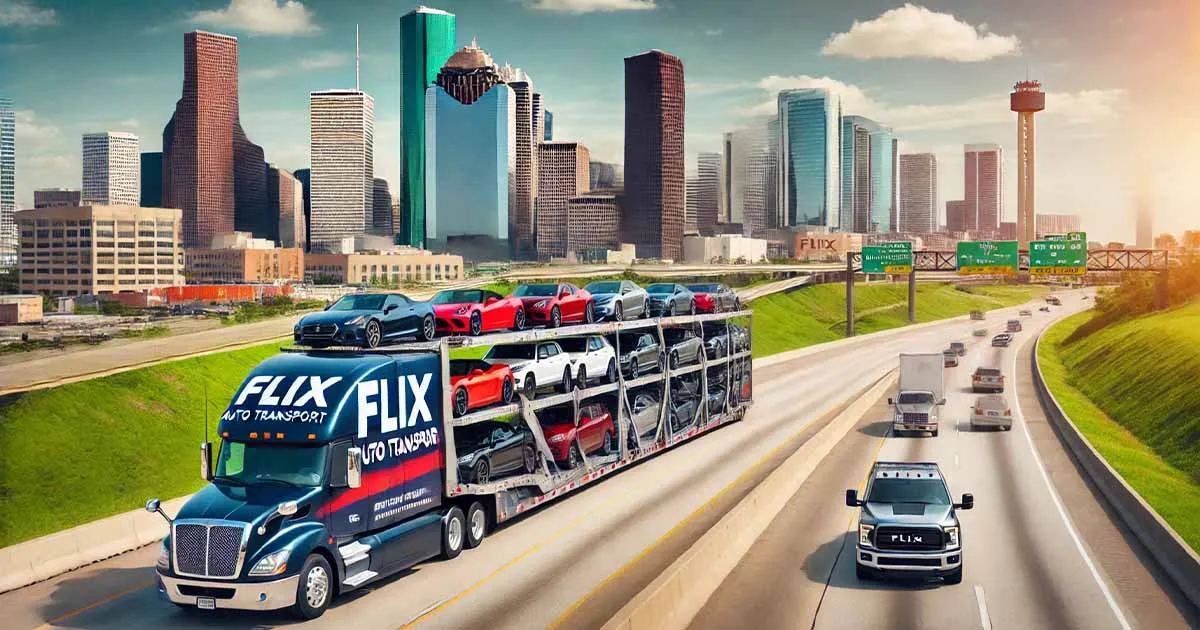
Auto transporters use advanced commercial navigation systems, unlike typical GPS systems for individual drivers. Here’s how these tools differ:
- Height and weight restrictions: Routes avoid bridges, tunnels, and overpasses that aren’t designed for large transport trucks.
- Commercial driving compliance: Transporters must adhere to specific state and federal regulations governing routes for larger vehicles.
- Real-time road updates: Commercial navigation offers route options based on weight limits, closures, and traffic conditions relevant to truck travel.
These unique tools ensure the safety and compliance of auto transport routes.
Myth 2: “Auto transporters can take any route like regular drivers.”
Transporters must follow designated truck routes that may differ from the fastest routes for passenger cars. Here’s why:
- Legal requirements: Certain areas restrict truck access, especially in residential zones.
- Safety concerns: Routes are planned to avoid narrow streets or congested urban areas.
- Highway preference: Highways provide smoother and more predictable routes, essential for large vehicles carrying high-value cargo.
Myth 3: “Auto transporters always take the shortest route.”
Transporters prioritize safety and efficiency over shortcuts. Routes are chosen based on:
- Safe access: Shortcuts often involve roads unsuitable for transport trucks.
- Multiple stops: Transporters typically have multiple deliveries and pickups, optimizing routes for efficiency.
- Road conditions: State regulations and road conditions like weight limits influence route selection.

Myth 4: “Auto transporters can pick up and deliver vehicles at any time.”
Several factors affect scheduling flexibility, including:
- Operating hours: To ensure driver safety, many transporters follow specific working hours.
- Delivery windows: Most companies offer delivery windows rather than exact times due to the variability of logistics.
- Local regulations: Some areas restrict truck activity during specific hours, preventing early-morning or late-night deliveries.
Understanding these scheduling factors helps set realistic expectations.
Part 2: Tracking Options Beyond GPS
Option 1: Real-time vehicle shipment tracking
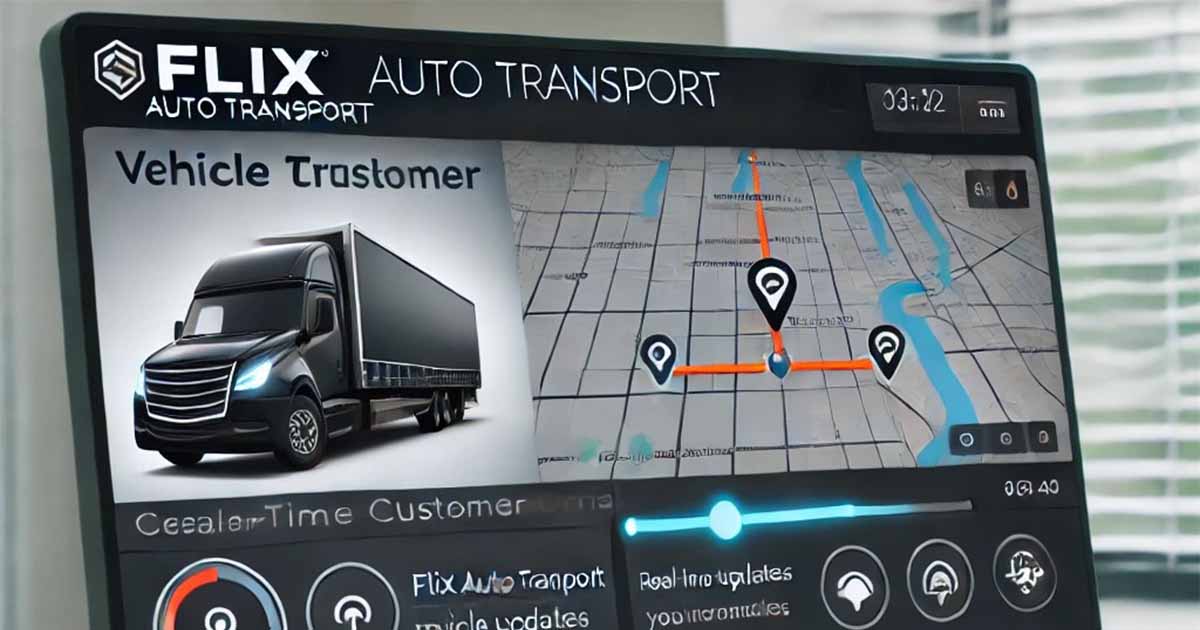
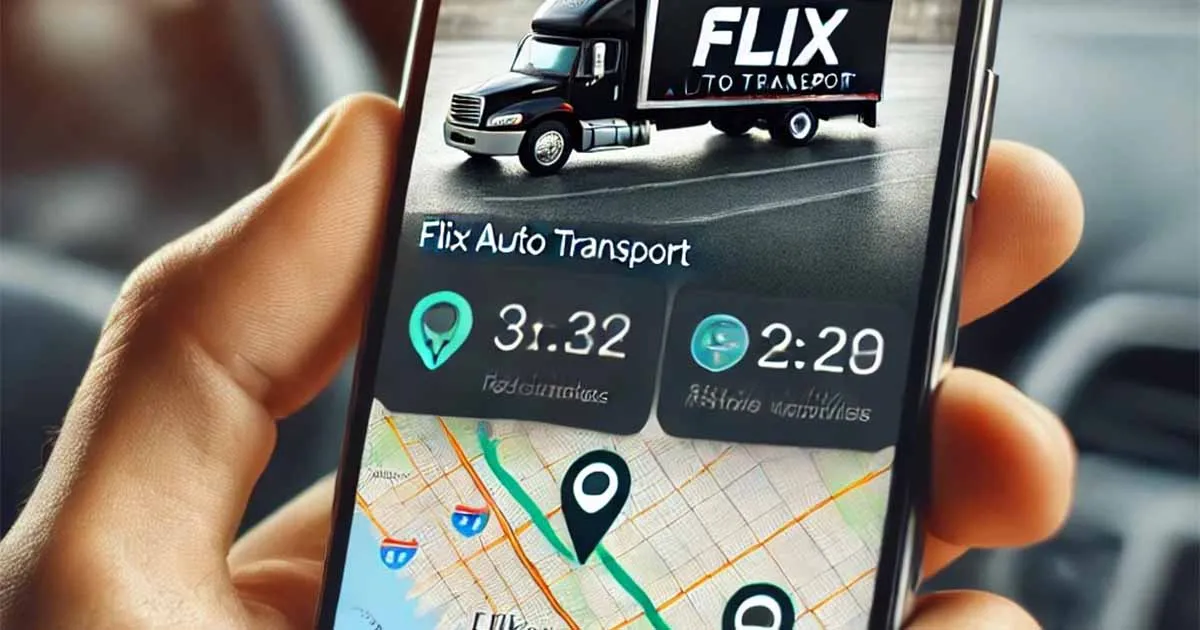
Many auto transport companies offer real-time shipment tracking that provides updates at each checkpoint. This alternative offers transparency without requiring GPS tracking.
Option 2: Contact your broker or transporter
For those who prefer direct communication, brokers or transporters can provide timely updates on:
- Expected arrival times: Based on real-time traffic and road conditions.
- Location updates: Brokers offer a location estimate if GPS tracking isn’t available.
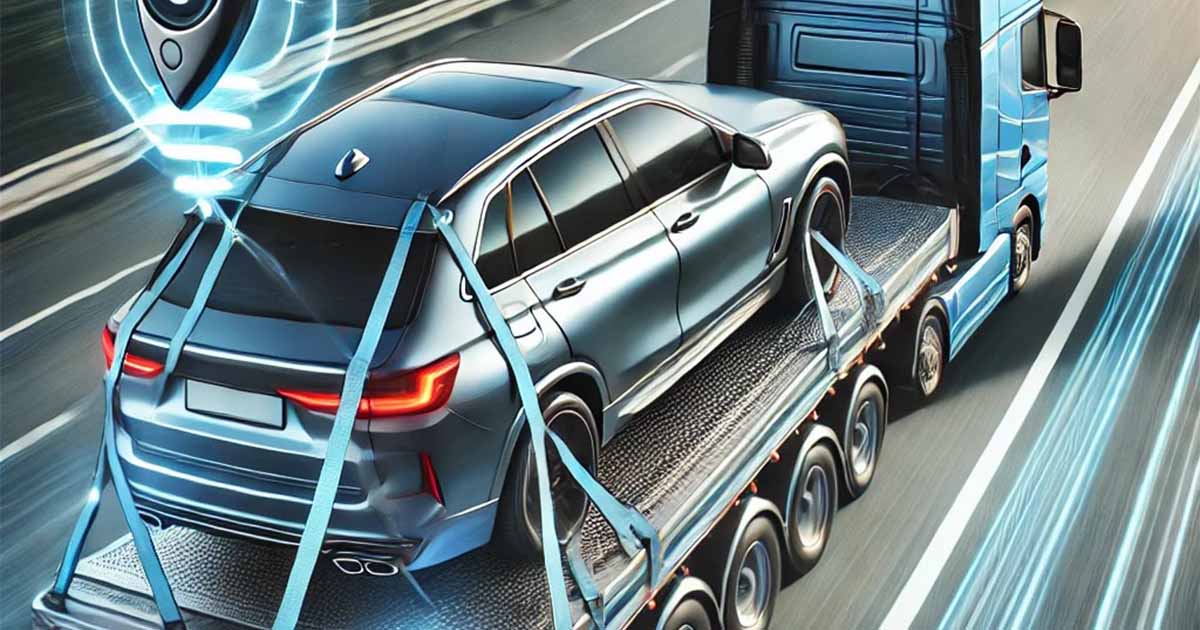
Option 3: Use personal tracking devices (e.g., AirTags or Tiles)
Personal tracking devices provide an independent tracking option. Benefits include:
- Independent tracking: These devices don’t depend on the transporter’s system.
- Peace of mind: Bluetooth-based updates offer additional visibility, although they may not provide exact locations on highways.

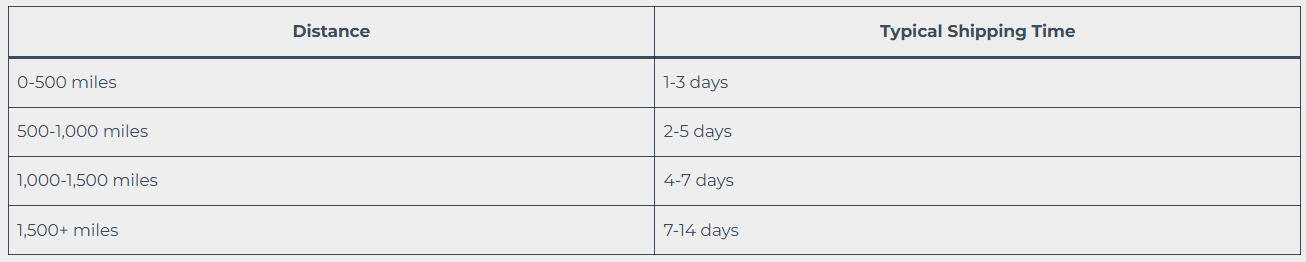
Option 4: Understand car shipping timelines
Clear knowledge of car shipping timelines can help set realistic expectations. Delivery times are affected by:
- Distance: Longer distances naturally require more time.
- Seasonal demand: During peak times, like summer, demand can increase shipping duration.
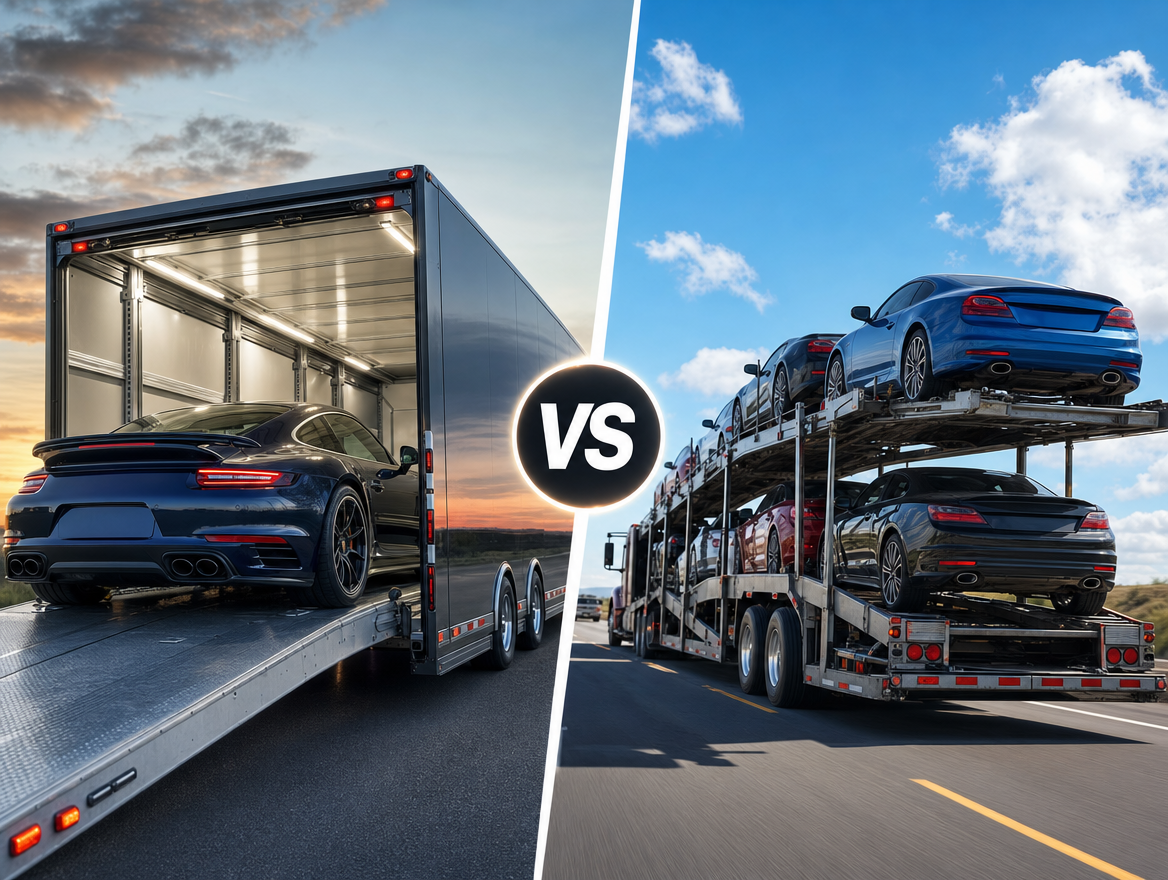
- Vehicle type and mode: Enclosed transport, for example, may take slightly longer than open transport.
Part 3: Auto transport GPS tracking FAQs
Question 1: Can I track my vehicle shipment?
Yes, most companies offer tracking options, including checkpoint-based real-time tracking.
Question 2: How much does tracking cost?
Tracking is usually included, but confirm with your transporter as some may charge for premium tracking services.
Question 3: What does “in transit” mean?
This term indicates that the vehicle is en route to its destination.

Understanding myths, available tracking options, and factors influencing auto transport can help make the vehicle transport process more transparent and less stressful. Setting realistic expectations ensures a smooth, hassle-free experience.
Ready to experience worry-free auto transport? Contact Flix Auto Transport today and ask about tracking options, delivery windows, and route planning to ensure a smooth and stress-free journey for your vehicle.
Related articles
Expert advice and real experiences to make your car shipping simple and stress-free.




.jpg)






.jpg)



.jpg)



.jpg)



























.webp)